

Valtrex® (Valacyclovir) — Patient Guide (Australia)
Valtrex is a well-known antiviral medicine containing valacyclovir. It is used to treat and help control certain viral infections, particularly those caused by the herpes virus family. This guide explains how Valtrex works, when it’s used, how to take it safely, and what to expect while on treatment. It also covers interactions, practical tips, and commonly asked questions relevant to people in Australia.
Note: Always follow the specific instructions provided with your medicine and ask your pharmacist or doctor if anything in this guide is unclear.
1) Basic product information
| Category | Details |
|---|---|
| Medicine | Valtrex® |
| Active ingredient | Valacyclovir (converted in the body to aciclovir) |
| Type | Antiviral (herpes virus medicines) |
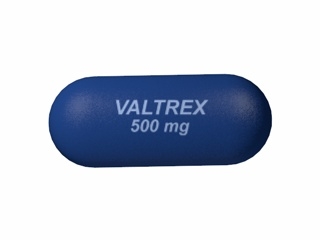
| Common forms | Oral tablets (strengths vary; commonly 500 mg, 1 g) |
| Therapeutic use | Herpes simplex virus (HSV) and herpes zoster (shingles) infections |
2) How Valtrex works (mechanism of action)
Valacyclovir is a “prodrug,” meaning it is converted in your body into an active antiviral agent called aciclovir. After conversion, aciclovir targets infected cells and interferes with how the virus replicates.
- Step 1: Valacyclovir is absorbed from the gut and converted mainly in the liver into aciclovir.
- Step 2: In virus-infected cells, aciclovir is further processed into its active form.
- Step 3: The active form blocks viral DNA replication, helping reduce viral spread and symptoms.
What this means for you: Valtrex works best when started early—ideally at the start of symptoms or during the early stage of an outbreak.
3) Pharmacokinetics (how your body handles it)
Pharmacokinetics describes how the medicine is absorbed, distributed, metabolised, and excreted.
- Absorption: Valacyclovir is absorbed from the gastrointestinal tract and converted into aciclovir.
- Conversion: Conversion to aciclovir occurs mainly in the liver.
- Distribution: Aciclovir reaches relevant tissues to act against herpes viruses.
- Elimination: The active drug is eliminated primarily via the kidneys.
- Kidney function matters: People with reduced kidney function may require different dosing and closer monitoring, as drug levels can be higher.
Practical takeaway: Staying well-hydrated and following dosing instructions is important, especially in older adults or those with kidney impairment.
4) Typical uses in Australia
Valtrex is used for infections related to the herpes virus family. Common indications include:
- Shingles (herpes zoster): Treatment of shingles and to help reduce duration and severity of symptoms.
- Genital herpes (HSV):
- Treatment of outbreaks (episodic treatment)
- Long-term suppression to reduce the frequency of recurrences
- Reducing transmission risk to a sexual partner in certain circumstances (as advised by a clinician)
- Cold sores (herpes simplex virus, HSV-1): Treatment of cold sore outbreaks and, in some cases, prevention for people with frequent recurrences (depending on clinical assessment).
Important: If you are unsure whether your condition is caused by herpes viruses, speak with a healthcare professional.
5) Timing and how to start
Timing affects outcomes for herpes infections. Valtrex is generally most effective when taken as early as possible.
- Shingles: Start treatment promptly, ideally within the first 72 hours of rash appearance.
- Genital herpes outbreaks: Start at the earliest sign of an outbreak (e.g., tingling, itching, burning, or early lesions).
- Cold sores: Begin at the first warning symptoms or as soon as lesions appear.
If you miss a dose, take it when you remember unless it’s close to the next dose. Do not double up unless your healthcare professional advises it.
6) Food interactions
Valtrex can generally be taken with or without food. However, taking it with food may help some people avoid stomach upset.
- With food: May reduce nausea or discomfort for some users.
- Without food: Also typically acceptable when tolerated.
Tip: Try to take your doses at consistent times each day to support adherence, especially if you are using it for suppression.
7) Alcohol and medicine interactions
Alcohol and antiviral medicines: Moderate alcohol does not usually have a direct, well-known interaction with valacyclovir, but alcohol can worsen dehydration, impair immune response, and increase the likelihood of feeling unwell—particularly during an outbreak.
- During treatment: It’s generally advisable to limit alcohol and drink plenty of water.
- Hydration matters: Valtrex is eliminated through the kidneys. Alcohol-related dehydration could increase the risk of side effects, especially in people with kidney issues.
Medicines interactions: Because valacyclovir/aciclovir is handled by the kidneys, certain medicines that affect kidney function can be important. Tell your pharmacist or doctor if you take:
- Medicines that affect kidney function (e.g., some anti-inflammatory drugs taken frequently or in high doses, or other medicines cleared by the kidneys)
- Other antivirals
- High-dose therapies or combinations that may increase kidney workload
Always check your medication list: If you are unsure about a specific medicine (including over-the-counter products), ask before combining.
8) Indications (who Valtrex is for)
Below is a patient-friendly overview of when Valtrex is commonly used. Exact suitability depends on diagnosis, symptom history, and medical factors such as kidney function.
- Herpes zoster (shingles): For treating shingles and helping reduce the length and severity of symptoms.
- Herpes simplex virus (HSV) infections:
- First episode or recurrent outbreaks: To treat symptoms and speed healing
- Suppressive therapy: To reduce frequency of recurrences in people with frequent outbreaks
- Partner protection strategies: Sometimes used alongside safer-sex practices to reduce transmission risk, depending on clinical guidance
If your symptoms are unusual (e.g., eye involvement, severe pain, widespread rash, fever with confusion), seek urgent medical advice.
9) Dosing — general information
Dosing for Valtrex varies depending on the condition being treated, the severity, and patient factors such as kidney function and age. The dose and course length must be matched to your specific situation.
General dosing patterns (commonly used):
- Shingles: Doses are typically taken several times per day for about 7 days (your prescriber will specify the exact regimen).
- Genital herpes: Dosing may differ between episodic treatment (for outbreaks) and daily suppressive therapy.
- Cold sores: Treatment regimens may be shorter for outbreaks and may differ if used to prevent frequent recurrences.
Kidney impairment: Because valacyclovir is removed through the kidneys, people with reduced kidney function may need a lower dose or longer intervals between doses. This is especially important in older adults.
How to take:
- Swallow the tablet(s) whole with water.
- Keep regular timing if using multiple daily doses.
- Stay hydrated (unless you’ve been instructed to restrict fluids).
If you have been given a specific dosing plan, follow that plan exactly and consult your pharmacist for clarification.
10) Safety profile — what to know
Most people tolerate Valtrex well. Like all medicines, it can cause side effects. Many side effects are mild and temporary, but some require urgent attention.
Common side effects
- Headache
- Nausea
- Vomiting or stomach upset
- Dizziness
Less common but important side effects
- Kidney-related issues: In some people, especially those who are dehydrated or have kidney problems, aciclovir/valacyclovir can rarely affect kidney function.
- Neurological symptoms: Very rarely, some patients may experience confusion, agitation, hallucinations, or reduced responsiveness, particularly in those with kidney impairment.
- Allergic reactions: Rash, swelling, breathing difficulty, or severe skin reactions.
Seek urgent medical help if you notice
- Swelling of face/lips/tongue, wheezing, or trouble breathing
- Severe skin rash, blistering, or painful rash
- Confusion, severe drowsiness, or unusual behaviour
- Very little urine output or severe pain in the back/flank
11) Practical use tips for better outcomes
- Start early: Begin at the first sign of an outbreak when possible.
- Complete the course: Even if you feel better, finishing the prescribed duration helps ensure effectiveness.
- Hydrate: Drink water regularly, particularly if you’re taking multiple doses per day.
- Use reminders: Phone alarms can help you take doses on schedule.
- Avoid skin irritation: Keep affected areas clean and dry; avoid harsh soaps.
- Reduce spread: If you have genital herpes or shingles, follow safer-sex and hygiene practices recommended by your clinician.
- Don’t share personal items: Avoid sharing towels, razors, lip balm, or utensils if lesions are present.
12) Alternative options (depending on your condition)
Depending on diagnosis and severity, healthcare professionals may consider other treatments. Options may include:
- Other antiviral medicines: Such as aciclovir or famciclovir, depending on the herpes virus type and patient factors.
- Supportive care: Pain relief and skin care measures (especially for shingles), along with monitoring complications.
- Prevention strategies: For people with frequent recurrences, daily suppressive therapy may be discussed.
Choosing the right option: The best treatment depends on the virus type, your medical history, how often outbreaks occur, and how quickly symptoms began.
13) Market and legal context for Australia
In Australia, access to medicines like Valtrex is regulated under the Australian medicines scheduling and pharmacy framework. Many antiviral medicines are supplied through pharmacies and may require a prescription or a clinician’s assessment depending on product status and indication.
Pharmacy availability: Availability can vary by formulation strength and local stock levels. Online pharmacies may provide delivery across Australia subject to regulatory requirements and medicine-handling rules.
Clinical suitability: Because dosage can differ based on kidney function and the type of herpes infection, healthcare assessment is important when determining whether valacyclovir is appropriate and at what dose.
14) Recent guidance and practical standards of care
Clinical guidance generally emphasizes:
- Early initiation of antiviral treatment for shingles and acute HSV outbreaks.
- Appropriate dosing adjustments for kidney function.
- Ongoing suppressive strategies for patients with frequent recurrences and for selected partner-protection scenarios.
- Monitoring for side effects, hydration status, and drug interactions.
Guidelines can evolve with new evidence. For the most current advice, consult national health resources or your treating healthcare professional.
15) Delivery and availability (online pharmacy)
Availability of Valtrex depends on stock levels, tablet strength, and local supply. Online pharmacies typically offer home delivery where allowed and may provide tracking and secure packaging.
How to prepare for delivery:
- Ensure your delivery address is correct and accessible.
- Check whether your parcel may require signature on arrival.
- Store tablets as directed on the packaging, usually at room temperature away from moisture and heat.
Cold-chain: Valacyclovir tablets are generally stable at room temperature, but always follow the specific storage instructions provided with your product.
16) FAQ — Frequently asked questions
How quickly does Valtrex work?
Many people notice improvement in symptoms within a couple of days, especially when treatment begins early. Healing time can vary by condition (shingles vs. genital herpes vs. cold sores) and by how soon treatment started.
Can I take Valtrex if I have kidney problems?
Tell your pharmacist or doctor if you have reduced kidney function, as dosing may need adjustment. Drink fluids unless your clinician has advised fluid restriction.
Is Valtrex only for genital herpes?
No. Valtrex is also used for shingles and cold sores caused by herpes simplex virus. The appropriate regimen depends on the diagnosed condition.
Should I avoid sex while taking Valtrex for genital herpes?
Valtrex may reduce viral shedding, but it doesn’t eliminate transmission risk. Safer-sex practices remain important. Discuss timing and precautions with your healthcare professional.
Can Valtrex prevent outbreaks?
In some people, a daily suppressive regimen may reduce recurrence frequency. Whether this is suitable depends on outbreak pattern and individual factors.
What if I forget a dose?
Take it when you remember if it’s not close to the next dose. Don’t take double doses to catch up. If you’re unsure, ask your pharmacist for advice based on your prescribed schedule.
Does Valtrex interact with other medicines?
Some medicines—particularly those that affect kidney function—can influence risk. Provide your complete medication list (including over-the-counter medicines and supplements) so your pharmacist can check for interactions.
Can I drink alcohol while on Valtrex?
Moderate alcohol may not cause a direct interaction for everyone, but alcohol can worsen dehydration and make you feel unwell. It’s generally best to limit alcohol and keep well-hydrated during treatment.
Are there dietary restrictions?
No special diet is required. You can usually take Valtrex with or without food. If you experience nausea, consider taking it with food.
Who should seek medical help urgently instead of self-managing?
Seek urgent help if you develop signs of allergic reaction (swelling, breathing difficulty), severe skin reactions, confusion or severe drowsiness, or symptoms suggesting complications (especially with shingles, such as involvement near the eyes).
17) Summary
Valtrex (valacyclovir) is an antiviral medicine used for infections caused by herpes viruses, including shingles and herpes simplex infections such as cold sores and genital herpes. It works by converting to aciclovir inside the body, helping reduce viral replication. Treatment is most effective when started early and dosed appropriately, with extra care for hydration and kidney function.
If you have questions about taking Valtrex, managing side effects, or whether it’s suitable for your situation, speak with a pharmacist or healthcare professional.