

Zovirax (Acyclovir) — Patient Information Guide (Australia)
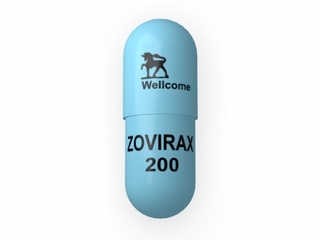
Zovirax is a well-known antiviral medicine containing acyclovir. It is used to treat and—depending on the condition—help prevent certain viral infections, particularly those caused by the herpes family of viruses. This guide explains what Zovirax is, how it works, how it behaves in the body, typical uses, how to take it, and what to consider for safety and interactions.
Note: Product formulations and strengths can vary (for example, tablets, suspension, and other forms in some markets). Always check the pack for the exact strength and directions for your product.
Basic Product Information
| Feature | Details |
|---|---|
| Medicine name | Zovirax |
| Active ingredient | Acyclovir |
| Type | Antiviral medicine (nucleoside analogue) |
| Common targets | Herpes simplex virus (HSV), varicella-zoster virus (VZV), and other susceptible herpes viruses |
| Available forms | Tablets and oral liquid may be available; topical/other forms may be available depending on product availability |
How Zovirax (Acyclovir) Works (Mechanism of Action)
Acyclovir works by interfering with viral DNA replication. The key steps are:
- Selective activation: After entering infected cells, acyclovir is converted into an active form primarily by viral enzymes (especially from herpes viruses).
- Chain termination: The active form acts like a building block for viral DNA. When incorporated, it disrupts DNA synthesis.
- Result: Viral replication slows or stops, allowing the body’s immune system to clear the infection more effectively.
Zovirax is most effective when started early—ideally at the first sign of symptoms or as soon as possible after an outbreak begins.
Pharmacokinetics (How the Medicine Moves Through the Body)
Pharmacokinetics describes absorption, distribution, metabolism, and elimination.
- Absorption: Acyclovir is absorbed from the gut after oral dosing. Absorption can be influenced by formulation and individual factors.
- Distribution: It distributes into body tissues and fluids. It can reach sites where herpes viruses replicate.
- Metabolism: Acyclovir is minimally metabolised.
- Elimination: Mostly excreted by the kidneys. Kidney function plays an important role in how quickly the medicine is cleared.
- Half-life: In adults with normal renal function, the elimination half-life is commonly around a few hours, which is one reason multiple daily doses are often used.
Kidney health matters: People with reduced kidney function may require adjusted dosing. Staying well hydrated can help support kidney function when taking acyclovir.
What Zovirax Is Used For (Indications)
Zovirax is used for infections caused by herpes viruses. Common indications include:
- Genital herpes (HSV): Treatment of outbreaks.
- Cold sores (herpes labialis/HSV): Treatment of episodes.
- Shingles (herpes zoster/VZV): Treatment, particularly when started early.
- Varicella (chickenpox) in certain patients: In some age groups or risk situations, acyclovir may be used.
- Prevention in selected cases: Sometimes used to reduce the frequency of recurrent outbreaks in people with frequent or severe recurrences.
Availability and specific indications depend on local prescribing guidance and product registration details.
Timing: When to Start and How Long to Take
Starting early is important. Antiviral medicines are generally most effective when begun at the earliest stage of an outbreak.
- At the first signs: Start when you notice early symptoms such as tingling, itching, burning, redness, or pain—especially for cold sores and genital herpes.
- Shingles: The greatest benefit is usually seen when treatment is started promptly after rash onset.
- Even if lesions have appeared: Treatment may still help; do not delay if you suspect herpes is active.
Course length: Treatment duration varies by condition and patient factors. Follow the directions on your product packaging or the advice provided for your specific situation.
Dosing (General Guidance)
Dosing schedules can differ depending on the infection type, severity, age, and kidney function. Below are typical dosing patterns used for acyclovir in practice; always check the exact instructions for your Zovirax product and your individual plan.
- Genital herpes outbreaks: Oral acyclovir is commonly taken multiple times daily over several days.
- Cold sores: Oral treatment is often given several times daily for a short course, particularly if started early.
- Shingles: Often requires multiple daily doses for about a week, started as early as possible.
- Prevention of recurrences: Long-term or repeated courses may use a different schedule and may be less frequent daily dosing than outbreak treatment.
Kidney impairment: Because acyclovir is cleared through the kidneys, dosage may be reduced in people with impaired renal function. If you have known kidney disease, always seek personalised dosing advice.
Children: Dosing depends on age and weight and must be determined carefully.
If you are unsure about the dosing schedule, check with a healthcare professional or your pharmacist. Accurate dosing helps maximise benefits and reduce risk.
Food Interactions and Taking Zovirax With Meals
One practical advantage of acyclovir is that it can generally be taken with or without food, depending on the specific formulation. Food usually does not cause major harmful interactions.
- With food: Taking with food may improve comfort if the medicine upsets your stomach.
- Consistency helps: Try to take doses at similar times each day.
- Hydration: Drink water regularly, especially if you are taking frequent doses.
If your specific Zovirax product label includes instructions about food, follow those directions.
Alcohol Interactions
There is no commonly known direct “dangerous” interaction between acyclovir and alcohol. However, alcohol can:
- Worsen dehydration if you drink heavily or don’t hydrate.
- Increase side effects such as dizziness or nausea for some people.
- Reduce sleep and recovery, which may slow overall improvement during an outbreak.
Practical approach: If you choose to drink, consider keeping alcohol to low amounts and ensure you drink water. Avoid binge drinking. If you feel unwell, it’s best to avoid alcohol until you recover.
Medicine Interactions (Other Medicines and Supplements)
Many people take additional medicines alongside antivirals. While not every combination is unsafe, it is important to check for interactions—especially those affecting the kidneys.
Medicines that may increase kidney risk
Acyclovir is eliminated by the kidneys. Combining it with other medicines that can affect kidney function or compete for renal clearance may increase the chance of side effects.
- Other medicines excreted by the kidneys may affect overall clearance.
- Nephrotoxic medicines (medicines that can harm the kidneys) should be used cautiously with acyclovir, if at all, depending on your clinical situation.
- High-dose or frequent dosing can increase exposure—so the need for careful monitoring is greater if you take other interacting medicines.
Common interaction check (what to disclose)
When you purchase or use Zovirax, it helps to keep a list of:
- All prescription medicines
- Over-the-counter products (including cold/flu medicines)
- Herbal products (some can affect kidney function or drug metabolism)
- Supplements
Your pharmacist can help you review your medication list for potential interactions.
Safety Profile: Side Effects and When to Get Help
Like all medicines, Zovirax (acyclovir) can cause side effects. Many are mild and improve as your body adjusts.
Common side effects
- Nausea
- Diarrhoea
- Headache
- Feeling generally unwell
- Occasional dizziness
Less common but important side effects
- Allergic reactions (rash, itching, swelling, difficulty breathing)
- Kidney problems (especially in those with dehydration or existing kidney issues): symptoms may include reduced urination, unusual swelling, or severe fatigue.
- Neurological symptoms (rare, but seek medical advice if confusion, severe drowsiness, or unusual behaviour occurs).
Seek urgent medical help if
- You develop signs of a serious allergic reaction (swelling of face/lips/tongue, wheezing, difficulty breathing).
- You have severe side effects such as persistent vomiting, severe headache with fever, confusion, or significantly decreased urine output.
Who should take extra care
- People with kidney disease or dehydration
- Older adults (who may be more susceptible to kidney-related side effects)
- Those taking other medicines that may affect kidney function
- Pregnancy or breastfeeding (discuss benefits and risks with a healthcare professional)
Practical Use Tips (How to Get the Best Results)
- Start promptly: Begin at the first sign of an outbreak when recommended.
- Don’t miss doses: Try to follow the dosing schedule. If you miss a dose, take it when you remember unless it’s close to the next dose—then skip and continue. Do not double up.
- Stay hydrated: Aim for adequate fluid intake, especially if taking multiple daily doses.
- Protect others: Herpes can spread even with treatment. Use barrier protection for genital herpes and avoid skin-to-skin contact with active lesions.
- For cold sores: Avoid kissing and sharing utensils/chapsticks during outbreaks if lesions are present.
- Complete the course: Even if symptoms improve quickly, finishing the recommended period can help reduce recurrence or complications.
Topical care: If you use additional supportive measures (such as creams for comfort), check that they are compatible with your situation and follow product instructions.
Alternative Options
Depending on the herpes infection, severity, and your individual medical history, alternatives to Zovirax may include other antivirals or supportive treatments.
Other antiviral medicines
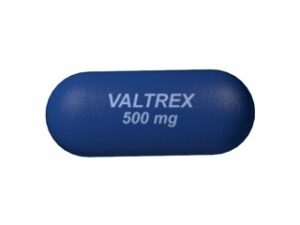
- Valaciclovir (an alternative prodrug of acyclovir; often allows less frequent dosing)
- Famciclovir
Supportive measures (symptom relief)
- Pain relief such as paracetamol or anti-inflammatory medicines where appropriate
- Wound and skin care to reduce irritation and support comfort
If you find dosing inconvenient or experience side effects, speak with a pharmacist or healthcare professional about whether another antiviral may suit you better.
Market and Legal Context for Australia
In Australia, medicines are regulated through the Therapeutic Goods Administration (TGA). Medicines must meet Australian regulatory requirements for quality, safety, and performance.
Access to antiviral medicines can vary by formulation and category. Some medicines or brands may be available through standard pharmacy channels and must be supplied in line with Australian regulatory and prescribing requirements. Always follow the directions provided by your pharmacist or healthcare professional.
Online pharmacies that operate in Australia typically require patient information to ensure appropriate use, correct dosing, and safe supply. This helps reduce medication errors and supports safe therapy.
Recent Guidance and Updates (General Expectations)
Clinical guidance can evolve based on new evidence, resistance patterns, and safety information. In practice, current trends and consistent principles include:
- Early initiation: Antivirals work best when started promptly.
- Individual risk assessment: People with kidney impairment, older age, and complex medication regimens may require closer monitoring and dose adjustment.
- Adherence: Completing courses and following schedules improves outcomes.
- Prevention strategies: For recurrent herpes, long-term strategies may be considered in consultation with clinicians.
For the most accurate, condition-specific advice, consult reputable Australian healthcare guidance or a healthcare professional.
Delivery and Availability (Australia)
Availability can vary by region and by product type (tablets, oral liquid, or other forms). Online pharmacy delivery in Australia often includes:
- Standard delivery: Typically within several business days, depending on the supplier and state.
- Tracking: Many deliveries include tracking so you can monitor progress.
- Packaging: Medicines are usually supplied in protective packaging to maintain integrity during transit.
When ordering, ensure you choose the correct strength and formulation stated on the product listing. If the medicine is for a specific infection, check that the intended dosing schedule matches your condition as advised.
FAQ — Frequently Asked Questions
1) What is Zovirax used for?
Zovirax (acyclovir) is an antiviral medicine used for infections caused by herpes viruses, such as genital herpes (HSV), cold sores (herpes labialis), and shingles (herpes zoster). It may also be used for other herpes-related infections in selected cases.
2) How quickly does Zovirax work?
Many people begin to notice improvement within a few days, especially when treatment starts early. Starting at the first symptoms generally offers the best chance of reducing severity and duration.
3) Can I take Zovirax with food?
In many cases, Zovirax can be taken with or without food. If it upsets your stomach, taking it with food may help. Always follow the instructions on your specific product label.
4) Is it safe to drink alcohol while taking Zovirax?
There is typically no direct dangerous interaction, but alcohol can worsen dehydration and may increase side effects. If you drink, keep it moderate and drink water. Avoid binge drinking.
5) What if I miss a dose?
If you miss a dose, take it when you remember unless it is close to the next dose. Then continue your usual schedule. Do not double the dose.
6) Who should be extra careful when using acyclovir?
Extra caution is advised for people with kidney problems, those at risk of dehydration, older adults, and those taking other medicines that may affect kidney function. Discuss your situation with a pharmacist or healthcare professional.
7) What are warning signs that mean I should stop and get help?
Seek urgent medical help for symptoms of a serious allergic reaction (such as breathing difficulty or facial/tongue swelling). Contact a clinician promptly if you experience severe symptoms, confusion, or significantly reduced urination.
8) Does Zovirax stop the virus from spreading?
Zovirax helps treat outbreaks and can reduce viral activity, but herpes can still spread. Use barrier protection for genital herpes and avoid direct contact with active lesions.
9) Are there alternatives to Zovirax?
Yes. Depending on the condition, other antiviral options such as valaciclovir or famciclovir may be considered. A pharmacist can help discuss suitability.
10) How should I store Zovirax?
Store Zovirax according to the instructions on the pack (often at controlled room temperature away from moisture and heat). Keep it out of reach of children.
Summary
Zovirax (acyclovir) is an antiviral medicine used for herpes virus infections including cold sores, genital herpes, and shingles. It works by targeting viral DNA replication and is most effective when started early. Oral acyclovir is cleared mainly through the kidneys, so hydration and kidney health are important. With proper dosing, supportive measures, and attention to potential interactions, many people manage outbreaks effectively.
If you have questions about the best option for your symptoms, your pharmacist can help you understand dosing schedules, side effects, and interaction checks for your specific situation.