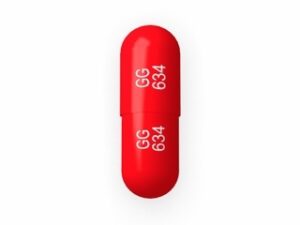



Trimetazidine (Trimetazidine) — Patient-Friendly Guide (Australia)
Trimetazidine (sometimes spelled “trimetazidine” in product listings) is a medicine used in certain heart-related conditions to help improve the way the heart’s cells use energy, particularly during periods of reduced blood supply. This guide is designed to help you understand what the medicine does, how it works in the body, how it is typically used, and what to consider for safety and interactions.
Always follow the instructions provided by your healthcare professional or the medicine label for your specific product and strength. Information below is general and may not apply to every situation.
Quick product information
| Category | Details |
|---|---|
| Medicine name | Trimetazidine |
| What it is used for | Helps reduce symptoms associated with certain angina patterns in some patients |
| How it works | Improves energy use in heart cells under stress by shifting energy metabolism |
| Common formulation | Tablets with immediate or modified-release profiles depending on the brand |
| How it’s taken | Often taken regularly; timing depends on the formulation |
| Key considerations | Possible effects on movement (rare, but important). Also consider kidney and interaction precautions |
What is Trimetazidine used for?
Trimetazidine is used as a metabolic (energy-centred) treatment in specific cardiovascular situations. In many clinical settings, it is used to help:
- Reduce the frequency and severity of angina symptoms (e.g., chest pain related to reduced heart blood flow)
- Support patients who continue to experience angina symptoms despite other therapies
It is not intended to act as a fast “rescue” medicine for sudden angina attacks. If you experience sudden chest pain, seek urgent medical guidance according to your usual plan.
How Trimetazidine works (mechanism of action)
When the heart is stressed (for example, during periods of reduced oxygen supply), heart cells may struggle to produce enough energy. Trimetazidine is designed to help cells switch to a more efficient energy pathway under these conditions.
A commonly described mechanism is:
- Trimetazidine influences mitochondrial energy metabolism by helping shift energy production toward pathways that may be more efficient under low-oxygen conditions.
- This supports better functioning of cardiac cells during stress, which may translate into fewer angina symptoms for some people.
Pharmacokinetics: how the body handles Trimetazidine
“Pharmacokinetics” refers to what happens to the medicine after you swallow it: absorption, distribution, metabolism, and elimination. Exact values can vary by formulation (immediate-release versus modified-release) and by patient factors such as kidney function.
Absorption
Trimetazidine is generally absorbed after oral dosing. Modified-release forms are designed to provide a steadier level over the dosing interval.
Distribution
The medicine distributes through body tissues; the most relevant effects are in cardiovascular tissues where energy metabolism matters.
Metabolism
Depending on the exact formulation and patient conditions, metabolism occurs primarily via bodily processes that break down medicines. Some clinical guidance also considers hepatic function, but kidney function is often an important factor for dosing suitability.
Elimination
Elimination largely occurs through the body’s clearance mechanisms (often including renal excretion for many medicines in this class). This means reduced kidney function may increase exposure and risk, so dosing may need adjustment.
Practical takeaway: If you have kidney impairment, ask your healthcare professional or pharmacist whether your product and strength are suitable.
Typical use and timing
Trimetazidine is usually taken as a regular, ongoing medicine to support symptom control over time. The timing depends on your specific formulation and your prescribed regimen.
Common timing guidance (general)
- Follow your label instructions for the exact dose schedule.
- If using a modified-release product (e.g., once or twice daily), take doses at the same times each day to maintain steady levels.
- Avoid taking extra doses to “make up” a missed one—contact your pharmacist for advice if you miss a dose.
When to expect benefits
Some patients notice symptom improvements gradually as regular doses build up steady exposure. If you do not notice any benefit after an appropriate trial period, discuss with your healthcare professional rather than adjusting dosing yourself.
Can you take Trimetazidine with food?
Food interactions can vary by product formulation. In many cases, Trimetazidine can be taken with or without food; however, your product’s instructions should always be followed.
- If your medicine label says “take with food,” follow that advice to reduce stomach upset and to support consistent absorption.
- If the label says it can be taken with or without food, taking it with a meal may still be helpful for tolerability.
Tip: Keep your routine consistent (e.g., take it always with breakfast or dinner) to make day-to-day dosing easier.
Alcohol interactions
Alcohol does not usually have a direct, specific interaction with Trimetazidine that is as prominent as with some other medicines. However, alcohol can still affect cardiovascular stability, sleep, hydration, and adherence to medications.
- Limit alcohol if you notice it worsens angina symptoms or causes dizziness.
- If you plan to drink alcohol, avoid taking your dose at an unusual time if it disrupts your routine.
- If you experience side effects (such as dizziness or unusual weakness), avoid alcohol and seek medical advice.
For personalised advice, especially if you have heart failure, low blood pressure, or other comorbidities, consult your pharmacist.
Medicine interactions to consider
Interactions depend on your full list of medicines and supplements. Below are common categories to consider when reviewing your regimen. This is not a complete list—always check with a pharmacist if you’re unsure.
General interaction considerations
- Other cardiovascular medicines: Combining multiple heart medicines may change blood pressure or heart rate. Monitor how you feel, especially when starting or changing doses of any medicine.
- Medicines affecting movement: Trimetazidine has been associated with rare movement-related side effects (e.g., tremor, stiffness, or slowness). Inform your clinician if you take medicines for Parkinson’s disease, antipsychotics, or other agents that may affect movement.
- Kidney-related dosing sensitivity: If you take medicines that affect kidney function or if you have reduced kidney function, ask whether your Trimetazidine dose should be adjusted.
What to do before starting
- Make a list of all medicines and supplements you take.
- Include “as needed” products and herbal supplements.
- Check with a pharmacist if you have recently started, stopped, or changed doses of any medicine.
Indications: when Trimetazidine may be appropriate
In practice, Trimetazidine may be used for patients with chronic stable angina or other angina-related symptom control approaches in line with local clinical guidance and product indications.
The decision depends on your diagnosis, other therapies, and your medical history (including kidney function and movement history). Your healthcare professional can confirm whether Trimetazidine fits your situation.
Dosing: general information
Dosing varies by the specific formulation and strength available in the market, as well as your medical needs and kidney function. Do not change the dose or schedule without professional advice.
Common dosing patterns (general)
- Many regimens are taken once or twice daily depending on whether the product is immediate-release or modified-release.
- Some products may have higher frequency schedules if immediate-release formulations are used.
Always refer to your specific product label for the exact dose and timing instructions.
Kidney impairment
Reduced kidney function can increase Trimetazidine exposure. Dose adjustments or suitability may be required depending on the degree of impairment. If you have kidney disease, ask your pharmacist to confirm the correct regimen.
Missed dose guidance (general)
- If you miss a dose, take it when you remember unless it is close to the next scheduled dose.
- Do not take a double dose to make up for the missed one.
- If unsure, contact a pharmacist for advice.
Safety profile and side effects
Like all medicines, Trimetazidine can cause side effects. Many people tolerate it well, but it’s important to know what to watch for. Side effects can vary by patient and formulation.
Common side effects (may occur)
- Gastrointestinal discomfort (e.g., nausea, abdominal discomfort)
- Dizziness or headache
- Fatigue or feeling unwell
Important less-common or rare side effects
Movement-related side effects have been reported with Trimetazidine in some patients. These may include:
- Tremor
- Stiffness
- Slowness of movement
- Unsteadiness or difficulty walking
Seek medical advice promptly if you notice new or worsening movement symptoms, especially if they develop gradually after starting the medicine.
Allergic reactions
Stop and seek urgent medical help if you develop signs of a serious allergic reaction, such as:
- Swelling of the face, lips, tongue, or throat
- Difficulty breathing or swallowing
- Hives or widespread rash
Who should take extra care?
- People with kidney impairment
- People with a history of movement disorders
- Older adults, who may be more sensitive to dizziness or balance changes
- Anyone taking multiple cardiovascular medicines
Practical use tips
- Use a consistent routine: Take your dose at the same times each day.
- Follow the tablet instructions: Swallow tablets whole unless your product label states otherwise.
- Keep track of side effects: If you notice movement changes, dizziness, or unusual symptoms, write down when they started and discuss them with a pharmacist or clinician.
- Don’t rely on it for sudden attacks: Ensure you have your usual action plan for sudden angina symptoms.
- Continue lifestyle measures: Medicines work best alongside heart-healthy habits (e.g., stopping smoking, regular appropriate exercise, diet support).
Alternative options (general overview)
For angina and other heart-related symptom control, treatment plans often include several classes of medicines and lifestyle strategies. Which alternative is suitable depends on your diagnosis and risk factors.
Common alternative categories discussed with clinicians
- Beta blockers: Reduce heart workload and oxygen demand in many patients.
- Calcium channel blockers: Help relax blood vessels and improve blood flow.
- Nitrates: Used in angina management (often for symptom relief, depending on form).
- Ranolazine or other anti-anginal therapies: May be considered in some cases.
- Revascularisation or procedural options: In selected patients, procedures may be appropriate when symptoms persist.
If you’re considering switching, stop-starting should be managed by a healthcare professional, as angina control depends on maintaining a stable therapeutic plan.
Trimetazidine in the Australian market: legal and availability context
In Australia, medicine availability is managed through the Therapeutic Goods Administration (TGA). Products must meet regulatory requirements related to quality, safety, and therapeutic use. Availability can vary based on:
- TGA listing status and approved indications for a given brand
- Formulation (immediate vs modified release)
- Importation and supply arrangements
- Prescriber guidance and patient suitability based on clinical factors
Because product status and supply can change, the best source of current availability is your pharmacy or the product listing you’re viewing. If you have difficulty finding your preferred brand or strength, ask the pharmacy about available equivalents and what differences may apply.
Recent guidance and updates (what to watch for)
Medicine guidance can evolve based on safety monitoring and review of emerging evidence. For Trimetazidine specifically, safety monitoring has included attention to movement-related adverse effects and the need for appropriate patient selection.
- If you develop movement symptoms such as tremor, stiffness, or slowness, you should seek medical advice promptly.
- If you have kidney impairment, ensure dosing is aligned with current product information.
- Keep regular follow-up with your healthcare professional to review effectiveness and tolerability.
Your pharmacist can help you check the latest consumer medicine information (where available) for your specific brand.
Delivery, ordering, and availability (online pharmacy)
Online pharmacies in Australia typically provide delivery options that may vary by suburb and state. Availability of Trimetazidine can depend on stock levels, supply routes, and the particular brand/strength.
What you can expect
- Product details: Confirm the brand, strength, and formulation (e.g., modified-release vs immediate-release).
- Dispatch timelines: Some items dispatch quickly; others may take longer if stock must be replenished.
- Delivery tracking: Many services provide tracking updates once your order leaves the warehouse.
- Cold-chain: Generally not required for this type of tablet medicine (but always confirm with the listing).
If you have travel plans or need delivery by a certain date, contact customer support early so they can advise on dispatch times.
FAQ — Trimetazidine (Australia)
1) Is Trimetazidine a painkiller?
No. It’s an anti-anginal (heart symptom support) medicine that works gradually to improve how heart cells use energy under stress. It is not designed as a quick pain-relief medicine for sudden attacks.
2) How soon will I feel better?
Some people notice improvements over time with regular use. The exact timing varies by formulation and individual response. If you don’t notice improvement after a reasonable trial, speak to your pharmacist or healthcare professional.
3) Can I stop Trimetazidine if I feel fine?
Don’t stop on your own. Angina control often depends on continued therapy and monitoring. If you’re considering stopping, discuss it with your healthcare professional so they can create a safe plan.
4) What should I do if I miss a dose?
Take it when you remember unless it’s close to the next dose. Don’t take double doses. If you’re unsure, ask your pharmacist.
5) Does Trimetazidine cause dizziness?
Dizziness can occur in some people. If you feel dizzy or unsteady, avoid driving or operating machinery until you know how you react.
6) What are the movement-related warning signs?
Watch for tremor, stiffness, slowness of movement, or unsteadiness that is new or worsening. If you notice these symptoms, seek medical advice promptly.
7) Can I take Trimetazidine with food?
Many people can take Trimetazidine with or without food, but it depends on the product. Check the specific label for your brand. If unsure, ask your pharmacist.
8) Can I drink alcohol while taking it?
There isn’t usually a direct interaction, but alcohol may worsen cardiovascular symptoms or increase dizziness in some people. Keep alcohol to a minimum and seek advice if you notice side effects.
9) Are there interactions with other heart medicines?
Possibly. People commonly take multiple cardiovascular medicines. Your pharmacist can review your full medication list for potential interaction concerns, including effects on blood pressure, heart rate, kidney function, and movement-related side effects.
10) Is Trimetazidine available in Australia?
Availability depends on the specific product brand/strength and regulatory listing. Check the online pharmacy listing for current stock status and formulation details, or speak with customer support for alternatives if your preferred item isn’t available.
Important note
This information is for general education and does not replace professional medical advice. If you have chest pain, breathing difficulty, fainting, signs of allergic reaction, or sudden worsening symptoms, seek urgent medical help immediately.