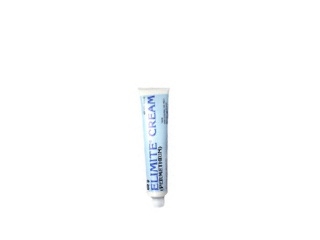
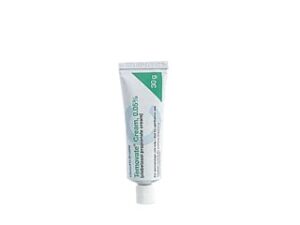

Elimite (Permethrin) Cream – Patient Information (Australia)
Elimite contains permethrin, a medicine used to treat certain types of infestations caused by mites and lice. It works by targeting the nervous system of the parasite, helping to clear the infestation from the skin and hair areas.
This page explains what Elimite is, how it works, how to use it, what to expect, and important safety considerations for people in Australia.
Key Product Information
| Feature | Details |
|---|---|
| Active ingredient | Permethrin |
| Common form | Cream (topical) |
| Typical strengths (varies by product) | Often 5% permethrin for scabies (and some lice treatments use different formulations/strengths depending on brand/indication) |
| How it is used | Applied to skin (and sometimes to hair/lines of hair depending on indication) |
| Main uses | Scabies; sometimes used for other infestations such as pubic lice when appropriate |
| Where it acts | On the skin surface and within the upper layers of the skin/follicles |
What Is Elimite Used For?
Elimite is used to treat infestations where the cause is susceptible to permethrin, including:
- Scabies (caused by the Sarcoptes scabiei mite)
- Pubic lice (sometimes referred to as crabs), when an appropriate permethrin product and direction of use are indicated
- Other lice/mites where permethrin is specifically recommended by local product guidance
Important: Always follow the product label and local clinical advice for the correct condition, body area, contact time, and repeat treatment if needed.
How Elimite Works (Mechanism of Action)
Permethrin is a pyrethroid insecticide/acaricide. It interferes with the normal function of the parasite’s nervous system.
- It affects sodium channels in nerve cells.
- This disrupts nerve signalling, causing the mite/lice to be unable to feed, reproduce, and survive.
- In scabies, the medicine helps kill mites living on the skin and can reduce eggs in the outer layers of the skin, depending on contact time and correct application.
The practical result is fewer living parasites and reduced transmission to others.
Pharmacokinetics (Absorption & Processing in the Body)
When permethrin cream is used as directed on intact skin:
- Absorption through skin is limited.
- Most of the drug remains on the skin surface and in the outer skin layers.
- A small amount that is absorbed is metabolised in the body (primarily in the liver) into inactive metabolites.
- These metabolites are then excreted largely through urine.
Skin condition matters: Absorption may be greater when the skin is heavily inflamed, broken, or extensively treated. This is one reason careful use and avoiding over-application are important.
Typical Use and Treatment Timing
Elimite’s “timing” is central to successful treatment. Many scabies regimens use a single application followed by a repeat dose after a short interval, because eggs may survive the first treatment.
Scabies: common timing approach
- Apply once to the body as directed.
- Leave on for the recommended contact time on the product label.
- Rinse off as directed.
- Repeat after a set interval (often around 7 days) to target newly hatched mites.
Pubic lice (if indicated): common timing approach
- Apply to affected hair/areas as directed.
- Allow the recommended contact time.
- Rinse as directed.
- A repeat application may be advised depending on product instructions and response.
Note: Exact timing can vary by product and indication. Always use the contact time and repeat interval listed on your specific Elimite packaging or the instructions provided by your healthcare professional.
Food Interactions
Because Elimite is a topical cream with low systemic absorption when used correctly, food interactions are not expected.
For peace of mind:
- There is usually no need to adjust diet when using permethrin cream.
- Follow label guidance for washing/rinsing after the treatment contact time.
Alcohol and Medicine Interactions
Alcohol
No direct interaction between permethrin cream and alcohol is expected because systemic exposure is low with correct topical use. However, if you feel unwell, dizzy, or experience skin irritation, seek advice.
Other medicines
Topical permethrin has low likelihood of clinically significant drug interactions.
- Avoid applying other strong topical products (e.g., harsh antiseptics, strong steroids, or multiple medicated creams) to the same area at the same time unless advised.
- If you use moisturisers, continue them as normal but ensure you follow the permethrin directions (e.g., applying to dry skin if the label says so).
Indications: When Elimite Is Appropriate
Elimite is appropriate when a clinician or local guidance indicates that the infestation is consistent with a condition permethrin can treat, such as:
- Scabies, including household or close-contact infestations
- Pubic lice when permethrin is recommended for that indication and formulation
Considerations for diagnosis: Itching may persist even after successful treatment. It can take time for the skin to calm down.
Seek medical advice urgently if symptoms are severe, you suspect a skin infection (increasing redness, warmth, pain, pus), or you are treating infants/very young children and symptoms are not improving.
Dosing and How Much to Use
Dosing depends on the condition and the area treated. For scabies, the goal is to cover the skin thoroughly, not just problem patches.
Scabies (typical topical dosing principles)
- Use enough cream to cover the entire body as directed (often including areas like between fingers, wrists, elbows, armpits, waist, genitals, buttocks, and legs).
- Apply to the feet and between toes if directed.
- For young children, application may include additional areas as recommended by the product label or professional advice.
How to estimate: Many patients need enough product for an even thin layer over the full area. If unsure, check the product instructions or ask a pharmacist for guidance on estimating the quantity for your household size and coverage needs.
Pubic lice (typical dosing principles)
- Apply to the affected hair-bearing areas as directed.
- Ensure even coverage and correct contact time.
Do not use more than the label suggests or shorten the contact time—these are common reasons for incomplete treatment.
Practical Use Tips (Step-by-Step)
Below is a general, patient-friendly approach. Always follow your specific Elimite label instructions and any local guidance provided in Australia.
- Check your skin and clothes status
- Start with clean, dry skin unless the label says otherwise.
- Have clean clothing ready after rinsing.
- Apply carefully
- Use gloves or carefully wash hands after application.
- Cover all areas recommended for the condition.
- Don’t miss folds, between fingers/toes, and areas likely to be bitten.
- Keep the cream on for the required contact time
- Set a timer so you don’t rinse too early.
- Avoid washing hands or skin during the contact period.
- Rinse off thoroughly
- Rinse the treated skin as directed on the label.
- After rinsing, use clean towels.
- Repeat if advised
- For scabies, a repeat application is commonly needed because eggs may survive the first treatment.
- Family members and close contacts may need treatment at the same time to break the cycle.
- Clean bedding and clothing
- Wash recently used clothing, towels, and bedding in hot water where possible.
- If washing isn’t possible, follow local laundering guidance such as sealing items in a bag for the advised period.
Safety Profile
Elimite (permethrin) is widely used, and when applied correctly it is generally well tolerated.
Common side effects
- Mild burning or stinging at the application site
- Itching or skin irritation after treatment
- Redness or dryness
- Temporary worsening of itch after treatment can occur, even when the infestation is being cleared
Less common but important warnings
- Allergic reactions: If you develop swelling, hives, or breathing difficulties, seek urgent medical help.
- Severe skin reactions: extensive blistering, severe redness, or uncontrolled pain warrants prompt medical advice.
- Eye exposure: Avoid getting cream in the eyes. If it contacts eyes, rinse well with water and seek advice if irritation persists.
Who should use extra caution
- Young children and infants: application may require special attention to avoid sensitive areas (forehead/scalp may be handled differently depending on local guidance).
- Pregnancy and breastfeeding: topical permethrin is commonly used in these situations when advised by clinicians; however, always discuss individual risk/benefit and follow label directions.
- People with severely broken or infected skin: absorption may increase, and skin infection may need additional treatment.
When to Seek Medical Advice
Consider speaking with a healthcare professional or pharmacist if:
- You do not see improvement after the recommended repeat treatment.
- Itching continues significantly beyond expected timelines (it often improves gradually, but persistent or worsening symptoms may indicate reinfestation or an alternative diagnosis).
- Your skin appears infected (increasing redness, warmth, pain, pus, fever).
- Infestations recur repeatedly in a household, suggesting ongoing exposure or incomplete environmental control.
Alternative Options
Depending on the infestation and individual circumstances, alternatives may include:
- Other topical scabicides (different active ingredients may be available)
- Oral medicines used for scabies in some situations (availability and suitability depend on age, weight, and clinical factors)
- Non-medicinal measures: environmental decontamination, treating close contacts, laundering and sealing items, and hygiene measures
Choosing an alternative can depend on factors such as severity, age, pregnancy status, prior treatment failure, and local availability. A pharmacist can help compare suitable options.
Elimite in Australia: Market and Legal Context
Medicines containing permethrin for skin use are available in Australia through registered supply channels. Availability can differ by formulation, indication, and whether you are purchasing for scabies versus lice.
In Australia:
- Permethrin-containing products are typically supplied under regulatory requirements set by the Therapeutic Goods Administration (TGA).
- Some products may be available without prescription (depending on formulation and indication), while others may require additional professional assessment.
- Pharmacists and product labels provide guidance on correct use and safety considerations.
Important: Always ensure you have the correct product strength and directions for your specific condition.
Recent Guidance and Updates (What to Keep in Mind)
Guidance for scabies and lice management commonly emphasises:
- Correct application and full skin coverage
- Repeat dosing when advised, to account for eggs
- Treating close contacts (household members/close sexual partners, depending on the condition) to prevent re-infestation
- Environmental measures (laundry and handling items) to reduce spread
- Symptom expectations: itch can persist for a time even when mites are cleared
Local recommendations can evolve based on resistance patterns and public health advice. If you’ve previously treated with permethrin and infestation returns quickly, ask a pharmacist for the most up-to-date approach.
Delivery and Availability in Australia
Elimite (permethrin) may be available online through pharmacies in Australia, subject to stock and product type. Delivery timing varies by location and courier service.
What to expect when ordering online:
- Confirm you are purchasing the correct product (cream type/strength and indication).
- Check estimated delivery time at checkout.
- If the treatment requires a repeat application, consider ordering enough product (and any recommended additional supplies such as gloves or moisturiser) to complete the course.
Storage: Keep the cream in its original container, store at appropriate room temperature as stated on the label, and keep out of reach of children.
FAQ: Frequently Asked Questions
1) How long does Elimite take to work?
Permethrin begins working during the contact time. In scabies, successful treatment is reflected by clearing mites and interrupting transmission. However, itching may continue for days to weeks because of ongoing skin inflammation and allergic response. Environmental reinfestation can also delay improvement.
2) Why is the itch still there after treatment?
Persistent itch after scabies treatment is common. It can occur due to the body’s immune response to dead mites and eggs, and because the skin remains inflamed. If symptoms worsen rapidly, spread, or do not improve after the recommended repeat dose and contact treatment, seek advice.
3) Do I need to treat everyone in my household?
Often, yes—especially for scabies—because mites can spread through close contact. Treating contacts at the same time helps prevent “ping-pong” reinfestation.
4) What should I do with clothes and bedding?
Launder clothing, towels, and bedding used recently, following label and local guidance. Items that can’t be washed may require sealing/isolating for a period recommended by local advice.
5) Can I shower or wash during the treatment?
Usually you should avoid washing treated skin until you have completed the required contact time. If hands are treated, follow label instructions for hand washing during the contact period.
6) Is Elimite safe for children?
It is commonly used for scabies in children, but correct application is critical. Follow the product label and consult a pharmacist or healthcare professional if you are treating infants, very young children, or if you are unsure about the correct coverage areas.
7) Can I use moisturiser after Elimite?
Often, moisturiser may be used after you have rinsed off and the contact period is completed—unless your label says otherwise. Avoid applying additional medicated products immediately during the permethrin contact time.
8) What if I miss an application time or wash it off early?
Contact time matters. If you rinse too early, treatment may be less effective. Check the label for what to do in your specific situation, and speak with a pharmacist if you’re unsure whether to reapply and when.
9) Are there food or alcohol interactions?
Food interactions are not expected with topical permethrin. No direct alcohol interaction is expected. If you experience significant dizziness or worsening symptoms, seek medical advice.
10) What should I do if the infestation keeps coming back?
Most recurrences are due to reinfestation from untreated contacts or inadequate environmental control, or an incorrect application/contact time. Review coverage, repeat dosing timing, treat close contacts, and consider discussing alternative options with a pharmacist or clinician.
Summary
Elimite (permethrin) is a topical medicine used to treat infestations such as scabies and (when appropriate) pubic lice. It works by disrupting the parasite’s nervous system, and when applied correctly with the right contact time and repeat interval (if recommended), it can effectively clear infestations.
For best outcomes in Australia, focus on:
- Correct full-area application
- Following the contact time and any repeat dosing
- Treating close contacts to prevent reinfestation
- Environmental cleaning such as laundering bedding and clothes
- Knowing that itch may persist even after successful treatment
If you have questions about how to use Elimite for your specific situation, a pharmacist can help you interpret the label directions and plan household steps to reduce the chance of reinfestation.