Vaniqa (Eflornithine) – Patient Information (Australia)
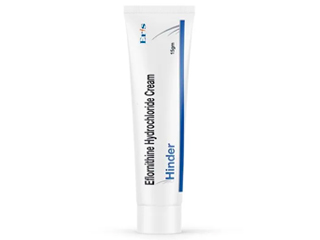
Vaniqa is a prescription skin medicine used to reduce unwanted facial hair in certain women. This page provides clear, patient-friendly information about how it works, how to use it, what to expect, and important safety and interaction considerations for use in Australia.
Quick Overview
- Medicine name: Vaniqa
- Active ingredient: Eflornithine
- Form: Cream for topical use
- Common use: Reduction of unwanted facial hair (hirsutism) in women
- Typical timeframe to notice results: Often 4–8 weeks; maximum benefit may take longer
Basic Product Information
| Feature | Information |
|---|---|
| Active ingredient | Eflornithine (usually as a topical cream) |
| How it’s used | Applied to the affected facial skin area |
| Typical frequency | Often twice daily (morning and evening), with consistent use |
| When to expect change | Hair growth reduction usually becomes evident after several weeks |
| Where used | Unwanted facial hair in women (hirsutism) per product guidance |
What Vaniqa Is Used For (Indications)
Vaniqa is used to help reduce unwanted coarse facial hair in women with persistent facial hair that causes distress. It works by slowing the rate of facial hair growth rather than removing hair immediately.
It is intended for facial use only. Avoid use on areas not specified by your prescriber or the product label, and do not use on broken, irritated, or infected skin.
How It Works (Mechanism of Action)
Eflornithine slows hair growth by interfering with a key pathway involved in the production of hair shaft growth. Specifically, it inhibits enzymes in the polyamine synthesis pathway, which are important for cell growth in hair follicles.
In practical terms, Vaniqa helps reduce how quickly new hair grows, leading to finer, less frequent regrowth over time. It does not remove existing hair on contact.
Pharmacokinetics (How the Body Handles It)
Vaniqa is applied to the skin. Because it is topical, systemic absorption (entry into the bloodstream) is generally limited compared with oral medicines.
- Absorption: Small amounts may be absorbed through the skin depending on skin condition, application technique, and extent of area treated.
- Distribution: Any absorbed drug is distributed through the body similarly to other small-molecule medicines.
- Metabolism: As with many medicines, the body breaks down the active ingredient through natural metabolic processes.
- Elimination: The medicine and its breakdown products leave the body primarily through normal excretion pathways.
Individual absorption can vary. Use only the recommended amount and follow the application instructions to help keep exposure as low as possible.
Typical Use and Expectations
Vaniqa is designed for ongoing management. Results typically build gradually with regular use. Common patterns of response include:
- Initial period: You may not see immediate change in day-to-day hair growth.
- After several weeks: Hair may regrow more slowly; hair can appear finer over time.
- Ongoing treatment: Continued use usually helps maintain the benefits.
If you stop using Vaniqa, hair growth usually returns toward baseline over time, since the underlying follicle activity resumes.
How and When to Use Vaniqa (Timing and Application)
For best results, apply Vaniqa consistently as directed. A common regimen is: twice daily (for example, morning and evening).
Step-by-step application
- Clean the area: Wash the facial skin gently and pat dry.
- Apply a thin layer: Use a small amount and spread evenly over the areas with unwanted facial hair.
- Wash hands after use: Unless treating your hands, clean your hands to avoid accidental spread.
- Let it dry: Wait until the cream is absorbed before applying other skin products (unless advised otherwise).
Timing tips
- Be consistent: Use roughly the same times each day.
- Plan for results: Allow at least 4–8 weeks to judge effectiveness; maximum improvement may take longer.
- Hair removal methods: You may combine Vaniqa with cosmetic hair removal (for example, shaving or depilatory creams), but avoid methods that irritate the skin during the first weeks of treatment.
Food Interactions
Because Vaniqa is a topical treatment, food interactions are not generally expected. Still, follow general health advice and avoid changes to diet solely because of Vaniqa use.
Alcohol and Medicine Interactions
Alcohol
No direct interaction between Vaniqa and alcohol is commonly expected with topical use. However, alcohol-containing products can sometimes irritate facial skin. If you notice burning, redness, or increased dryness, reduce exposure or avoid alcohol-containing skincare on treated areas.
Other medicines and skin products
Interactions with other oral medicines are unlikely to be clinically significant due to limited systemic absorption, but interactions with topical products and shared application areas are more relevant.
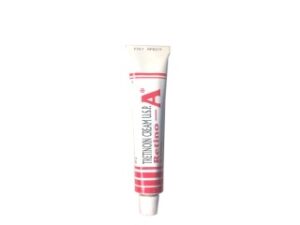
- Other facial creams/actives: Be cautious if you use strong exfoliants (e.g., some acids), retinoids, or medicated creams at the same time.
- Irritation risk: Using multiple active skin products together may increase irritation and reduce comfort.
- Patch testing: If you start a new skincare product, consider introducing it separately and monitor skin response.
If you use other prescribed skin medicines, it’s a good idea to ask a pharmacist how to space applications to minimise irritation.
Safety Profile (Important Warnings and Side Effects)
Like all medicines, Vaniqa can cause side effects. Most are related to the skin where the cream is applied. Many people experience mild irritation early on; however, persistent or severe symptoms should be assessed.
Common side effects
- Skin irritation (burning, stinging, redness)
- Dryness or flaking
- Itching
Less common but important reactions
- Severe skin reactions (marked swelling, intense burning, blistering, rash)
- Signs of infection on treated skin (worsening pain, pus, fever)
When to stop and seek advice
Seek medical or pharmacy advice promptly if you develop severe rash, swelling of the face/eyes, blistering, or symptoms that suggest an allergic reaction.
Special considerations
- Eye and mouth contact: Avoid getting cream in eyes, eyelids, lips, or inside the mouth.
- Broken skin: Do not apply to cuts, open wounds, or skin that is significantly irritated.
- Sunsensitivity: If your skin becomes more sensitive while using Vaniqa, use sun protection (SPF) and moisturiser as tolerated.
- Pregnancy and breastfeeding: This information should be checked with healthcare professionals in line with current guidance for Australia.
Practical Use Tips for Best Results
- Use only on the required areas: Applying more cream than recommended does not necessarily improve results and may increase irritation.
- Thin layer, even coverage: A consistent thin layer helps maintain contact with the skin and hair follicles.
- Maintain gentle skincare: Use mild cleansers and moisturisers to reduce irritation.
- Be patient and consistent: If you stop early, you may not see the full benefit.
- Track progress: Consider taking monthly photos under consistent lighting to monitor changes.
- Combination hair removal: Shaving is usually less irritating than plucking/waxing. If you choose a method, avoid procedures that cause significant redness or trauma.
Dosing (Typical Adult Use)
Dosing should follow the product label and the guidance provided by your healthcare professional. For most patients, the typical topical dosing regimen is:
- Adults (typical): Apply a thin layer to the affected facial hair areas twice daily.
Do not exceed the recommended frequency. If you miss a dose, apply as soon as you remember, then return to your regular schedule (unless the next dose is close; then skip—do not double).
The treating clinician may adjust the duration of therapy based on your response and tolerance.
Alternative Options for Unwanted Facial Hair
Unwanted facial hair has many possible causes. Depending on the underlying reason and your preferences, alternatives to Vaniqa may include:
- Cosmetic hair removal: Shaving, trimming, depilatory creams, threading, or waxing (with caution to avoid irritation)
- Procedural approaches: Laser hair reduction or electrolysis (often more long-lasting, varies by skin/hair type)
- Hormonal or condition-focused treatment: If hirsutism is related to hormonal imbalance, healthcare providers may consider investigations or systemic therapy
- Other topical therapies: Some people use alternative topical approaches, but effectiveness differs from eflornithine
Discuss your situation with a clinician to choose the safest, most effective strategy. Many patients combine Vaniqa with cosmetic removal for ongoing comfort.
Market and Legal Context for Australia
In Australia, access to medicines is regulated to ensure quality, appropriate use, and patient safety. Vaniqa (eflornithine) is supplied according to Australian scheduling rules and is typically available through authorised pharmacies when appropriate.
- Quality standards: Products must meet Australian regulatory requirements for manufacture and supply.
- Professional guidance: Pharmacies may require information about your medical history and other medicines used on your skin or generally.
- Label directions: Always follow the instructions on the product pack and any advice from a pharmacist.
Availability may vary between pharmacies. If you cannot find it locally, your pharmacist may advise on delivery options, ordering from suppliers, or alternative treatments.
Recent Guidance and Ongoing Monitoring
Recommendations for hair reduction treatments can change as new evidence becomes available. In Australia, clinical advice typically focuses on:
- Appropriate patient selection: Using Vaniqa for facial hirsutism in women as indicated.
- Skin tolerance: Monitoring irritation and adjusting routine to reduce side effects.
- Time to benefit: Ensuring patients understand that results develop gradually.
- Safety checks: Reviewing other skin conditions and medications that may affect irritation.
If you’re unsure whether Vaniqa is suitable for your situation, speak with a pharmacist who can help interpret instructions and recommend a suitable skincare routine to support comfort.
Delivery and Availability (Australia)
Online pharmacies in Australia may offer delivery of Vaniqa to eligible metro and regional areas. Delivery timeframes can vary depending on stock availability and your location.
- Stock status: Some pharmacies hold inventory; others may obtain it from suppliers.
- Packaging: Medicines are supplied in manufacturer packaging where possible.
- Cold-chain: Topical creams are generally not temperature-sensitive in the same way as vaccines, but follow the pack storage instructions.
- Privacy: Online ordering typically supports discrete packaging.
Always confirm current availability and estimated delivery times at checkout.
Storage (General Tips)
- Store according to the instructions on the packaging (commonly at room temperature).
- Keep the container tightly closed.
- Keep out of reach of children.
- Check the expiry date and do not use after expiry.
FAQ
How long does it take for Vaniqa to work?
Many people notice reduced regrowth after 4–8 weeks. Maximum benefit may take longer, so consistent use is important. Results vary between individuals.
Will it remove hair permanently?
Vaniqa helps reduce growth. It doesn’t usually remove hair permanently. If treatment is stopped, hair growth often returns gradually.
Can I shave or pluck while using Vaniqa?
Many patients shave between treatments. Avoid practices that significantly irritate the skin, especially in the early weeks. If you notice more redness or burning, consider switching to a gentler method (often shaving or trimming).
What should I do if my face burns or becomes very red?
Mild irritation can happen. If symptoms are persistent, severe, or worsening, stop using the cream and seek pharmacy advice. Do not continue if you suspect an allergic reaction.
Can I apply makeup after using Vaniqa?
Once the cream has absorbed and your skin feels comfortable, you may be able to apply makeup. Choose gentle, non-irritating products and avoid rubbing the treated area. If makeup causes stinging, wait and consider adjusting your routine.
Is Vaniqa safe for sensitive skin?
Some users with sensitive skin may experience irritation. Start carefully with the recommended amount and avoid pairing it immediately with other potentially irritating actives (unless advised). If irritation occurs, speak to a pharmacist about a skin-calming routine.
Does Vaniqa have interactions with tablets or alcohol?
With topical use, significant interactions with oral medicines are not commonly expected. Alcohol is not known to have a direct medicine interaction, but alcohol-containing skincare or facial products may irritate treated skin.
Where exactly should I apply it?
Apply to the affected facial areas as directed. Avoid eyes, eyelids, lips, and inside the mouth. Do not apply to broken or infected skin.
What if I miss a dose?
Apply it when you remember unless it’s close to your next scheduled dose. Do not use extra cream to “catch up.”
What are the signs I should seek urgent help?
Seek urgent medical attention if you experience severe swelling (especially around the eyes/lips), blistering, widespread rash, or symptoms that suggest a serious allergic reaction.
Summary
Vaniqa (eflornithine) is a topical cream used to reduce unwanted facial hair growth in women with appropriate indications. It works gradually by slowing hair follicle activity. For best outcomes, apply a thin layer to the affected areas twice daily, allow several weeks to assess progress, and prioritise skin comfort by avoiding irritating products. If you experience significant irritation or allergic symptoms, stop and seek advice from a pharmacist or healthcare professional.