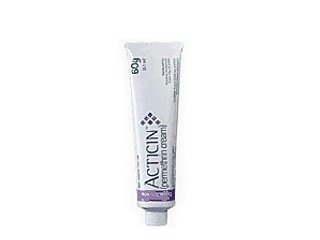
Permethrin (Topical) – Patient Information for Australia
Permethrin is a medicine used to treat certain skin infestations caused by parasites. It works by killing the organisms that cause problems such as scabies and head lice. When used correctly, permethrin can relieve symptoms and reduce the chance of spreading infestation to others.
This page provides comprehensive, easy-to-understand information about how permethrin works, how it’s typically used, important safety tips, and what to expect in terms of timing and effectiveness.
Quick product overview
| Topic | Information |
|---|---|
| Medicine name | Permethrin (topical) |
| Common strengths | Often available as 5% cream (scabies) and 1% lotion/shampoo (head lice) depending on product |
| How it’s used | Applied to skin (scabies) or to hair/scalp (head lice); then washed off after a set time |
| What it treats | Scabies and head lice (depending on product strength) |
| How it works | Disrupts the nervous system of parasites |
| Typical timing | Often applied once and may be repeated after a set interval for scabies; lice regimens commonly include a repeat dose about 7 days later |
| Key safety notes | Avoid eyes, mouth, and large broken skin areas; wash hands after use |
What permethrin is and how it works (mechanism of action)
Permethrin is a synthetic pyrethroid. It works by affecting the parasite’s nerve cells. Specifically, it:
- Alters sodium channel function in the parasite’s nerve membranes
- Causes abnormal nerve firing
- Leads to paralysis and death of the parasite
Because permethrin acts on parasites, it is mainly effective when it directly contacts the organisms (and, for many lice regimens, helps address newly hatched lice after the repeat treatment).
Pharmacokinetics: how the body processes permethrin
When applied to skin or hair, permethrin is generally absorbed only to a small extent. Most of the medicine remains on the surface and is removed when washed off.
- Absorption: Typically low with normal use; may increase slightly if applied to larger areas, broken skin, or under occlusion
- Metabolism: If absorbed, permethrin is broken down into metabolites
- Elimination: Metabolites are removed from the body primarily through the kidneys (urine)
In practice, for most people using topical permethrin correctly, systemic exposure is minimal.
Typical indications (what permethrin is used for)
Permethrin products are commonly used for the following conditions:
- Scabies: Itching and rash caused by the scabies mite (Sarcoptes scabiei)
- Head lice: Infestation of hair/scalp by lice (Pediculus humanus capitis)
Different permethrin formulations and strengths are used for different conditions. Always use the product and strength intended for the specific condition.
Dosing and timing (how to use permethrin correctly)
Dosing depends on whether you are treating scabies or head lice, and on the exact product strength. Follow the directions provided with your specific product.
General dosing principles (apply the right product for the right condition)
- Use only as directed: Overuse does not necessarily improve results and may increase irritation.
- Timing matters: Permethrin products are usually left on for a specified period, then washed off.
- Repeat treatment if advised: Many lice regimens include a repeat dose to address newly hatched lice.
- Treat close contacts for scabies: Scabies often spreads among household members and close contacts.
Scabies (commonly 5% permethrin cream)
Typical scabies regimens involve full-body application to the skin (from the neck down, or as directed), then washing off after a set interval. A repeat application is often recommended because eggs can survive the first treatment.
Important scabies use points:
- Apply to all affected areas as directed, including areas that may be less visibly affected.
- Include children appropriately (including scalp/face when advised by the product instructions for children).
- Repeat after the interval specified in the product instructions or by local clinical guidance.
- Wash bedding and clothing used close to treatment time according to advice.
- Expect itching to last: even after successful treatment, itch can continue for days (sometimes longer) due to the skin’s immune response.
Head lice (commonly 1% permethrin lotion/shampoo)
Head lice treatments typically involve applying permethrin to the hair/scalp, leaving it on for the recommended time, then rinsing out. A second treatment is usually scheduled to break the lice lifecycle.
Important head lice use points:
- Wet hair treatment may be recommended depending on the product
- Use a fine-tooth lice comb to remove dead lice and nits (eggs)
- Repeat treatment after about 7 days is commonly advised for many permethrin-based lice regimens (confirm the exact timing in the specific product instructions)
- Check family/close contacts and treat if infestation is found
Missed dose
If you miss a dose or are unsure about timing, check the instructions specific to your product. For scabies, repeating at the correct interval is important. For head lice, repeat timing is often needed to treat newly hatched lice.
Practical use tips (step-by-step guidance)
These general tips can help improve effectiveness and reduce side effects. Always follow the instructions included with your specific permethrin product.
Before you start
- Read the label and confirm you have the correct strength for your condition (scabies vs head lice).
- Keep the product away from eyes and mucous membranes.
- Wash hands before and after application.
- Use gloves if recommended or if you have sensitive skin.
During application
- Apply evenly: Ensure full coverage of the areas the product instructions specify.
- Do not rinse early: Leave on for the full recommended time.
- Use proper ventilation: If there is an odour, ensure good airflow during use.
- Do not cover with tight dressings unless the product instructions specifically advise it.
After treatment
- Wash off at the recommended time and rinse thoroughly.
- Wash bedding and clothing that may have had close contact around the treatment time (follow local advice and product instructions).
- Continue with environmental cleaning when treating scabies or lice, as reinfestation can occur.
- Monitor symptoms: improvement may take time, especially for itch and irritation.
Food interactions
Permethrin is a topical medicine. It is not taken by mouth and therefore has no direct food interaction for most people using it correctly. Food is unlikely to affect how permethrin works.
If you use topical permethrin on a large area or on broken skin, any systemic absorption is still generally low; however, if you have concerns or experience unusual symptoms, seek medical advice.
Alcohol and medicine interactions
There are typically no clinically significant alcohol interactions expected with topical permethrin because systemic absorption is low.
Similarly, direct interactions with other medicines are not commonly expected for topical permethrin. Still, it’s wise to consider the following:
- Skin sensitivity: If you use other topical products (e.g., steroid creams, antiseptics) on the same areas, ask a pharmacist if they should be combined or spaced apart.
- Other insecticides/pyrethroids: Avoid stacking similar insecticidal treatments unless advised, as this may increase irritation.
- Large or broken skin: If using permethrin over extensive or damaged skin, discuss with a healthcare professional, particularly for children.
Safety profile: who should be cautious?
Permethrin is widely used, but side effects can occur. Most are mild and relate to skin irritation from the treatment.
Common or expected side effects
- Skin irritation (burning, stinging, redness)
- Itching or temporary worsening of itch
- Dryness or mild rash where applied
- Head/scalp discomfort with lice treatments
Seek medical advice urgently if you experience
- Signs of an allergic reaction such as swelling (face/lips), widespread hives, or difficulty breathing
- Severe burning, blistering, or extensive skin damage
- Eye exposure with significant pain, redness, or persistent symptoms
Special populations (general considerations)
- Children: Use age-appropriate formulations and follow label directions carefully. Some scabies regimens have specific guidance for young children.
- Pregnancy and breastfeeding: Many permethrin topical regimens are considered to have low systemic absorption, but it’s important to follow product instructions and seek advice if unsure.
- Asthma or sensitivity to irritants: If you have a history of severe sensitivity to topical products, use caution and ensure good ventilation during application.
Pregnancy, breastfeeding, and infants
Because permethrin is applied to the skin, absorption is generally low. However, infants and pregnant or breastfeeding people should still use permethrin only as directed on the specific product and consider pharmacist guidance if there are concerns.
Practical considerations for effectiveness
Why symptoms may persist after treatment
With scabies in particular, itch can continue even after successful mite elimination. The immune response in the skin may persist for days or longer. This does not always mean treatment failure.
Reinfestation: the most common reason treatment seems to fail
Reinfection can occur if close contacts are not treated (for scabies) or if eggs survive and a repeat lice treatment is not done at the proper interval.
- Scabies: Treat close household/sexual contacts as advised.
- Head lice: Check contacts, use combing, and repeat at the correct time.
- Cleaning: Follow recommended laundering and environmental cleaning steps. Overdoing cleaning is usually unnecessary, but basic measures help reduce spread.
Resistance and product choice
In some settings, resistance of lice to certain treatments has been reported. The effectiveness of permethrin can vary. If infestation persists after correct use, ask a pharmacist about alternative treatments or combination strategies.
Alternative options for scabies and head lice
If permethrin is not suitable or is ineffective after correct use, pharmacies may offer alternative treatments depending on your condition, age group, and local recommendations.
Scabies alternatives (examples)
- Other scabicides available in Australia (choice depends on circumstances and suitability)
- Adjunct symptomatic treatments to manage itching and skin inflammation
Head lice alternatives (examples)
- Other topical insecticide options
- Physical removal approaches such as combing regimens
- Combination strategies (product + combing) where appropriate
A pharmacist can help you choose an alternative based on your product availability, age, severity, and prior treatment history.
Market and legal context for Australia (general)
In Australia, availability and wording on product packs reflect local regulatory categories and labelling requirements. Permethrin products used for skin infestations are commonly supplied through community pharmacies and may be available as pharmacy medicines depending on formulation and strength. Always check the product packaging and consult a pharmacist for advice specific to your needs.
For head lice and scabies, Australian healthcare guidance also emphasises correct use, repeat dosing where necessary, and treatment of close contacts to prevent ongoing transmission.
Recent guidance and practical updates (what to keep in mind)
Guidance for lice and scabies management can evolve as new resistance patterns or product availability changes. Common themes remain consistent:
- Follow the label timing closely (especially repeat dosing intervals)
- Address close contacts (particularly for scabies)
- Use combing for head lice where recommended
- Consider alternatives if infestation persists after correct use
If you are unsure whether your symptoms mean treatment failure or expected post-treatment itch, ask a pharmacist to review your regimen.
Delivery and availability (online pharmacy)
Permethrin topical products are commonly stocked by pharmacies and may be available online for delivery within Australia. Availability can vary by region, strength, and formulation.
- Dispatch times: Many online orders dispatch quickly when in stock; delivery time depends on courier and location.
- Packaging: Products are typically shipped in protective packaging to reduce damage.
- Storage: Store as directed on the pack (commonly at room temperature away from moisture and direct sunlight).
- Check expiry: Confirm the expiry date before use.
If a product is out of stock, a pharmacist may suggest a suitable alternative option.
Safety checklist before you apply
- ✅ Confirm correct condition (scabies vs head lice) and correct strength
- ✅ Confirm recommended leave-on time
- ✅ Check you have planned repeat timing if advised
- ✅ Keep away from eyes, mouth, and broken eyelids/skin
- ✅ Plan laundering/cleaning according to guidance
- ✅ Treat close contacts if required
FAQ – Permethrin (Australia)
1) How long does it take to work?
You may notice reduced parasite activity soon after treatment, but symptoms such as itch can take longer to settle. For scabies, itch may persist for days even after successful treatment. For head lice, you should see fewer live lice after treatment and combing; repeat dosing is usually scheduled to handle newly hatched lice.
2) Can I use permethrin on my face?
It depends on the condition and the product instructions. For scabies, some regimens include treatment of certain areas of the face/head in infants or as directed. Avoid eyes and mucous membranes. If you are unsure, ask a pharmacist for advice based on the exact product.
3) Is permethrin safe for children?
Many permethrin products are used in children when used according to label directions. Because children can be more sensitive to skin irritation and because scabies treatment may require coverage of specific areas, it’s important to follow age and application guidance on the pack. Pharmacist advice can help confirm the correct approach.
4) What if the itching gets worse after treatment?
Worsening itch can occur due to skin inflammation and immune response. This does not automatically mean treatment failure. If symptoms are severe, persist beyond expected time, or you see spreading rash, consult a pharmacist or healthcare professional.
5) Do I need to treat everyone in the household for scabies?
Scabies commonly spreads among close contacts. Australian scabies management generally involves treating close household and sexual contacts as advised. A pharmacist can help you understand who should be treated based on your situation and local guidance.
6) Will permethrin kill lice eggs (nits)?
Permethrin can kill some lice and may affect eggs, but the typical reason for a second treatment is to address newly hatched lice. For head lice, combing helps remove nits and dead lice, and repeat treatment at the correct interval improves overall results.
7) Can I wash my hair or bathe after using permethrin?
You should wash/bathe only at the time specified by the product instructions. Early washing can reduce effectiveness. After the recommended leave-on period, follow the pack directions to rinse.
8) What should I do if it gets in my eyes?
Rinse immediately with water. If you experience persistent pain, redness, or vision changes, seek medical advice urgently.
9) Are there any food or alcohol interactions?
Because permethrin is topical, food interactions are not expected. Alcohol interactions are also not typically anticipated with topical use. If you have unusual symptoms or concerns, seek pharmacist advice.
10) What are signs that I should switch treatment or seek advice?
Consider seeking advice if infestation appears not to improve after correct use, if you suspect reinfestation, or if you experience significant skin reactions (blistering, widespread rash, or signs of allergy).
11) Can I apply permethrin over other creams?
It’s best to avoid layering products on the same skin area unless the label or pharmacist advice confirms it. Using additional creams may change how permethrin spreads or irritate the skin.
12) How do I prevent spreading head lice?
Avoid sharing combs, brushes, towels, and hats. Check household members or close contacts and use combing as recommended. Follow repeat treatment timing to break the lifecycle and reduce spread.
References and further support
For the most accurate directions, always rely on the product packaging for your specific permethrin formulation (strength, treatment duration, and repeat interval). For questions about suitability, contact your pharmacist.