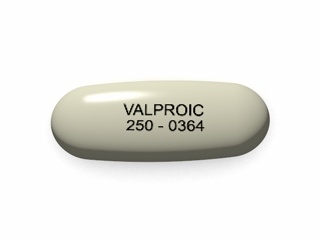
Valproic Acid (Valproate) – Patient Information (Australia)
Valproic Acid is a medicine used to treat certain seizure disorders and mood conditions. It is available in different formulations, and the way you take it (timing, with or without food, and switching between brands or products) can affect how well it works for you. This guide is written to help you understand how Valproic Acid works, how it’s usually taken, and what to watch for to use it safely.
In Australia, Valproic Acid may be available under brand names and in different forms (for example, delayed-release or extended-release products). Always check your specific product label and follow the instructions provided by your treating clinician and pharmacist.
Basic product information
| Category | Details |
|---|---|
| Medicine name | Valproic Acid (also referred to as “valproate” in some contexts) |
| Common uses | Epilepsy/seizure disorders; certain mood disorders; sometimes other neurologic conditions depending on local prescribing practice |
| Available formulations | Immediate-release, delayed-release, and extended-release preparations may be available |
| How it is taken | Oral tablets/capsules/syrup depending on the product |
| Typical dosing schedule | Often once or twice daily, depending on the formulation |
| Key safety topics | Liver health, blood cell changes, pregnancy prevention requirements, and drug–drug interactions |
How Valproic Acid works (mechanism of action)
Valproic Acid helps control abnormal electrical activity in the brain. While the exact mechanisms can be complex, the main actions include:
- Increasing inhibitory signalling: It can enhance the availability or effect of gamma-aminobutyric acid (GABA), a calming neurotransmitter.
- Modifying neuronal signalling: It can affect ion channels and stabilise neuronal membranes.
- Influencing brain “firing” patterns: By reducing excessive or repetitive firing, it can help reduce seizure frequency and severity.
For mood-related uses, Valproic Acid may also help by affecting neurotransmitter systems and neuronal signalling involved in mood regulation.
Pharmacokinetics (how the body handles the medicine)
“Pharmacokinetics” describes what the body does to a medicine—absorption, distribution, metabolism, and elimination.
- Absorption: Valproic Acid is absorbed after oral dosing. The rate and extent of absorption can vary by formulation (immediate vs delayed vs extended-release).
- Peak levels (Tmax): After dosing, blood levels rise to a maximum (peak) at different times depending on the product type.
- Distribution: It distributes widely throughout the body and can cross into the cerebrospinal fluid.
- Protein binding: Valproate binds to blood proteins (mainly albumin). In some conditions (e.g., low albumin, significant drug interactions), the proportion of “free” (active) drug can change.
- Metabolism: Mainly metabolised by the liver through multiple pathways.
- Elimination: Metabolites are cleared primarily by the kidneys (urine). The overall elimination pattern can be influenced by age and liver function.
Clinicians may monitor blood levels for some patients to confirm adequate exposure, particularly when switching formulations, adding interacting medicines, or if side effects occur.
Typical use and indications
Valproic Acid is commonly used for:
- Epilepsy / seizure disorders: Treatment of various seizure types (often including generalised seizures and some mixed seizure disorders), depending on the individual situation and product availability.
- Mood disorders: In some people, it may be used for conditions such as bipolar disorder (for example, for relapse prevention or acute control, depending on clinical judgement).
- Other neurologic uses: In some settings, clinicians may use valproate for specific neurologic conditions. The most appropriate use depends on local guidance, diagnosis, and individual risk factors.
Your treating clinician can explain the exact reason you are taking Valproic Acid and the expected benefits for your condition.
When to take Valproic Acid (timing and routine)
Taking Valproic Acid at the same times each day helps keep blood levels steadier, which can reduce breakthrough seizures or mood destabilisation.
- Follow your schedule: If your dose is “twice daily,” try to take it about 12 hours apart (e.g., morning and evening).
- Keep consistency with meals: Many people take it with food to reduce stomach upset. If your product instructions suggest taking with food, follow that advice.
- Do not switch formulations without advice: Different release types (immediate vs delayed vs extended) may not be interchangeable at the same dose.
- What if you miss a dose? Take it when you remember unless it is close to the next dose. Do not double the dose to “catch up.” If you’re unsure, ask your pharmacist.
- Stopping suddenly: Abrupt discontinuation can increase risk of seizures returning or worsening. Talk to a clinician before stopping or changing the dose.
Food interactions (with or without meals)
Food can affect how quickly Valproic Acid is absorbed, but it usually does not drastically change total absorption. Many people find it easier on the stomach when taken with food.
- General tip: If your stomach feels unsettled, consider taking it with a meal or snack (unless your product instructions specify otherwise).
- Consistency matters: Try not to constantly change between taking it on an empty stomach and with food, particularly when using extended-release products.
- Check product label: Specific formulations may have different instructions.
Alcohol and medicine interactions
Valproic Acid can affect the brain and liver. Using alcohol may increase side effects such as dizziness, drowsiness, poor coordination, and can stress the liver.
- Avoid or limit alcohol: If you drink alcohol, discuss a safe amount with your pharmacist or clinician.
- Be cautious with sedation: Alcohol combined with Valproic Acid may increase sedation and risk of accidents (e.g., falls, impaired driving).
Important medicine interaction categories
- Other anti-seizure medicines: Some can alter valproate levels and vice versa (for example, carbamazepine, lamotrigine, phenytoin, phenobarbital, topiramate). Effects may be complex and require careful monitoring.
- Medicines affecting the liver: Because valproate is metabolised in the liver, additional medicines that stress the liver may increase risk.
- Warfarin and blood thinners: Valproate can affect coagulation-related medicines. Monitoring may be needed.
- Aspirin at certain doses: High-dose aspirin can influence valproate binding and increase free valproate levels in some cases.
- Certain antibiotics and antivirals: Some medicines can influence metabolism or liver enzymes, potentially changing valproate exposure.
- Medicines for mood and sleep: Combining with other sedating or psychoactive drugs may increase dizziness, drowsiness, or impaired thinking.
To help avoid interactions, tell your pharmacist about all medicines you take—prescription and non-prescription, including herbal supplements and vitamins.
Dose guidance (how dosing is typically determined)
Valproic Acid dosing is individualised based on your diagnosis, age, formulation, liver function, other medicines, and response to treatment.
- Starting dose: Often begins at a lower dose and increases gradually to improve tolerability and reach an effective dose.
- Maintenance dose: Dose is adjusted based on symptom control and, when needed, blood level monitoring.
- Release type: Doses for immediate vs extended-release products may differ. Follow your product-specific instructions.
Common practical approach: your clinician may increase the dose in steps over days to weeks. If side effects appear, the dose may be slowed or adjusted.
Example timing formats (not a substitute for your prescription instructions):
- Twice daily: morning and evening for some formulations.
- Once daily: possible with certain extended-release products.
Always use the dose and schedule written on your medication label. If you have concerns about dose strength or frequency, consult your pharmacist before changing how you take it.
Safety profile: key risks and when to seek help
Like all medicines, Valproic Acid can cause side effects. Many are mild and improve over time, but some can be serious. The most important risks include liver problems and certain blood-related changes.
Common side effects
- Nausea, stomach discomfort, indigestion
- Drowsiness, fatigue, dizziness
- Tremor or unsteadiness
- Headache
- Weight gain (for some people)
- Hair changes (e.g., hair thinning)
Serious side effects (seek urgent medical advice)
- Signs of liver problems: unusual tiredness, weakness, loss of appetite, vomiting, abdominal pain (especially upper right side), yellowing of eyes/skin (jaundice), dark urine, or severe nausea.
- Signs of blood disorders: unusual bruising or bleeding, persistent sore throat with fever, or infections that occur more easily.
- Severe allergic reactions: facial swelling, difficulty breathing, widespread rash or blistering skin.
- Significant worsening of confusion or alertness: especially if accompanied by vomiting or worsening drowsiness.
Pregnancy and family planning (very important)
Valproate products are associated with a higher risk of serious birth defects and developmental problems when taken during pregnancy. Because of this, strict risk minimisation measures apply in many settings.
- If you can become pregnant: discuss contraception and pregnancy planning with your clinician well in advance.
- Do not stop suddenly: stopping abruptly can worsen seizures, which can also harm you and a pregnancy.
- Seek urgent advice if pregnancy occurs: contact your clinician promptly for guidance.
Your pharmacist can help you understand the specific precautions relevant to your situation, including any local program requirements and documentation.
Practical use tips
- Use a daily routine: pair your dose with a consistent activity (e.g., breakfast and dinner) and set reminders if helpful.
- Check your formulation: confirm whether your product is immediate-, delayed-, or extended-release, and keep the same product unless advised otherwise.
- Avoid abrupt changes: if switching between brands or generics, consult your pharmacist about whether a dose adjustment or closer monitoring is needed.
- Keep track of side effects: if symptoms occur (drowsiness, nausea, tremor), note the timing relative to dose so your pharmacist can advise.
- Attend monitoring appointments: clinicians may request blood tests (for liver function and blood counts) and, for some patients, valproate levels.
- Safety precautions: until you know how it affects you, be cautious with driving, machinery, heights, or activities requiring alertness.
Alcohol, driving, and lifestyle considerations
Valproic Acid can cause dizziness or drowsiness in some people. Combined with alcohol or other sedating medicines, these effects may be more pronounced.
- Avoid alcohol when possible, or follow clinician guidance for safe limits.
- If you feel sleepy or dizzy, avoid driving and dangerous activities.
- Maintain good hydration and regular meals if nausea occurs.
Alternative options (discuss with your clinician)
Depending on why you’re taking Valproic Acid, there are alternative medicines and non-medicine strategies. The best option depends on your diagnosis, seizure type (if relevant), and your personal risk factors.
Anti-seizure alternatives (examples)
- Levetiracetam
- Lamotrigine
- Carbamazepine
- Oxcarbazepine
- Topiramate
- Clobazam or other benzodiazepine-based options (short-term or specific cases)
Mood disorder alternatives (examples)
- Lithium (when appropriate)
- Some atypical antipsychotics used as mood stabilisers (depending on the case)
- Other mood-stabilising agents, where clinically indicated
Do not switch or taper without medical guidance. Alternatives may require different dosing and careful transitions.
Market and legal context for Valproic Acid in Australia
In Australia, medicines are regulated under the Australian regulatory framework, including requirements related to safety, labelling, and supply. Valproate products may carry specific warnings and risk minimisation measures due to pregnancy-related risks.
Pharmacists and clinicians are expected to follow current Australian safety advice, including counselling and documentation requirements where applicable. Supply practices may vary depending on patient category and local protocols.
If you’re unsure about whether special precautions apply to you, speak with your pharmacist—they can provide information based on your specific product and situation.
Recent guidance and safety updates (high-level)
Over recent years, safety guidance in many countries—including Australia—has emphasised:
- Stricter risk minimisation around pregnancy: improved counselling, contraception planning, and avoidance strategies when possible.
- More attention to formulation switching: ensuring patients remain on the intended release type and dose.
- Greater awareness of liver and blood monitoring: especially early in treatment and when symptoms suggest adverse effects.
- Careful review of interacting medicines: particularly other anti-seizure medicines and drugs affecting sedation or the liver.
For the latest and most specific recommendations, your healthcare provider can guide you according to current Australian resources.
Delivery and availability in Australia
Valproic Acid may be available through pharmacies and authorised online pharmacy services across Australia depending on local supply and product availability. Availability can vary by:
- Brand and strength
- Immediate vs delayed vs extended-release formulation
- Pack size and availability from wholesalers
When ordering online, delivery timelines depend on your location and the processing time required before dispatch. You will typically receive tracking details when available. If a product is temporarily out of stock, the pharmacy may offer a suitable alternative formulation or advise you on options.
Tip: If you have been stable on a particular formulation, mention this when ordering so the pharmacy can supply the correct product type.
FAQ – Frequently asked questions
1) Can I take Valproic Acid with food?
Many people tolerate Valproic Acid better when taken with food or a snack. Follow the instructions on your product label. If your formulation is extended-release or delayed-release, it’s important to take it exactly as directed to maintain the intended release pattern.
2) What happens if I miss a dose?
Take the missed dose when you remember unless it is near the time of your next dose. Do not double up. If you’re unsure, contact your pharmacist for personalised guidance based on your dosing schedule.
3) Is Valproic Acid the same as other valproate medicines?
Valproic Acid refers to the drug substance. Some products may use different salts or brand formats. Even if the active ingredient is effectively “valproate,” formulations can differ and are not always interchangeable. Always confirm the exact product on your label.
4) Can I drink alcohol while taking it?
Alcohol may worsen side effects such as dizziness and drowsiness and can stress the liver. It’s best to avoid or limit alcohol. Ask your pharmacist for advice based on your health conditions and other medications.
5) Does Valproic Acid interact with my other anti-seizure medicines?
Yes. Interactions can change valproate levels and the levels of other medicines. Do not add or stop any anti-seizure medicine without clinician advice. Blood monitoring may be needed when changes occur.
6) How long does it take to work?
For seizure control, some people notice improvement quickly, while others take longer—often weeks—especially when doses are being adjusted. Mood-related benefits may also develop over time. If symptoms worsen, seek advice promptly rather than adjusting the dose yourself.
7) Will I need blood tests?
Many patients require periodic monitoring of liver function and blood counts, particularly early in treatment or if symptoms suggest side effects. Some patients may also need blood level monitoring to ensure the dose is appropriate.
8) Is Valproic Acid safe in pregnancy?
Valproate medicines are associated with significant risks to the unborn baby. If pregnancy is possible, discuss contraception and planning urgently with your clinician. If you become pregnant, contact your healthcare team promptly for guidance.
9) What should I do if I feel very sleepy or confused?
Drowsiness can happen, but significant confusion or marked worsening sleepiness should be treated seriously. Contact a healthcare professional promptly or seek urgent help, especially if symptoms are severe or worsening.
10) Can I stop Valproic Acid suddenly?
Do not stop suddenly unless a clinician instructs you. Stopping abruptly can increase seizure risk and may destabilise mood for some people.
Need help choosing the right product or understanding your label?
If you’re unsure about your formulation (immediate vs delayed vs extended-release), your dosing schedule, or how to take it with food, speak with your pharmacist. They can explain how to use your specific Valproic Acid product safely and help you identify potential interactions based on your current medicines.