
Valparin (Valproic Acid)
Valparin is a brand of valproic acid, a well-established medicine used for certain seizure disorders and some other neurological or mood-related conditions. This page explains how it works, what it’s used for, how it’s typically taken, key safety considerations, and how to manage everyday interactions (including with alcohol and other medicines).
If you’re newly starting or returning to Valparin, it’s normal to feel uncertain. The information below is designed to be patient-friendly and practical. Always follow the instructions provided by your treating clinician and the medicine label.
Basic product information
| Category | Details |
|---|---|
| Medicine | Valparin (valproic acid) |
| Medicinal ingredient | Valproic acid (often available in delayed-release forms such as divalproex sodium depending on product/brand) |
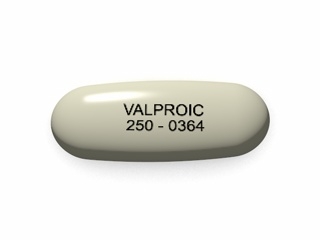
| Common forms | Tablets and/or capsules (formulation varies by local availability); some are designed for delayed release |
| What it’s for | Seizures/epilepsy; other specified conditions per local guidance and prescriber instructions |
| How it’s taken | Usually by mouth, once or multiple times daily depending on formulation |
How Valparin works (mechanism of action)
Valproic acid helps stabilise electrical activity in the brain. While the exact mechanism is complex, several actions contribute:
- Increases the availability of GABA (gamma-aminobutyric acid), a natural calming neurotransmitter, by affecting its breakdown and related pathways.
- Modulates neuronal signalling by influencing sodium channels and other processes involved in seizure generation.
- Reduces abnormal firing patterns that contribute to seizures and, in some cases, mood-related symptoms.
Over time, the dose is adjusted to achieve seizure control or the intended therapeutic effect while minimising side effects.
Pharmacokinetics (how the body handles it)
“Pharmacokinetics” describes absorption, distribution, metabolism, and elimination. Understanding these helps explain why timing matters and why interactions can occur.
- Absorption: Valproic acid is absorbed after oral dosing. Absorption and peak levels may differ depending on whether you’re taking delayed-release formulations.
- Distribution: It binds to plasma proteins (especially albumin). When albumin levels are low or other highly protein-bound medicines are used, the free (active) drug fraction may change.
- Metabolism: It is mainly metabolised in the liver through multiple pathways.
- Elimination: Metabolites are eliminated primarily via the kidneys.
- Half-life: Valproic acid’s duration in the body can vary. Delayed-release forms often smooth out blood levels, which can support more consistent dosing.
Because liver metabolism is important, liver function is a key safety consideration—particularly early in treatment and if doses are increased.
Typical uses and indications in Australia
Valparin (valproic acid) is used for specific medical conditions. The exact indication depends on the formulation, patient characteristics, and current Australian product information and clinical guidance.
Common indications include:
- Epilepsy and seizure disorders (for example, some types of focal seizures and generalised seizure types, depending on patient factors and clinician assessment).
- Prevention/treatment of certain neurological conditions where valproic acid is considered appropriate under local guidelines.
- Other conditions where valproate has evidence and is used selectively when benefits outweigh risks (your clinician will advise based on the latest guidance).
In Australia, valproate is subject to strict risk–benefit evaluation because of important safety concerns, particularly in people who are pregnant or could become pregnant. Guidance may restrict use in certain groups unless specific conditions are met.
Timing and how to take Valparin
Regular dosing helps maintain steady drug levels. Your schedule depends on the formulation and your prescribed regimen.
When to take it
- Follow your dosing schedule closely. Take each dose at similar times each day.
- Delayed-release products: These are designed to release more slowly. Do not crush or alter tablets/capsules unless the product information specifically allows it.
- Missed dose: If you miss a dose, take it when you remember unless it’s close to your next dose. Avoid doubling up.
- Don’t stop suddenly: Abrupt changes can increase the risk of seizures. If you need to stop, your clinician will advise a safe plan.
How long until it starts working?
Some effects may be noticed relatively early (especially seizure control), but stable therapeutic benefit can take time as doses are adjusted and blood levels settle. For certain conditions, improvements may take weeks.
Practical tip: Use a medication routine (e.g., linking doses to breakfast and evening routine) and consider a pill organiser or reminders.
Food interactions
Valproic acid can generally be taken with or without food. However, food may affect absorption rate for some formulations.
- Consistency matters: If you’ve been taking Valparin with meals, try to keep doing so.
- Gastrointestinal side effects: Some people experience nausea, indigestion, or stomach discomfort. Taking doses with food may help.
- Avoid sudden formulation changes: Switching between different brands or release types can influence blood levels.
If you notice worsening symptoms after diet changes (or when switching between empty stomach vs. with meals), discuss it with your clinician.
Alcohol and medicine interactions
Alcohol
Alcohol can increase side effects such as drowsiness, dizziness, and impaired coordination. It may also affect seizure threshold in some people and can add strain to the liver.
Recommendation: It’s generally best to avoid alcohol unless your treating clinician approves otherwise.
Other medicines that may interact
Valproic acid has multiple potential interactions. Important ones include:
- Liver-affecting medicines: Medicines that also affect the liver may increase risk of liver-related adverse effects.
- Other anti-seizure medicines: Some can alter valproate levels and vice versa. Your clinician may monitor blood tests and symptoms during any changes.
- Medicines that are highly protein-bound: Because valproate binds to albumin, interactions may change free drug levels.
- Carbapenem antibiotics (e.g., imipenem/cilastatin, meropenem): may significantly reduce valproate levels in certain situations. This can lead to loss of seizure control and may require urgent review.
- Warfarin and other anticoagulants: Valproate can affect coagulation parameters and bleeding risk in some cases; monitoring may be needed.
- Other central nervous system depressants (some sedatives, opioids, antihistamines): can increase sedation and falls risk.
Always tell your pharmacist or clinician about all medicines you take, including non-prescription products, herbal remedies, and supplements. If you start or stop any medicine, ask whether valproate levels or side-effect risk may change.
Dosing (general information)
Dosing of Valparin varies widely depending on the indication, formulation, age, other medicines, and how well you respond. Your clinician will determine the appropriate regimen and may adjust gradually.
Initial dosing and adjustments
- Start low and increase carefully: Many regimens begin with a lower dose and increase stepwise to minimise side effects.
- Blood level monitoring may be used: Some patients benefit from measuring valproate levels and monitoring liver function and blood counts.
- Check for interactions: Dose needs may change if you add or remove interacting medicines.
Typical dosing frequency
Frequency depends on the specific product:
- Some regimens are once daily (commonly with certain delayed-release formulations).
- Others are divided doses two or more times daily to maintain steadier levels.
Important: Do not use dosing suggestions from other sources (or from family/friends). Your dose must match your specific prescription and product form.
If you want, you can compare your label directions against this guidance:
- Confirm the formulation (delayed/extended release vs immediate release).
- Confirm whether it’s once vs split dosing.
- Confirm the dose strength and how many tablets/capsules per dose.
Safety profile and monitoring
Like all medicines, Valparin can cause side effects. Many are manageable, but some are serious and require prompt medical attention.
Common side effects
- Nausea, indigestion, or abdominal discomfort
- Drowsiness or fatigue
- Tremor or headache
- Weight changes
- Hair changes (including hair thinning) in some individuals
- Changes in appetite
Serious risks (seek urgent help if these occur)
If you experience any of the following, contact urgent care or a medical professional promptly:
- Signs of liver problems: unusual tiredness, loss of appetite, vomiting, abdominal pain (especially right upper abdomen), dark urine, or yellowing of the eyes/skin.
- Signs of blood disorders: easy bruising or bleeding, unusual weakness, infections that are frequent or severe, or persistent sore throat/fever.
- Severe drowsiness/confusion or worsening coordination (especially soon after dose changes or addition of interacting medicines).
- Severe allergic reactions: swelling of face/lips, difficulty breathing, rash with severe symptoms.
Pregnancy and reproductive health (high priority)
Valproate exposure during pregnancy is associated with significant risks to the developing baby, including increased risk of congenital malformations and neurodevelopmental outcomes. For this reason, many jurisdictions—including Australia—apply strict risk minimisation steps.
- People who are pregnant or could become pregnant should discuss urgent options with their clinician.
- Effective contraception is commonly required if valproate is used in people who could become pregnant.
- Do not stop abruptly because sudden changes can worsen seizures; discuss any changes urgently with your clinician.
- Special review: Clinicians may consider alternative medicines where appropriate.
The safest approach depends on your medical history, seizure type, and current stability—this is why regular review is essential.
Monitoring tests
Your clinician may recommend blood tests such as:
- Liver function tests
- Full blood count
- Valproate levels (in some situations, e.g., changes in dose, interacting medicines, side effects, or pregnancy-related reviews)
Practical tips for using Valparin safely
- Keep a medication routine: take at the same times daily; use reminders if needed.
- Use a medication list: include all prescriptions, non-prescription medicines, and supplements; update it at every appointment.
- Avoid alcohol unless your clinician approves.
- Be cautious with driving and machinery if you feel drowsy, dizzy, or less alert.
- Don’t change brands or formulations without advice: different products may not be directly equivalent.
- Plan for sickness: if you have vomiting/diarrhoea, ask how to handle doses and whether you need extra guidance.
- Know the warning signs: have a plan for what to do if you develop symptoms of liver issues or unusual bruising.
Alternative options
Alternatives depend on the condition being treated (and the type of seizures or symptom pattern). If Valparin isn’t suitable due to side effects, pregnancy-related risk, interactions, or insufficient control, clinicians may consider other options such as:
- Other anti-seizure medicines (examples include levetiracetam, lamotrigine, carbamazepine, oxcarbazepine, topiramate, and others—choice depends on seizure type and patient factors).
- Adjunct or non-pharmacological approaches where appropriate (for example, specialist review for seizure triggers, lifestyle adjustments, and in selected cases advanced therapies).
If you’re considering switching, it should be done under medical supervision to avoid breakthrough seizures or withdrawal effects.
Market and legal context for Australia
In Australia, medicines containing valproic acid are regulated and supplied under pharmaceutical and medicines scheduling requirements. Due to its risk profile, particularly related to pregnancy and potential serious adverse effects, prescribers and pharmacists follow current product information and prescribing standards.
Australia also uses risk minimisation approaches to support safer use, including clinician review and patient counselling. If you’re part of a group with special risk (for example, people who are pregnant or could become pregnant), you may be asked to complete additional safety steps and monitoring.
For the most accurate requirements relevant to your situation, your clinician or pharmacist can explain what applies in your case today.
Recent guidance (what to expect in modern care)
Recent clinical and medicines-safety guidance globally and within Australia has increasingly emphasised:
- Careful patient selection and structured risk–benefit assessment.
- Additional precautions for pregnancy potential, including contraception and early specialist review where relevant.
- Monitoring plans (liver function, blood counts, and/or blood levels when appropriate).
- Avoiding problematic drug interactions, especially with certain antibiotics and other interacting medicines.
Your care team may periodically review your treatment plan to confirm that Valparin remains the best option for you at that time.
Delivery and availability (Australia)
Valparin availability can vary depending on your location, formulation (e.g., delayed-release vs other forms), and stock levels. Most online pharmacy services in Australia coordinate delivery within standard timeframes.
- In-stock items: are typically dispatched quickly.
- Low-stock/backorder situations: may require confirmation of lead time.
- Packaging: medicines are supplied in original manufacturer packaging where possible.
Delivery times depend on courier services and local demand. If you need your medicine urgently, check estimated dispatch times at checkout and contact customer support for stock confirmation.
FAQ
1) Is Valparin the same as valproic acid?
Yes. Valparin is a brand name; the active medicinal ingredient is valproic acid (with formulation details varying by product).
2) Can I take Valparin with food?
Generally, yes. Many people find it easier on the stomach when taken with food. The key is to be consistent with how you take it unless your clinician advises otherwise.
3) What if I forget a dose?
If you remember soon after the missed dose, take it if it’s not close to the next dose. Otherwise, skip the missed dose and continue your regular schedule. Do not take a double dose.
4) Can I drink alcohol while on Valparin?
Alcohol can increase drowsiness and may worsen seizure control and liver risk. It’s usually best to avoid alcohol unless your clinician specifically says it’s safe for you.
5) What side effects are most common?
Common side effects include nausea, stomach discomfort, fatigue or sleepiness, tremor, and headache. Some people also experience weight changes or hair changes.
6) When should I seek urgent medical help?
Seek urgent care for signs of serious problems such as yellowing of the eyes/skin, dark urine, severe abdominal pain, persistent vomiting, unusual bruising/bleeding, severe confusion, or difficulty breathing.
7) How is dosing adjusted?
Doses are commonly adjusted gradually based on response, tolerability, and sometimes blood test results. Never change the dose yourself.
8) Are there important drug interactions I should know about?
Yes. Interactions may occur with other anti-seizure medicines, liver-metabolised drugs, anticoagulants, sedatives, and certain antibiotics (notably some carbapenem antibiotics). Always check with a pharmacist before starting new medicines.
9) Can I drive or operate machinery?
If Valparin makes you drowsy or dizzy, avoid driving and operating machinery. Your safety and local road rules should guide you, and you should talk to your clinician if symptoms persist.
10) What are the key pregnancy-related concerns?
Valproate exposure in pregnancy can be harmful to the developing baby. If pregnancy is possible, discuss treatment options urgently with your clinician, including contraception and risk minimisation steps. Do not stop suddenly without urgent medical advice.
Disclaimer: This information is intended to support patient understanding and does not replace personalised medical advice. If you have questions about whether Valparin is suitable for you, how to take it, or how it may interact with your current medicines, speak with your pharmacist or treating clinician.