V-gel (Metronidazole Gel) — Patient-Friendly Guide for Australian Customers
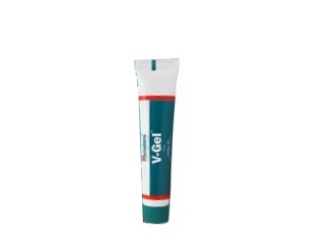
V-gel is a vaginal gel used to treat bacterial infections and related symptoms affecting vaginal health. It is designed to deliver the active medicine directly where it’s needed, helping relieve symptoms such as irritation and abnormal discharge. This page explains how V-gel works, when it’s used, how to take it safely, and what to expect.
Important: Always read the product label and follow the directions provided by your pharmacist or healthcare professional. If you are unsure whether V-gel is suitable for you, seek advice.
Basic Product Information
- Medicine name: V-gel
- Active ingredient: Commonly contains metronidazole (check your specific pack for the exact strength/brand details)
- Dosage form: Vaginal gel
- How it’s used: Inserted into the vagina using the applicator provided (or as directed)
- Typical packaging: Single-use or multi-dose packs depending on brand/strength
- Manufacturer/brand: May vary by supplier—please confirm on your box
Who it’s for: People with vaginal symptoms due to bacterial overgrowth—particularly bacterial vaginosis (BV)—as advised by a clinician or pharmacist.
What is V-gel Used For?
V-gel is primarily used to treat bacterial vaginosis (BV), which occurs when the natural balance of bacteria in the vagina changes. BV is commonly associated with:
- Thin or watery vaginal discharge
- Unpleasant or “fishy” odour (often more noticeable after sex)
- Vaginal discomfort, mild irritation, or itching (severity varies)
V-gel may also be used in some situations where anaerobic bacteria contribute to vaginal symptoms, but your pack directions and local clinical guidance should be followed.
How V-gel Works (Mechanism of Action)
V-gel contains metronidazole, which is an antibiotic/antiprotozoal medicine. It works mainly against anaerobic bacteria and certain germs associated with vaginal infections.
Mechanism (simple explanation):
- Metronidazole is taken up by target microorganisms.
- Inside the germs, it is converted into active compounds.
- These active forms damage the organisms’ DNA, preventing them from growing and multiplying.
- Over time, the vaginal bacterial balance improves, reducing odour and discharge.
Note: V-gel is not an antifungal, so it will not treat conditions like thrush (candidiasis) caused by yeast.
Pharmacokinetics (How the Medicine Moves in the Body)
Because V-gel is applied to the vagina, most of the medicine’s effects occur locally. However, small amounts may enter the bloodstream.
- Local action: Direct contact with vaginal tissues helps reduce the germs causing BV.
- Systemic absorption: Metronidazole can be absorbed to a limited extent through vaginal tissues.
- Metabolism: Any absorbed medicine is processed (metabolised) by the liver.
- Elimination: Metabolites are removed primarily via the kidneys and urine (details vary by individual).
What this means for you: Local therapy usually leads to lower whole-body exposure compared with oral antibiotics, but interactions can still matter—especially with alcohol (see below).
Typical Use and Treatment Timing
V-gel is typically used as a short course. Your exact dose and number of days depend on the product strength and local directions.
General timing guidance:
- Use it at a time you can rest afterwards (many people prefer evening use).
- Try to insert the gel at approximately the same time each day to maintain consistency.
- Complete the full course even if symptoms improve early.
After using V-gel: Some gel may leak out later. This is common and does not always mean the treatment failed.
Food Interactions
Because V-gel is vaginally applied, food interactions are not usually expected to be significant. The medicine’s absorption mostly occurs locally, and dietary changes typically do not affect effectiveness.
- Oral metronidazole is sometimes affected by certain foods and stomach tolerance, but V-gel’s vaginal route generally reduces these concerns.
- Unless your healthcare professional or product label instructs otherwise, you can usually eat and drink normally.
Always check your specific pack: Different brands and formulations can have different instructions.
Alcohol and Medicine Interactions
Alcohol is the key interaction to consider with metronidazole.
Alcohol interaction
Metronidazole can cause a reaction when alcohol is consumed, leading to unpleasant side effects such as:
- Flushing or feeling hot
- Nausea or vomiting
- Headache
- Stomach cramps
- Dizziness
Practical advice: Avoid alcohol during treatment and for a short period afterwards (follow the specific guidance on your product label or from your pharmacist). If you’re unsure, ask your pharmacist for the recommended “safe period” for your exact product.
Other medicine interactions
Even with vaginal therapy, it’s wise to consider potential drug interactions, especially if you take medicines regularly.
- Warfarin (or other blood thinners): metronidazole can affect clotting in some people. Monitoring may be needed.
- Lithium: metronidazole may change lithium levels—extra monitoring can be required.
- Disulfiram: this combination can cause serious reactions.
- Other medicines: always tell your pharmacist about all current medicines, including herbal supplements and vitamins.
Tip: If you have a long medication list, bring it to your pharmacy visit or keep a written list to confirm interactions.
Indications (When V-gel is Appropriate)
V-gel is generally indicated for:
- Bacterial vaginosis (BV) in adults and adolescents where appropriate based on clinical assessment
- Vaginal symptoms consistent with BV, such as discharge and odour, especially when the cause is bacterial imbalance
Not for:
- Thrush (yeast infections) — these require antifungal treatment
- Vaginal irritation from non-infectious causes (e.g., allergies, soaps, friction), which may not respond to antibiotic treatment
- Sexually transmitted infections (STIs) — BV treatment does not replace STI testing and management
If symptoms are severe, recurrent, or you’re unsure of the cause, testing may be helpful.
Dosing (How Much to Use)
Always follow the dosing instructions on your V-gel pack. Different strengths and brands can differ in dosing frequency and duration.
Typical BV dosing pattern (illustrative):
- Inserted once daily or according to pack directions for a short treatment course (often several days)
- Use the full course
Common insertion approach:
- Wash hands before use.
- Insert the applicator as directed (usually lying down can make this easier).
- Gently deliver the gel and withdraw the applicator carefully.
- Wash the applicator if reusable, or discard if single-use (as per the pack instructions).
If you miss a dose:
- Use it as soon as you remember, unless it is close to the time of your next dose.
- Do not double up.
- If you’re uncertain, ask your pharmacist for advice tailored to your schedule.
Safety Profile (Side Effects and When to Get Help)
Most people tolerate V-gel well. Side effects are usually mild and temporary.
Common or expected side effects
- Mild vaginal irritation or burning
- Temporary changes in discharge
- Unpleasant taste (sometimes reported, due to absorbed medicine)
- Headache or mild nausea in some people
Less common but important reactions
- Allergic reactions (rash, swelling, breathing difficulty)
- Severe or persistent abdominal pain
- Severe dizziness or unusual neurologic symptoms (rare)
Seek urgent medical help if you have
- Signs of a serious allergic reaction
- Severe pelvic pain, fever, or feeling very unwell
- Symptoms suggesting a different condition (e.g., severe pain, bleeding, or suspected STI)
Who should be extra cautious
- If you are pregnant or breastfeeding, discuss suitability with a healthcare professional.
- If you have liver disease or take interacting medicines, seek advice.
- If you experience recurrent symptoms, you may need further assessment.
Practical Use Tips (How to Get the Best Results)
These tips can improve comfort and treatment success:
- Use at night: Many people find evening application reduces leakage and improves comfort.
- Expect some leakage: Wearing a panty liner can help keep you comfortable.
- Avoid vaginal douching: It can worsen bacterial imbalance and spread irritation.
- Use gentle hygiene only: Wash the outside with mild, unscented products.
- Complete the full course: Even if symptoms improve quickly, finishing treatment helps reduce recurrence.
- Consider partner factors: BV isn’t classified as a classic STI, but sexual activity can influence symptoms. If you’re concerned, discuss safe sex and follow-up with a clinician.
Sex during treatment: Some people choose to avoid intercourse or use condoms until the course is finished and symptoms settle. If you use latex condoms, check the product label—vaginal products can sometimes affect the integrity of condoms depending on excipients.
Alternative Options
Depending on your diagnosis, alternatives may include:
- Oral metronidazole (tablet form) — sometimes used in BV.
- Other topical treatments for BV (availability varies by brand and guidance).
- Non-antibiotic support (for some people) such as probiotic approaches—evidence is mixed, and they should not replace appropriate treatment when symptoms are significant.
- Investigation for recurrence: If symptoms return frequently, clinicians may consider additional evaluation for mixed infections (e.g., BV plus thrush).
Why diagnosis matters: Treating thrush with an antibiotic gel won’t resolve yeast symptoms, and vice versa. If you’re unsure, a pharmacist or GP can help decide whether BV treatment is appropriate.
Market and Legal Context for Australia (What to Expect Online)
In Australia, medicines are regulated under the Therapeutic Goods Administration (TGA) framework. Online pharmacies typically need to comply with Australian laws relating to the supply of medicines, including:
- Correct product identification (brand, strength, expiry date, and batch details)
- Safe handling and storage during dispatch and delivery
- Appropriate consumer information, including warnings, dosing directions, and contraindications
- Customer safeguards such as screening for suitability and encouraging appropriate clinical guidance where needed
Availability: Depending on the exact formulation and scheduling status, V-gel may be supplied through licensed pharmacy channels. Packaging and product availability can vary by state and supplier.
Recent guidance: Clinical guidance for BV may evolve as evidence changes. For the most up-to-date advice in Australia, check resources from Australian sexual health or primary healthcare organisations, and consult a GP or pharmacist—especially if symptoms recur or you have complicated medical circumstances.
Delivery and Availability (Australia)
When ordering online in Australia, delivery speed depends on the pharmacy’s dispatch schedule and your location.
- Dispatch: Orders are usually dispatched within 1–2 business days (may vary).
- Delivery options: Standard and express services are commonly available.
- Stock: If the requested product is unavailable, some pharmacies may offer an alternative or notify you.
- Cold chain: Most vaginal gels do not require refrigeration, but always check the storage instructions on the pack.
How to ensure correct delivery:
- Provide a correct delivery address (including unit number if applicable)
- Ensure someone is available if a signature is required
- Check the expiry date on arrival
Frequently Asked Questions (FAQ)
1) What is V-gel exactly?
V-gel is a vaginal gel that contains metronidazole (confirm the exact strength on your pack). It is used to treat bacterial conditions such as bacterial vaginosis (BV).
2) How quickly should I feel better?
Some people notice symptom improvement within a few days. Odour and discharge may improve before everything fully settles. If you don’t feel better after completing the course, or symptoms worsen, speak to a pharmacist or GP.
3) Can I use V-gel if I think I have thrush?
V-gel targets bacteria associated with BV, not yeast. Thrush typically causes thick, white discharge and intense itching. If you’re uncertain, get advice before treating.
4) Can I have sex while using V-gel?
It’s often recommended to avoid intercourse during treatment or to use protection, because discomfort and recurrence can occur. Also, some vaginal products may affect contraceptive or barrier devices—check your pack instructions or ask your pharmacist.
5) Will V-gel affect condoms or diaphragms?
Some vaginal products can reduce the effectiveness of certain barrier methods depending on ingredients. Check the product label for compatibility or ask your pharmacist.
6) Is it safe during pregnancy or breastfeeding?
Many vaginal treatments for BV can be used, but suitability depends on your stage of pregnancy, symptoms, and medical history. Discuss with a healthcare professional for personalised advice.
7) Can I drink alcohol while on V-gel?
It’s best to avoid alcohol during treatment and for the period advised on the product label, because metronidazole can interact with alcohol and cause unpleasant effects.
8) What if my symptoms come back after treatment?
BV can recur. If symptoms return, you may need reassessment to confirm the diagnosis and check for mixed infections or contributing factors. A clinician may recommend a different regimen or additional evaluation.
9) Why does gel leak out after I use it?
Some of the gel may naturally leak as it melts or mixes with vaginal fluid. This is common and does not automatically mean you didn’t get enough medicine.
10) When should I seek medical care urgently?
Seek urgent care if you develop severe pain, fever, abnormal bleeding, signs of an allergic reaction (swelling, rash, breathing difficulty), or you feel seriously unwell.
Summary
V-gel is a vaginal gel containing metronidazole used mainly for bacterial vaginosis and related bacterial imbalance in vaginal health. It works locally to reduce anaerobic bacteria, helping improve discharge and odour. Most people tolerate it well, but you should avoid alcohol during treatment and be aware of potential interactions with other medicines.
If your symptoms are unclear, recurrent, or severe—or if you have concerns about pregnancy, breastfeeding, or medication interactions—talk to a pharmacist or GP to ensure you’re using the right treatment.
| Topic | Key Points |
|---|---|
| Uses | Treatment of BV and symptoms linked to bacterial imbalance |
| How it works | Metronidazole damages bacterial DNA and reduces anaerobic bacteria |
| Timing | Follow pack directions; many people use it at night to improve comfort |
| Food interactions | Usually not significant with vaginal use |
| Alcohol | Avoid during treatment and for the advised period afterwards |
| Side effects | Mild irritation, discharge changes; seek help for severe reactions |
| Alternatives | Oral metronidazole or other BV therapies depending on diagnosis |
Need help deciding? If you’re not sure whether your symptoms fit BV, or you’ve had recurrent infections, a pharmacist can help you understand options and suggest whether you should seek clinical assessment.