

Styplon (for Australians) — Patient Guide
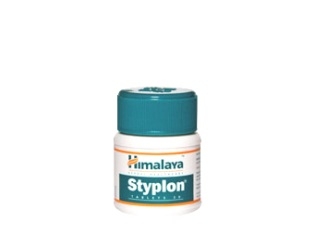
Styplon is a medicine used to help manage diarrhoea by slowing down bowel movement. This can help you feel more comfortable and reduce the frequency and urgency of loose stools. It’s commonly chosen for short-term relief when diarrhoea disrupts daily activities.
This guide explains how Styplon works, typical uses, timing, interactions (including alcohol and other medicines), and practical tips to use it safely. It also includes information relevant to Australia, including availability and general legal/market context.
Key product information
- Brand name: Styplon
- Active ingredient: The exact active ingredient and strength can vary by product presentation. Please check the pack/carton label or ask your online pharmacy to confirm the strength you are purchasing.
- Dosage form: Commonly tablets or capsules (varies by brand presentation)
- Drug class: Anti-diarrhoeal (antimotility) medicine
- Where it may be used: Adult short-term management of diarrhoea associated with non-serious causes (with important exceptions—see “When not to use”)
Always read the product label and follow the directions supplied with your specific Styplon pack.
What is diarrhoea and when is Styplon appropriate?
Diarrhoea typically refers to frequent, loose, or watery bowel movements. It can have many causes, including dietary changes, infections, travel-related issues, medication side effects, and stress.
Styplon may be appropriate for some short-term diarrhoea situations, particularly when loose stools are causing urgency and inconvenience and there are no warning signs suggesting a serious infection or inflammation.
However, it is not suitable for all types of diarrhoea. Some cases require medical assessment and specific treatments.
How Styplon works (mechanism of action)
Styplon works by reducing intestinal motility—that is, it helps slow down the movement of contents through the bowel. This can:
- Increase the time for water absorption in the gut
- Reduce stool frequency
- Decrease urgency and the number of episodes
By slowing bowel movement, Styplon can relieve symptoms. It does not treat the underlying cause of diarrhoea in all situations (for example, infections may still need specific management).
Pharmacokinetics (how the body processes it)
Pharmacokinetics describes how a medicine is absorbed, distributed, metabolised, and eliminated. While exact values can differ by formulation and strength, the general pattern for many anti-diarrhoeal antmotility medicines is:
- Absorption: Typically occurs after oral dosing, with onset often within a short period.
- Distribution: The medicine travels through the bloodstream to reach its sites of action in the gut.
- Metabolism: Metabolised primarily in the liver (exact pathway depends on the active ingredient).
- Excretion: Metabolised products and/or the parent medicine are eliminated via the body’s normal clearance routes (commonly through the kidneys and/or bile).
What this means for you: The symptom relief you feel usually starts within hours of dosing, and the medicine’s effect may wear off as the drug level declines. If symptoms persist beyond the recommended treatment period, you should seek advice from a pharmacist or healthcare professional.
Typical uses and indications
Styplon is generally used for short-term relief of diarrhoea in adults when symptoms are non-severe and there are no red flags.
It may be indicated for:
- Temporary diarrhoea causing urgency and disruption
- Symptom control when diarrhoea is related to less serious causes
Important: Do not use Styplon if your diarrhoea may be due to conditions where slowing bowel movement could be harmful.
When you should not use Styplon (safety red flags)
Choose caution. Do not self-treat with anti-diarrhoeal medicines if you have any of the following:
- Blood in the stool or black/tarry stools
- High fever (for example, fever with chills)
- Severe abdominal pain or significant bloating
- Suspected dysentery or severe infection
- Symptoms of dehydration (very dry mouth, dizziness, minimal urination)
- Diarrhoea lasting longer than a few days or rapidly worsening
- Use in children—suitability depends on age and specific product formulation; ask a pharmacist
If you have any red flags, it’s safer to seek advice promptly rather than using an antimotility medicine alone.
Dosing and timing
Always follow the dosing instructions on the Styplon pack for your specific strength and formulation. The information below is provided as general guidance only and may not match your product label.
Typical adult dosing approach
- Start: Take a dose as directed at the onset of diarrhoea symptoms.
- Repeat: Subsequent doses are usually taken at intervals specified on the label (often after each loose stool, or a set schedule—depending on the active ingredient).
- Maximum daily dose: Do not exceed the maximum dose listed on the packaging.
- Duration: Use only for short-term symptom relief. If symptoms continue beyond the advised duration, stop and get advice.
When to take it during the day
To help manage day-to-day disruption, many people take Styplon early in the course of diarrhoea and time doses around work, travel, or sleep according to the label instructions.
If you miss a dose: Take it when you remember if it’s still within the dosing interval. Do not take extra doses to “catch up.”
How to take Styplon (practical use)
- Swallow whole: If tablets/capsules are intended to be swallowed whole, do so with water.
- Stay hydrated: Even if diarrhoea slows, drink fluids to prevent dehydration.
- Watch symptom changes: If stool changes to blood, black stools, fever appears, or pain worsens, stop using and seek advice.
- Use the shortest time needed: Symptom relief is the goal; persistent diarrhoea needs assessment.
Food interactions and dietary considerations
Food and drink can influence stomach emptying and absorption of many medicines. For Styplon, common patient guidance generally includes:
- Take with or without food: Follow the pack instructions. If the label does not specify, taking it with a small amount of food may reduce stomach discomfort for some people.
- Avoid heavy, fatty meals: These can worsen gastrointestinal upset and may make symptoms harder to manage.
- Focus on bland foods: During diarrhoea, foods such as toast, rice, bananas, and clear soups may be easier to tolerate.
Oral rehydration is key: Consider an electrolyte solution if diarrhoea is significant.
Alcohol interactions
Alcohol can worsen diarrhoea and irritate the gastrointestinal tract. For anti-diarrhoeal medicines, the main concerns are typically:
- Increased gut irritation leading to poorer symptom control
- Dehydration risk, especially if you are already losing fluids
- Increased risk of side effects such as dizziness, drowsiness, or stomach discomfort (depending on the active ingredient and your sensitivity)
Practical recommendation: It’s best to avoid alcohol while you have diarrhoea and while taking Styplon, unless your pharmacist advises otherwise.
Interactions with other medicines
Some medicines may interact with anti-diarrhoeal medicines, mainly by affecting bowel function, liver metabolism, or the likelihood of side effects.
Please tell your pharmacist if you take any of the following (or anything else):
- Other medicines that slow gut movement (increases risk of constipation or ileus)
- Medicines with liver enzyme effects (may change how the medicine is processed)
- Opioid pain medicines (can also slow bowel movement)
- Antibiotics (if diarrhoea is related to an infection, you may need targeted management—don’t rely on antimotility medicine alone)
- Medicines for inflammatory bowel disease or conditions affecting the bowel
Important: If diarrhoea is caused by an infection, using an antimotility medicine alone may delay appropriate treatment. If you’re on regular medicines and diarrhoea is significant, get advice.
Safety profile and side effects
Most people tolerate Styplon well when used as directed. However, like all medicines, it can cause side effects.
Common side effects
- Constipation or reduced bowel movements
- Stomach discomfort, mild nausea, or bloating
- Dizziness (may occur depending on the active ingredient and individual sensitivity)
Less common but serious concerns
Stop and seek prompt medical advice if you experience:
- Severe abdominal pain or worsening distension
- Signs of ileus (persistent bloating, inability to pass gas/stool)
- Allergic reactions (swelling of face/lips, hives, trouble breathing)
- Blood in stool or high fever
- Dehydration or fainting
Special populations
- Pregnancy and breastfeeding: Safety depends on the active ingredient and individual circumstances. Ask a pharmacist for advice.
- Children: Anti-diarrhoeal medicines may not be suitable for children and dosing varies by age/weight. Seek guidance from a pharmacist.
- Older adults: Increased sensitivity to side effects may occur—use the lowest effective dose and seek advice if symptoms persist.
- Liver disease: If you have liver problems, metabolism may be affected. Consult a pharmacist.
Practical tips for managing diarrhoea safely
Styplon can help relieve symptoms, but best outcomes come from combining medicine with good self-care.
1) Rehydration first
- Use oral rehydration solutions if diarrhoea is moderate or frequent.
- Take small, frequent sips if nausea is present.
2) Choose gentle foods
- Try bland options: toast, rice, bananas, applesauce, clear soups.
- Avoid greasy, spicy, or high-sugar foods and drinks.
3) Monitor for improvement
- Symptoms should improve within a short time of starting appropriate treatment.
- If diarrhoea persists, or you develop red flags, seek advice.
4) Reduce spread (if infectious)
- Wash hands thoroughly with soap and water.
- Avoid preparing food for others until better.
Alternative options for diarrhoea
Depending on cause and severity, other approaches may be considered. The “best” option depends on your symptoms and whether there are red flags.
Non-medicine measures
- Oral rehydration solution (electrolytes)
- Diet adjustments (bland foods, avoid irritants)
- Rest and hydration
Other medicine options
- Adsorbents (form a protective effect in the gut for some causes)
- Bismuth-containing products (may help some types of diarrhoea)
- Probiotics (may help shorten some diarrhoea courses)
For severe or persistent diarrhoea, the priority is identifying the cause. If you are unsure, speak with a pharmacist.
Alcohol and medicine interaction checklist
| Question | Why it matters | What to do |
|---|---|---|
| Can I drink alcohol while taking Styplon? | Alcohol can worsen GI upset and dehydration. | It’s usually best to avoid alcohol during diarrhoea and treatment. |
| Do I take other medicines that affect bowel movement? | Some combinations can increase constipation or bowel slowing. | Check with a pharmacist about your full medicine list. |
| Am I taking liver-metabolised medicines? | Metabolism changes could affect medicine levels. | Ask about potential interactions, especially if you take regular medicines. |
| Do I have fever, blood in stool, or severe pain? | Antimotility medicines may be unsafe in these cases. | Stop and seek urgent advice. |
Australia: market and legal context (general information)
In Australia, medicines are regulated under the TGA (Therapeutic Goods Administration). Consumer access depends on whether a product is classified as:
- Listed medicine (usually available from pharmacies and retailers in accordance with classification)
- Pharmacist-only medicine (requires a pharmacist to dispense)
- Prescription medicine (only supplied under appropriate authorisation)
Styplon availability: Where it sits on the classification scale depends on the specific formulation and strength. Many anti-diarrhoeal symptom-control products are available through pharmacy channels. For online orders, reputable Australian online pharmacies typically require age verification and may provide pharmacist consultation for suitability.
Always follow Australian product labelling: The active ingredient, strength, and instructions may differ between similar brands. Check the pack you receive.
Recent guidance and up-to-date safety reminders (Australia-relevant)
While guidance may vary over time and by health authority, common safety themes for diarrhoea treatment in recent years include:
- Prioritising rehydration—electrolytes and fluid replacement are essential, especially in older adults.
- Being cautious with antimotility medicines when infection or inflammatory causes are possible (fever, blood in stool, severe pain).
- Seeking medical advice sooner when diarrhoea is prolonged or accompanied by red flags.
If you’re travelling, have recent antibiotics, or have inflammatory bowel disease, ask a pharmacist for advice on the safest approach for your situation.
Delivery and availability in Australia
Online pharmacies in Australia may offer delivery to eligible areas. Availability can depend on stock levels and classification requirements.
- Dispatch time: Many services dispatch within 1–2 business days (varies by supplier and stock).
- Delivery time: Often 2–5 business days for metro and longer for regional/remote areas.
- Packaging: Medicines are typically packed securely and protected from damage and temperature extremes.
- Cold chain: Not usually required for anti-diarrhoeal tablets/capsules, but check product handling instructions.
Tip: If you need the medicine for travel or upcoming days, order early so delivery arrives before you leave.
FAQ about Styplon
1) What is Styplon used for?
Styplon is used for short-term relief of diarrhoea by reducing bowel movement and improving stool consistency. It helps manage symptoms such as frequency and urgency.
2) How quickly does Styplon work?
Symptom relief often starts within hours after taking a dose, but timing can vary between people and depending on diarrhoea severity and whether you’ve eaten.
3) Can I take Styplon with food?
Follow the instructions on your pack. If no specific guidance is provided, many people tolerate taking it with a small amount of food. If you’re unsure, ask your pharmacist.
4) What if my diarrhoea doesn’t improve?
If diarrhoea persists beyond the short-term period recommended on the pack or you feel worse, stop using Styplon and seek advice. Persistent diarrhoea may require further evaluation or different treatment.
5) Can I take Styplon if I have fever or blood in my stool?
No. Fever, blood in the stool, and severe abdominal pain are warning signs. Antimotility medicines may be unsafe in these cases. Seek medical advice promptly.
6) Is it safe to drink alcohol?
It’s generally best to avoid alcohol when you have diarrhoea and while taking anti-diarrhoeal medicines, because alcohol can worsen symptoms and dehydration risk.
7) Can I take Styplon with antibiotics?
Sometimes antibiotics are used when diarrhoea is caused by specific infections. Do not rely on Styplon alone if infection is suspected. Ask a pharmacist—especially if you recently started antibiotics or your symptoms are significant.
8) What side effects should I watch for?
Common issues include constipation and stomach discomfort. Seek urgent advice if you develop severe abdominal pain, persistent bloating, signs of dehydration, allergic reactions, or blood in stool.
9) How long can I take Styplon?
Only for the short duration specified on your pack. If you still have diarrhoea after that time, seek advice rather than continuing.
10) Are there alternatives if I can’t take Styplon?
Depending on the cause of diarrhoea, alternatives may include oral rehydration solutions, dietary changes, probiotics, or other non-anti-motility approaches. A pharmacist can help you choose the safest option.
Always read the label on your Styplon pack and follow directions exactly. If you have health conditions, take regular medicines, or your diarrhoea is severe or persistent, speak with a pharmacist for tailored advice.