
Tofisopam (Tofisopamum) – Patient-Friendly Guide (Australia)
Tofisopam is a medicine used to help relieve anxiety symptoms. It belongs to a group of medicines often referred to as benzodiazepine-like anxiolytics. People commonly seek Tofisopam for its calming effects, particularly when anxiety is affecting day-to-day comfort, sleep, or physical tension.
This page provides general information about Tofisopam, how it works in the body, typical use, common safety considerations, and practical tips. It is designed to be easy to read and helpful for patients and caregivers in Australia.
1) Basic product information
- Medicine name: Tofisopam
- Medicinal class: An anxiolytic (anxiety-relieving medicine)
- Common strengths (varies by brand/form): Tofisopam tablets (strengths depend on the product)
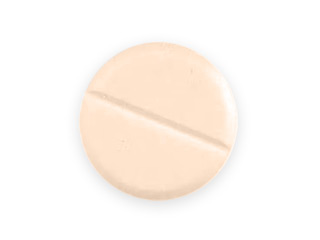
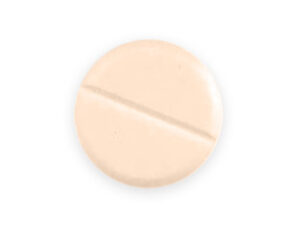
- Typical formulation: Oral tablets
- How it’s taken: By mouth
Brand names and presentations can differ across manufacturers. Always check the pack for the exact strength and directions.
2) How Tofisopam works (mechanism of action)
Tofisopam helps reduce anxiety by affecting the brain’s chemical messengers. Like some other medicines used for anxiety, it is believed to interact with the GABA (gamma-aminobutyric acid) system, which helps regulate neuronal activity. By enhancing the calming effects of GABA (directly or indirectly at relevant receptor sites), Tofisopam can:
- reduce feelings of nervousness and worry
- help ease physical tension related to anxiety
- promote a calmer mental state
Compared with some older sedating anxiolytics, Tofisopam is often chosen for a balance between anxiolysis (anxiety relief) and day-time functioning, though individual responses vary.
3) Pharmacokinetics – what the body does with Tofisopam
Pharmacokinetics describes how the body absorbs, distributes, metabolises, and eliminates a medicine. While specific values can vary by individual and product formulation, the general pattern for Tofisopam includes:
- Absorption: Generally absorbed after oral dosing.
- Distribution: The medicine distributes through body tissues, including the brain.
- Metabolism: Tofisopam is metabolised mainly in the liver. Metabolites may contribute to overall effect.
- Elimination: Excretion occurs through the kidneys (urine) and/or in bile-related pathways.
Because liver metabolism is important, people with liver impairment may need closer monitoring or lower doses. Kidney issues may also require careful assessment.
4) Typical uses and indications
Tofisopam is used to treat anxiety. Depending on the clinical situation, it may be considered for:
- Anxiety symptoms causing distress or impairment
- Short-to-medium term relief of anxiety symptoms
- Situations where anxiety is associated with tension or difficulty settling
It’s important to note that anxiety conditions can be complex. Tofisopam may be used as part of a broader plan that may also include psychological strategies, lifestyle changes, and treatment of contributing factors.
5) How to take Tofisopam – timing and dose planning
The best dose and schedule depend on your age, health history, symptom severity, and how you respond to treatment. Below is general guidance often used to explain dosing patterns.
Typical dosing approach (general information)
Common adult regimens use multiple daily doses, especially early in treatment, because symptom relief may be needed across the day. Many schedules start low and are adjusted gradually based on response and tolerability.
- Start low: Begin at the lowest effective dose.
- Split dosing: Doses may be divided to reduce peak-side effects and maintain steady symptom control.
- Assess response: Follow up to evaluate benefit and any side effects.
Your medication label and healthcare professional instructions take priority over general information. If you are unsure about your schedule, check the pack and speak with a pharmacist.
When to take it
- Morning / daytime dosing: If prescribed for daytime anxiety, taking it earlier in the day may help reduce interference with sleep.
- Evening dosing: If it helps with settling, an evening dose may be used—only if it suits you and your schedule.
- Consistency matters: Try to take doses at similar times each day.
If you miss a dose, generally take it when you remember unless it is close to the next dose. Do not double up to “catch up.”
6) Food interactions and what to expect
Food can influence how quickly some medicines reach their peak effect. For Tofisopam:
- Taking with food: Food may reduce stomach upset for some people.
- Absorption timing: Meals can slightly change the timing of peak levels, but the medicine typically remains effective.
- Practical tip: Take it in a routine you can follow (e.g., with breakfast and/or dinner if that fits your schedule).
Always check your specific product leaflet for exact guidance.
7) Alcohol and other medicine interactions
Alcohol
Combining Tofisopam with alcohol can increase the risk of unwanted effects such as:
- drowsiness or impaired coordination
- slower reaction time
- worsened balance
- increased risk of sedation-related accidents
For safety, it is generally recommended to avoid alcohol while taking Tofisopam, or only drink under direct medical advice.
Other medicines
Certain medicines may interact with Tofisopam and increase sedation or other effects. Seek advice before combining Tofisopam with:
- Other sedatives or medicines that affect the central nervous system
- Opioid pain medicines (e.g., oxycodone, morphine) due to increased sedation and breathing risks
- Sleep medications or antihistamines that cause drowsiness
- Some antidepressants or antipsychotics (interaction can vary by medicine)
- Anticonvulsants (seizure medicines) due to additive effects
Also inform your healthcare professional about any new medicines, supplements, or “over-the-counter” remedies you plan to use. Even common products like cold and allergy medications can contain sedating ingredients.
8) Safety profile – who should be careful
As with all medicines, Tofisopam can cause side effects. Most side effects are mild to moderate and may lessen as your body adjusts. However, it’s important to know what to watch for.
Common or expected side effects
- Drowsiness or feeling tired
- Dizziness
- Fatigue
- Headache
- Nausea or stomach discomfort
- Dry mouth in some people
Less common but important precautions
- Worsening mood, agitation, or unusual behaviour changes
- Falls (especially in older adults or those sensitive to sedation)
- Allergic reaction (rash, swelling, difficulty breathing)
Dependence and stopping suddenly
Medicines in this family can be associated with tolerance and dependence with prolonged use. To reduce the risk of withdrawal symptoms, it’s important that stopping Tofisopam is done carefully, usually by gradual dose reduction if it has been used regularly.
Special populations
- Older adults: Higher sensitivity to sedation and falls; careful dose selection and monitoring are important.
- Liver disease: Because metabolism occurs in the liver, dose and monitoring may need adjustment.
- Breathing problems: If you have chronic lung disease or sleep apnoea, sedation-related breathing risks may be increased.
- Pregnancy and breastfeeding: Discuss risks and benefits with your healthcare professional.
- Children and adolescents: Use should follow specific local guidance and clinician advice.
Driving and machinery
Tofisopam may cause drowsiness or dizziness. Until you know how it affects you, avoid:
- driving
- operating machinery
- activities requiring alert coordination
9) Practical use tips
- Start at the lowest effective dose: This can reduce side effects while still improving anxiety.
- Plan around your day: If you feel sleepy, adjusting the timing (as advised) may help.
- Keep notes: Track symptom relief and side effects (e.g., sleep quality, anxiety level, dizziness).
- Don’t mix with alcohol: Avoid alcohol during treatment.
- Be careful with “sleepy” OTC products: Some cold/flu and allergy medicines can add sedation.
- Stay hydrated and rise slowly: Dizziness can increase fall risk—especially on standing.
- Maintain anxiety coping strategies: Breathing techniques, relaxation, and CBT strategies can improve outcomes.
10) Alternative options for anxiety
Anxiety treatment can involve different approaches depending on the underlying cause, severity, and personal preference. Alternatives may include:
Non-medicine options
- Psychological therapies: CBT (cognitive behavioural therapy) and exposure-based approaches
- Relaxation techniques: breathing exercises, mindfulness, progressive muscle relaxation
- Lifestyle supports: regular sleep, exercise, reducing caffeine, and stress management
Medicine options (examples)
- Other anxiolytics (depending on local availability and suitability)
- Antidepressants used for anxiety conditions (for example, SSRIs/SNRIs) in appropriate cases
- Other sedating medicines may be considered short term, but safety and interaction risks vary
A pharmacist or doctor can help compare options based on your medical history, existing medicines, and how severe your symptoms are.
11) Market and legal context in Australia (high-level)
In Australia, the supply of medicines is regulated by the Therapeutic Goods Administration (TGA) and monitored through state and federal frameworks. Medicines with anxiolytic effects may be subject to specific scheduling and supply conditions depending on their formulation, dose strength, and approvals.
Availability can vary by brand and manufacturer. Online pharmacies operate according to Australian laws and require compliance with safety checks. Always purchase from reputable providers and verify product authenticity and labelling.
Note: Always refer to the product page and any medication guide for the current status, availability, and shipping conditions.
12) Recent guidance and monitoring considerations
In recent years, Australian and global safety messaging has emphasised responsible use of medicines that can cause sedation, including benzodiazepine-like anxiolytics. Common themes include:
- Careful assessment of ongoing need (avoid unnecessary long-term use)
- Minimising risk of dependence through appropriate duration and dosing
- Monitoring for sedation-related harm (falls, impaired driving, cognitive effects)
- Reviewing combinations with opioids and other sedating medicines
- Gradual tapering when discontinuing after regular use
If you have concerns about timing, side effects, or stopping safely, consult a pharmacist for tailored, practical guidance.
13) Delivery, availability, and how to prepare for your order
Online pharmacies in Australia typically offer delivery services designed to be safe and discreet. Availability of Tofisopam may depend on brand/form and current supply.
- Check the product details: Confirm tablet strength, pack size, and storage instructions.
- Shipping times: Delivery estimates vary by location and stock status.
- Temperature protection: Most tablets can be stored at room temperature; avoid heat and moisture.
- Packaging: Medicines are commonly supplied in manufacturer-labelled packaging.
- Plan ahead: Order early if you need treatment continuity.
If an item is temporarily unavailable, a pharmacy may offer alternatives or notify you of expected restock. Availability can change due to regulatory or supply factors.
14) Dosing – important safety notes
Dosing recommendations should be individualised. The information below is provided for education and to help you understand typical dosing concepts, not to replace advice on your specific regimen.
General dosing principles
- Individualised dose: Start low and adjust based on response.
- Use the lowest effective dose: Minimises side effects.
- Regular review: Benefits should be reassessed, particularly if treatment continues.
- Do not abruptly stop after regular use—tapering may be safer.
Who may need lower doses or closer monitoring
- Older adults
- People with liver impairment
- People sensitive to sedation
- People taking other medicines that can cause drowsiness
For exact dosing for your product and situation, always rely on the directions provided with your medicine and/or by a qualified healthcare professional.
15) Summary table – quick facts
| Topic | What to know |
|---|---|
| Primary use | Relief of anxiety symptoms |
| How it works | Modulates the brain’s GABA-related calming system to reduce anxiety |
| Form | Oral tablets (exact strengths vary by brand) |
| Timing | Often taken in divided doses; follow your specific directions |
| Food | Food may affect timing; can help reduce stomach upset |
| Alcohol | Avoid alcohol due to increased sedation and impaired coordination risk |
| Common side effects | Drowsiness, dizziness, fatigue, headache, nausea |
| Key precautions | Driving caution; dependence risk with regular use; avoid abrupt stopping |
| Special care | Older adults, liver impairment, breathing problems, and pregnancy/breastfeeding require extra caution |
16) Frequently Asked Questions (FAQ)
Is Tofisopam the same as other anti-anxiety medicines?
Tofisopam is an anxiolytic with its own profile. People may compare it to other benzodiazepine-like or anti-anxiety options, but they are not always interchangeable. The best choice depends on your symptoms, other medicines you take, and how sedating the option is for you.
How quickly does Tofisopam work?
Many people notice calming effects within the first day or soon after taking it, but the exact timing varies. Some may feel changes after the first dose, while others experience more gradual improvement. If you don’t notice benefit, discuss with a pharmacist or healthcare professional rather than increasing the dose yourself.
Can I take Tofisopam every day?
It may be used for specific periods depending on the treatment plan for anxiety. Long-term daily use should be regularly reviewed to ensure benefits outweigh risks, particularly concerning tolerance and dependence.
What should I do if I forget a dose?
Take it when you remember unless it’s close to your next scheduled dose. Do not take extra doses to make up for the missed one. If you often miss doses, ask your pharmacist to help you set up a routine.
Can I stop Tofisopam suddenly?
Stopping abruptly after regular use can increase the chance of withdrawal symptoms. If you’re considering stopping, ask a pharmacist for safe tapering guidance.
Will Tofisopam make me sleepy?
Drowsiness and dizziness are among the more common effects. Some people feel mild effects and can function normally, while others may need to avoid driving and adjust the timing of doses. Avoid driving or operating machinery until you know how you respond.
Does Tofisopam interact with pain killers or opioids?
Combining sedating anti-anxiety medicines with opioids can increase sedation and may pose breathing risks. Always disclose all medicines to your pharmacist so safety checks can be performed.
Is it safe to drink coffee, energy drinks, or caffeine with Tofisopam?
Caffeine doesn’t typically interact in the same way as alcohol, but it can worsen anxiety symptoms in some people. If caffeine makes your anxiety worse, reducing intake may help.
How should I store Tofisopam tablets?
Follow the storage instructions on the pack. In general, keep tablets in their original packaging, protect from moisture and heat, and store out of reach of children.
Where can I buy Tofisopam in Australia?
Availability depends on the brand, supply, and regulatory status. Purchase from reputable Australian online pharmacies or pharmacies in-person to ensure correct labelling, authenticity, and safe dispensing processes.
17) When to seek urgent help
Get urgent medical help or call emergency services if you experience severe allergic symptoms (swelling of the face/lips, difficulty breathing), severe confusion, fainting, or extreme drowsiness—especially if combined with alcohol or other sedating medicines.
If you develop new or worsening symptoms after starting Tofisopam, contact a healthcare professional promptly for advice.
Disclaimer: This information is intended to support understanding of Tofisopam and is not a substitute for personalised medical advice. Always follow the directions provided with your medicine and consult a pharmacist for questions about your specific situation.