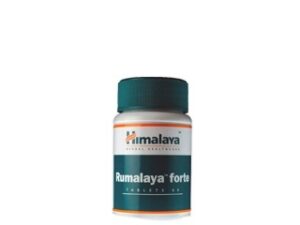
Rumalaya (Australia) – Patient-Friendly Guide
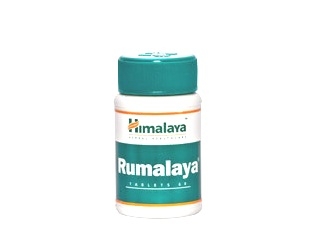
Rumalaya is an oral herbal medicine used by many people in Australia to help relieve pain and stiffness associated with common musculoskeletal conditions. It is widely chosen as a supportive option when you want symptomatic relief as part of your day-to-day routine.
This page explains how Rumalaya works, when to take it, what to expect, and important safety considerations. Always read the consumer medicine information (CMI) provided with your specific product and follow the directions on the label.
Key Product Information
| Category | Oral pain-relief medicine (herbal/supplement type) |
|---|---|
| Common name | Rumalaya |
| Form | Tablets or capsules (check your pack) |
| Typical use | Relieves pain, stiffness and discomfort from musculoskeletal issues |
| How it works | Herbal ingredients may help reduce inflammation and pain signals |
| When to take | Usually after meals or with food (follow label instructions) |
| Availability | May be available via pharmacies and online retailers in Australia (subject to stock) |
How Rumalaya Works (Mechanism of Action)
Rumalaya contains a blend of herbal ingredients. While exact effects can vary by formulation, the overall goal is to help relieve symptoms related to inflammation and pain in joints and soft tissues.
In general, herbal pain-relief products like Rumalaya may:
- Support anti-inflammatory pathways that contribute to swelling, stiffness and aching.
- Reduce pain-related signalling in the body, helping you feel more comfortable.
- Support joint mobility by improving how the area feels during movement.
Many users notice gradual improvement rather than immediate “instant” relief. The best results are typically seen with consistent use as directed on the pack.
Pharmacokinetics (How the Body Processes It)
Pharmacokinetics describes what the body does with a medicine: how it is absorbed, distributed, metabolised and eliminated. For complex herbal formulations, detailed data can be limited compared with single-ingredient pharmaceuticals.
In general terms:
- Absorption: Active herbal components are absorbed through the gastrointestinal tract after oral dosing.
- Distribution: Components may reach tissues involved in discomfort, including joints and surrounding tissues.
- Metabolism: Herbal constituents are metabolised mainly in the liver and other tissues.
- Elimination: Metabolites are cleared through normal bodily pathways (commonly via bile and urine).
Because Rumalaya is a multi-ingredient herbal product, the timing of symptom improvement may differ between individuals. Factors such as diet, other medicines, and overall health can influence how quickly you feel benefits.
Typical Use and Indications
Rumalaya is commonly used to help relieve symptoms of musculoskeletal discomfort, including:
- Joint pain and aches
- Stiffness around joints, particularly with movement
- Arthritis-related discomfort (symptomatic relief)
- General inflammatory pain in the musculoskeletal system
Important: This product is intended for symptom relief and supportive care. If you have severe pain, sudden swelling, fever, or symptoms that worsen rapidly, seek medical advice promptly.
When to Take Rumalaya (Timing Guide)
The most appropriate timing depends on your specific product strength and pack directions. As a general guide for oral herbal pain-relief medicines:
- With or after food: Taking Rumalaya after meals can improve tolerability and may reduce stomach upset.
- Consistent daily use: For ongoing musculoskeletal discomfort, many people take it at similar times each day.
- Allow time for benefits: Some people feel improvement within days; others may need longer. Follow the labelled course and reassess with a clinician if symptoms persist.
If you miss a dose, take it when you remember unless it is close to the next dose. Do not double up to make up for a missed dose.
Dosing (How Much to Take)
Follow the dosage on your Rumalaya pack or the directions provided by your pharmacist. Product strength and formulation may vary, so it’s essential not to “estimate” dosing from another brand or version.
- Adults: Typical label directions often use multiple daily doses, commonly after meals.
- Children: Use in children must be based on the product label and pharmacist advice. If your pack does not specify paediatric use, do not use in children.
- Older adults: Usually can take adult dosing, but extra caution is advised if you have liver or kidney problems or take multiple medicines.
If you’re unsure about the correct dose, check the box for the exact formulation details or speak with a pharmacist.
Food Interactions
Food can affect how herbal ingredients are absorbed and tolerated. For Rumalaya:
- Taking with food: Often recommended to reduce gastrointestinal discomfort.
- High-fat meals: May influence absorption for some compounds. If you notice stomach upset, try taking it after a lighter meal.
- Grapefruit and herbal-heavy diets: While grapefruit is more relevant for some single-ingredient medicines, if you notice unusual effects when changing your diet, consider maintaining a consistent routine.
There are no universally required “strict dietary” restrictions for herbal pain-relief products. However, always check the CMI for any specific interaction warnings relevant to the ingredient list in your product.
Alcohol and Medicine Interactions
Combining alcohol with medicines can increase the risk of side effects such as drowsiness, dizziness, stomach irritation, or liver strain—depending on the medicine and your health status. Even though Rumalaya is an herbal product, safety still matters.
- Avoid excessive alcohol: If you drink alcohol, keep it moderate and monitor how you feel.
- Stomach sensitivity: Alcohol can worsen indigestion or gastritis in some people.
- Liver health: If you have liver disease or elevated liver enzymes, discuss use with a healthcare professional.
In terms of “medicine interactions,” Rumalaya may interact with other products depending on your overall medication list. Be especially cautious if you take:
- Blood thinners/anticoagulants (e.g., warfarin) or medicines affecting clotting
- Non-steroidal anti-inflammatory drugs (NSAIDs) such as ibuprofen or naproxen
- Other anti-inflammatory or pain medicines including supplements with similar effects
- Medicines metabolised by the liver (many drugs rely on liver enzymes)
If you take multiple medicines, it’s a good idea to speak with a pharmacist to confirm that Rumalaya is suitable alongside your current regimen.
Safety Profile and Possible Side Effects
Like all medicines, Rumalaya can cause side effects in some people. Many users tolerate it well when taken as directed.
Common side effects
- Mild stomach discomfort (e.g., nausea, indigestion)
- Heartburn or bloating
- Headache (occasionally reported)
Seek medical advice urgently if you experience
- Signs of allergy: rash, itching, swelling of face/lips, wheezing, trouble breathing
- Severe abdominal pain, vomiting, or persistent diarrhoea
- Yellowing of the skin/eyes (jaundice) or very dark urine (possible liver-related concerns)
Who should be extra cautious
- Pregnancy and breastfeeding: Ask a healthcare professional before use.
- Children: Only use if the product label supports it and a pharmacist advises it.
- Liver disease or history of liver problems
- Bleeding disorders or if you use anticoagulant medication
- Upcoming surgery: Inform your surgeon about all supplements and medicines you take.
When to stop and reassess
Stop Rumalaya and seek advice if your symptoms worsen significantly, you develop an allergic reaction, or you experience persistent side effects.
Practical Use Tips (Getting the Best Results)
- Follow the label: Use the exact dose and frequency written on your pack.
- Be consistent: Take it at the same times each day if you use it regularly.
- Track your symptoms: If you’re using it for joint discomfort, note pain/stiffness levels in the morning and after activity. This helps you judge whether it’s helping.
- Pair with movement: Gentle activity, stretching and physiotherapy exercises often complement symptom relief.
- Use heat/cold wisely: Warmth may reduce stiffness; cold may help with flare-ups or overuse injuries.
- Consider ergonomics: Support joints during daily tasks—correct posture, supportive footwear, and breaks from repetitive movement.
If you don’t notice improvement after a reasonable trial period (as described on the label), or if your condition progresses, speak to a healthcare professional for a tailored plan.
Alternative Options
If you’re considering alternatives to Rumalaya, options depend on the cause of your pain and your medical history. Common alternatives include:
Non-medicine options
- Physiotherapy and targeted exercises
- Weight management (for joint load reduction)
- Heat/ice therapy
- Joint-friendly conditioning (low-impact walking, swimming)
Other over-the-counter options
- Topical anti-inflammatory gels (may help localized pain)
- Oral pain relievers such as paracetamol (acetaminophen) depending on your situation
- NSAIDs (e.g., ibuprofen) where appropriate—these have specific safety considerations
- Other herbal or natural products for joint support (check ingredients and interactions)
If you are unsure which option is safest for you, ask a pharmacist—especially if you have other conditions (e.g., stomach ulcers, kidney disease, liver issues, or blood clotting risks).
Rumalaya in the Australian Market: Legal and Regulatory Context
In Australia, medicines and complementary products are regulated to ensure quality, safety and consistent labelling. Whether a product is listed as a complementary medicine or falls under another category can affect how it is advertised and what claims may be made.
When purchasing Rumalaya in Australia, consider:
- Australian-compliant labelling including ingredient listing, directions, warnings and batch/expiry details.
- Approved product information: ensure your pack includes the CMI or consumer information relevant to that specific product.
- Seller reliability: buy from legitimate retailers that provide genuine stock and transparent shipping details.
“Recent guidance” can change as regulatory bodies update requirements for complementary medicines. For the latest information, it’s helpful to check:
- Australian regulatory updates (e.g., Therapeutic Goods Administration-related announcements)
- Pharmacist advice for any label or safety changes that may apply to your specific product batch.
If your pack’s wording differs from information on this page, follow the instructions in the packaging.
Delivery and Availability in Australia
Availability can vary by brand version and stock levels. Online pharmacies may offer delivery to many Australian states and territories, with dispatch times depending on warehouse processing and courier schedules.
- Stock status: Check the product page for “in stock” or “backorder” indicators.
- Delivery times: Typical delivery depends on your location and the courier service used.
- Order tracking: Many online retailers provide tracking once your parcel is dispatched.
- Cold/temperature requirements: Most oral tablets/capsules do not require cold storage, but always confirm with the pack instructions.
To ensure you receive a current supply, check the expiry date on the label before use.
Frequently Asked Questions (FAQ)
1. What is Rumalaya used for?
Rumalaya is used for symptomatic relief of musculoskeletal pain and stiffness, including discomfort associated with joint conditions and inflammatory aches. It is intended to support comfort as part of daily living.
2. How quickly will I feel the effects?
Some people notice improvement within a few days, while others may require longer consistent use. If you don’t notice any meaningful change after the period stated on your pack, talk to a pharmacist or clinician.
3. Should I take Rumalaya with food?
Often, herbal pain-relief products are best tolerated when taken with or after meals. Follow your label instructions and consider taking it after breakfast or dinner if stomach sensitivity occurs.
4. Can I take Rumalaya with other pain medicines?
It may be possible, but it depends on the other products you use (including NSAIDs, anticoagulants, or other anti-inflammatory supplements). Because ingredient profiles vary, confirm with a pharmacist—especially if you take medicines regularly.
5. Is Rumalaya safe to take with alcohol?
It’s best to avoid excessive alcohol. Alcohol can increase the risk of side effects such as stomach upset and can add stress to the liver. If you drink alcohol, keep it moderate and monitor your response.
6. Who should not use Rumalaya?
People who are pregnant or breastfeeding, children (unless the pack indicates use), and those with certain medical conditions (such as liver disease or bleeding risks) should use caution and seek professional advice before starting.
7. What side effects should I watch for?
Mild gastrointestinal symptoms (like indigestion) can occur. Stop use and seek urgent advice if you develop signs of allergy, severe stomach pain, or signs of possible liver problems (such as jaundice).
8. What should I do if I miss a dose?
Take it when you remember unless it is nearly time for the next dose. Do not double up.
9. Can I use Rumalaya long-term?
If you need ongoing symptom management, discuss it with a pharmacist. Long-term use should be based on your response and overall health, rather than continuing indefinitely without review.
10. How should I store Rumalaya?
Store at room temperature in a dry place, away from direct sunlight. Keep out of reach of children and follow the storage instructions on the pack.
Final Reminder
Rumalaya may provide supportive, non-prescription relief for pain and stiffness related to everyday joint discomfort. For the safest and most effective use, follow the directions on the label, consider potential interactions (including with alcohol and other medicines), and seek professional advice if symptoms persist or you experience adverse effects.