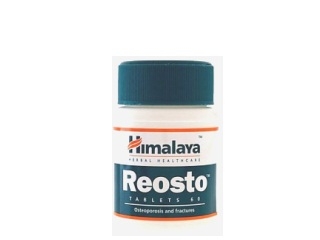


Reosto (Reboxetine) — Patient-Friendly Medicine Information (Australia)
Reosto is a prescription medicine used to treat certain types of depression. This page provides practical, easy-to-understand information about how Reosto works, how it’s used, possible side effects, interactions, and what to expect while taking it. Always follow your healthcare professional’s directions and read the consumer medicine information (CMI) provided with your product.
Quick Facts
- Active ingredient: Reboxetine (commonly marketed as reboxetine mesylate)
- Common form: Oral tablets
- Used for: Depression (major depressive disorder)
- How it works: Helps restore certain brain chemical balances by affecting noradrenaline
- Time to effect: Some improvement may be noticed after 2–4 weeks; full benefits may take longer
- Key considerations: Monitor blood pressure, heart rate, sleep and urinary effects; be cautious with interacting medicines
What is Reosto?
Reosto is a medicine that belongs to a class often described as a noradrenaline reuptake inhibitor (NARI). It is intended to help reduce symptoms of depression such as low mood, loss of interest, and reduced energy.
It is typically used in adults for episodes of depression. Your prescriber may recommend Reosto when they believe it suits your individual symptoms and health profile.
How Reosto Works (Mechanism of Action)
Reosto’s active ingredient reboxetine works by affecting the brain’s chemical messenger system, especially noradrenaline (also called norepinephrine).
- Primary action: Inhibits the reuptake of noradrenaline by blocking the noradrenaline transporter.
- Result: More noradrenaline remains available in the synaptic space, supporting communication between brain cells involved in mood regulation.
- Therapeutic effect: Over time, this supports improvement in depressive symptoms.
Reosto is not designed to provide an immediate “instant relief” effect; antidepressant benefits typically build gradually.
Pharmacokinetics (How the Body Handles Reosto)
Understanding how Reosto is absorbed and processed can help you take it more effectively and manage side effects.
- Absorption: Reboxetine is absorbed after oral dosing. Food can influence absorption rate and extent in some patients.
- Distribution: It distributes throughout the body tissues, including the brain, where its effects are mediated.
- Metabolism: The drug is metabolised mainly by the liver (commonly involving cytochrome P450 pathways). This is one reason interactions with other medicines can be important.
- Elimination: Metabolites and the drug are eliminated primarily through kidneys (and to a smaller degree through other routes).
- Steady state: It may take several days to reach steady drug levels, which is why consistent daily dosing matters.
Individual pharmacokinetics vary. Dose and monitoring may be adjusted for kidney or liver function, and for people taking interacting medications.
Typical Use and Indications
In Australia, Reosto is used to treat major depressive disorder in adults, as determined by your clinician based on your symptoms and medical history.
It may be considered when a noradrenaline-focused antidepressant approach is appropriate. Your healthcare professional will determine suitability based on symptom patterns, other conditions (such as urinary or cardiovascular issues), and potential interaction risks.
When to Take Reosto (Timing and Routine)
Follow your prescription directions. Reboxetine is often taken once or twice daily depending on the product instructions and clinician advice.
- Choose a consistent time: Taking it at the same times each day helps maintain steady levels.
- Consider daytime dosing if it affects sleep: Some people feel more alert or experience insomnia. If this happens, talk to your healthcare professional about whether to adjust dosing timing (for example, earlier in the day).
- Keep taking it even if you feel better: Depression often requires continued treatment to prevent relapse.
Missed dose: If you miss a dose, take it when you remember unless it is close to your next dose. Do not take a double dose to make up for a missed tablet. If unsure, ask a pharmacist or check your CMI.
Dosing (How Much to Take)
Dosing should be individualised by a healthcare professional. The information below is general and may not reflect your exact regimen.
| Aspect | General guidance (not a substitute for your prescriber’s instructions) |
|---|---|
| Starting dose | May begin at a lower dose, then be adjusted based on response and tolerability. |
| Typical daily dosing | Often given in divided doses (commonly twice daily) depending on product instructions and clinical plan. |
| Adjustment | May be increased or decreased if side effects occur or if symptoms improve insufficiently. |
| Treatment duration | Depression treatment is usually continued for a period after symptom improvement to reduce relapse risk; exact duration varies. |
If you have kidney or liver impairment, your clinician may choose a different dose and monitor you more closely.
Food Interactions (Taking with Meals)
Food interactions can affect absorption and may influence how quickly you feel certain effects.
- General approach: Reosto may be taken with or without food, depending on your product instructions.
- If you notice stomach upset: Taking it with a small meal or snack may improve tolerability for some people.
- Consistency matters: If you choose to take it with food, try to take it the same way each day.
Important: Always follow the directions in your specific CMI. Your pharmacist can confirm the best approach for your particular Reosto formulation.
Alcohol and Medicine Interactions
It’s important to understand how alcohol and other medicines may interact with Reosto. Combining substances can increase side effects and complicate symptom monitoring.
Alcohol
- Avoid or limit alcohol: Alcohol can worsen depression and may increase dizziness, drowsiness, and impaired coordination.
- Safety first: If you choose to drink, do so cautiously and discuss with your clinician, especially early in treatment.
Other medicines that may interact
Reboxetine is metabolised in the liver and may interact with other drugs that affect liver enzymes. Interactions can either increase Reosto levels (raising side effects) or decrease them (reducing effectiveness).
- Medicines affecting heart rhythm or blood pressure: Caution is needed with drugs that influence QT interval, heart rate, or blood pressure.
- Other antidepressants: Combining antidepressants may increase risk of side effects such as blood pressure changes, sleep disturbances, or serotonin-related effects depending on the combination.
- Strong liver enzyme inhibitors/inducers: Some medicines can raise or lower reboxetine exposure.
- Medicines that can affect urinary function: Reboxetine may influence urinary symptoms, so caution is advised when other medicines may do the same.
- Medicines with sedating effects: Even if Reosto is not strongly sedating for everyone, sedation risk may rise with other medicines.
Talk to your pharmacist before starting, stopping, or changing any medicines—including over-the-counter products and herbal supplements (for example, St John’s wort).
Safety Profile and Possible Side Effects
Like all medicines, Reosto can cause side effects. Not everyone experiences them, and many are manageable. However, it’s important to know what to watch for and when to seek urgent help.
Common side effects
- Dry mouth
- Constipation
- Insomnia or disturbed sleep
- Dizziness
- Nausea
- Increased sweating
- Increased heart rate (palpitations may occur)
- Urinary retention or difficulty urinating (more likely in people with prostate enlargement)
Serious side effects (seek medical advice urgently)
- Allergic reaction: swelling of face/lips, rash, wheezing, severe itching
- Severe dizziness or fainting, especially with chest pain or shortness of breath
- Marked changes in heart rhythm (e.g., persistent palpitations, feeling like the heart is “racing” or irregular)
- Urinary problems such as inability to pass urine
- Manic or hypomanic symptoms: unusually high energy, decreased need for sleep, racing thoughts, risky behaviour
- Worsening depression or suicidal thoughts: if you notice a change in mood that concerns you, seek urgent medical support
What to do if side effects occur
- Don’t stop suddenly without advice—contact your healthcare professional for guidance.
- Track symptoms (sleep, mood, blood pressure-related symptoms, urinary changes) so you can discuss them clearly.
- Ask about dose timing if sleep problems or dizziness occur.
- Review medicines you take, including non-prescription products and supplements.
Practical Use Tips (Patient-Friendly)
- Give it time: Antidepressant effects commonly take weeks. Improvement can be gradual.
- Take consistently: Use a daily routine (morning/evening or morning/afternoon) to reduce missed doses.
- Hydration and fibre: If constipation or dry mouth happens, drink water regularly and consider dietary fibre.
- Sleep hygiene: If insomnia occurs, limit caffeine later in the day and keep a consistent sleep schedule.
- Monitor urinary symptoms: If you experience difficulty starting urination, weak stream, or reduced flow, inform your clinician promptly.
- Check blood pressure if advised: Some people may experience blood pressure or heart rate changes.
- Keep a mood diary: Note mood, anxiety, sleep, and appetite daily—this helps your clinician adjust treatment.
Stopping Reosto and Managing Missed Doses
Do not stop abruptly without clinician advice. While experiences vary, stopping suddenly may lead to discomfort and a return of depressive symptoms.
- If you want to stop: speak with your prescriber about a safe plan (often a gradual reduction).
- If you miss a dose: take it when you remember unless it’s close to the next dose; do not double up.
- If you miss multiple doses: contact your pharmacist for guidance on how to restart.
Alternative Options (If Reosto Isn’t Suitable)
Depression treatment is individual. If Reosto isn’t suitable due to side effects, interactions, or lack of benefit, your clinician may consider alternatives.
Medication alternatives
- Other antidepressants (for example SSRIs or SNRIs, depending on your symptoms and medical history)
- Other noradrenaline-focused options (based on availability and clinical appropriateness)
Non-medicine options
- Psychological therapies (such as CBT)
- Lifestyle supports (sleep regularity, gentle exercise, social connection)
- Support services (counselling, group programs, community supports)
Your clinician can help you weigh options, including what to change first and how to monitor progress.
Market and Legal Context in Australia
In Australia, medicines like Reosto are regulated under national medicines and pharmacy frameworks and are typically supplied under appropriate controls based on their risk profile and intended use. Availability through licensed pharmacies is required, and pharmacists play a key role in ensuring safe supply and appropriate counselling.
Always check that your product is sourced from an Australian-licensed pharmacy or authorised supply channel. If you’re unsure about product authenticity, ask a pharmacist.
Recent guidance and clinical monitoring (general)
- Closer follow-up early in treatment: Clinicians often review patients more frequently at the start of antidepressant therapy.
- Monitoring mood and wellbeing: Changes in mood, sleep, and behaviour are typically monitored throughout treatment.
- Reviewing side effects: Blood pressure, heart rate, urinary symptoms, and sleep issues are commonly assessed.
Note: Recommendations and usage criteria can change over time. Your healthcare professional can provide the most current, locally relevant guidance.
Delivery and Availability (Online Pharmacy)
Availability varies by brand and stock. When ordering through an online pharmacy, you can typically expect:
- Product sourcing checks: Online pharmacies usually confirm stock availability and correct item matching.
- Packaging: Medicines are shipped in secure packaging to protect product integrity.
- Delivery timeframe: Delivery times depend on location and courier service. Some areas may have faster dispatch.
- Tracking information: Many orders include tracking.
Before you order: Ensure the strength and formulation match what your clinician recommended and check expiry details on arrival.
If you have questions about availability, call or message our pharmacy support team so we can help you find the correct product or suitable alternative stock.
FAQ: Reosto (Reboxetine)
1) How long does it take for Reosto to work?
Many people notice some improvement within 2–4 weeks, but full benefit can take longer. Continue taking it consistently as advised, and discuss progress with your clinician.
2) Can I take Reosto with food?
In many cases it can be taken with or without food. If stomach upset occurs, taking it with a meal may help. Follow the instructions in your product CMI.
3) Will Reosto make me feel drowsy?
Some people experience dizziness or sleep disturbances rather than sedation. If you feel unsteady, avoid driving or operating machinery until you know how it affects you.
4) What should I do if I get insomnia?
Insomnia can happen. Consider taking your dose earlier in the day (only if your clinician agrees) and discuss persistent sleep problems—your clinician may adjust timing or dose.
5) Are there risks for people with urinary problems?
Reboxetine may worsen urinary retention or difficulty urinating in some individuals. If you have prostate issues or any trouble passing urine, discuss this with your clinician before and during treatment.
6) Can I drink alcohol while taking Reosto?
It’s best to avoid or limit alcohol because it can worsen depression and may increase dizziness or impaired coordination. Ask your pharmacist for personalised advice.
7) What medicines interact with Reosto?
Interactions can occur with medicines affecting liver enzymes, heart rhythm, blood pressure, mood, and urinary function. Tell your pharmacist about all medicines and supplements you take.
8) What if I miss a dose?
Take it when you remember unless it’s nearly time for your next dose. Don’t double up. If you miss several doses, contact a pharmacist for guidance.
9) Can I stop Reosto once I feel better?
Don’t stop without medical advice. Stopping too early may increase relapse risk. Your clinician can guide how long to continue and how to taper if needed.
10) When should I seek urgent help?
Seek urgent help for signs of severe allergic reaction, fainting, chest pain, significant heart rhythm symptoms, inability to urinate, or rapidly worsening mood or suicidal thoughts.
Important Disclaimer
This information is provided for general education and does not replace advice from a healthcare professional. If you have questions about whether Reosto is right for you, or if you experience troublesome side effects, contact your clinician or pharmacist promptly.
Always read the CMI supplied with your medicine for complete details about dosing, precautions, and side effects.