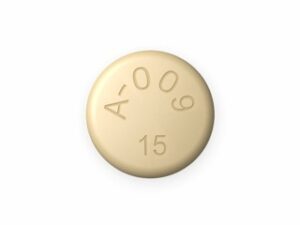

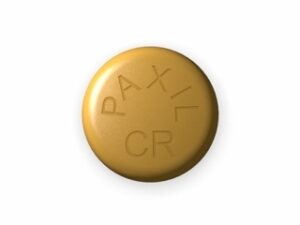

Risnia (Risperidone) — Patient-Friendly Guide
Risnia is a medicine containing risperidone, an antipsychotic used to help manage symptoms of certain mental health conditions and behavioural problems. This guide is designed to be easy to read and to help you understand how Risnia works, how it is commonly taken, and what to consider for safety and day-to-day use in Australia.
Important: Always follow the instructions you receive from your healthcare professional and the directions on the product label.
Quick Facts
- Active ingredient: Risperidone
- Medicine type: Antipsychotic (also described as a “second-generation”/atypical antipsychotic)
- Common forms: Tablets/capsules or other locally available formulations (availability may vary)
- Typical uses: Schizophrenia, bipolar disorder (manic or mixed episodes), irritability associated with autism spectrum disorder (in approved settings), and other conditions depending on your prescriber’s assessment
- How it works: Helps rebalance brain signalling involving dopamine and serotonin
- How long until it works: Some effects may be noticed within days; fuller benefit can take weeks
Basic Product Information
Risnia is a brand of risperidone. Risperidone affects chemical messengers in the brain, particularly dopamine and serotonin. This can help reduce symptoms such as hallucinations, delusions, disorganised thinking, agitation, irritability, and certain mood-related symptoms.
Strengths and formulations: Strengths (e.g., mg per tablet) and available presentations vary. Your local product listing will show the exact strength and format.
Who it may be suitable for: Suitability depends on your diagnosis, age, medical history, and other medicines you take.
How Risnia Works (Mechanism of Action)
Risperidone works mainly by acting on receptors in the brain:
- Dopamine (D2) receptors: Helps reduce psychotic symptoms by modulating dopamine signalling.
- Serotonin (5-HT2A) receptors: Balancing serotonin activity may improve symptoms and affect tolerability compared with older antipsychotics.
- Other receptors: Risperidone also has effects on receptors that can influence sedation, blood pressure, sleep, and hormonal activity (including prolactin).
By influencing these pathways, risperidone can help stabilise mood and thought processes, depending on the condition being treated.
Pharmacokinetics (How the Body Handles It)
Pharmacokinetics describes how a medicine is absorbed, distributed, metabolised, and eliminated.
- Absorption: Risperidone is absorbed after oral dosing. Peak levels are typically reached within a few hours (timing can vary by formulation and individual factors).
- Active metabolite: Risperidone is metabolised in the liver to paliperidone (and other metabolites). Both parent drug and metabolite contribute to effects.
- Half-life: The effective duration is influenced by both risperidone and its metabolite. Steady effects generally build over several days to weeks.
- Elimination: Metabolites are eliminated primarily through the kidneys and, to a lesser extent, other routes.
- Impact of kidney/liver function: Dose adjustments may be needed in kidney or liver impairment, and older adults may be more sensitive.
Because of the way the drug and its metabolite persist, taking it consistently helps maintain symptom control.
Typical Uses and Indications (Australia Context)
In Australia, risperidone products may be used for several conditions, depending on age group, diagnosis, and approved usage. Common clinical indications include:
- Schizophrenia: To help reduce psychotic symptoms such as hallucinations and delusions.
- Bipolar disorder: For manic or mixed episodes, and sometimes for maintenance in appropriate patients.
- Irritability associated with autism spectrum disorder (children/adolescents): In selected patients where symptoms include aggression, deliberate self-injury, or severe temper tantrums.
- Other uses: Sometimes risperidone is used for behavioural symptoms in specific clinical situations as determined by healthcare professionals.
Note: The exact approved indications and age ranges can vary by product and local regulatory listing. Your pharmacist can help confirm what is appropriate for your specific case.
Dosing — How Risnia Is Usually Taken
Dosing must be personalised. Your healthcare professional may start at a low dose and adjust gradually based on response and side effects.
Common dosing principles
- Start low, go slow: Many people benefit from gradual titration.
- Individual response varies: Some people need lower doses; others require higher doses.
- Follow the schedule: If dosing is once daily or twice daily, keep to that pattern unless advised otherwise.
- Do not change dose abruptly: Sudden changes may worsen symptoms or cause side effects.
Example timing (general guidance)
While your exact dose schedule will be prescribed, many patients are advised to take risperidone at:
- Morning and/or evening depending on symptom control and tolerability
- Consistent times each day to reduce fluctuations
If you miss a dose, follow the instructions given by your healthcare professional or the product information. If you are unsure, ask your pharmacist for advice tailored to your dosing schedule.
Timing and How to Take It
For best results:
- Take at the same time(s) each day.
- Swallow with water. If the tablet cannot be swallowed, discuss suitable formulation options with your pharmacist.
- Give your body time to adjust. Early side effects (like sleepiness or restlessness) may settle as dose stabilises.
Missed dose tip: Many medicines in this class are managed by “take it when you remember, unless it’s close to the next dose.” Because guidance can differ by dose schedule, confirm the right approach for your regimen.
Food Interactions (Can You Take Risnia With Meals?)
Risperidone can generally be taken with or without food. Food may affect absorption slightly for some medicines, but risperidone’s practical use typically isn’t restricted by meals.
To maintain consistent levels:
- Choose a routine (e.g., always with breakfast or always on an empty stomach) and keep it steady.
- If you’re switching how you eat (for example, intermittent fasting or major diet changes), discuss with your prescriber or pharmacist.
Alcohol Interactions and Medicine Interactions
Alcohol
Avoid or limit alcohol. Alcohol can worsen side effects such as drowsiness, slower reaction time, dizziness, and impaired judgement. This can increase the risk of falls and accidents.
Other medicines that may interact
Risperidone can interact with other medicines, including those that affect:
- Blood pressure (risk of dizziness or fainting may increase)
- CNS sedation (e.g., some antihistamines, opioid pain medicines, benzodiazepines)
- Heart rhythm (rarely can contribute to QT interval changes, especially when combined with other QT-prolonging medicines)
- Liver enzymes involved in drug metabolism (these can affect risperidone levels)
- Prolactin-related effects (your clinician may consider hormonal side effects)
Particular caution may be needed if you take:
- Medicines that slow the heart or affect heart rhythm
- Strong enzyme inducers or inhibitors (your pharmacist can advise)
- Diabetes-related medicines (because atypical antipsychotics can affect blood sugar)
- Parkinson’s medicines (symptom interactions can be complex)
Practical tip: Keep an up-to-date list of all medicines and supplements. Provide it to your pharmacist at every medication review.
Safety Profile — What to Expect
Like all medicines, risperidone may cause side effects. Not everyone will experience them, and many are dose-related or improve after stabilisation.
Common side effects
- Drowsiness or fatigue
- Dizziness (especially when standing up)
- Restlessness or feeling “on edge”
- Headache
- Constipation
- Increased appetite and weight gain
- Dry mouth
Important potential risks
Some risks require careful monitoring. Your healthcare professional may arrange baseline and periodic checks.
- Metabolic changes: weight gain, cholesterol changes, and changes in blood glucose (including risk of diabetes).
- Movement-related effects: tremor, stiffness, restlessness, or involuntary movements (rarely, persistent movement disorders may occur).
- Prolactin-related effects: breast tenderness/enlargement, milk production, or changes in sexual function.
- Orthostatic hypotension: dizziness/fainting due to blood pressure changes.
- Sedation and falls: especially in older adults.
- QT prolongation (heart rhythm): risk is generally low but may be higher with other risk factors or interacting medicines.
- Neuroleptic malignant syndrome (NMS): a rare, serious reaction involving fever, muscle stiffness, and confusion—urgent medical attention is required if suspected.
When to seek urgent help
Contact emergency services or urgent care immediately if you experience:
- Severe allergic reaction (swelling of face/lips, difficulty breathing)
- High fever with muscle rigidity and confusion (possible NMS)
- Chest pain, fainting, severe palpitations
- Signs of stroke (face drooping, weakness, speech difficulty)
Practical Use Tips (Making Treatment Easier)
1) Monitor how you feel in the first weeks
- Track sleep, agitation, mood, and anxiety.
- Note any troublesome side effects (e.g., sleepiness, restlessness, constipation).
- If side effects are affecting daily life, discuss dose timing or adjustment with your pharmacist or clinician.
2) Support metabolic health
- Consider regular weight and waist measurements.
- Ask about blood glucose and lipid monitoring.
- Adopt sustainable dietary and activity routines—your pharmacist may suggest practical resources.
3) Manage constipation early
- Increase fluids and fibre if appropriate for you.
- Gentle daily movement can help.
- If constipation becomes persistent, ask a pharmacist before using laxatives frequently.
4) Avoid overheating and dehydration
Antipsychotic medicines may affect how the body manages temperature. In hot weather, drink adequate fluids and dress appropriately.
5) Don’t stop suddenly
Stopping abruptly may lead to relapse or withdrawal-type symptoms. If you’re considering stopping, talk to a healthcare professional for a safe plan.
Alternative Options
If risperidone isn’t the right match (due to side effects, insufficient response, or specific medical considerations), there are alternatives. These may include:
Other antipsychotics
- Olanzapine
- Quetiapine
- Aripiprazole
- Paliperidone
- Amisulpride (availability may vary)
For mood-related symptoms
Sometimes combination therapy is considered (for example, a mood stabiliser) depending on diagnosis. Your clinician will tailor the approach.
Non-medicine supports: Psychosocial interventions, therapy, sleep and routine planning, and family support can complement medication and improve overall outcomes.
Market and Legal Context in Australia (What This Means for You)
Medicines containing risperidone are regulated in Australia. The availability of specific brand names and forms depends on local listing and pharmacy supply arrangements.
- Pharmacy supply: Risnia is typically dispensed through licensed pharmacies in line with Australian medicines regulations.
- Medicines scheduling: Medicines in this class are generally subject to controlled prescribing and pharmacy dispensing requirements.
- Safety monitoring: Australian healthcare practice commonly includes monitoring for metabolic effects, movement-related symptoms, and other risks.
If you’re unsure about what documentation is required for an order, or what identification/pharmacy processes apply, ask your pharmacist or check the product listing details on our website.
Recent Guidance and Clinical Monitoring (General Overview)
Clinical guidance for atypical antipsychotics such as risperidone commonly emphasises:
- Baseline and ongoing monitoring for weight, blood pressure, blood glucose, and lipids
- Assessment of movement symptoms (such as tremor or restlessness)
- Review of benefit versus side effects regularly, especially after initial stabilisation
- Attention to individual risk factors (e.g., diabetes risk, cardiovascular risk, kidney function, age)
- Careful use in children and adolescents, with monitoring tailored to age and condition
Because guidance may evolve, your pharmacist may recommend periodic reviews and may ask about new symptoms, lab results, or side effects.
Delivery and Availability in Australia
Delivery options can vary by location and supplier. When available, we aim to provide:
- Secure packaging to protect tablets and labels
- Tracking updates where offered
- Estimated delivery times shown at checkout
- Customer support if you need help confirming stock or suitability
Availability: Some strengths or formulations may have limited stock due to supply schedules. If your exact strength is temporarily unavailable, we may offer alternatives that match your prescribed regimen or advise on restock timeframes.
FAQ — Frequently Asked Questions
1) How long does Risnia take to start working?
Some people notice symptom changes within the first days, but meaningful improvement often takes several weeks. The exact timeline depends on the condition being treated and the dose.
2) Can I take Risnia with food?
In many cases, yes. Risperidone is often taken with or without food. Keeping a consistent routine may help you remember doses and may support stable daily absorption.
3) What should I do if I miss a dose?
Follow the advice provided for your dosing schedule (and the product directions). In general, if it’s close to the next dose, you may be advised to skip the missed dose—however, confirm the best approach with your pharmacist for your specific plan.
4) Does Risnia cause weight gain?
Weight gain can occur. Monitoring weight and metabolic health (blood glucose and cholesterol) is commonly recommended during treatment.
5) Is it safe to drive after taking Risnia?
Risperidone can cause drowsiness or dizziness, especially when starting or after dose changes. Until you know how it affects you, avoid driving or operating machinery if you feel sleepy or unsteady.
6) Can I drink alcohol while taking Risnia?
It’s best to avoid or limit alcohol. Alcohol can increase sedation and dizziness and may worsen impairment.
7) What interactions should I be careful about?
Tell your pharmacist about all medicines and supplements, particularly those that cause sedation, affect heart rhythm, or influence liver enzymes. Do not start new medicines without checking for interactions.
8) What side effects are most common?
Common side effects include sleepiness, dizziness, restlessness, headache, constipation, and increased appetite.
9) Are there any serious side effects I should watch for?
Seek urgent medical help for signs of severe allergic reactions, chest pain/palpitations with fainting, or symptoms suggestive of rare serious reactions such as neuroleptic malignant syndrome.
10) Can I switch from Risnia to another risperidone brand?
Switching between brands may be possible, but dose and formulation consistency matter. Always confirm with your pharmacist if you need to change brands or strengths.
Summary
Risnia (risperidone) is an antipsychotic medicine used to manage symptoms of conditions such as schizophrenia and bipolar disorder, and in some cases irritability associated with autism spectrum disorder. It works by influencing dopamine and serotonin signalling in the brain. While many people benefit, it’s important to take it consistently, monitor for side effects, and discuss any concerns promptly—especially changes in weight, blood sugar, movement symptoms, or sedation.
If you have questions about dosing timing, interactions, or suitability, our pharmacy team can help guide you toward safe, practical next steps.
| Category | Details |
|---|---|
| Brand | Risnia |
| Active ingredient | Risperidone |
| Medicine class | Atypical (second-generation) antipsychotic |
| Common uses | Schizophrenia; bipolar disorder (manic/mixed episodes); irritability in autism spectrum disorder (in selected patients) |
| How it’s taken | By mouth (tablet/formulation dependent on what is supplied) |
| Food | Often can be taken with or without food; keep routine consistent |
| Alcohol | Best to avoid or limit due to increased sedation and dizziness |
| Key safety monitoring | Weight/metabolic health, movement symptoms, blood pressure, and overall tolerability |