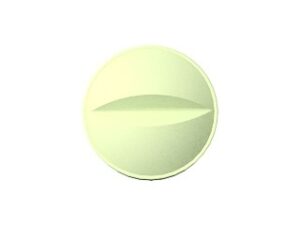

Remeron (Mirtazapine) — Patient Information (Australia)
Remeron is a brand of mirtazapine, an antidepressant medicine used to treat certain mental health conditions, particularly depression. Many people also experience relief from anxiety symptoms, disturbed sleep, and reduced appetite as treatment begins to work. This page provides patient-friendly information about how Remeron works, how it’s typically taken, common side effects, key safety points, and practical guidance for day-to-day use in Australia.
Note: This information is general and cannot replace advice from your doctor or pharmacist, who will tailor treatment to your situation. If you have questions about suitability, dose changes, or side effects, speak to your healthcare professional.
Basic Product Information
- Medicine: Remeron (mirtazapine)
- Type: Antidepressant
- Common strengths (varies by product): Tablets may be available in different strengths (e.g., 15 mg, 30 mg, 45 mg depending on market availability)
- How it’s taken: Usually by mouth as a tablet (sometimes with dosing once daily; specific schedule depends on your prescriber’s plan)
- Therapeutic class: Noradrenergic and specific serotonergic antidepressant (NaSSA)
How Remeron Works (Mechanism of Action)
Mirtazapine affects brain chemical signals involved in mood, anxiety, and sleep. Its actions include:
- Blocking α2-adrenergic receptors, which increases the release of norepinephrine and serotonin.
- Modulating serotonin receptors (including blocking specific serotonin receptor subtypes), which may improve mood and help reduce anxiety in some people.
- Antihistamine (H1) effects that can be associated with sedation and increased appetite, especially early in treatment.
Because of its receptor profile, mirtazapine may be particularly helpful for people whose depression includes sleep problems and loss of appetite.
Pharmacokinetics (How Your Body Processes It)
Understanding how a medicine moves through the body can help you appreciate why dosing schedules matter. The following are general features of mirtazapine pharmacokinetics:
- Absorption: Mirtazapine is absorbed from the gastrointestinal tract after oral administration.
- Peak levels: Blood concentrations typically peak within a few hours after taking a dose (timing can vary between individuals).
- Metabolism: It is metabolised primarily by liver enzymes (including CYP pathways) into inactive metabolites.
- Elimination: Metabolites are removed mainly via the kidneys and partly via other routes.
- Half-life: The drug has a measurable half-life that supports once-daily dosing for many people. Your prescriber may adjust dosing depending on your response and side effects.
If you have liver or kidney impairment, your healthcare professional may recommend dose adjustments and closer monitoring.
Typical Uses and Indications
Remeron is used for the treatment of depressive illness. It is commonly considered when depression is accompanied by sleep disturbance or reduced appetite.
Possible clinical benefits
- Improvement in mood, interest, and energy
- Reduced anxiety symptoms for some people
- Better sleep quality (often earlier than full mood improvement)
- Improved appetite and weight gain in some individuals
Mirtazapine is not intended to rapidly “switch off” severe symptoms overnight; antidepressant benefits typically build gradually.
When to Take Remeron (Timing and Routine)
Many people take mirtazapine once daily, often in the evening, because of its sedating effects. However, your personal schedule may differ based on your dose and your response.
General practical timing tips
- Evening dosing: Common if drowsiness occurs or sleep improves with treatment.
- Consistency matters: Try to take it around the same time each day.
- If you miss a dose: Take it when you remember unless it is close to your next dose. Do not double up—ask your pharmacist for advice.
- Do not stop suddenly: Stopping abruptly can cause uncomfortable withdrawal symptoms in some people. Tapering is usually safer under medical guidance.
Food and Drink Interactions
Mirtazapine can generally be taken with or without food. Food is unlikely to significantly change the medicine’s overall effect. Still, some people find it easier on the stomach when taken with a light meal.
Appetite and weight considerations
Because Remeron may increase appetite and sometimes lead to weight gain, it can be helpful to:
- Monitor hunger signals and aim for balanced, nutritious meals
- Choose regular meal portions rather than “grazing”
- Consider mild activity (e.g., walking) if appropriate for you
Alcohol and Medicine Interactions
Alcohol
It’s generally recommended to avoid or minimise alcohol while taking mirtazapine. Alcohol can increase drowsiness, impair coordination, and worsen mood and sleep quality.
Medicines that may interact
Several medicine interactions are possible. Always tell your doctor or pharmacist about all medicines you take, including herbal supplements and over-the-counter products. Some interactions to be aware of include:
- Other sedating medicines (e.g., sleeping tablets, benzodiazepines, some antihistamines): may increase drowsiness or risk of impaired alertness.
- Serotonergic medicines (e.g., some migraine medicines, certain antidepressants, triptans, and other agents affecting serotonin): can increase risk of serotonin-related effects (rare but potentially serious).
- Medicines affecting liver enzymes (some antibiotics, antifungals, anticonvulsants, and others): may affect mirtazapine levels.
- Medicines that lower blood pressure or have cardiovascular effects: combined effects may increase dizziness, particularly when standing.
- Medicines for nausea, motion sickness, or certain allergy tablets that also cause sedation: may increase sleepiness.
If you’re unsure whether a medicine is compatible with mirtazapine, ask your pharmacist. This is especially important for “as needed” medicines or newly started treatments.
Dosing — What Is Typical?
Dosing is individual and depends on factors such as age, previous treatment response, other medical conditions, and side-effect tolerance. Your healthcare professional will decide the most appropriate starting dose and whether adjustments are needed.
Common dosing approach (general)
- Starting dose: often low, then adjusted gradually.
- Typical dose range: many adults fall within a usual therapeutic range (exact mg depends on your plan).
- Dose adjustments: may occur every 1–2 weeks depending on response and side effects.
- Once vs divided dosing: many people take once daily; some may take split doses depending on tolerability and symptom control.
Remeron dose schedule examples (illustrative)
The examples below are not a prescription—use them only to understand common patterns. Your pharmacist can provide the dosing directions that apply to your exact product.
| Typical situation | Common timing | Goal |
|---|---|---|
| Depression with sleep disturbance | Evening (often before bed) | Support sleep and reduce daytime drowsiness |
| Start of treatment (to limit side effects) | Evening or consistent daily time | Improve tolerability as the body adjusts |
| Incomplete response over time | Time guided by sedation/alertness | Gradual titration based on symptom improvement |
Do not adjust your dose on your own. If you feel side effects are too strong or you’re not improving, speak with your doctor promptly.
What to Expect After Starting Remeron (Timing of Effect)
Antidepressants often work gradually. People may notice different improvements at different times:
- Sleep and appetite: may improve earlier (often within the first 1–2 weeks) due to sedating and appetite effects.
- Mood, energy, and motivation: may take longer—commonly several weeks.
- Full benefit: can take around 4–6+ weeks, depending on the person and the severity of symptoms.
If you experience worsening mood, agitation, or new concerning symptoms, seek medical advice without delay.
Safety Profile — Common and Serious Side Effects
Common side effects
Many side effects improve after the first few weeks as your body adjusts. Commonly reported effects include:
- Drowsiness or sedation (more likely at the start)
- Dizziness, especially when standing up quickly
- Increased appetite
- Weight gain
- Dry mouth
- Constipation
- Nausea
- Fatigue
- Headache
Less common but important side effects
- Mania or hypomania: symptoms such as unusually high energy, reduced need for sleep, or risky behaviour may occur in susceptible individuals (especially with bipolar disorder).
- Unusual bruising or infections: rare blood-related effects have been reported with some antidepressants—seek urgent advice if you develop persistent fever or unusual symptoms.
- Fainting or severe dizziness: may require assessment, particularly if you feel your heart is racing or you nearly pass out.
Seek urgent medical help if
Contact urgent medical services or seek immediate help if you experience:
- Signs of an allergic reaction (swelling of face/lips, rash, difficulty breathing)
- Severe agitation, confusion, high fever, tremor or muscle stiffness (possible serious medication reactions)
- Worsening depression, thoughts of self-harm, or sudden behaviour changes
Practical Use Tips (Making Treatment Easier)
Manage drowsiness
- Avoid driving or operating machinery until you know how Remeron affects you.
- If you feel overly sleepy, your doctor may adjust the time you take it or the dose.
- Be cautious with other sedating products (including some antihistamines).
Support appetite and weight
- Plan balanced meals with protein, vegetables, and whole grains.
- Monitor weight changes over time and discuss concerns early.
- Stay physically active in ways that suit your health.
Reduce constipation
- Increase fluids and fibre (unless you have a fluid restriction).
- Maintain gentle daily movement.
- If constipation becomes persistent, ask a pharmacist about suitable options.
Don’t stop abruptly
If you and your healthcare professional decide to discontinue, tapering is usually recommended to reduce the risk of withdrawal symptoms. If you miss doses frequently, let your pharmacist know—unplanned changes can affect mood and sleep.
Alternative Options (Other Treatments for Depression)
Depending on your symptoms, history, and side-effect preferences, your clinician may consider alternatives such as:
Medication alternatives
- Other antidepressants (e.g., SSRIs or SNRIs), depending on tolerability and response
- Tricyclic antidepressants (TCAs) in selected cases
- Other sedating antidepressants if sleep and appetite are major issues
Non-medicine options
- Psychological therapies (e.g., cognitive behavioural therapy)
- Sleep and lifestyle interventions (regular routine, light exposure, activity planning)
- Social supports and structured self-care strategies
In many cases, combining medication with therapy provides a more stable recovery plan than medication alone.
Market & Legal Context for Australia
In Australia, medicines are regulated under the Therapeutic Goods Administration (TGA). Antidepressants such as mirtazapine are supplied according to Australian medicine scheduling rules and clinical requirements. Availability and product forms may vary.
If you’re ordering through an online pharmacy, ensure you use a compliant service that follows Australian rules for medication supply, identity verification, and safe distribution practices.
Recent guidance and safety reminders
While specific updates can vary over time, general ongoing themes in Australian mental health medication guidance include:
- Monitoring early treatment for changes in mood, sleep, and agitation
- Reviewing side effects early and adjusting dose or timing if needed
- Careful management of comorbidities (e.g., substance use, anxiety, bipolar disorder, medical conditions)
- Patient education about gradual onset and not stopping suddenly
Your pharmacist can advise on the latest product information available for the specific Remeron brand and strength you’re using.
Delivery and Availability (Australia)
Remeron availability can vary depending on supply and the specific formulation/strength you need. Many online pharmacies in Australia can:
- Show stock availability for the exact product/strength
- Offer standard delivery or express delivery depending on location and dispatch times
- Package medicines safely and discreetly
- Provide delivery tracking and support for order enquiries
Delivery times depend on your suburb/region and local courier schedules. For urgent needs, contact the pharmacy to confirm expected dispatch time.
Important Patient Questions (FAQ)
1) Is Remeron the same as mirtazapine?
Yes. Remeron is a brand name. The active ingredient is mirtazapine. Different brands may contain the same active medicine but can vary in appearance and non-medicinal components.
2) How long does it take to start working?
Some people notice sleep or appetite changes within the first 1–2 weeks. Mood and overall depression symptoms usually take longer— often several weeks. If there’s no meaningful improvement, your doctor may reconsider the dose or treatment plan after an appropriate trial period.
3) Will I feel drowsy the next day?
Drowsiness is common, especially early in treatment. Many people find that sedation improves after the first couple of weeks. If it persists, discuss it with your healthcare professional—dose timing or adjustments may help.
4) Can I drink alcohol while taking Remeron?
It’s generally best to avoid or minimise alcohol because it can increase sedation and affect mood and sleep. If you drink, discuss safe limits with your pharmacist or doctor.
5) Can I take Remeron with food?
Yes. Remeron can usually be taken with or without food. Taking it with food may help if you feel mild nausea.
6) What should I do if I miss a dose?
If you forget a dose, take it when you remember unless it’s close to your next scheduled dose. Don’t take a double dose. Ask your pharmacist for advice if you’re unsure.
7) What if I want to stop taking Remeron?
Don’t stop abruptly. Withdrawal symptoms and relapse can occur when treatment is stopped suddenly. Your doctor may recommend tapering gradually.
8) Are there interactions with other medicines?
Yes. Important interaction risks include other sedating medicines, certain antidepressants/serotonergic drugs, and medicines that affect liver enzymes. Tell your healthcare professional about all products you take, including supplements.
9) Can Remeron cause weight gain?
It can. Increased appetite and weight gain are among the more common effects. Monitoring and lifestyle strategies can help manage this risk.
10) When should I seek urgent medical help?
Seek urgent help if you develop signs of severe allergic reaction, severe agitation/confusion with fever or tremor, fainting/severe dizziness, or if your mental health worsens dramatically.
Summary
Remeron (mirtazapine) is an antidepressant used for depressive illness. It works by influencing norepinephrine and serotonin pathways, with additional antihistamine effects that can support sleep and appetite in some people. Treatment benefits typically build over weeks. As with all medicines, it may cause side effects—commonly drowsiness, appetite changes, and constipation—especially early in therapy. Careful attention to timing, avoiding alcohol, and discussing interactions with your pharmacist can help you use Remeron safely and effectively.
If you’d like, you can share your age range, current medicines, and the main symptoms you’re targeting (sleep, appetite, anxiety, low mood), and your pharmacist can explain how Remeron is commonly managed in situations like yours.