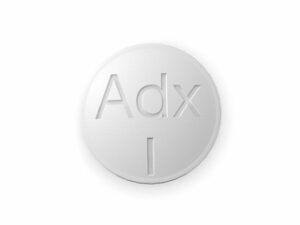

Provera (Medroxyprogesterone Acetate) – Patient Information (Australia)
Provera is a brand of medroxyprogesterone acetate (MPA), a medicine that belongs to the group of progestogens (synthetic progesterone-like hormones). It is used for a range of women’s health conditions, including abnormal uterine bleeding and hormone-related reproductive issues.
This page provides clear, patient-friendly information about how Provera works, how it is used, and what to consider for safety. It’s designed to help you understand your medicine—always follow the directions you receive from your healthcare professional and the label on your package.
Quick Facts
- Active ingredient: Medroxyprogesterone acetate (MPA)
- Medicine type: Progestogen (synthetic progesterone)
- Common forms: Tablets (strengths vary by product)
- Typical uses: Abnormal uterine bleeding, endometrial protection in hormone therapy, certain reproductive and hormonal conditions
- How it works: Helps regulate the lining of the womb (endometrium) and influences hormone signalling
What Provera Does (Mechanism of Action)
Provera contains medroxyprogesterone acetate, a synthetic hormone similar to progesterone. Its main actions relate to the endometrium (the lining of the uterus):
- Stabilises and regulates endometrial growth: It counteracts the effects of oestrogen on the endometrium, helping prevent overgrowth.
- Induces a controlled “withdrawal” effect: After a course of treatment, the hormone change can trigger predictable bleeding patterns in some circumstances.
- Supports cycle regulation: It can help manage bleeding related to hormone imbalance and anovulation (when ovulation doesn’t occur).
- Reduces certain bleeding causes: In women with abnormal uterine bleeding, it can help restore more regular endometrial shedding.
In simple terms: Provera helps “calm and control” the uterine lining by providing progestogen effects.
Pharmacokinetics (How the Body Handles Provera)
Pharmacokinetics describes what the body does to a medicine—absorption, distribution, metabolism, and elimination.
- Absorption: After oral dosing, medroxyprogesterone acetate is absorbed from the gastrointestinal tract. Food can influence the speed/extent of absorption (details below).
- Distribution: It binds to plasma proteins and is distributed throughout body tissues.
- Metabolism: MPA is metabolised primarily in the liver.
- Elimination: Metabolites are eliminated mainly via the kidneys and possibly through bile/faeces depending on metabolic pathways.
- Duration: Clinical effects may persist beyond the dose timing due to the hormone’s pharmacologic activity.
Why this matters: Understanding metabolism and duration helps explain drug interactions (especially with liver-metabolising medicines) and why consistency in dosing can be important.
Typical Uses and Indications (What Provera Is Used For)
Provera may be used for several hormone-related conditions. The most common indications include:
- Abnormal uterine bleeding due to hormonal imbalance (for example, breakthrough or irregular bleeding associated with anovulation).
- Endometrial protection when oestrogen therapy is used as part of menopausal or other hormone regimens (to reduce the risk of endometrial overgrowth).
- Regulation of bleeding patterns in selected patients (depending on the underlying cause and treatment plan).
- Other hormone-responsive conditions may be managed under specialist guidance, based on individual assessment.
Important: The right use and dose depend on your diagnosis, medical history, and whether you are using other hormone medicines.
Dosing: How Provera Is Typically Taken
Dosing varies widely depending on the condition being treated (continuous vs cyclical schedules), your age, and other health factors. Your healthcare professional will provide an individual plan.
Common dosing approaches
- Cyclical (course-based) regimens: Provera may be taken for a set number of days each cycle to help manage bleeding or provide endometrial effects.
- Continuous regimens: In some situations (such as certain hormone therapy schedules), daily dosing may be used.
What you should do
- Take exactly as directed: Follow your prescribed schedule or the instructions on your medicine label.
- Use the same time of day: This can help reduce missed doses.
- Don’t stop early: Stopping abruptly may affect bleeding control or hormone balance.
If you miss a dose, consult your healthcare professional or pharmacist for advice tailored to your schedule and the reason you’re taking Provera.
Timing: When to Take Provera
Many people find it easiest to take Provera at the same time each day. Depending on your regimen and tolerance, you may be advised to take it:
- With or without food (see food interaction notes below)
- In the morning or evening based on side effects such as nausea or drowsiness
Bleeding timing: If you’re taking Provera to manage irregular bleeding, some individuals experience bleeding after completing a course. The timing can vary between individuals and regimens.
Food Interactions
Provera tablets can generally be taken with or without food. However, food may influence how quickly the medicine is absorbed.
- If you get stomach upset, taking Provera with food or after a meal may improve comfort.
- Try to keep your routine consistent (for example, always taking with breakfast or always on an empty stomach) unless your clinician advises otherwise.
Note: Always check the specific product leaflet for exact instructions for your formulation and strength.
Alcohol Interactions
Alcohol does not typically “cancel out” progestogens, but it can increase side effects and may affect the liver (where medroxyprogesterone acetate is metabolised).
- Occasional moderate alcohol may be acceptable for some people.
- Avoid heavy drinking or binge patterns, particularly if you have liver conditions or are taking other medicines that affect the liver.
- Alcohol may worsen dizziness, fatigue, or mood changes in some individuals.
If you drink alcohol regularly, discuss your situation with your healthcare professional for personalised advice.
Medicine Interactions (Important)
Some medicines can change how Provera is processed or can affect bleeding patterns. Share a full list of your medicines with your healthcare professional or pharmacist.
Medicines that may interact
- Enzyme inducers (may reduce the effectiveness of hormonal medicines) such as some anti-seizure medicines and certain tuberculosis therapies.
- Other hormone therapies (including oestrogen-containing products or other progestogens) that may change overall hormone balance.
- Medications affecting liver metabolism (the liver processes MPA), including some antibiotics/antivirals and other drugs.
- Herbal supplements (for example, St John’s wort may affect drug metabolism).
How to reduce risk
- Keep an up-to-date medication list (include non-prescription medicines and supplements).
- Ask your pharmacist whether any of your current medicines could interact with Provera.
- Do not start or stop medicines (including supplements) without advice.
Safety Profile: Side Effects and Warnings
Like all medicines, Provera can cause side effects. Many are mild and improve over time, but some require prompt medical attention.
Common side effects
- Changes in bleeding (spotting, irregular bleeding, or amenorrhoea depending on regimen)
- Nausea or mild stomach upset
- Headache
- Bloating or fluid retention
- Mood changes (such as mood swings)
- Breast tenderness
- Weight change in some individuals
- Fatigue or dizziness
Serious side effects – seek urgent advice
Contact a healthcare professional urgently (or emergency services if severe) if you experience symptoms suggestive of serious complications, such as:
- Signs of blood clots: sudden shortness of breath, chest pain, coughing blood, painful swelling in one leg
- Severe headache, vision changes, weakness/numbness on one side (possible stroke-like symptoms)
- Severe abdominal pain or yellowing of the skin/eyes (jaundice)
- Heavy or persistent bleeding (soaking through pads/tampons rapidly or bleeding lasting unusually long)
- Allergic reaction: swelling of face/lips, rash, wheezing, trouble breathing
Who should be extra cautious?
Your clinician may weigh the risks carefully if you have a history of certain conditions. Examples include:
- History of blood clots or clotting disorders
- Liver disease or abnormal liver function tests
- Unexplained vaginal bleeding that needs investigation
- Breast cancer or other hormone-sensitive malignancies (as advised by your doctor)
- Severe depression or mood disorders (monitor changes)
Pregnancy: If you think you may be pregnant or your bleeding pattern changes unexpectedly, seek medical advice promptly. Progestogens are not intended to be used as a substitute for pregnancy assessment.
Practical Use Tips (How to Get the Best Results)
- Track your bleeding: Use a calendar or app to note start/end dates, flow level, and any spotting. This helps your clinician adjust dosing.
- Use consistent dosing: Taking at the same time daily reduces missed doses and helps maintain hormone levels.
- Manage side effects:
- For nausea: take with food, and avoid taking on an empty stomach if it bothers you.
- For headaches: stay hydrated, and note triggers (sleep, stress, dehydration).
- For mood changes: speak early with your clinician if you notice worsening mood or anxiety.
- Don’t double up after missed doses without advice—your schedule may be cyclical or variable.
- Keep follow-up appointments: Monitoring is important, especially if you’re treating abnormal bleeding.
Alternative Options (Depending on Your Condition)
The best alternative to Provera depends on the reason it’s being used (for example, endometrial protection, abnormal bleeding management, or cycle regulation). Common alternatives include:
- Other progestogens: different oral progestogens or formulations
- Levonorgestrel-releasing intrauterine system (LNG-IUS): often used for heavy or irregular bleeding and provides local progestogen effects
- Combined hormonal methods: may be suitable for some people to regulate cycles (benefits and risks vary)
- Non-hormonal treatments for bleeding (depending on cause) such as antifibrinolytics in selected patients
- Investigations and targeted treatments if a structural cause is found (e.g., fibroids or polyps), which may change management
Discuss alternatives with your healthcare professional. The safest choice depends on your medical history, age, bleeding pattern, and risk factors.
Market & Legal Context in Australia
Provera (medroxyprogesterone acetate) is an established medicine available through the Australian healthcare system. Availability and pharmacy supply depend on product listings and current regulatory classifications.
- Regulatory status: The exact classification (for example, whether it requires professional supervision for supply) can vary by formulation and strength. Your pharmacist can confirm current requirements.
- Quality and sourcing: Products sold in Australia must comply with Therapeutic Goods Administration (TGA) requirements for quality, safety, and performance.
- Clinical oversight: Use for hormone-related conditions often requires assessment to ensure the underlying cause of symptoms is addressed.
Recent guidance: For abnormal uterine bleeding and hormone therapy, Australian practice commonly emphasises careful evaluation of causes, appropriate endometrial protection when oestrogen is used, and timely review of bleeding changes. Always follow the most current advice from your clinician and local guidelines.
Delivery and Availability (Online Pharmacy in Australia)
Provera availability can vary by stock levels and tablet strengths. If you order online, delivery times depend on your location and the pharmacy’s dispatch schedule.
- Order processing: Many online pharmacies process orders within business hours on working days.
- Delivery options: Standard and express shipping may be available depending on location.
- Packaging: Medicines are typically supplied in manufacturer packaging or pharmacy dispensed packs with clear labelling.
- Cold chain: Provera tablets generally do not require refrigeration unless specified for a particular product.
If you’re unsure about availability, you can ask the pharmacy team whether your preferred strength/formulation is currently in stock.
Frequently Asked Questions (FAQ)
1. What is Provera used for?
Provera (medroxyprogesterone acetate) is used for hormone-related conditions such as abnormal uterine bleeding and endometrial protection in certain hormone therapy regimens. Your doctor will determine the most appropriate use for your situation.
2. How long does it take to work?
For abnormal bleeding, effects can be seen within days to weeks, and some people bleed after completing a course. The timing depends on your diagnosis and the dosing schedule.
3. Will Provera stop my periods?
It may change your bleeding pattern. Some people experience reduced bleeding or no bleeding during a course, while others may get a withdrawal bleed after stopping. Your response may vary.
4. Can I take Provera with food?
Yes—Provera tablets are generally taken with or without food. If you experience nausea, taking with food may help.
5. Is Provera the same as progesterone?
Provera contains a synthetic progestogen (medroxyprogesterone acetate) that has progesterone-like effects. It is not identical to natural progesterone, and dosing and effects may differ.
6. What should I do if I miss a dose?
Because Provera regimens can differ (continuous vs cyclical), the best advice depends on your schedule. Contact your pharmacist or healthcare professional for guidance tailored to your instructions.
7. Can I drink alcohol while taking Provera?
Moderate alcohol may be acceptable for some people, but alcohol can worsen side effects and may affect liver function. Avoid heavy drinking and discuss your alcohol intake with your clinician, particularly if you have liver disease.
8. What drug interactions should I know about?
Some medicines can affect how Provera works, including certain liver enzyme–inducing drugs and other hormones. Tell your pharmacist about all medicines and supplements you take, including herbal products.
9. Are there pregnancy-related concerns?
If you might be pregnant or have unexpected changes in bleeding, seek medical advice promptly. Provera is not a substitute for proper pregnancy assessment.
10. When should I seek urgent medical help?
Get urgent help if you experience symptoms suggestive of blood clots (e.g., sudden shortness of breath, chest pain, or one-sided leg swelling), severe headaches with vision changes, signs of severe allergic reaction, or heavy/persistent bleeding.
Summary
Provera (medroxyprogesterone acetate) is a progestogen medicine used to manage abnormal uterine bleeding and to provide endometrial protection in selected hormone therapy settings. It works by regulating the growth and stability of the uterine lining. Like all medicines, it can cause side effects and has important safety considerations—particularly for people with certain medical conditions or those taking interacting medications.
If you have any concerns about how Provera affects you, or if your bleeding pattern changes unexpectedly, contact your healthcare professional for advice.