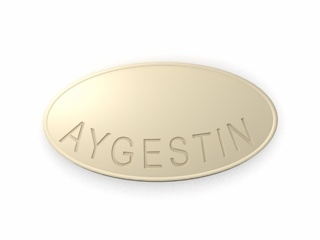
Aygestin (Norethindrone Acetate) — Patient Guide (Australia)
Aygestin is a brand of norethindrone acetate, a synthetic progestogen (a hormone similar to progesterone). It is used to treat certain hormone-related conditions and to help regulate abnormal bleeding patterns. This guide explains how Aygestin works, what it’s used for, how to take it, and important safety information to help you use your medicine confidently.
Always follow the advice of your healthcare professional and read the patient information leaflet provided with your medicine.
Key product information
- Medicine name: Aygestin
- Active ingredient: Norethindrone acetate
- Medicinal class: Progestin (synthetic progestogen)
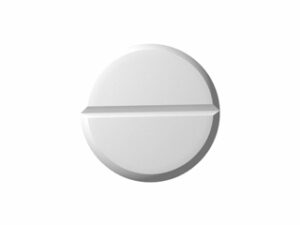
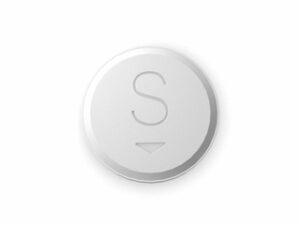
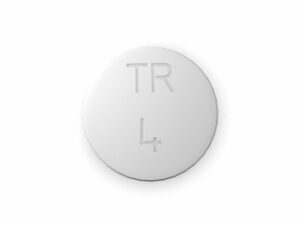
- Common form: Oral tablets (strengths may vary)
- How it’s taken: By mouth
- Typical pattern: Once daily or as directed, depending on the indication
Note: Strengths and dosing schedules can differ between conditions and individuals. Your prescribed regimen is tailored to your situation.
How Aygestin works (mechanism of action)
Norethindrone acetate is converted in the body to an active progestin. Progestins primarily act on the uterus (womb) and the endometrium (the lining of the uterus).
- Stabilises the endometrium: Helps reduce abnormal uterine bleeding by making the uterine lining more stable.
- Opposes oestrogen effects: When oestrogen stimulates the uterine lining, progestins help counteract that growth.
- May affect ovulation: Depending on dose and individual physiology, progestins can suppress or alter ovulation.
- Changes cervical mucus: In some cases, progestins can influence cervical mucus consistency.
The overall effect is improved control of bleeding and support for hormone-related treatment goals.
Pharmacokinetics (how the body processes Aygestin)
Pharmacokinetics describes what happens to a medicine after you take it—absorption, distribution, metabolism, and elimination.
- Absorption: After oral administration, norethindrone acetate is absorbed through the gastrointestinal tract.
- Metabolism: It undergoes metabolism mainly in the liver. The medicine is transformed into active and inactive metabolites.
- Distribution: It distributes throughout the body and binds to blood proteins.
- Elimination: Metabolites are cleared primarily via urine and faeces.
Individual exposure can vary based on liver function, other medicines, and personal factors such as age and body chemistry. If you have liver conditions, discuss this with your healthcare provider before using Aygestin.
Typical uses and indications
Aygestin is used in specific clinical situations where progestogen therapy is beneficial. Common indications may include:
- Abnormal uterine bleeding related to hormone imbalance (for example, irregular or heavy menstrual bleeding in certain circumstances)
- Endometrial conditions where progestogen helps stabilise the uterine lining
- Adjunct management of conditions recommended by your clinician based on your history and investigations
- Hormone therapy-related schedules used to help achieve predictable withdrawal bleeding (when appropriate)
Your exact reason for taking Aygestin depends on your diagnosis, examination findings, and any imaging or blood tests your clinician may have ordered.
Timing and how to take Aygestin
When to take it
- Take at the same time each day to maintain steadier hormone levels.
- Consistency matters: Many regimens work best with regular timing.
How to take it
- Swallow the tablet(s) with water.
- You can take it with or without food unless your pharmacist or clinician advises otherwise.
- Do not crush or break tablets unless advised (check your product instructions).
What to do if you miss a dose
If you miss a dose, follow the instructions given by your pharmacist or the patient information leaflet. In general:
- If you remember soon: take it as soon as you remember.
- If it’s close to the next dose: skip the missed dose and take the next one at the usual time.
- Do not double up to make up for a missed dose.
Because dosing schedules can vary by indication, the “best” approach to missed doses can differ. When in doubt, contact your pharmacy for tailored advice.
Food interactions
Most people can take norethindrone acetate with or without food. However, it’s still helpful to keep your routine consistent.
- Food: No major dietary restrictions are typically required.
- Grapefruit: Some hormone medicines can be affected by grapefruit-related pathways. If you regularly consume grapefruit or grapefruit juice, discuss with your pharmacist.
If you are taking other medicines, check for specific interactions (see below).
Alcohol and medicine interactions
Alcohol
Moderate alcohol intake may not directly interact with norethindrone acetate for everyone, but alcohol can affect:
- Adherence (missed or late doses)
- Side effects such as dizziness or nausea
- Liver health in people who already have liver-related risk
If you drink alcohol, consider keeping intake moderate and consistent, and seek medical advice if you have liver disease or a history of significant liver problems.
Other medicines (important interactions)
Certain medicines can change how Aygestin is metabolised, which may affect effectiveness and bleeding control. Tell your healthcare professional and pharmacist about all medicines you use, including:
- Anticonvulsants (some seizure medicines)
- Antibiotics and medicines used to treat infections (especially rifamycin-type antibiotics)
- Antifungal medicines
- HIV medicines
- Herbal products (notably St John’s wort)
- Medicines that affect liver enzymes
- Some pain or sleep medicines if they affect liver metabolism
Also mention any medicines that increase bleeding risk or affect clotting, as progestogens can have clotting-related risks in certain people (see Safety section).
Dose and administration (general information)
Dosing depends on the medical condition being treated, the severity of symptoms, your medical history, and how you respond. Below are general examples of how progestogen regimens may be structured; your specific instructions may differ.
Common dosing approach (varies by indication)
- Abnormal uterine bleeding: Progestogen is often given for a defined period to stabilise the endometrium, sometimes followed by reassessment.
- Endometrial support schedules: Regimens may be continuous or cyclic depending on your diagnosis and risk factors.
Your tablet strength and total daily dose will be determined by your clinician. Follow the labelled instructions exactly.
Missed doses and bleeding changes
When taking hormone treatments, missed tablets can sometimes lead to:
- Breakthrough bleeding or spotting
- Resumption of previous symptoms
If bleeding changes significantly or becomes heavy, seek medical advice promptly.
Safety profile and side effects
Like all medicines, Aygestin can cause side effects. Not everyone gets them. Many effects are mild and improve after your body adjusts.
Common side effects
- Nausea
- Headache
- Breast tenderness
- Changes in bleeding (spotting, breakthrough bleeding, or changes in flow)
- Mood changes or changes in emotional wellbeing
- Fluid retention or bloating
- Dizziness
Less common but important risks
Progestogens can be associated with certain health risks, especially in people with specific risk factors. Discuss your risk profile with your clinician, particularly if you have:
- A history of blood clots (venous thromboembolism)
- Known thrombophilia
- Risk factors for clotting (smoking, obesity, prolonged immobility, certain surgeries)
- Uncontrolled high blood pressure
- Migraine with aura
- History of jaundice or significant liver disease
Seek urgent medical attention if you develop
- Signs of a clot: sudden shortness of breath, chest pain, coughing blood, swelling/pain in one leg
- Severe headache or headache with neurological symptoms
- Yellowing of the skin or eyes (jaundice)
- Severe abdominal pain or vomiting
- Very heavy bleeding (soaking pads rapidly) or dizziness/fainting
When to contact your pharmacist or doctor
- Side effects that are bothersome or worsening
- Bleeding patterns that are unexpected or persist
- Any symptoms that concern you
Practical tips for safe and effective use
- Track your bleeding and symptoms: a simple diary can help your clinician adjust treatment.
- Keep taking it consistently: hormone stability often improves results.
- Review interactions regularly: if you start new medications (including antibiotics or herbal supplements), re-check interactions.
- Know your risk factors: if you smoke, have migraines, or have clotting risk, discuss options early.
- Use reminders: phone alarms or a medication organiser can reduce missed doses.
- Don’t share medicine: hormone dosing is individual.
Alternative options
Depending on the reason you’re considering Aygestin, other treatment options may be available. Alternatives can include:
- Other progestogens (different formulations and dosing schedules)
- Combined hormonal approaches (where suitable for the individual)
- Non-hormonal bleeding management strategies (based on cause)
- Procedural or surgical options for certain uterine causes, if recommended
- Treating underlying causes such as fibroids, polyps, or other conditions
Your clinician will consider the cause of symptoms, your medical history, and your preferences when choosing alternatives.
Market and legal context for Australia (overview)
Medicines in Australia are regulated through the TGA (Therapeutic Goods Administration). Prescription and supply requirements depend on the specific product and its regulatory classification.
Online pharmacies in Australia must comply with applicable laws and professional standards for supplying medicines. The availability of specific medicines may vary by state and by category. If a medicine is not available through a particular channel, your pharmacy may provide guidance on appropriate alternatives or local supply routes.
Always ensure you use reputable Australian suppliers and check that the product is genuine and within expiry.
Recent guidance and clinical considerations
While recommendations can evolve, key clinical themes around hormone therapies often include:
- Individualised risk assessment: evaluating clot risk, cardiovascular risk, migraines, and liver health.
- Use the lowest effective dose for the shortest time needed to achieve treatment goals.
- Monitoring bleeding patterns: persistent or heavy bleeding should be assessed.
- Awareness of drug interactions: especially with medicines that affect liver enzymes.
If you’re starting Aygestin or changing your dose, ask your clinician what monitoring is recommended for your situation and when follow-up should occur.
Delivery and availability (how online pharmacy supply works)
Availability may depend on stock levels, approved distribution channels, and pharmacy processes. Many online pharmacies offer:
- Secure ordering: payments processed through trusted systems
- Pharmacist review: checks for appropriateness, interactions, and dosing instructions
- Packaging and tracking: medicines are typically packed securely and dispatched with tracking
Delivery times vary by provider and region. Some pharmacies offer express options, while others deliver within a standard timeframe. Check the storefront for current dispatch and shipping estimates.
If you need urgent supply or have concerns about confidentiality and delivery, contact the pharmacy before ordering.
FAQ — Aygestin (Norethindrone Acetate)
1) What is Aygestin used for?
Aygestin is used to treat certain hormone-related conditions, particularly abnormal uterine bleeding and related endometrial issues, depending on your diagnosis and treatment plan.
2) How long does Aygestin take to work?
Many people notice bleeding changes within the first few days to weeks, depending on the condition being treated and the regimen. Your clinician can provide a more specific expectation for your scenario.
3) Can I take Aygestin with food?
Usually yes. Aygestin can typically be taken with or without food. If your pharmacist advises a particular routine, follow that guidance.
4) What should I do if I miss a dose?
Follow the missed-dose advice provided by your pharmacist or the patient leaflet. Often, you do not double up. Because dosing schedules can vary, the correct approach can depend on your specific instructions.
5) Will Aygestin stop my period?
It may reduce or regulate bleeding and sometimes causes withdrawal bleeding after a course. Bleeding patterns can vary between individuals.
6) What are the common side effects?
Common side effects can include nausea, headache, breast tenderness, and changes in bleeding.
7) Are there serious side effects?
Serious complications are uncommon but can occur. Seek urgent medical help if you develop signs of a blood clot (such as sudden shortness of breath or leg swelling), severe headache, jaundice, or very heavy bleeding.
8) Can I drink alcohol while taking Aygestin?
Moderate alcohol may be tolerated, but alcohol can worsen some side effects and may be a concern if you have liver risk. Keep intake moderate and ask your pharmacist if you have any liver-related history.
9) Are there interactions with other medicines?
Yes. Some medicines (including certain anti-seizure medicines, antibiotics, antifungals, HIV medicines, and herbal products like St John’s wort) can affect how norethindrone acetate works. Always check interactions with your pharmacist.
10) What if I have liver problems?
Liver health can affect hormone medicines. Tell your clinician about any liver disease or history of jaundice so they can assess whether Aygestin is suitable and safe for you.
11) What alternatives to Aygestin might be considered?
Alternatives may include other progestogens, other hormonal approaches, non-hormonal options, or investigations/treatments targeting the underlying cause of bleeding (for example, fibroids or polyps).
Summary
Aygestin (norethindrone acetate) is a progestogen medicine used to manage certain gynaecological hormone conditions, most commonly abnormal uterine bleeding and related endometrial issues. It works by stabilising the uterine lining and counteracting unopposed oestrogen effects. Taking it consistently, monitoring your symptoms, and checking medicine interactions are key to safe and effective use. If you experience severe symptoms—especially those suggestive of a clot or significant liver issues—seek urgent medical attention.
If you have questions about your specific dosing schedule, side effects, or interactions, speak with your pharmacist or healthcare provider.