


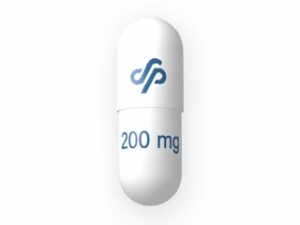
Oseltamivir (Oseltamivir Phosphate) – Patient Information (Australia)
Oseltamivir (oseltamivir phosphate) is an antiviral medicine used to treat and help prevent certain types of influenza (flu). It belongs to a class of medicines called neuraminidase inhibitors. When started early—ideally within 48 hours of flu symptoms—oseltamivir may help reduce the severity and duration of illness.
This page explains how oseltamivir works, how it is taken, what to expect, and practical tips for safe use. It also includes information relevant to people in Australia, including availability and recent guidance themes.
Basic product information
| Category | Details |
|---|---|
| Active ingredient | Oseltamivir (as oseltamivir phosphate) |
| Medicine type | Antiviral (neuraminidase inhibitor) |
| Common uses | Treatment of influenza; prevention (post-exposure or during outbreaks in selected situations) |
| Available forms | Oral capsules and oral suspension (form depends on age and local supply) |
| How it is taken | Swallowed by mouth, typically twice daily for treatment; once daily for prevention (varies by indication) |
| Key timing factor | Best results when started within 48 hours of symptom onset |
How oseltamivir works (mechanism of action)
Influenza viruses use an enzyme called neuraminidase to help new virus particles leave infected cells and spread through the body. Oseltamivir works by blocking neuraminidase, which can reduce viral replication and limit the spread of the virus within the respiratory tract.
By interfering with viral release, oseltamivir can help:
- Reduce the length and intensity of flu symptoms in many people
- Lower the time it takes to become well enough to resume normal activities
- Possibly reduce complications, especially when started early
Pharmacokinetics (what the body does to the medicine)
After you swallow oseltamivir, it is converted in the body into its active form: oseltamivir carboxylate. The medicine is mainly intended to act in the respiratory system.
Absorption
Oseltamivir is absorbed from the gastrointestinal tract and then processed to its active metabolite. Taking it with food may improve stomach tolerance.
Distribution
Oseltamivir carboxylate distributes into tissues, including areas involved in influenza infection. It targets viral processes rather than directly providing symptom relief.
Metabolism and elimination
The active metabolite is cleared primarily by the kidneys. Because of this, people with reduced kidney function may require dose adjustments.
Half-life (simplified)
The active metabolite has a dosing schedule designed to maintain effective antiviral levels during the contagious period and symptomatic window.
Typical use in Australia (indications)
Oseltamivir is used for influenza (flu) caused by influenza A and influenza B viruses. It is used for two main purposes:
- Treatment of influenza in people with flu symptoms, particularly when started soon after symptoms begin.
- Prevention of influenza after exposure (post-exposure) or during outbreak settings, depending on clinical circumstances and local guidance.
Oseltamivir is not a substitute for annual flu vaccination. Vaccines help prevent infection and reduce severity. Antiviral medicines are an additional tool, especially during seasons of high activity or for people at increased risk of complications.
Timing: when to start for best effect
Timing is one of the most important factors for oseltamivir to work effectively. For treatment, it is generally recommended to start as soon as possible—ideally within 48 hours of symptom onset.
Even if you are beyond 48 hours, clinicians may still consider oseltamivir in certain situations, such as severe illness, hospitalisation, or higher-risk individuals. The decision can depend on individual factors and local clinical recommendations.
- For treatment: start at symptom onset (or as soon as influenza is suspected).
- For prevention after exposure: start promptly after known close contact or outbreak exposure, according to advice.
Dosing overview (common schedules)
Dosing depends on the indication (treatment vs prevention), age, and kidney function. Your dosing schedule may differ from the examples below. Always follow the instructions provided with your medicine or by your healthcare team.
Typical adult treatment schedule
- Treatment: often twice daily for 5 days.
Typical adult prevention schedule
- Prevention (post-exposure): often once daily for a limited period after exposure.
- Prevention (season/outbreak settings): sometimes continued for a longer period in selected circumstances.
Children
Doses for children are commonly determined by weight and the specific influenza indication. Oral suspension may be used for younger children. Accurate dosing is important—especially with liquid formulations—so use the provided measuring device.
Kidney impairment
Because oseltamivir is cleared through the kidneys, people with reduced renal function may need a different dose or schedule. Ask your pharmacist or clinician if you have kidney disease or reduced kidney function.
Food interactions and taking oseltamivir with meals
Oseltamivir can be taken with or without food, but taking it with food may improve stomach comfort and reduce nausea. Many people find the experience easier when they take it during a meal or immediately after.
Practical tips
- If you feel nauseated, try taking each dose with food.
- Stay hydrated during flu illness.
- Set reminders to maintain the correct spacing between doses.
There are no widely recognised dietary restrictions that completely prevent oseltamivir use. However, always tell your healthcare team about any significant medical conditions and all medicines you take.
Alcohol and medicine interactions
There is no single, universal “hard rule” that prohibits alcohol with oseltamivir. However, flu can already cause dehydration, fatigue, and stomach upset. Alcohol can worsen these effects and may impair your recovery.
For many people, the safest approach is to limit or avoid alcohol while you are sick, especially if you experience nausea, vomiting, dizziness, or dehydration.
Interaction considerations
- Dehydration risk: both flu and alcohol can contribute to dehydration. Ensure adequate fluids.
- GI effects: nausea or stomach upset can occur with oseltamivir; alcohol may worsen this.
- Medication mixing: If you are using other cold/flu products, check ingredients (e.g., paracetamol, decongestants, sedating antihistamines) to avoid duplication.
Always discuss your specific medication list with a pharmacist if you have concerns about interactions, liver or kidney conditions, or if you take multiple medicines regularly.
Safety profile: what to know
Like all medicines, oseltamivir can cause side effects. Most are mild and improve as treatment ends. The safety profile is well studied across many flu seasons and patient groups.
Common side effects
- Nausea
- Vomiting
- Headache
- Fatigue
- Stomach discomfort
Taking doses with food may reduce nausea. If vomiting occurs, continue as directed unless a clinician advises otherwise.
Less common but important reactions
- Allergic reactions (for example, rash, itching, swelling, difficulty breathing)
- Unusual behavioural changes (reported in rare cases), particularly in children and adolescents
Seek urgent medical attention if you develop signs of a severe allergic reaction or if you or a child experiences concerning behaviour changes. In children, monitor closely during the course of illness and treatment.
When to avoid or use extra caution
- Known allergy to oseltamivir or excipients
- Kidney impairment (requires dosing adjustments)
- Significant medical conditions where medication choices should be individualised
Practical use tips (how to take it effectively)
- Start promptly: begin as soon as possible after flu symptoms start.
- Complete the course: finish the prescribed number of days, even if you feel better early.
- Use the right measuring method: if using suspension, measure carefully with the provided dosing syringe/cup.
- Take consistently: try to take doses at similar times each day.
- Hydrate and rest: flu recovery relies on supportive care (fluids, rest, and appropriate symptom relief).
- Monitor symptoms: if breathing worsens, symptoms escalate, or you develop severe dehydration, seek urgent assessment.
Missed dose guidance (general)
If you miss a dose, take it when you remember unless it is close to the next scheduled dose. Do not take extra medicine to make up for a missed dose. If you are unsure, ask a pharmacist for advice based on your schedule.
What oseltamivir does and does not do
Oseltamivir targets influenza virus activity. It does not directly treat other causes of respiratory symptoms such as common cold viruses. It is also not an immediate symptom reliever.
While taking oseltamivir, you may still need supportive care for fever, pain, sore throat, and cough. Consider appropriate symptom relief options with a pharmacist—particularly if you have other medical conditions or take ongoing medications.
Alternative options for influenza antivirals
Depending on availability, the influenza virus type/susceptibility, age, and clinical circumstances, other antiviral options may be considered. Alternatives can include:
- Zanamivir (an inhaled neuraminidase inhibitor)
- Baloxavir (a different class of antiviral medicine with a different mechanism)
- Supportive care as the foundation for most mild illness
The most appropriate choice depends on factors such as symptom timing, patient age, underlying health, and local clinical recommendations. A pharmacist or clinician can help match the best option to your situation.
Market and legal context for Australia (high-level)
In Australia, medicines are regulated through the Therapeutic Goods Administration (TGA). Antiviral medicines used for influenza are available through pharmacy channels in accordance with relevant scheduling and prescribing requirements.
For consumer safety, Australia’s pharmaceutical system includes standards for supply quality, labelling, and dispensing practices. Online pharmacies may provide products that are suitable for the customer’s needs while ensuring they meet legal and regulatory requirements for distribution.
Always use medicines according to the directions on the label and consult a pharmacist if you have any uncertainty.
Recent guidance themes (what to know during flu season)
Guidance for influenza care commonly emphasises:
- Early assessment: starting antiviral treatment as soon as influenza is suspected, particularly in high-risk individuals.
- High-risk prioritisation: consideration of antivirals for people at increased risk of complications (for example, certain chronic conditions, older age, or immune compromise).
- Infection control: isolation practices, masking where appropriate, and good hand hygiene to reduce spread.
- Vaccination: annual influenza vaccination remains the key preventive measure.
- Supportive care: fever and dehydration management, and escalation of care if symptoms worsen.
Recommendations may vary by season and public health activity. If you are unsure whether oseltamivir is suitable, speak with a pharmacist or healthcare professional.
Delivery and availability (online pharmacy)
Availability can vary during the flu season due to demand. Many online pharmacies offer:
- Secure ordering and product labelling suitable for consumer use
- Home delivery across Australia (delivery times vary by location and stock status)
- Packaging and handling that protect medicines during transit
When placing an order, check:
- That the product form matches the intended use (capsule vs suspension)
- Expiry dates and storage instructions
- Any dosing device included for liquid formulations
If your supply is urgent or you need a specific formulation for a child, contact customer support or a pharmacist to confirm in-stock options and delivery estimates.
FAQ (Frequently asked questions)
1. Is oseltamivir the same as an antibiotic?
No. Oseltamivir is an antiviral medicine. Antibiotics are not effective against influenza viruses and are only used if a bacterial infection is suspected or confirmed.
2. How soon should I start if I think I have the flu?
For best results, aim to start as early as possible—ideally within 48 hours of symptom onset. If symptoms are severe or you are higher risk, seek medical advice promptly.
3. Will it cure the flu immediately?
Oseltamivir can reduce viral activity, but it may not eliminate symptoms instantly. Many people feel improvement over a few days, while supportive care helps with comfort.
4. Can I take it with food?
Yes. Taking oseltamivir with food may reduce nausea and stomach upset. If you get nausea, try taking each dose during or after a meal.
5. What if I miss a dose?
Take it when you remember unless it is nearly time for the next dose. Do not take extra to compensate. If you are unsure, ask a pharmacist.
6. Can I drink alcohol while taking oseltamivir?
There is no one-size-fits-all prohibition, but alcohol can worsen dehydration and stomach side effects and may slow recovery. It’s usually best to limit or avoid alcohol while you are unwell.
7. Are side effects common?
Nausea and vomiting are among the more common side effects. Most people tolerate the medicine well, and food can help. Seek medical help for severe or allergic reactions.
8. Is oseltamivir safe for children?
Oseltamivir is used in children for influenza treatment or prevention in accordance with age/weight-based dosing schedules. Monitoring for unusual behaviour changes is important, and caregivers should watch closely during treatment.
9. Does taking oseltamivir mean I don’t need a flu vaccine?
No. The flu vaccine helps prevent infection and reduces the risk of complications. Antiviral treatment is for managing influenza when it occurs or for specific prevention situations.
10. What should I do if my symptoms get worse?
If you develop worsening breathlessness, chest pain, persistent high fever, confusion, signs of dehydration, or symptoms that rapidly deteriorate, seek urgent medical assessment.
Important note
This information is designed to help you understand oseltamivir. It does not replace advice from a healthcare professional. If you have questions about suitability, dosing, kidney function, drug interactions, pregnancy/breastfeeding considerations, or what to do if side effects occur, contact a pharmacist or clinician for guidance.