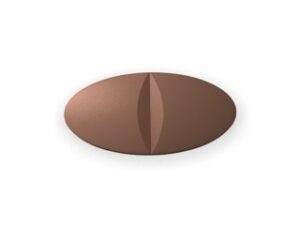

Nortriptyline (Nortriptyline Hydrochloride) – Patient Information (Australia)
Nortriptyline is a medicine used to treat certain mental health and nerve-related conditions. It belongs to a group of medicines called tricyclic antidepressants (TCAs). Many people know it for depression; however, in clinical practice it is also used for specific pain and nerve symptoms where it can help reduce discomfort.
This guide is written to be patient-friendly and provides practical information about how nortriptyline works, when it is taken, and important safety considerations. If you have questions about your individual treatment plan, talk to your doctor or pharmacist.
Basic product information
| Item | Details |
|---|---|
| Generic name | Nortriptyline (as nortriptyline hydrochloride) |
| Medicine type | Tricyclic antidepressant (TCA) |
| Common dosage forms | Tablets or capsules (availability may vary by brand and strength) |
| How it’s usually taken | By mouth, once or divided doses depending on your regimen |
| How long it takes to work | Often 1–2 weeks for early effects; full benefit may take several weeks |
How nortriptyline works (mechanism of action)
Nortriptyline helps to balance chemicals in the brain, particularly norepinephrine (noradrenaline) and, to a lesser extent, serotonin. It works by:
- Inhibiting reuptake of norepinephrine and serotonin, increasing their availability in nerve synapses
- Modulating certain brain receptors involved in mood and pain signalling
- Having analgesic (pain-modulating) effects in certain chronic pain and nerve conditions
The exact way it reduces nerve-related pain is not fully understood, but it is believed to involve changes in how pain signals travel through the nervous system.
Pharmacokinetics (how your body handles the medicine)
“Pharmacokinetics” describes how the medicine is absorbed, distributed, metabolised, and eliminated. Understanding this can help you take it consistently and know what to expect:
- Absorption: Nortriptyline is absorbed after oral dosing.
- Distribution: It distributes throughout the body, including the nervous system.
- Metabolism: The liver metabolises nortriptyline, primarily by enzyme pathways involving CYP enzymes.
- Elimination: Metabolites are excreted mostly via the kidneys.
- Half-life: Nortriptyline has a relatively long duration of action, which is why many regimens use once-daily dosing.
Because individual metabolism varies, your prescriber may adjust the dose gradually and may consider additional monitoring in some circumstances—especially if you have other medications or medical conditions.
Typical uses in clinical practice
Nortriptyline may be used for:
- Depression, particularly when a calmer or more “sedating” TCA effect is desired
- Chronic neuropathic pain (nerve pain), such as:
- Post-herpetic neuralgia
- Diabetic neuropathy (in selected patients)
- Other long-term nerve pain conditions as advised by a clinician
- Prevention of migraine in some patients (where appropriate)
- Other nerve-related conditions based on clinical assessment
Uses depend on your history, symptoms, and risk factors. Your pharmacist can help explain what your treatment is intended for.
Indications (when nortriptyline is chosen)
In Australia, decisions about using nortriptyline are made by clinicians based on evidence, patient factors, and suitability. Nortriptyline may be considered when:
- Symptoms of depression or recurrent depressive illness are present
- There is neuropathic pain that has not fully responded to simpler measures
- There is a need for an option that can also help with sleep disturbance or chronic pain symptoms in the evening (if appropriate)
- Other medicines are unsuitable due to side effects, interactions, or individual response
Timing and how to take nortriptyline
Many people take nortriptyline once daily, often in the evening because it can cause drowsiness or sleepiness. However, some regimens involve split dosing. Always follow your specific schedule.
Practical timing tips
- Consistency: Take it at the same time each day.
- Evening dosing: If it makes you drowsy, taking it in the evening may help.
- If it causes daytime sleepiness: Discuss with your pharmacist/doctor—do not adjust the dose yourself.
- Taking with food: You can usually take it with or without food; see food interaction section for more detail.
If you miss a dose, take it when you remember unless it is close to your next dose. Do not double up. If you are unsure, contact your pharmacist.
Dosing (general guidance)
Dosing varies widely based on the condition being treated, age, other health conditions, and sensitivity to side effects. Dose changes should be made gradually.
Important: The information below is general and not a substitute for an individual prescription or clinician advice.
How dosing often starts
- Adults: Typically started at a low dose to reduce side effects, then increased slowly if needed.
- Older adults: Doses are often lower and increased more cautiously due to increased sensitivity and higher risk of certain adverse effects.
- Children and adolescents: Use is generally more restricted and should only be done if specifically recommended by a qualified clinician.
Dose adjustments and monitoring
- Your clinician may adjust dose based on symptom response and tolerability.
- In some situations, blood tests may be considered to monitor drug levels, especially if there are interactions or side-effect concerns.
- Stop and restart decisions should be made by a clinician where possible; stopping suddenly may worsen symptoms or trigger withdrawal-like effects.
Food interactions
Nortriptyline does not have a “strict” rule that it must be taken with food, but food can influence how comfortable you feel after a dose. Some patients find taking it with a light meal helps reduce stomach upset.
Consider the following:
- With meals: Taking with food may lessen nausea or stomach discomfort for some people.
- Consistency: Try to keep your routine similar day-to-day.
- Grapefruit: Avoid large amounts unless your pharmacist says it’s fine. Grapefruit can affect some drug-metabolism pathways.
Always check with your pharmacist about specific foods or supplements if you have a complex diet or take herbal products.
Alcohol interactions
Alcohol can increase side effects of nortriptyline and may affect your judgement, coordination, and risk of drowsiness. Combining nortriptyline with alcohol can also increase the chance of dizziness and falls.
- Avoid or limit alcohol while starting nortriptyline, especially during dose changes.
- Do not drive or operate machinery if you feel sleepy, slow to react, or unsteady.
If you drink alcohol regularly, discuss this with your pharmacist or doctor so they can advise the safest approach for you.
Medicine interactions (important)
Nortriptyline can interact with other medicines, which may change effectiveness or increase side effects. Tell your pharmacist or doctor about all medicines you take, including over-the-counter products and supplements.
Common interaction categories
- Other medicines that affect serotonin: Combining with certain antidepressants or migraine medicines may increase risk of serotonin-related effects.
- MAO inhibitors: Using these with nortriptyline can be dangerous. MAO inhibitors require a careful washout period.
- CYP-interacting medicines: Some drugs can raise or lower nortriptyline levels by affecting liver enzymes.
- Medicines that affect heart rhythm: Nortriptyline can influence heart electrical activity in some people. Caution is needed with other rhythm-affecting medications.
- Sedating medicines: Combined effects can increase drowsiness and risk of impaired coordination.
- Anticholinergic medicines: These may add to dry mouth, constipation, or blurred vision.
- Blood thinners: Interaction risk may vary—pharmacist advice is recommended.
When to seek urgent advice
Contact medical services urgently if you develop symptoms such as fainting, severe dizziness, chest palpitations, severe agitation or confusion, or signs of an allergic reaction (swelling of face/lips, trouble breathing).
Safety profile: what to know
Like all medicines, nortriptyline can cause side effects. Many are dose-related and improve with time or dose adjustment. Some adverse effects require prompt medical attention.
Common side effects
- Sleepiness or drowsiness (often early on)
- Dizziness, especially when standing up
- Dry mouth
- Constipation
- Blurred vision
- Increased sweating
- Nausea
- Tremor or mild restlessness
- Weight changes (some people gain weight)
Less common but important risks
- Changes in heart rhythm (particularly in people with existing heart conditions or when combined with interacting medicines)
- Low blood pressure or fainting (orthostatic hypotension)
- Urinary retention, especially in men with prostate issues
- Confusion or agitation, particularly in older adults
- Severe constipation (rare but serious if bowel function is compromised)
- Serious mood changes: watch for worsening depression or suicidal thoughts, particularly during early treatment or dose changes
Managing side effects (general)
- Dry mouth: sip water regularly, sugar-free gum or lozenges can help
- Constipation: increase fluids and fibre; discuss stool softeners with your pharmacist if needed
- Dizziness: rise slowly from sitting/lying positions
- Sleepiness: take in the evening if advised; avoid alcohol and sedatives
Practical use tips (day-to-day guidance)
Getting the best results
- Give it time: Nortriptyline may take weeks to provide full benefit for depression or nerve pain.
- Don’t stop suddenly: Abrupt stopping can worsen symptoms or cause uncomfortable effects.
- Track symptoms: Consider noting sleep, pain intensity, mood, and side effects to help your clinician fine-tune dosing.
Driving and alertness
Because nortriptyline may cause sleepiness or slowed reaction time—especially early in treatment—take care with driving, cycling, or operating machinery until you know how it affects you.
Hydration and bathroom routine
- Dry mouth can increase thirst—keep water nearby.
- Constipation is common; aim for regular fibre and fluids.
- If you have difficulty passing urine, contact a clinician promptly.
Missed doses
If you miss a dose, take it as soon as you remember if it’s not close to your next dose. If you’re unsure what to do, ask your pharmacist.
Storage
- Keep in the original packaging.
- Store at appropriate room temperature away from heat and moisture.
- Keep out of reach of children.
Alternative options
Alternatives depend on what condition you are treating (depression, migraine prevention, neuropathic pain, etc.). A clinician may recommend one option over another based on symptom patterns, side effect tolerance, and other medications.
Possible alternatives for depression
- Other antidepressants such as selective serotonin reuptake inhibitors (SSRIs)
- Other tricyclic antidepressants or related medicines, depending on suitability
Possible alternatives for nerve-related pain
- Gabapentin or pregabalin
- Some antidepressants with pain-modulating effects (based on local clinical practice)
- Non-medicine approaches such as physiotherapy, nerve-focused strategies, or pain psychology support
Non-pharmacological approaches
- Sleep and stress management
- Regular gentle activity and pacing
- Cognitive behavioural therapy (CBT) for depression and chronic pain
- For migraine: trigger tracking and preventative lifestyle routines
Your pharmacist can help explain differences in side effect profiles and typical timing when comparing options.
Australia: market and legal context (overview)
In Australia, the availability of medicines depends on how they are classified under the national medicines scheduling framework and individual product status. Nortriptyline hydrochloride is a medicine that is used under medical supervision in appropriate patients.
Pharmacy supply processes are designed to ensure you receive the right medicine for your needs and appropriate counselling about safe use, storage, and interactions. Always check the product packaging and information leaflet for the latest details for your specific brand.
Note: Medicine classifications and guidance can change over time. If you need confirmation for your specific situation, ask a pharmacist.
Recent guidance and monitoring considerations
Guidance across antidepressant use commonly emphasises:
- Careful starting and dose adjustment to reduce side effects
- Monitoring mood changes, particularly early in treatment and after dose changes
- Awareness of drug interactions and heart-related risks in susceptible individuals
- Supportive counselling about adherence, expectations, and when to seek urgent help
Your prescriber may recommend additional monitoring such as blood pressure checks, review of other medicines, or—when clinically appropriate—heart assessment. Always attend planned reviews so your treatment can be optimised.
Delivery and availability (online pharmacy)
Availability of nortriptyline depends on brand and strength. When ordering online, you can typically expect:
- Secure packaging to protect tablets/capsules during transit
- Delivery timeframes that vary by location and courier service
- Labelled products with clear dosing instructions on the outer carton and patient information
To help your order arrive smoothly, ensure your delivery address details are correct and consider receiving during a time when someone can accept the parcel.
If a product is temporarily unavailable, a pharmacy may offer suitable alternatives or help you choose the same active ingredient in a different brand/strength (subject to clinician guidance).
FAQ – Frequently asked questions
1) When will I feel better after starting nortriptyline?
Some people notice changes in sleep or anxiety within the first week or two. For depression or chronic nerve pain, it often takes several weeks to reach the full effect. Keep taking it as directed and discuss progress at follow-up appointments.
2) Should I take nortriptyline with food?
Many people can take nortriptyline with or without food. If it upsets your stomach, taking it with a light meal may help. Try to keep your routine consistent.
3) Can I drink alcohol while taking nortriptyline?
It’s best to avoid or limit alcohol because it can increase drowsiness and worsen side effects such as dizziness. If you do drink, discuss the safest approach with your pharmacist.
4) What medicines should I avoid?
Avoid starting or stopping medicines without advice. Some combinations can increase risk through interactions, including certain antidepressants, sedating medicines, rhythm-affecting medicines, or drugs that alter liver metabolism. Always tell your pharmacist about everything you take.
5) What should I do if I miss a dose?
Take it when you remember unless it is nearly time for your next dose. Do not double doses. If you’re unsure, ask your pharmacist.
6) Is nortriptyline sedating?
It can be. Many people are advised to take it in the evening. If you feel too sleepy or unsafe, speak with your pharmacist to review timing or dosing.
7) Can I stop nortriptyline suddenly?
Stopping abruptly may cause problems such as symptom rebound or withdrawal-like effects. If you want to stop, discuss a gradual plan with your clinician.
8) Is nortriptyline safe for older adults?
It may be used, but older adults often require lower starting doses and closer monitoring due to higher susceptibility to dizziness, constipation, and heart-related effects. A clinician will consider your medical history and current medicines.
9) Will nortriptyline affect my heart?
In some people, tricyclic antidepressants can influence heart rhythm. Risk increases with existing heart disease, certain electrolyte imbalances, and interacting medicines. If you have a history of heart problems, diabetes with electrolyte disturbances, or you take other rhythm-affecting medicines, discuss monitoring with your doctor.
10) What are warning signs that need urgent help?
Seek urgent medical advice if you experience fainting, severe dizziness, chest pain, severe palpitations, severe confusion, or signs of an allergic reaction (swelling of face/lips, trouble breathing). Also seek help if mood worsens significantly or you have thoughts of self-harm.
Key takeaways
- Nortriptyline is a tricyclic antidepressant used for depression and certain nerve-related pain conditions.
- It may take weeks for full benefit; early effects may occur sooner.
- Common side effects include drowsiness, dry mouth, constipation, and dizziness.
- Be careful with alcohol and medicines that interact, especially those affecting serotonin, sedation, or heart rhythm.
- Follow a consistent daily schedule and do not stop suddenly without medical advice.
Always read the product information supplied with your medicine and contact your pharmacist if you have questions about how to take it safely.