
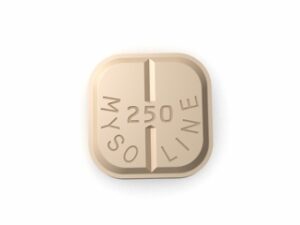
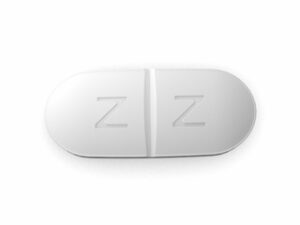
Namenda (Memantine) – Patient-Friendly Guide (Australia)
Namenda contains memantine, a medicine used to help manage symptoms of certain cognitive disorders. If you or a loved one has been prescribed memantine (for example, for moderate-to-severe Alzheimer’s disease), the information below can help you understand how it works, how to take it safely, and what to expect.
This page is written for people in Australia and uses plain language. Always follow the specific directions you receive from your healthcare professional and the information on your medicine label.
Quick Facts
- Medicine name: Namenda (memantine)
- What it’s used for: Moderate-to-severe Alzheimer’s disease; sometimes other dementia-related symptoms depending on clinical assessment.
- How it works: Helps regulate glutamate signalling in the brain to reduce “over-activity” that may contribute to memory and thinking problems.
- How it’s taken: Usually once daily (depending on formulation and prescriber instructions).
- Common side effects: Dizziness, headache, constipation, confusion, and tiredness (varies between individuals).
- Key safety points: Dose adjustments may be needed in kidney impairment; interactions and alcohol use should be considered.
Basic Product Information
Memantine is an oral medication available in tablet and/or capsule formulations (brands and strengths can vary). In Australia, memantine is supplied through pharmacy channels under approved product listings.
| Topic | Typical details (general) |
|---|---|
| Active ingredient | Memantine |
| Medicine type | NMDA receptor antagonist (glutamate modulator) |
| Common dosing pattern | Gradual initiation may be used; maintenance often once daily |
| Main intended use | Symptoms of moderate-to-severe Alzheimer’s disease |
| Route | Oral (by mouth) |
How Namenda (Memantine) Works
In the brain, glutamate is a messenger involved in memory and learning. With certain neurodegenerative conditions, glutamate signalling can become excessive, which may contribute to nerve cell stress.
Memantine works by blocking NMDA (N-methyl-D-aspartate) receptors in a way that helps prevent overstimulation while still allowing normal signalling. The result is a stabilising effect on brain pathways involved in cognition and daily functioning.
What to expect from treatment
- It helps symptoms, not cures. Many people experience stabilisation or slow changes rather than dramatic improvements.
- Effects may build over time. Some benefits become clearer after weeks of consistent use.
- Regular review matters. Your healthcare professional can monitor function, side effects, and whether ongoing therapy remains appropriate.
Pharmacokinetics (How the Body Handles Memantine)
Pharmacokinetics describes absorption, distribution, metabolism, and elimination.
- Absorption: Memantine is absorbed after oral dosing. Food generally does not significantly reduce its overall absorption.
- Distribution: It distributes into body tissues, including the brain, where it acts on NMDA receptors.
- Metabolism: Memantine is partly metabolised. A significant portion remains unchanged.
- Elimination: The kidneys play an important role in clearing memantine from the body.
- Urine pH effects: Drug clearance can be influenced by urine acidity/alkalinity. Changes in urine pH may increase or decrease memantine levels.
Clinical implication: Because kidney function affects elimination, dosing may need adjustment in people with moderate-to-severe kidney impairment.
Typical Use and Indications in Australia
Namenda (memantine) is commonly used for:
- Alzheimer’s disease: Particularly for moderate-to-severe Alzheimer’s disease, based on clinical evaluation.
- Other dementia-related symptoms: In some clinical contexts, memantine may be considered for symptoms related to cognitive decline. The decision depends on diagnosis, severity, and overall care plan.
Important note: Use is determined by your healthcare professional and depends on your specific condition and stage of disease. For some people, memantine may be used alone or alongside other dementia medicines where clinically appropriate.
How and When to Take Namenda (Timing)
Always follow the dosing instructions on your label and from your healthcare professional. If you’re unsure, ask your pharmacist.
Starting treatment
- Memantine therapy is often started at a low dose and increased gradually to improve tolerability.
- The titration schedule varies by product and patient factors.
Daily timing
- Many regimens are taken once daily, commonly at the same time each day.
- Choose a time that helps you remember the dose (e.g., morning or evening), based on how you feel on the medicine.
If you miss a dose
- Take the missed dose when you remember unless it’s close to the next dose.
- If it’s near the next scheduled dose, skip the missed dose and continue as normal.
- Do not take a double dose to make up for the missed one.
Food Interactions and Practical Eating Tips
Memantine can generally be taken with or without food. In most people, food does not cause clinically significant changes in how well memantine is absorbed.
Practical tips
- Keep it consistent: Taking it with the same routine meal each day can help with adherence.
- Swallowing: If you have difficulty swallowing tablets/capsules, speak with your pharmacist about suitable options or assistance techniques.
- Hydration: Adequate fluid intake supports general health and kidney function (unless restricted by your healthcare professional).
Alcohol and Medicine Interactions
Alcohol
Alcohol may worsen side effects that can occur with memantine, such as dizziness, drowsiness, or confusion. It may also increase the risk of falls, especially in older adults.
Recommendation: If you choose to drink alcohol, do so cautiously and in moderation, and avoid heavy drinking. Seek advice if you have a history of falls, confusion, or liver/kidney issues.
Other medicines that may interact
Memantine can interact with certain medicines. Tell your healthcare professional and pharmacist about all medicines you use, including:
- Other cognitive medicines for dementia
- Medicines that can alter urine pH (for example, some drugs affecting kidney function or acid-base balance)
- NMDA-related medicines or other drugs affecting glutamate pathways (your clinician can advise)
- Medicines cleared by the kidneys (especially if you have kidney impairment)
Urine pH and interaction risk
Because memantine is cleared partly by the kidneys and urine pH can affect its excretion, medicines and supplements that change urine acidity can potentially affect memantine levels.
Examples of factors that may change urine pH include certain diets, large changes in hydration, and some medicines. Do not start new products without professional advice if you are taking memantine.
Dosing Overview (General Guidance)
Dose depends on the product strength, your age, and kidney function. For safety, the most important rule is: follow your label and professional instructions.
Common dosing principles
- Gradual dose increases are commonly used at the beginning.
- Maintenance dose is usually reached after titration.
- Renal impairment adjustments may be necessary, since kidney clearance influences drug levels.
Kidney function considerations
- If you have kidney disease, your healthcare professional may use a modified dosing schedule or monitor you more closely.
- Seek advice promptly if you develop unusual confusion, dizziness, or other new side effects—especially if kidney function is reduced.
Do not change dose on your own
If you think the dose is too high or not working, contact your healthcare professional rather than adjusting the amount yourself.
Safety Profile and Side Effects
Like all medicines, Namenda (memantine) may cause side effects. Many are mild and improve as your body adjusts, but some require medical attention.
Common side effects
- Dizziness
- Headache
- Constipation
- Tiredness or sleepiness
- Confusion (more noticeable in some people)
Less common but important effects
- Changes in balance or risk of falls
- New or worsening agitation
- Urinary frequency or other urinary changes
- Allergic-type reactions (rare)
When to seek urgent help
Get urgent medical assistance if you or someone else experiences:
- Signs of an allergic reaction such as swelling of the face/lips, rash with breathing difficulty
- Severe dizziness, fainting, or falls resulting in injury
- Sudden severe worsening confusion or extreme sleepiness
- Symptoms suggesting a serious neurologic change
General safety tips
- Be careful when standing up quickly, especially at the start of treatment.
- Check medications for side effect overlap (for example, sedating medicines can increase fall risk).
- Keep follow-up appointments so your clinician can review benefits and tolerability.
Practical Use Tips for Caregivers and Patients
Memantine is often used long-term as part of broader dementia care. These tips can make treatment easier and safer.
Make taking it routine
- Link the dose to a daily habit (breakfast, teeth brushing, medication time).
- Use a pill organiser or a blister pack if available.
- Consider setting alarms or using medication reminders.
Monitor changes after starting or adjusting
- Record any new symptoms or side effects, including dizziness, sleepiness, constipation, or behavioural changes.
- Track whether daily activities (e.g., dressing, eating, communicating) are stable or changing.
- Bring notes to appointments.
Manage constipation proactively
Constipation can occur with memantine and may also be influenced by low fluid intake, reduced movement, or other medications.
- Maintain adequate fluids if appropriate for your health condition.
- Include fibre-rich foods (unless you’ve been advised otherwise).
- Discuss stool softeners or laxatives with your pharmacist if needed.
Falls prevention
- Ensure good lighting at home and remove trip hazards.
- Stand up slowly.
- Review other medicines that may contribute to dizziness.
Alternative Options (What else may be used?)
Whether memantine is the right medicine depends on diagnosis, stage of disease, comorbidities, and other medications. Alternatives may include other medicines used in Alzheimer’s disease or different approaches to symptom management.
Other medicine options (examples)
- Cholinesterase inhibitors (commonly used in Alzheimer’s disease in appropriate stages)
- Combination therapy may be considered in some cases
Non-medicine supports
- Cognitive stimulation and structured activities
- Physical exercise and mobility support tailored to ability
- Sleep support and routine adjustments
- Caregiver strategies for communication, orientation, and daily tasks
Tip: If you’re discussing alternatives, bring a full list of current medications and any kidney or liver issues to help your healthcare professional choose the safest option.
Market and Legal Context for Australia
In Australia, medicines are regulated to support safe supply, quality, and appropriate use. Memantine is an established medicine for cognitive disorders and is supplied through authorised channels.
- Pharmacy supply: In practice, memantine is typically provided via mainstream pharmacy services.
- Quality and authenticity: Purchasing through reputable suppliers helps ensure you receive legitimate, correctly stored medication.
- Safety monitoring: Because dementia medicines can affect people differently, clinical review and counselling are important.
Compliance reminder: Do not use medicines for conditions or individuals other than those for whom they are intended, and do not share medication.
Recent Guidance and Ongoing Considerations
While specific recommendations may change over time, dementia care in Australia generally emphasises:
- Individualised assessment of diagnosis and stage of disease
- Regular review of benefits versus side effects
- Holistic management including behavioural symptoms, sleep, mobility, and caregiver support
- Medication safety, including kidney function assessment for drugs like memantine
If you have recently started memantine or had your dose adjusted, discuss follow-up timing with your healthcare professional to ensure safe monitoring.
Delivery, Availability, and How Online Purchasing Works (Australia)
Namenda (memantine) availability can vary by brand and strength. When ordering online in Australia, reputable services typically support:
- Checking stock for the required strength and pack size
- Secure packaging suitable for maintaining product integrity
- Delivery tracking and estimated dispatch times
- Pharmacist support for questions about use and side effects
Storage at home
- Store according to the label (typically at controlled room temperature).
- Keep out of reach of children.
- Do not use after the expiry date.
Note: If you receive the medicine with any damage to the packaging, contact the supplier promptly.
FAQ: Namenda (Memantine)
1) What is Namenda (memantine) used for?
Namenda is commonly used to manage symptoms of moderate-to-severe Alzheimer’s disease. It helps with cognitive and daily living symptoms for some people, but it does not cure the disease.
2) How long does it take to work?
Some changes may be noticed after starting and as the dose is increased, but benefits often become clearer over several weeks. Regular review helps determine whether it’s helping in your situation.
3) Can I take Namenda with food?
In most cases, yes. You can usually take memantine with or without food. Consistency with your daily routine can help.
4) What should I do if I miss a dose?
Take it when you remember unless it’s close to the next dose. If it’s almost time for the next dose, skip the missed one and continue. Do not double up.
5) Does kidney disease affect memantine dosing?
Yes. Memantine is cleared by the kidneys, so people with reduced kidney function may require dose adjustments and closer monitoring.
6) Are there any food or drink interactions?
Memantine has limited food interactions for absorption. However, factors that change urine pH may influence clearance. Avoid major changes in diet or supplements that could affect urine acidity without advice.
7) Can I drink alcohol while taking Namenda?
Alcohol may increase side effects such as dizziness and confusion and may increase fall risk. If you drink, do so cautiously and in moderation. Ask a clinician if you have concerns.
8) What side effects are most common?
Common side effects can include dizziness, headache, constipation, tiredness, and sometimes confusion (especially in sensitive individuals).
9) When should I contact a doctor urgently?
Seek urgent help for signs of severe allergic reaction, severe dizziness or fainting, sudden marked confusion, or other serious symptoms.
10) What are alternatives to Namenda?
Depending on the diagnosis and stage, other dementia medicines (such as cholinesterase inhibitors) or combination approaches may be considered. Non-medicine supports (exercise, cognitive stimulation, routine strategies) are also important.
Disclaimer
This information is general and designed to help you understand Namenda (memantine). It does not replace medical advice from your healthcare professional. If you have questions about dosing, interactions, or side effects, contact your pharmacist or doctor.