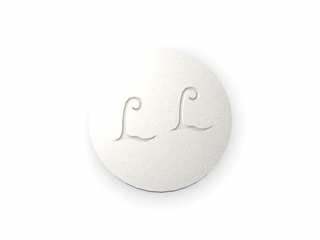
Myambutol (ethambutol hydrochloride)
Myambutol contains ethambutol hydrochloride, an antibiotic used as part of combination treatment for certain mycobacterial infections, most importantly tuberculosis (TB). It works against bacteria that grow slowly, helping prevent the infection from worsening and helping stop resistance when used alongside other TB medicines.
This page is written to be patient-friendly and is designed for education. Medicines can affect people differently—always follow the instructions you receive from your healthcare professional.
Basic product information
| Feature | Information |
|---|---|
| Active ingredient | Ethambutol hydrochloride |
| Brand name | Myambutol |
| Medicine type | Antibiotic (antimycobacterial) |
| Common role in therapy | Used with other antibiotics for TB and some non-tuberculous mycobacterial (NTM) infections |
| Formulations | Tablet forms are commonly available (strengths may vary by product) |
| Storage | Store at controlled room temperature; keep in the original container and protect from moisture and heat |
How Myambutol works (mechanism of action)
Ethambutol is bacteriostatic against many mycobacteria, meaning it inhibits their growth and helps the immune system and other antibiotics clear the infection.
It interferes with the formation of the mycobacterial cell wall by targeting pathways involved in arabinose-containing components of the bacterial cell wall. This makes the cell wall weaker and reduces the bacteria’s ability to multiply.
Ethambutol’s effect is strongest when taken consistently and as part of combination therapy. Using it alone can increase the risk of resistance.
Pharmacokinetics (how the body handles the medicine)
After oral dosing, ethambutol is absorbed and distributes throughout the body, including areas where mycobacteria may be present. It is eliminated mainly by the kidneys. For people with reduced kidney function, blood levels may become higher and the dose may need adjustment.
- Absorption: Orally administered and absorbed into the bloodstream.
- Distribution: Reaches tissues where infection may occur; crosses into relevant compartments.
- Metabolism: Limited metabolism; active drug is largely cleared from the body.
- Elimination: Predominantly via renal (kidney) excretion.
- Why this matters: Kidney function influences dosing and the risk of adverse effects.
Typical uses
Myambutol is used to treat specific mycobacterial infections. The most common indication is:
- Tuberculosis (TB) (usually as part of a multi-drug regimen). Ethambutol is commonly used in initial TB treatment to reduce resistance and improve treatment success.
- Non-tuberculous mycobacterial (NTM) infections, in selected cases and in combination with other antibiotics, depending on organism and sensitivity testing.
Indications: when it is considered
Ethambutol is considered when a healthcare professional suspects or confirms an infection caused by organisms susceptible to ethambutol. In TB, it is typically selected based on local protocols and the goal of using multiple medicines to prevent resistance.
Suitability depends on:
- The suspected or confirmed organism
- Your overall medical history
- Kidney function
- Eye health and prior vision problems
- Other medicines in the planned regimen
Dosing and timing
Dosing for ethambutol is individualised. It is usually calculated based on body weight and the treatment plan being used. Typical TB dosing regimens involve daily or intermittent schedules depending on the protocol and clinical circumstances.
Important: Always use the dose and schedule provided by your healthcare professional. Do not change the dose without advice.
How to take Myambutol
- Take at the same time each day (if prescribed daily).
- Swallow tablets with water.
- Try to maintain consistency so antibiotic levels remain steady.
- If you miss a dose, follow the advice given by your pharmacist or healthcare professional.
Example timing approach (general)
Many people find it easiest to take ethambutol with an established daily routine, such as:
- With breakfast, or
- With the same meal each day,
This helps support adherence. Your exact schedule should match the instructions provided for your specific treatment regimen.
Food interactions and what to expect
Ethambutol can generally be taken with or without food. Taking it with food may help reduce stomach upset for some people. There are no common dietary restrictions required for most patients.
Practical tips:
- Choose a routine: taking it at the same mealtime each day can improve adherence.
- Stay hydrated: drink adequate water unless your clinician advises fluid restriction.
- Avoid missed doses: if you experience nausea, taking with food may help.
Alcohol interactions
Alcohol can worsen overall health and may increase the burden on the liver and body during treatment. While ethambutol is not primarily “alcohol-opposed” in the way some medicines are, alcohol can:
- Increase the risk of side effects (such as dizziness or general wellbeing issues)
- Reduce adherence (leading to missed or inconsistent dosing)
- Potentially complicate monitoring when multiple TB drugs are taken together
For best results, consider avoiding alcohol during treatment or discuss safe limits with your healthcare professional—especially if you are also taking other TB medicines.
Medicine interactions (including common combination TB therapy)
Myambutol is usually taken with other medicines for TB or NTM. Interaction considerations can include:
- Other antibiotics/anti-TB medicines: Many TB regimens include multiple drugs, each with its own interaction profile. Your healthcare professional will select combinations to improve effectiveness and limit resistance.
- Kidney function–affecting medicines: Since ethambutol is eliminated by the kidneys, medicines that affect renal function may influence risk. Tell your clinician about all medicines, including non-prescription products.
- Medicines that can affect vision: If you are taking other medicines that may impact vision, you may require closer monitoring.
To reduce risk, provide a complete list of:
- All prescription medicines
- Pharmacy medicines (including cough, cold, and pain products)
- Herbal supplements
- Vitamins and minerals
Safety profile: key side effects to know
Like all medicines, ethambutol may cause side effects. Many are mild, but some require prompt attention—particularly those involving vision. Always report new symptoms early to your healthcare professional.
Most important (vision-related) adverse effects
The most well-known serious risk with ethambutol is optic neuritis, which can affect sight. Symptoms may develop gradually, often in people with higher doses, longer duration, significant kidney impairment, or concurrent risk factors.
Seek medical attention promptly if you notice:
- Blurred vision
- Reduced visual acuity (difficulty seeing clearly)
- Colour vision changes (especially red/green)
- Pain around the eyes or with eye movement
- Any sudden or worsening vision changes
Other possible side effects
- Gastrointestinal: nausea, vomiting, loss of appetite
- Headache
- Dizziness (may be more noticeable in some individuals)
- Skin reactions: rash (uncommon)
- General: fatigue or malaise
Not all side effects are listed here. If you experience anything that worries you, contact your healthcare professional.
When to get urgent help
Seek urgent medical care if you develop signs of a serious allergic reaction (for example, swelling of the face/lips, trouble breathing, widespread hives) or severe symptoms such as rapidly worsening vision.
Practical use tips to help treatment succeed
TB and some NTM infections can be challenging to treat, and medicines must be taken correctly for long enough to achieve cure and prevent relapse.
Adherence strategies
- Use a medication organiser (pill box) if you take multiple medicines.
- Set reminders on your phone or clock.
- Keep a routine: choose a consistent time and link it with a daily habit.
- Keep track of refills: contact your pharmacy early to avoid running out.
- Don’t stop early: even if you feel better, follow the full course plan.
Eye monitoring and reporting
- If you are starting ethambutol, ask whether your healthcare team recommends a baseline eye assessment.
- Report any vision changes immediately, even if mild.
- Do not “wait and see” if colour vision or clarity changes.
Kidney and general health
- Tell your healthcare professional if you have kidney disease or reduced kidney function.
- Keep hydrated unless you have been advised to restrict fluids.
- Attend scheduled blood tests or monitoring if your regimen includes them.
Alternative options (what may be used instead)
Alternatives depend on the specific infection (TB vs NTM), organism sensitivity, your medical history, and local treatment guidelines. Ethambutol is one component of combination therapy; replacing it may require adjustments to other medicines.
Examples of other medicines that may be used in TB/NTM regimens (not an exhaustive list):
- Rifampicin
- Isoniazid
- Pyrazinamide
- Levofloxacin or other fluoroquinolones (depending on regimen)
- Other antibiotics selected based on culture results and resistance patterns
Your healthcare professional will choose alternatives only if needed—for example, due to side effects, resistance, or drug interactions. Do not substitute medicines on your own.
Myambutol and alcohol: summary
Alcohol may increase the likelihood of feeling unwell and can interfere with adherence. If you plan to drink, discuss your situation with your healthcare professional—especially if you are also taking other TB medicines that may affect the liver.
Australia: market and legal context
In Australia, medicines are regulated under the Therapeutic Goods Administration (TGA) framework. Availability, brand listing, and prescribing processes follow Australian health regulations and local clinical guidance for TB and NTM care.
TB treatment is delivered through established clinical pathways, with emphasis on correct multi-drug regimens, monitoring, and public health reporting obligations. Your care team will guide you on the appropriate medicines and monitoring plan.
Recent guidance and monitoring considerations
Clinical guidance for TB can evolve over time based on updated evidence, resistance trends, and safety monitoring. Common themes include:
- Combination therapy: ethambutol is typically not used alone.
- Adherence and duration: consistent dosing and completing the full treatment course.
- Safety monitoring: especially vision monitoring and kidney-related considerations.
- Coordination: care often involves public health services and specialist clinics.
Your healthcare professional can provide the most current local plan for your situation.
Delivery and availability in Australia
Availability may depend on stock levels and the specific product presentation (for example, tablet strength and pack size). Many online pharmacies in Australia can arrange delivery within standard timeframes, subject to regulatory requirements and prescription verification processes.
When ordering online, check:
- Product strength and pack size to ensure it matches your dose plan
- Expiry date shown on the pharmacy label where available
- Storage instructions to keep the medicine effective
- Delivery timing and tracking options
If you need urgent treatment or have limited supply, contact the pharmacy before placing an order so they can advise on expected dispatch and alternatives if necessary.
FAQ
1. What is Myambutol used for?
Myambutol (ethambutol) is used as part of combination treatment for tuberculosis and, in some cases, for non-tuberculous mycobacterial infections, depending on the organism and sensitivity testing.
2. How soon will I feel better?
Some symptoms may improve within weeks, but TB and NTM often require months of treatment. Feeling better does not mean the infection is cured—complete the full course as advised.
3. Can I take Myambutol with food?
Yes. Ethambutol can usually be taken with or without food. Taking it with food may help if you experience nausea.
4. What happens if I miss a dose?
If you miss a dose, follow the guidance provided by your pharmacy or healthcare professional. In general, do not double up unless instructed. Consistency is important for treatment effectiveness.
5. How does Myambutol affect vision?
Ethambutol can rarely cause optic neuritis, which may lead to blurred vision or colour vision changes. Report vision changes immediately. Early attention helps reduce the risk of long-term effects.
6. Who is at higher risk of vision problems?
Risk may be higher with higher doses, longer treatment, kidney impairment, and certain clinical situations. If you have kidney disease or have been told you have higher risk, ask about monitoring and appropriate dosing.
7. Does Myambutol interact with other TB medicines?
It is commonly used alongside other TB drugs as part of a combination regimen. Your clinician selects the combination to maximise effectiveness and manage safety. Tell your healthcare professional about all medicines and supplements you take.
8. Can I drink alcohol while taking Myambutol?
Alcohol is generally discouraged during treatment because it can worsen wellbeing and reduce adherence. Discuss safe options with your healthcare professional, especially if your regimen includes medicines that affect the liver.
9. Is Myambutol safe for everyone?
Not everyone is suitable. Safety depends on factors such as kidney function, eye health, other medications, and the specific infection being treated. Your healthcare team will determine whether ethambutol is appropriate.
10. What should I tell my pharmacist or doctor before starting?
Share information about:
- Your kidney health or any history of kidney disease
- Any eye conditions or previous vision problems
- All medicines and supplements you are taking
- Any history of allergic reactions
11. Are there alternatives if Myambutol doesn’t suit me?
Alternatives depend on your diagnosis and organism sensitivity. If ethambutol is not suitable (for example, due to side effects), clinicians may adjust the regimen. Do not switch medicines without medical advice.
12. How should I store Myambutol?
Store according to the instructions on the packaging, typically at room temperature and in the original container. Keep away from moisture, heat, and out of reach of children.
Remember: If you notice any vision changes or severe side effects, seek medical advice promptly. Consistent use as part of the full treatment plan is essential for successful outcomes.