

Micardis (Telmisartan) – Patient-Friendly Medicine Information (Australia)
Micardis is a brand of telmisartan, a medicine used to treat high blood pressure and to help protect the heart in certain people. This page explains how Micardis works, how it is used, what to expect, and key safety information in an easy-to-read way for patients in Australia.
Important: Always follow the instructions provided by your treating clinician and the product packaging. If you have questions about your specific situation, ask a pharmacist or doctor.
1) Basic product information
- Brand: Micardis
- Generic name: Telmisartan
- Medicine type: Angiotensin II receptor blocker (ARB)
- Common strengths: 20 mg, 40 mg, 80 mg (depending on product availability)
- How it’s taken: Usually by mouth, once daily
- Who it’s for: People with hypertension; some higher-risk patients to reduce cardiovascular risk
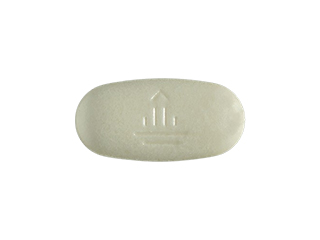
Micardis tablets are designed to deliver telmisartan to your body for sustained blood-pressure control. The tablet strength you use depends on your diagnosis and treatment plan.
2) What Micardis does (mechanism of action)
Telmisartan works by blocking the effects of angiotensin II. Angiotensin II is a natural substance in the body that tightens blood vessels and helps raise blood pressure. It can also contribute to hormone and fluid changes that strain the heart and blood vessels.
As an ARB, telmisartan binds to angiotensin II receptors (mainly the AT1 receptor). This helps:
- Relax blood vessels → lowering blood pressure
- Reduce strain on the heart by improving vascular function
- Support kidney protection in appropriate patients (particularly when overall blood pressure and kidney risk factors are well managed)
Micardis does not directly act like a diuretic (“water tablet”), though it may still influence kidney blood flow and salt balance indirectly through its ARB effect.
3) Pharmacokinetics (how the body processes telmisartan)
Pharmacokinetics describes what happens to a medicine after you take it—absorption, distribution, metabolism, and elimination.
- Absorption: Telmisartan is absorbed after oral dosing. Its absorption is adequate in most patients.
- Peak levels: Blood levels generally rise to a maximum (peak) about 1–2 hours after taking a dose.
- Food effect: Food may slightly reduce the rate and/or extent of absorption, but this typically does not eliminate the overall benefit of treatment (see “Food interactions” below).
- Protein binding: Telmisartan is highly bound to blood proteins.
- Metabolism: It is metabolised mainly by glucuronidation and has minimal involvement with CYP enzymes.
- Elimination: The drug is cleared mostly through the bile/feces pathway. Renal clearance is less significant.
- Half-life: Telmisartan has a relatively long duration of action, supporting once-daily dosing.
Because telmisartan works over a full day, many people find consistent dosing improves blood-pressure stability.
4) Typical use and timing
Common reasons Micardis is used
- Hypertension (high blood pressure): To lower blood pressure and reduce the risk of stroke, heart attack, and heart failure.
- Cardiovascular risk reduction: In selected patients at higher cardiovascular risk (for example, those with established atherosclerotic disease) to help reduce cardiovascular events as guided by clinical assessment.
When to take Micardis
Micardis is commonly taken once daily. You can usually take it at any time of day; many patients choose a time that is easy to remember.
- Consistency matters: Try to take it at the same time each day.
- Morning or night: Either is acceptable for most people. If it causes dizziness for you, consider taking it at bedtime (but check with a clinician).
- If you miss a dose: Take it when you remember unless it is close to the next dose. Do not double up.
5) Food interactions
Micardis can be taken with or without food.
- General effect of food: Taking telmisartan with food may reduce the rate of absorption and sometimes the extent slightly, but overall blood-pressure control remains effective for most patients.
- Practical approach: Choose a routine you can maintain (with or without food) and stick with it.
If you have a sensitive stomach or experience nausea, taking it with a small meal may improve comfort—confirm your approach with a pharmacist if you have special circumstances.
6) Alcohol and medicine interactions
Alcohol can lower blood pressure. When combined with Micardis, alcohol may increase the likelihood of:
- Dizziness
- Light-headedness, especially when standing up
- Low blood pressure symptoms
Moderation is advisable. Avoid heavy or binge drinking, particularly when starting telmisartan or after dose changes.
Medicine interactions: Telmisartan can interact with other medicines that affect kidney function, potassium levels, or blood pressure. Some combinations may require monitoring, dose adjustments, or alternative therapy.
Common interaction categories to be aware of
- Potassium supplements or potassium-containing salt substitutes
- Potassium-sparing diuretics (e.g., spironolactone, eplerenone) in some situations
- Other blood pressure medicines (may be beneficial together, but requires careful monitoring)
- Non-steroidal anti-inflammatory drugs (NSAIDs) such as ibuprofen, naproxen, and diclofenac
- Medicines affecting kidney function
- Lithium (can raise lithium levels and toxicity risk)
- Some diabetes medicines (your clinician may monitor blood glucose and kidney function depending on your regimen)
Key point: Do not start, stop, or change doses of any medicines—including “over-the-counter” products—without checking with a pharmacist, particularly if you use NSAIDs regularly or have kidney disease.
7) Indications (who Micardis is for)
Micardis (telmisartan) is used for:
- Treatment of hypertension: To reduce elevated blood pressure.
- Reduction of cardiovascular risk: In appropriate patients with increased cardiovascular risk, as determined by their healthcare team.
Selection of patients for cardiovascular risk reduction depends on individual clinical factors such as age, history of cardiovascular disease, and other risk factors.
8) Dosing (how much to take)
Dosing should be individualised. Below is general guidance on typical dosing patterns. Your exact dose should follow your clinician’s instructions and the product label.
Adults – common dosing approach
| Use | Typical starting dose | Common maintenance dose range | Notes |
|---|---|---|---|
| Hypertension | 20–40 mg once daily (depending on patient) | 40–80 mg once daily | May adjust based on blood-pressure response and tolerability. |
| Cardiovascular risk reduction (selected patients) | Often 80 mg once daily | 80 mg once daily | Used based on clinical judgement and risk profile. |
Special situations
- Kidney problems: Telmisartan is often used in kidney disease with caution. Your kidney function and potassium may need monitoring.
- Liver problems: In certain hepatic impairment, dosing adjustments may be necessary.
- Older adults: Dose is chosen based on blood pressure, kidney function, and overall health.
Time to effect: Blood pressure may start to improve within days, but maximum effect is usually achieved after several weeks of consistent use. Your clinician may review your readings after an appropriate period.
9) Safety profile (side effects and precautions)
Like all medicines, Micardis can cause side effects. Not everyone will experience them. Many people tolerate telmisartan well.
Common side effects
- Dizziness
- Low blood pressure symptoms (e.g., light-headedness, especially when standing)
- Fatigue
- Raised potassium in blood tests (hyperkalaemia)
Less common but important side effects
- Kidney function changes (may show up in blood tests)
- Allergic reactions (rare), including swelling of the face/lips or difficulty breathing
- Muscle cramps or weakness (sometimes related to electrolyte changes)
Seek urgent medical help if you notice
- Signs of a severe allergic reaction: swelling of face, lips, tongue, or throat; severe rash; breathing difficulty
- Severe dizziness or fainting
- Very little urine or sudden fluid retention symptoms
- Chest pain, severe shortness of breath, or stroke-like symptoms (call emergency services)
Important precautions
- Risk of low blood pressure: More likely if you are dehydrated, have vomiting/diarrhoea, or take diuretics.
- Potassium monitoring: Higher potassium can be dangerous in severe cases.
- Kidney disease: ARBs can affect kidney function in some situations; monitoring is important.
- Pregnancy: Medicines affecting the renin-angiotensin system are generally not used during pregnancy. If pregnancy is possible, discuss contraception and options with your clinician immediately.
10) Practical use tips (getting the best results)
- Take it the same way every day: Once-daily dosing works best when consistent.
- Monitor blood pressure: Home blood pressure readings help your clinician adjust treatment. Record values and bring them to reviews.
- Stay hydrated appropriately: Dehydration can worsen dizziness and kidney-related side effects.
- Be cautious with NSAIDs: Regular use of ibuprofen/naproxen/diclofenac can increase risk of kidney problems when combined with ARBs—ask your pharmacist for safer options.
- Know your lab schedule: Your clinician may check kidney function (creatinine/eGFR) and electrolytes (especially potassium) after starting or changing dose.
- Don’t stop suddenly: For blood pressure control and cardiovascular protection, stopping without medical advice can lead to loss of control.
How to manage missed doses
If you miss a dose, take it when you remember. If it is nearly time for the next dose, skip the missed dose. Do not take two doses at once.
11) Alternative options
If Micardis is not suitable due to side effects, interactions, cost, or treatment goals, there are alternative medicines. Your clinician can help choose an option based on your condition and other health factors.
Alternative ARBs (similar class)
- Losartan
- Valsartan
- Candesartan
- Olmesartan
Other blood pressure medicine classes
- ACE inhibitors (e.g., perindopril, enalapril) – not the same class but also affect the renin-angiotensin system
- Calcium channel blockers (e.g., amlodipine)
- Thiazide-type diuretics (e.g., hydrochlorothiazide or indapamide)
- Beta-blockers (e.g., metoprolol) in selected patients
Note: Alternatives may have different interactions, monitoring needs, and dosing schedules.
12) Micardis in the Australian market – legal and practical context
In Australia, medicines like Micardis (telmisartan) are regulated by the Therapeutic Goods Administration (TGA) and are supplied through appropriate pharmacy channels. Medicine availability and prescribing/dispensing requirements depend on the product classification and clinical circumstances.
Pharmacist support: Australian pharmacists can provide guidance on correct use, side effects, interactions, and suitable timing. They can also advise if a medicine should be taken with food or with certain other treatments.
Quality and authenticity: When purchasing online, choose reputable services that meet Australian supply and compliance standards.
13) Recent guidance and monitoring considerations
In recent years, clinical guidance across many ARB medicines has emphasised careful monitoring of:
- Blood pressure targets and individualised treatment plans
- Kidney function and electrolytes (especially potassium) after initiating or increasing doses
- Drug interaction risk, particularly with NSAIDs, diuretics, potassium supplements, and lithium
- Use in pregnancy and the need for prompt review if pregnancy occurs
Your clinician may also review whether you need combination therapy (for example, adding a calcium channel blocker or diuretic) based on blood pressure readings and tolerability.
14) Delivery and availability (Australia)
Availability may vary by strength and stock levels. Many online pharmacies offer:
- Home delivery within Australia (timelines depend on location and courier service)
- Tracking updates in some cases
- Secure packaging to protect tablets
How to prepare for ordering:
- Choose the correct strength (e.g., 40 mg or 80 mg) as advised.
- Allow time for processing and delivery if you’re approaching a dose schedule that may run out.
- Keep previous packaging or written instructions to confirm your dose.
If you need urgent supply (for example, before travel), contact the pharmacy’s customer service to ask about delivery options and stock.
15) FAQ (Frequently Asked Questions)
Is Micardis used only for blood pressure?
Micardis is commonly used for hypertension. In some higher-risk patients, it is also used to help reduce cardiovascular risk, based on clinical judgement.
How quickly will Micardis lower my blood pressure?
Some improvement may be noticed within days. However, the full effect typically takes several weeks with regular daily use.
Can I take Micardis with food?
Yes. You can take Micardis with or without food. Food may slightly affect absorption rate, but overall effectiveness is usually maintained.
What should I do if I feel dizzy after taking Micardis?
Dizziness can happen, particularly when starting treatment or after a dose change. Sit or lie down if you feel faint. Check your blood pressure if you can. Contact your pharmacist or doctor if dizziness is persistent or severe.
Should I avoid alcohol?
It’s best to keep alcohol moderate. Alcohol can further lower blood pressure and may increase dizziness or light-headedness—especially at the start of treatment.
What medicines should I be careful with?
Be cautious and ask advice if you use:
- NSAIDs (ibuprofen, naproxen, diclofenac) regularly
- Potassium supplements or salt substitutes
- Lithium
- Other blood pressure medicines that may compound low blood pressure
Your pharmacist can check interactions with your specific medication list.
Will Micardis affect my kidneys or potassium levels?
It can. Some patients may experience changes in kidney function or increased potassium. This is why clinicians often arrange blood tests after starting or adjusting the dose.
Is it safe to take during pregnancy?
Medicines affecting the renin-angiotensin system are generally not used during pregnancy. If pregnancy is possible, discuss contraception and treatment options promptly with your clinician.
What if I miss a dose?
Take it when you remember unless it is close to the next dose. Don’t take two doses at once.
Are there alternatives if Micardis doesn’t suit me?
Yes. Depending on your situation, your clinician may suggest another ARB, an ACE inhibitor, or a different blood pressure medicine class.
Summary
Micardis (telmisartan) is an ARB used to treat high blood pressure and, for selected patients, reduce cardiovascular risk. It works by blocking angiotensin II receptors, relaxing blood vessels and lowering blood pressure. It is typically taken once daily, with effects building over weeks. Food can be taken with or without food, while alcohol may increase dizziness by lowering blood pressure further. Because telmisartan can affect kidney function and potassium, monitoring and careful review of interacting medicines (especially NSAIDs and potassium-related products) are important.
If you have questions about your dose, side effects, or drug interactions, consult your pharmacist or doctor.