


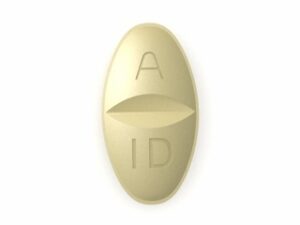
Flunarizine (Commonly Used for Migraine Prevention) – Patient Information
Flunarizine is a medicine used to help prevent certain types of headaches, particularly migraine. It is often chosen when migraines occur regularly and when prevention is preferable to treating attacks only after they start. This guide explains what flunarizine does, how it works, typical use, timing, side effects, and important safety considerations for people in Australia.
Basic Product Information
| Item | Information |
|---|---|
| Medicine name | Flunarizine |
| Common use | Prevention of migraine; sometimes used for other headache-related or balance-related conditions depending on clinical assessment |
| How it is taken | Oral (tablets/capsules depending on brand) |
| Typical dosing frequency | Often once daily |
| Onset of benefit | May take several weeks to notice improvement |
Brand names and pack sizes can vary. Always check the specific product label you receive.
How Flunarizine Works (Mechanism of Action)
Flunarizine belongs to a class of medicines often described as calcium channel blockers with additional effects on the brain’s blood vessels and neurotransmitter systems. While the exact mechanism behind migraine prevention is complex, flunarizine is thought to:
- Reduce abnormal signalling involved in migraine pathways.
- Help stabilise cerebral blood flow by acting on vascular tone.
- Influence neurotransmitters that contribute to headache generation and “migraine susceptibility.”
In simple terms, flunarizine helps make migraines less frequent and/or less severe for many people, but it is generally not intended for rapidly stopping a migraine attack once it has started.
Pharmacokinetics (Absorption, Distribution, Metabolism, Elimination)
Pharmacokinetics describe how the body handles a medicine. Although exact values can vary by individual and formulation, the overall pattern for flunarizine is:
- Absorption: Orally taken flunarizine is absorbed from the gastrointestinal tract.
- Distribution: It can distribute into body tissues and has a tendency to accumulate with regular use.
- Metabolism: Flunarizine is metabolised primarily in the liver.
- Elimination: The medicine and its metabolites leave the body through both bile/feces and, to a lesser extent, urine depending on metabolism.
Because flunarizine can remain in the body for some time and may build up with repeated dosing, consistent daily use is often important for prevention strategies.
Typical Uses in Practice
Flunarizine is most commonly used for migraine prophylaxis (preventing migraines). In some clinical settings, it may be considered for other conditions related to migraine biology or where balance-related symptoms co-exist with migraine tendencies.
The best use for an individual depends on their history, risk factors, current medications, and the pattern of their symptoms.
Common indications
- Prevention of migraine in people with frequent or burdensome attacks.
- Adjunctive management where clinicians aim to reduce migraine frequency and improve quality of life.
- Selected balance/vertigo patterns in specific cases where a migraine-related mechanism is suspected (as determined by a healthcare professional).
Dosing and Timing
Dose schedules can vary based on the person’s age, health status, and response to treatment. Always follow the dosing instructions on the product label you receive.
Typical adult dosing (general guidance)
- Often taken once daily, commonly in the evening or at night to reduce daytime drowsiness.
- Response evaluation: Migraine prevention benefits may be assessed after a trial period, often several weeks.
Children and older adults
Use in children and older adults may require extra care because sensitivity to side effects can differ with age. Dosing must be individualised.
Timing tips
- Consider taking flunarizine at the same time each day.
- If you feel sleepy, evening or night dosing is often better.
- If you miss a dose, take it when remembered unless it’s close to the next dose—do not double up.
Food Interactions
Flunarizine can generally be taken with or without food. Some people find that taking it with a meal reduces the chance of stomach discomfort.
- Take with food if you experience nausea or indigestion.
- Consistency helps: try to keep the same routine from day to day.
Specific food-based interactions are not commonly highlighted as major concerns for flunarizine, but individual tolerability may vary.
Alcohol and Medicine Interactions
Alcohol
Alcohol may increase the risk of side effects such as drowsiness, dizziness, or impaired coordination. If you drink alcohol, consider:
- Start with small amounts to see how you respond.
- Avoid heavy drinking while adjusting to flunarizine.
- Do not drive or operate machinery if you feel sleepy or unsteady.
Common medicine interactions to discuss
Flunarizine may interact with other medicines, particularly those that affect the brain or cause sedation. It’s important to review your full medication list—including prescription, over-the-counter, and herbal products.
- Sedatives and sleep medicines: may increase drowsiness.
- Medicines that affect the nervous system: may alter balance or alertness.
- Drugs that influence liver enzymes: can potentially change flunarizine levels (metabolism is mainly hepatic).
- Other treatments for migraine or headaches: usually can be used together, but the overall plan should be coordinated to avoid side-effect overlap.
If you use multiple medicines, pharmacist counselling is strongly recommended to help identify interaction risks.
How Flunarizine is Used for Migraine Prevention (Practical Approach)
Flunarizine is typically part of a broader migraine prevention plan. Many people are also advised on lifestyle strategies such as regular sleep, hydration, stress management, and identifying trigger patterns.
When to expect results
- Some people notice changes within a few weeks.
- For others, benefits may take longer.
Track your headaches
Keeping a headache diary can help you and your healthcare team evaluate whether flunarizine is working. Consider noting:
- Date and time
- Number of headache days
- Severity (mild/moderate/severe)
- Duration
- Possible triggers (sleep loss, stress, missed meals)
- Any side effects
Duration of a prevention trial
Preventive treatments are generally reviewed after a reasonable trial period. If you are improving, clinicians may continue; if it’s not effective or side effects occur, an adjustment may be considered.
Safety Profile: Who Should Be Cautious?
Like all medicines, flunarizine can cause side effects. Most are mild to moderate, but some may be serious for certain people.
Common side effects
- Drowsiness or tiredness (often improves with bedtime dosing)
- Dizziness
- Weight gain in some people
- Dry mouth or gastrointestinal discomfort (less commonly)
Less common but important risks
- Extrapyramidal symptoms (movement-related symptoms such as tremor, stiffness, or unusual restlessness).
- Mood changes, including depressive symptoms or changes in behaviour in some individuals.
- Fatigue that affects daily function.
When to seek urgent help
Seek urgent medical advice if you experience:
- Severe worsening depression or thoughts of self-harm
- Severe allergic reaction (swelling of face/lips, difficulty breathing, widespread rash)
- Marked movement symptoms (significant tremor, severe stiffness, inability to move normally)
Special caution groups
- People with a history of depression or mood disorders may need extra monitoring.
- Older adults may be more sensitive to dizziness and drowsiness.
- People with balance problems should be cautious due to potential dizziness.
- Liver disease may affect metabolism and increases the need for careful review.
Practical Use Tips
- Start low and consistent (as advised): if your clinician recommends gradual initiation, follow that plan.
- Take it in the evening if drowsiness occurs.
- Be careful with driving until you know how flunarizine affects you.
- Stay hydrated and eat regularly: while not a direct interaction, migraine prevention often improves when lifestyle basics are stable.
- Use a headache diary to guide whether the medicine is helping.
- Do not stop suddenly without advice if you’ve been taking it regularly; review with your healthcare professional is recommended.
Alternative Options for Migraine Prevention
If flunarizine is not suitable or doesn’t provide enough benefit, there are other prevention strategies. Options may include non-medicine approaches and different medicine classes.
Non-medicine strategies
- Sleep and routine optimisation
- Stress reduction techniques
- Regular meals and hydration
- Identifying and avoiding personal triggers
- Physiotherapy or exercise plans for some headache types
Medicine options (examples)
Your prescriber may consider alternatives such as:
- Beta-blockers
- Antidepressants used for migraine prevention
- Anti-seizure medicines used for migraine prevention
- Other preventive migraine therapies (availability varies)
The “best” alternative depends on your migraine pattern, other health conditions, and side-effect tolerance.
Market and Legal Context for Australia
In Australia, medicines are regulated under the National Medicines Policy and related frameworks, with classification based on the risk profile of the active ingredient and the intended use. Availability and restrictions may vary by:
- Whether the medicine is listed as prescription-only, pharmacist-only, or otherwise scheduled
- Brand and pack size
- Regulatory updates and supply changes
Online pharmacies in Australia must comply with relevant laws for dispensing, safety screening, and delivery. Where flunarizine is available through pharmacy channels, it may be subject to additional safety checks or product-specific conditions.
Recent guidance (high level)
Migraine management guidance in Australia and internationally has increasingly emphasised:
- Individualised preventive plans based on migraine frequency, disability, and response
- Regular review of effectiveness and side effects
- Mindful selection of medicines for people at higher risk of mood or movement-related adverse effects
- Careful assessment of medication-overuse headache when people use acute headache medicines frequently
Always follow the most current advice from Australian healthcare organisations and your healthcare professional.
Delivery and Availability (What to Expect)
Availability can vary between brands and suppliers. When ordering online, check:
- Product strength and formulation: tablets/capsules and mg strength
- Pack size and whether it matches your planned course
- Expiry date and storage requirements
- Delivery timeframe based on your location in Australia
Many online pharmacies use trackable delivery services across Australia. If stock is unavailable, some providers can offer alternatives or advise when the product may return to availability.
Safety Checklist Before You Start
Before beginning flunarizine (or restarting after a break), consider discussing the following with your pharmacist or healthcare professional:
- Any history of depression or mood changes
- Any history of movement disorders or tremor
- Current medicines (including sedatives, sleep aids, and herbal products)
- Alcohol intake patterns
- Other health conditions, especially liver problems
- Pregnancy or breastfeeding plans (if applicable)
FAQ
1) Is flunarizine used to treat a migraine attack?
Flunarizine is primarily used for prevention (to reduce migraine frequency). It is generally not used as an “instant” treatment for an active migraine attack. For acute attacks, other medicines may be used as advised for your situation.
2) How long does it take for flunarizine to work?
Many people need a trial of several weeks to judge benefit. Migraine prevention is often evaluated after an initial period, because headache patterns can take time to change.
3) What should I do if I miss a dose?
If you forget a dose, take it when you remember unless it’s close to your next scheduled dose. Do not take two doses at once. If you’re unsure, ask a pharmacist for advice.
4) Can I take flunarizine with food?
It can usually be taken with or without food. If it upsets your stomach, taking it with a meal may help.
5) Does alcohol affect flunarizine?
Alcohol may increase drowsiness and dizziness. It’s best to limit alcohol, especially when you’re first starting or when increasing dose (if dose changes are recommended).
6) What side effects are most common?
Drowsiness/tiredness, dizziness, and sometimes weight gain are among the more commonly reported effects. Taking it at night can help manage sleepiness.
7) Are there serious side effects?
Although less common, important serious concerns include significant mood changes, movement symptoms (extrapyramidal symptoms), and allergic reactions. If you notice severe or unusual symptoms, seek medical advice promptly.
8) Can flunarizine be used long-term?
Some people use preventive medicines for extended periods, but your situation should be reviewed regularly to confirm benefit and monitor side effects. Preventive therapy is often reassessed when migraine frequency improves.
9) What alternatives exist if flunarizine doesn’t suit me?
Options may include other preventive migraine medicines, as well as lifestyle and non-medicine approaches. Your best alternative depends on your migraine pattern and your risk of side effects.
10) How should I store flunarizine?
Store the product according to the label instructions, typically at room temperature and away from moisture and heat. Keep it out of reach of children.
Summary
Flunarizine is an oral preventive medicine commonly used to reduce migraine frequency. It works by influencing neurological pathways and blood flow regulation involved in migraine biology. Benefits may take several weeks, so consistent use and careful tracking are important. Like all medicines, it has potential side effects—particularly drowsiness, dizziness, mood changes, and, less commonly, movement-related symptoms—so it’s important to review your medical history and current medicines.
If you have questions about whether flunarizine is suitable for you, or how it fits into your migraine prevention plan, consult a pharmacist or healthcare professional for tailored advice.