
Dolutegravir (DTG) — Patient-Friendly Guide (Australia)
Dolutegravir is an antiretroviral medicine used to treat HIV (Human Immunodeficiency Virus). It works by stopping HIV from multiplying in the body, helping people maintain viral suppression and protect their immune system.
This guide explains how dolutegravir works, how it’s used, what to expect, and key safety and interaction information. It’s written for patients and carers, with Australia-focused practical details where relevant.
1) Basic product information
| Category | Details |
|---|---|
| Generic name | Dolutegravir |
| What it’s for | HIV treatment (part of combination antiretroviral therapy) |
| Medicine type | Integrase strand transfer inhibitor (INSTI) |
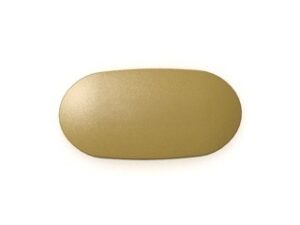
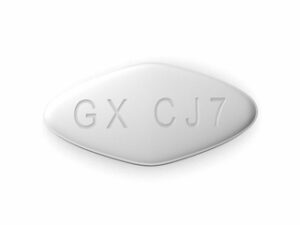
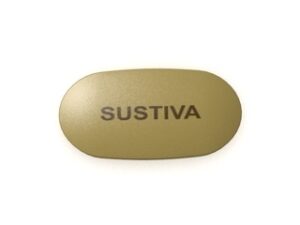
| Common forms | Tablets (brand and strength vary by product) |
| Usual dosing frequency | Often once or twice daily depending on regimen and other medicines |
| Where it’s used | In Australia and internationally for HIV |
Important: Dolutegravir is almost always used in combination with other HIV medicines. This helps prevent resistance and improves effectiveness.
2) Mechanism of action (how dolutegravir works)
Dolutegravir is an integrase strand transfer inhibitor (INSTI). After HIV enters a cell, it needs to copy its genetic information and integrate it into the cell’s DNA so it can reproduce. Dolutegravir blocks a key step in this process:
- Blocks HIV integrase (an enzyme required for inserting HIV DNA into human DNA)
- Prevents HIV from establishing productive infection in new cells
- Helps reduce viral load to undetectable levels when taken correctly
Because dolutegravir targets a specific step in the HIV life cycle, it can be a powerful part of first-line and switch regimens, depending on individual circumstances.
3) Pharmacokinetics (how the body handles dolutegravir)
Pharmacokinetics describes how a medicine is absorbed, distributed, metabolised, and eliminated.
- Absorption: Dolutegravir is absorbed from the gastrointestinal tract. It can be taken with or without food in many regimens.
- Peak levels: Peak plasma concentrations typically occur within a few hours after a dose (exact timing can vary by formulation and patient factors).
- Distribution: It is distributed throughout the body and can reach relevant tissues involved in HIV.
- Metabolism: Dolutegravir is primarily metabolised by the liver (notably via pathways involving UGT1A1).
- Elimination: It is cleared from the body through both metabolism and excretion routes.
- Half-life: Dolutegravir has a relatively long half-life, supporting once-daily dosing in many adult regimens.
Practical takeaway: consistent daily dosing and avoiding major drug interactions are key to maintaining reliable blood levels and effectiveness.
4) Typical use in HIV treatment
Dolutegravir is used as part of combination antiretroviral therapy (ART). Common goals of ART include:
- Achieving and maintaining viral suppression (often “undetectable”)
- Restoring and preserving immune function (e.g., CD4 cell count)
- Reducing HIV-related illness and improving quality of life
- Preventing transmission to partners when viral load is consistently undetectable (“U=U” concept)
Your specific regimen (which other medicines are paired with dolutegravir) depends on previous treatment history, resistance profile, other medical conditions, and potential interactions.
5) Timing and missed dose guidance
Regular timing: Try to take dolutegravir at the same time each day to support steady levels.
Consistency matters: If you take it with other HIV medicines, follow the schedule that your treatment team provided for the whole regimen.
What to do if a dose is missed
General guidance (always follow your clinician/pharmacist’s advice and the product information):
- If you remember soon after you should take the missed dose.
- If it’s close to the next dose, skip the missed dose and resume your regular schedule.
- Do not double up unless instructed.
If you have missed multiple doses, have vomiting/diarrhoea soon after taking your dose, or are unsure what to do, contact a healthcare professional or your pharmacist for advice tailored to your situation.
6) Food interactions and taking with meals
In many cases, dolutegravir can be taken with or without food. Food generally does not reduce effectiveness for most people.
Special food-related considerations
- Calcium, iron, magnesium, and certain supplements can interact with dolutegravir. The main issue is often related to binding in the gut.
- Supplements/antacids containing aluminium or magnesium may require separation of doses.
Practical rule of thumb: If you take mineral supplements (e.g., iron or calcium), check whether dose separation is required. Your pharmacist can advise the safest timing (often spacing by several hours, depending on the specific product and dose).
7) Alcohol and medicine interactions
Alcohol does not typically “cancel out” dolutegravir in the way some medicines do, but it can still affect your health and adherence.
- Liver health: People with liver disease (or coinfections such as hepatitis) may be more sensitive to alcohol-related liver stress.
- Side effects: Alcohol may worsen nausea, fatigue, dizziness, or headache—symptoms that some people may experience with HIV medicines.
- Adherence risk: Alcohol can make it easier to miss doses.
If you drink alcohol, consider keeping intake moderate and discuss your situation with a healthcare professional—particularly if you have liver disease or take other medicines that affect the liver.
Other important medicine interactions
Dolutegravir can interact with medicines that affect its metabolism or that contain minerals that bind in the gut. Some interactions may require dose adjustments or specific timing.
Common categories to discuss with your pharmacist/doctor
- Antacids containing aluminium or magnesium
- Mineral supplements (iron, calcium, magnesium, zinc) and multivitamins that contain these
- Carbamazepine and other enzyme-inducing medicines
- Phenytoin, phenobarbital and certain other anticonvulsants
- Rifampicin (tuberculosis treatment)
- Some antibiotics (interaction potential varies)
- Herbal products such as St John’s wort (can reduce effectiveness)
- Other HIV medicines (regimens are designed together to reduce interaction risk)
Always tell your pharmacist about all medicines and supplements you take, including over-the-counter products.
8) Indications (when dolutegravir is used)
Dolutegravir is indicated for the treatment of HIV. It may be used in:
- Adults and paediatric patients (depending on local formulation and approved age/weight ranges)
- Newly diagnosed people starting ART
- Switching regimens for ongoing treatment when appropriate
- Some cases where an integrase inhibitor–based regimen is preferred
The exact suitability depends on your medical history, previous resistance testing, and current co-medications.
9) Dosing (typical adult use)
Dosing can vary by regimen, other medicines, kidney/liver function, and approved local product information. Your pharmacist or treatment team will confirm the correct dose for your specific product and combination.
Common adult dosing patterns:
- Once daily in many standard regimens
- Twice daily in some situations, such as when certain interacting medicines (e.g., some enzyme inducers) are used or as part of specific regimen choices
Do not change the dose without professional guidance. If you are starting a new medicine (including supplements), check whether it affects your dolutegravir dosing schedule.
Dose timing with interacting agents
- If you take antacids or mineral supplements, you may need to separate them from dolutegravir by several hours.
- If you take tuberculosis medicines like rifampicin, the regimen may need adjustment.
Your pharmacist can provide a clear “when to take what” schedule based on your current medications.
10) Safety profile (side effects and monitoring)
Most people tolerate dolutegravir well, especially when part of a well-chosen combination regimen. However, like all medicines, it can cause side effects.
Common side effects
- Headache
- Nausea or stomach discomfort
- Diarrhoea
- Fatigue
- Sleep disturbance (may occur in some people)
Less common but important risks
- Allergic reactions: seek urgent medical help if you develop rash with swelling of the face/lips, trouble breathing, or severe skin reactions.
- Changes in mood or neurological symptoms: if you experience new or worsening anxiety, depression, severe insomnia, confusion, or unusual thoughts, contact a healthcare professional promptly.
- Laboratory changes: routine blood tests may monitor liver function and other parameters.
Monitoring that may be recommended
- Viral load and CD4 count to assess response to treatment
- Kidney and liver function tests as part of ongoing care
- Additional monitoring if you have hepatitis, other chronic conditions, or take medicines with interaction potential
If you are pregnant or planning pregnancy, or if you have a history of kidney stones or mental health conditions, discuss this with your healthcare team so your treatment can be optimised.
11) Practical use tips (getting the best results)
- Use reminders: phone alarms, pill boxes, or calendars can improve adherence.
- Keep a medication list: include all prescription, over-the-counter, and supplement products.
- Check supplements: many “wellness” products and multivitamins contain minerals that can interact.
- Travel planning: carry your medication in original packaging and keep it in your carry-on if flying.
- Manage side effects early: if you feel unwell after starting, don’t stop suddenly—contact your pharmacist to discuss strategies.
- Maintain routine: take it daily, even when you feel well.
Managing nausea or stomach upset
If you experience mild nausea:
- Taking with food may be helpful for some people (confirm with your product information and pharmacist).
- Small, frequent meals and hydration can help.
- Seek medical advice if symptoms are severe, persistent, or lead to missed doses.
12) Alternative options (other HIV integrase and regimen choices)
Dolutegravir is one of several integrase inhibitors and is often chosen for its potency and convenient dosing. Alternatives may be considered depending on your treatment history, resistance profile, and interactions.
Other integrase inhibitors
- Bictegravir
- Raltegravir
- Elvitegravir (typically used with a booster in many regimens)
Non-integrase options
- Other classes include NNRTIs (e.g., efavirenz-based options), boosted protease inhibitors, and nucleoside reverse transcriptase inhibitors (NRTIs).
Your healthcare team will select an alternative if dolutegravir isn’t suitable due to interactions, prior intolerance, resistance, or specific clinical factors.
13) Australia market and legal context (high-level information)
In Australia, HIV medicines are supplied through healthcare services and regulated pharmacy channels. Availability can include:
- Community pharmacies dispensing ART as part of care plans
- Hospital or specialist clinic supply pathways for certain arrangements
- National guidance through Australian health authorities and clinical guidelines
Because HIV treatment is complex and requires monitoring and careful selection of combination therapy, medicines like dolutegravir are supported by structured clinical care in Australia. Availability may vary by brand, strength, and formulation.
Recent guidance and evolving practice: HIV care in Australia continues to emphasise early initiation of ART, consistent adherence, resistance-aware regimen selection, and careful review of drug–drug interactions. Your treating team will follow up-to-date national and international recommendations.
14) Recent guidance (practical summary for patients)
While recommendations can evolve, common themes in recent HIV practice include:
- Undetectable viral load is achievable for many people with effective ART and good adherence.
- Integrase inhibitor–based regimens, including dolutegravir, are frequently used because of strong efficacy and tolerability.
- Interaction checks are essential—especially for TB medicines, seizure medicines, and mineral supplements.
- Regular monitoring (viral load, CD4, and relevant blood tests) guides ongoing treatment choices.
- Individualised care for pregnancy planning, mental health considerations, and comorbid liver/kidney conditions.
Your pharmacist can also help interpret how your current medicines affect dosing and timing.
15) Delivery and availability (online pharmacy considerations in Australia)
Availability of dolutegravir products may vary by strength and brand. When ordering online through an Australian pharmacy service, you can typically expect:
- Product availability updates: some strengths may be temporarily unavailable depending on supplier stock
- Packaging and labelling: medications should arrive in compliant packaging with clear instructions
- Delivery timeframes: depend on your location and dispatch schedule (regional and metro areas may differ)
- Confidential service: your order details are handled privately
To help avoid delays: ensure your delivery address is correct and include any relevant contact information so the pharmacy can reach you if they need clarification.
16) FAQ
How long does it take for dolutegravir to work?
Many people see a drop in viral load within the first weeks of effective ART. The exact timeline depends on baseline viral load, adherence, and your overall regimen. Viral load testing guides confirmation of response.
Can I take dolutegravir with other HIV medicines?
Yes. Dolutegravir is designed to be used in combination therapy. Your regimen is typically selected to balance effectiveness and reduce interactions between medicines.
Is dolutegravir safe with food?
It is generally taken with or without food. However, timing with mineral supplements (like iron or calcium) and some antacids may require separation to avoid reduced absorption.
What if I also take antacids or vitamin tablets?
Many antacids and mineral supplements can interact with dolutegravir. Ask your pharmacist for specific timing instructions based on the exact product and dose.
Can I drink alcohol while taking dolutegravir?
There is usually no direct “prohibited” combination, but alcohol can affect liver health and adherence and may worsen side effects. If you have liver disease or other risk factors, ask your healthcare team.
What should I do if I become unwell after taking a dose (vomiting/diarrhoea)?
If you vomit soon after taking your dose, the medicine may not have been absorbed. If this happens, seek advice from your pharmacist or healthcare provider about whether to repeat the dose.
Are there any signs that mean I should seek medical help urgently?
Seek urgent care if you develop severe allergic symptoms (e.g., swelling, breathing difficulty), severe rash, or serious mental health or neurological symptoms (e.g., severe confusion). For any concerning reaction, contact a healthcare professional promptly.
Can I stop dolutegravir if I feel better?
Stopping ART can allow HIV to rebound and increase the risk of resistance and illness. Do not stop without medical guidance.
What are typical side effects?
Common side effects include headache, nausea, diarrhoea, and fatigue. If side effects become severe or persistent, contact your pharmacist or clinician.
Do I need regular blood tests?
Yes. HIV care typically includes regular monitoring of viral load, CD4 count, and relevant blood tests to ensure treatment is working and to check medicine safety.
Disclaimer: This information is for educational purposes and does not replace personalised advice from your healthcare team. For the most accurate guidance about your dose, schedule, and interactions, consult your pharmacist or doctor and the product information provided with your medication.