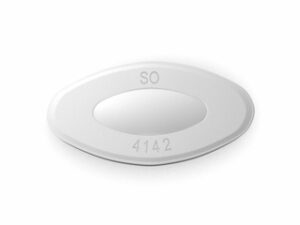
Carvedilol: Patient-Friendly Medicine Information (Australia)
Carvedilol is a commonly used heart medicine that works by lowering the strain on the heart and helping to control blood pressure and certain heart rhythm problems. Below you’ll find practical, patient-friendly information about what carvedilol does, how it works, typical uses, how to take it, common side effects, important safety considerations, and how it may interact with food, alcohol, and other medicines.
Note: Medicine needs can vary from person to person. Always follow your prescriber’s instructions and read the consumer medicine information (CMI) leaflet provided with your product.
Basic product information
| Category | Details |
|---|---|
| Generic name | Carvedilol |
| Medicine type | Beta-blocker with additional alpha-blocking effects (non-selective beta-blocker) |
| Common strengths | Available in multiple strengths depending on brand and formulation (e.g., immediate-release tablets/capsules) |
| How it’s taken | Oral tablets or capsules |
| What it’s used for | Heart failure, high blood pressure, and certain heart conditions such as after heart attack or for rate control in specific situations (as directed) |
How carvedilol works (mechanism of action)
Carvedilol helps the cardiovascular system in two main ways:
- Beta-blocking action: It blocks beta receptors (especially beta-1 and beta-2), which reduces the heart’s workload by slowing heart rate and lowering how forcefully the heart beats.
- Alpha-blocking action: It also blocks alpha receptors, leading to relaxation of blood vessels. This can lower blood pressure and reduce resistance the heart must pump against.
In heart failure, carvedilol can help improve symptoms over time, support heart function, and reduce the risk of worsening disease by counteracting harmful stress signals in the body.
Pharmacokinetics (how the body processes carvedilol)
Pharmacokinetics describes what happens to a medicine after you take it—how it’s absorbed, distributed, metabolised, and eliminated. The exact values may vary by formulation and individual factors, but typical features include:
- Absorption: Carvedilol is absorbed from the gastrointestinal tract. Food can affect how much and how quickly it reaches the bloodstream.
- Peak levels: Blood levels typically rise after dosing, with peak concentrations occurring a few hours after administration.
- Distribution: It is distributed throughout the body and binds to plasma proteins.
- Metabolism: Carvedilol is metabolised mainly by the liver (including pathways involving cytochrome enzymes).
- Elimination: Metabolites are eliminated largely via bile and faeces; some elimination also occurs through the kidneys.
- Half-life: The half-life supports dosing schedules that are usually measured in times per day (the exact frequency depends on the product).
Because it is processed by the liver, people with liver impairment may need extra monitoring or dose adjustments. If you have liver disease, discuss this with your healthcare team.
Typical uses in Australia
Carvedilol is used for several cardiovascular conditions. Common indications (depending on the product and clinical assessment) include:
- Heart failure (often chronic heart failure), to improve outcomes and symptoms as part of a structured treatment plan.
- High blood pressure (hypertension) to help reduce blood pressure and lower cardiovascular risk.
- Some post-heart-attack or heart disease settings where beta-blocker therapy is appropriate, guided by local clinical pathways.
- Rate control in specific circumstances where slowing the heart rate is beneficial (such as certain rhythm-related situations, as directed).
Your treatment plan may include other medicines (for example, diuretics, ACE inhibitors, ARBs, or other cardiovascular medicines). Carvedilol is usually used as part of a combination strategy.
When and how to take carvedilol (timing and administration)
General timing
Many people take carvedilol with meals to reduce side effects and improve tolerance. Your prescriber may recommend a specific schedule based on your condition and product strength.
With or without food?
Carvedilol can be affected by food. A commonly advised approach is:
- Take with food unless your product information or healthcare team advises otherwise.
- If you are changing your routine (e.g., from taking it with meals to taking it without meals), do so only if your prescriber agrees.
Consistency is important
Try to take your doses at similar times each day. If you take it twice daily, for example, leaving roughly equal spacing between doses can help maintain more stable blood levels.
Missing a dose
If you miss a dose, take it as soon as you remember unless it’s close to the time of the next dose. Do not double your dose to make up for a missed one.
Dosing: what is typical?
Dosing depends on the condition being treated, your age, blood pressure, heart rate, kidney/liver function, and how you respond to the medicine. For safety, carvedilol is usually started at a low dose and increased gradually (“titrated”) to minimise side effects such as dizziness or low blood pressure.
Important: Only your healthcare professional can determine the right dose for you.
Why titration matters
- Starting too high may cause low blood pressure and slow heart rate.
- Gradual dose increases help your body adapt.
- In heart failure, titration may be planned over weeks with regular monitoring.
Practical dosing approach (general)
- Begin with a low dose as instructed.
- Monitor symptoms (e.g., dizziness, fatigue) and vital signs (heart rate and blood pressure).
- Your prescriber may increase your dose stepwise at intervals.
- If side effects occur, the dose may be slowed, paused, or adjusted.
If you are unsure how your tablets should be taken (for example, number of tablets per dose or the timing), check your product label or ask your pharmacist.
Food interactions (including grapefruit and meal effects)
Food can influence carvedilol absorption and tolerance. While specific dietary recommendations may vary by product, common guidance includes:
- Take with meals: This is often recommended to improve tolerability.
- Keep your routine consistent: Sudden changes in meal timing or dose timing may affect how you feel.
Grapefruit and similar citrus products: Some cardiovascular medicines are affected by compounds in grapefruit. Because carvedilol is metabolised in the liver by enzyme systems, it’s a good idea to discuss grapefruit consumption with your pharmacist, especially if you eat grapefruit regularly.
Alcohol interactions
Alcohol can intensify some carvedilol effects. Potential concerns include:
- Increased dizziness or light-headedness, particularly when standing up.
- Lower blood pressure effects.
- Potential worsening of fatigue or weakness.
Many people can still have alcohol in moderation while on beta-blockers, but it’s safest to:
- Start with small amounts if you drink.
- Avoid binge drinking.
- Be cautious especially when initiating or increasing the carvedilol dose.
- Seek advice if you notice fainting, marked dizziness, or symptoms worsen after alcohol.
Medicine interactions: important examples
Carvedilol can interact with other medicines that influence heart rate, blood pressure, or liver metabolism. Always tell your pharmacist and doctor about all medicines you use, including over-the-counter products and herbal supplements.
Common interaction themes
- Other heart-rate or blood-pressure medicines (additive effects may cause too low blood pressure or excessive slowing of the heart).
- Medicines that slow heart rate (e.g., certain calcium channel blockers used for rhythm control).
- Medicines that affect liver enzymes (may alter carvedilol levels).
- Diabetes medicines: beta-blockers can mask some warning signs of low blood sugar (such as fast heartbeat).
Examples to discuss with your pharmacist
- Verapamil or diltiazem (some calcium-channel blockers): may increase risk of slow heart rate or conduction issues when used together.
- Amiodarone and certain anti-arrhythmics: may alter heart rhythm and heart rate effects.
- Digoxin: requires monitoring because combined effects may influence heart rate and rhythm.
- Anti-diabetic medicines (especially insulin or sulfonylureas): low blood sugar symptoms may be less noticeable.
- Medicines for asthma/COPD including beta-agonists (salbutamol/albuterol): beta-blockers can potentially reduce response—this depends on individual suitability and severity.
- Some antidepressants and antifungals/antibiotics: may affect liver metabolism of carvedilol.
- Non-steroidal anti-inflammatory drugs (NSAIDs) (e.g., ibuprofen/naproxen): may affect kidney function and blood pressure control in some people.
This list is not exhaustive. For personalised safety, use your medication list to check interactions with a healthcare professional.
Safety profile: who needs extra caution?
Carvedilol is generally well tolerated for many people, but it can cause side effects—especially during dose initiation or increases. Certain health conditions require extra monitoring.
Common side effects
- Dizziness or light-headedness (often linked to blood pressure changes)
- Fatigue or tiredness
- Low blood pressure (especially when standing)
- Slow heart rate
- Headache
- Nausea or stomach discomfort (may be reduced by taking with food)
Less common but serious symptoms
Seek urgent medical attention if you experience:
- Fainting, severe dizziness, or collapse
- Chest pain or symptoms of worsening heart failure (e.g., sudden breathlessness, rapid weight gain, swelling)
- Severe shortness of breath or wheezing (especially if you have asthma/COPD)
- Allergic reaction: swelling of face/lips, hives, trouble breathing
Conditions requiring careful assessment
- Asthma or certain breathing disorders: beta-blockers can affect airways. Some patients may still use carvedilol with close monitoring; suitability depends on your respiratory condition.
- Very slow heart rate or certain conduction problems
- Low blood pressure or episodes of fainting
- Diabetes: low sugar symptoms may be partly masked
- Liver impairment: dose adjustments and monitoring may be needed
Do not stop suddenly
Stopping beta-blockers suddenly can lead to rebound symptoms, including worsening angina, increased heart rate, or other complications. If you need to stop, your healthcare professional will usually taper the dose gradually.
Practical use tips (getting the best results safely)
- Check your pulse and blood pressure: If advised, monitor regularly when starting or increasing the dose.
- Stand up slowly: Dizziness is more likely at the start—rise gradually from sitting/lying positions.
- Use reminders: Alarms or apps can help you take doses on time.
- Keep appointments: Dose titration may require follow-up to ensure the medicine is working and tolerated.
- Carry a medication list: Useful in emergencies and helps clinicians avoid interactions.
- Report worsening symptoms promptly: For heart failure patients, early reporting can prevent escalation.
- Be cautious with exercise changes: If you feel unusually weak or breathless, pause and seek advice.
Alternative options to consider
Treatment choice depends on why carvedilol is being used (heart failure, blood pressure, or other heart-related conditions), your medical history, and how you tolerate medicines. If carvedilol isn’t suitable, there may be alternative therapies.
Beta-blocker alternatives
- Metoprolol (beta-1 selective): often used in cardiovascular conditions with different tolerability considerations.
- Bisoprolol (beta-1 selective): used in heart failure and other indications in some patients.
- Nebivolol (beta-blocker with additional mechanisms): may be an option for some people with hypertension.
Non-beta-blocker alternatives (depending on condition)
- ACE inhibitors or ARBs (commonly used in heart failure and hypertension)
- Diuretics for fluid management in heart failure
- Other antihypertensives (e.g., calcium-channel blockers, depending on patient factors)
Don’t switch medicines without medical advice. If you’re experiencing side effects or your condition isn’t controlled, speak to your healthcare professional for a tailored alternative plan.
Market and legal context for Australia
In Australia, the supply of prescription medicines is regulated to support safe and appropriate use. Carvedilol is generally supplied under the Australian medicines framework, and availability may vary by brand and formulation. Your healthcare provider and pharmacist can guide you on suitable products for your situation.
If you’re buying online, reputable services should comply with Australian legal and regulatory requirements for medicines, including appropriate identity and safety checks where applicable. Always use an authorised pharmacy service.
Recent guidance: Clinical practice in Australia continues to emphasise patient monitoring, appropriate dosing/titration of beta-blockers, and careful selection for people with coexisting conditions such as asthma/COPD, diabetes, and bradycardia risk. Follow current advice from your healthcare provider and refer to the product information (CMI) for the most accurate safety details.
Delivery and availability (what to expect when ordering online)
Availability of carvedilol can depend on the specific brand, strength, and formulation. Online pharmacies typically offer:
- Standard delivery to residential addresses where permitted
- Tracking information for parcels
- Packaging with patient safety information included
- Stock updates if a particular strength is temporarily unavailable
Delivery times can vary between pharmacies and by location. If you’re ordering for ongoing treatment, consider ordering early to reduce the risk of running out.
FAQ: Common questions about carvedilol
1. What is carvedilol used for?
Carvedilol is used for conditions such as heart failure and high blood pressure, and in some heart-related settings where lowering heart rate and blood pressure is beneficial. Your exact indication depends on your diagnosis and treatment plan.
2. How quickly does carvedilol work?
Some effects—such as lowered heart rate and blood pressure—can be noticed soon after starting. For heart failure, symptom improvement may take weeks, while longer-term benefits build with continued treatment and dose optimisation.
3. Should I take carvedilol with food?
Often, carvedilol is recommended to be taken with meals to improve tolerability and reduce stomach upset. Follow the directions on your product label and the advice from your healthcare professional.
4. Can I drive while taking carvedilol?
If you feel dizzy, light-headed, or unusually fatigued, avoid driving or operating machinery until you know how carvedilol affects you. Dizziness is more likely at the start or after dose changes.
5. What should I do if I miss a dose?
Take it when you remember if it’s not too close to the next dose. Do not double up. If you’re unsure, ask your pharmacist for advice.
6. What side effects are most common?
Common side effects include dizziness, tiredness, low blood pressure, and a slower heart rate. These are often related to dose initiation or increases and may improve as your body adapts.
7. Does carvedilol affect asthma or breathing?
Carvedilol has non-selective beta-blocking effects, which can affect airways in some people. People with asthma or certain respiratory diseases should discuss suitability and monitoring with their doctor and pharmacist.
8. Is it safe to drink alcohol?
Alcohol can increase dizziness and lower blood pressure. If you drink, do so cautiously and avoid excess—especially soon after starting or increasing the dose. If you feel faint or unwell, avoid alcohol and seek medical advice.
9. Can carvedilol mask low blood sugar?
Beta-blockers can reduce or mask some warning symptoms of hypoglycaemia, such as a fast heartbeat. If you have diabetes, monitor your blood glucose closely and follow your diabetes management plan.
10. Are there medicines I should avoid combining with carvedilol?
Interactions depend on your complete medicine list. Medicines that affect heart rate, blood pressure, or liver metabolism may interact. Tell your pharmacist about all prescription medicines, over-the-counter products, and herbal supplements.
11. What if I need to stop carvedilol?
Do not stop suddenly. Beta-blockers are usually withdrawn gradually under medical supervision to reduce the risk of rebound symptoms.
When to seek urgent medical help
Contact emergency services or seek urgent medical attention if you experience severe symptoms such as fainting, severe breathlessness, chest pain, signs of an allergic reaction, or rapidly worsening heart failure symptoms.
Remember: This information is designed to help you understand carvedilol in general terms. Always rely on the advice of qualified healthcare professionals for personal guidance about dosing, monitoring, and safety.