
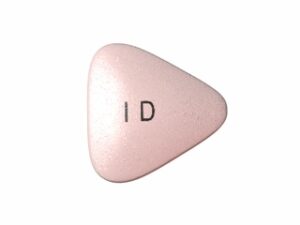
Voveran (Diclofenac) – Patient Information
Voveran contains diclofenac, a non-steroidal anti-inflammatory drug (NSAID). It is used to relieve pain, reduce inflammation, and help with swelling in a range of conditions. This page explains how Voveran works, how it is typically used, and important safety information for people in Australia.
Note: Always follow the instructions provided with your specific product and talk to a healthcare professional if you’re unsure whether diclofenac is appropriate for you.
At a glance
- Medicine: Voveran (diclofenac)
- Class: NSAID (anti-inflammatory pain relief)
- Common benefits: pain relief, reduced inflammation and swelling
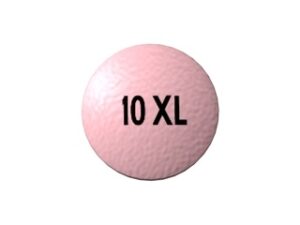
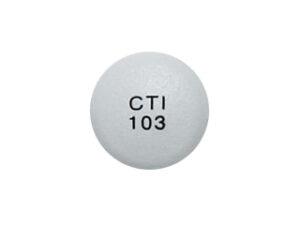
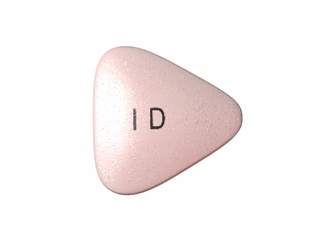
- Forms: Available in different strengths and formulations (e.g., tablets, enteric-coated products, and other preparations depending on brand/market supply)
- Typical use: short-term management of painful inflammatory conditions
Basic product information
| Feature | What it means for you |
|---|---|
| Active ingredient | Diclofenac |
| Medicinal class | NSAID (non-steroidal anti-inflammatory drug) |
| What it does | Reduces inflammation and pain by affecting prostaglandins |
| How it’s taken | Oral dosing depends on the product strength/formulation; follow package directions |
| Common side effects | Stomach upset, nausea, heartburn; serious risks include bleeding/ulcers and cardiovascular events |
How diclofenac (Voveran) works – mechanism of action
Diclofenac belongs to the NSAID family. It works mainly by:
- Inhibiting cyclo-oxygenase (COX) enzymes (COX-1 and COX-2), which reduces the production of prostaglandins.
- Prostaglandins are chemicals involved in pain signalling and inflammation. Lower prostaglandin levels lead to reduced pain and swelling.
NSAIDs don’t “cure” the underlying condition, but they can improve comfort and function while your body recovers and while other treatments address the cause.
Typical uses (indications) in everyday terms
Diclofenac is used for conditions where pain is linked to inflammation. Common indications include:
- Musculoskeletal pain such as sprains, strains, and back pain
- Arthritis conditions including osteoarthritis and inflammatory joint diseases (depending on clinical assessment and product availability)
- Pain with inflammation such as tendon or ligament irritation
- Dental pain or pain after dental procedures (when advised by a clinician)
- Period pain (dysmenorrhoea) in some settings where an NSAID is suitable
Important: The exact indication and suitability depends on your health history, the specific product formulation, and local regulatory guidance.
Pharmacokinetics (what happens in the body)
Pharmacokinetics describes how diclofenac is absorbed, processed, and eliminated. While individual results vary, the main points typically include:
- Absorption: Diclofenac is absorbed through the gastrointestinal tract. Some formulations are designed to release more slowly or reduce stomach irritation (e.g., enteric-coated products).
- Distribution: Diclofenac binds to plasma proteins and distributes into tissues, including areas around joints.
- Metabolism: Diclofenac is metabolised mainly in the liver.
- Elimination: It is cleared from the body largely through kidneys and bile/intestinal pathways, with metabolites excreted in urine and faeces.
- Half-life: The elimination half-life is generally a few hours, but can vary with age and health status.
Because the liver and kidneys are involved, people with liver disease or kidney impairment may need extra caution and monitoring.
When and how to take Voveran (timing and practical guidance)
General timing tips
- Take it at the dose interval on the package. Different products (and strengths) may have different schedules.
- Use the smallest effective dose for the shortest possible time to control symptoms.
- If you need it regularly for several days, discuss with a healthcare professional—especially if symptoms persist.
With food vs without food
Food can affect tolerability. Taking diclofenac with food may help reduce stomach upset for some people. However:
- Follow the product instructions precisely, especially for any enteric-coated formulations (which may have specific guidance).
- If you notice heartburn, nausea, or stomach pain, taking it with or after food may help.
Swallowing and handling
- Swallow tablets whole with water unless the package specifically instructs otherwise.
- Do not crush or split modified-release/enteric-coated products unless the label allows it.
Food interactions
Food doesn’t usually eliminate diclofenac’s effect, but it can influence how comfortable it is to take:
- May reduce stomach irritation when taken with meals or after food.
- Some products may require specific timing (e.g., enteric-coated tablets may need to be swallowed whole).
Practical suggestion: If you experience gastric discomfort, take future doses with food (unless contraindicated for your specific product) and speak with a clinician if symptoms continue.
Alcohol interactions
Combining alcohol with NSAIDs such as diclofenac can increase the risk of:
- Stomach irritation
- Gastric bleeding or ulcer complications
- Worsening dizziness or stomach upset
Advice: Limit or avoid alcohol while taking Voveran, particularly if you have a history of ulcers, reflux, or gastrointestinal bleeding.
Medicine interactions (important safety information)
Diclofenac can interact with other medicines. Some combinations significantly increase risk, especially for stomach bleeding, kidney stress, or cardiovascular effects. Always tell your pharmacist or doctor about all medicines you use, including herbal products and over-the-counter NSAIDs.
Key interactions to be aware of
- Other NSAIDs (e.g., ibuprofen, naproxen, aspirin for pain): increased risk of stomach bleeding and kidney problems.
- Blood thinners (e.g., warfarin), or medicines affecting blood clotting: higher bleeding risk.
- Antiplatelet agents (e.g., clopidogrel, aspirin): may increase bleeding risk.
- Selective serotonin reuptake inhibitors (SSRIs) (e.g., sertraline, fluoxetine) and some other antidepressants: can increase gastrointestinal bleeding risk.
- Corticosteroids (e.g., prednisolone): can raise risk of stomach ulcers/bleeding.
- Diuretics (water tablets) and ACE inhibitors/ARBs (blood pressure medicines): NSAIDs can affect kidney function and reduce blood pressure response in some cases.
- Lithium: NSAIDs may raise lithium levels.
- Methotrexate: can increase methotrexate toxicity at certain doses.
- Digoxin: may affect digoxin levels.
Do not combine Voveran with another NSAID unless a clinician has specifically advised you.
Dosing – what’s typical and how to choose the right dose
Dosing depends on the specific product strength and formulation. Because Voveran may be supplied in different forms, the safest approach is to follow:
- The instructions on the pack
- The dosing schedule your clinician recommended
General dosing principles for diclofenac:
- Start low when possible and increase only if needed and advised.
- Use the lowest effective dose.
- Use for the shortest time required.
- If you’re taking it more than a few days or symptoms are worsening, get medical advice.
Special populations:
- Older adults: may have higher risk of side effects (stomach bleeding, kidney issues, and cardiovascular events).
- Kidney or liver impairment: extra caution is needed; some people may require dose adjustment or avoidance depending on severity.
- History of ulcer or GI bleeding: NSAIDs increase risk and often require a risk-management plan.
- Heart or stroke history: discuss risk versus benefit with a healthcare professional before use.
Safety profile – side effects, warnings, and when to seek help
Common side effects
Many people tolerate diclofenac reasonably well, but common effects can include:
- Stomach discomfort
- Nausea
- Heartburn or indigestion
- Headache or dizziness (occasionally)
Serious risks (seek prompt medical advice)
Serious side effects can occur with NSAIDs. Stop using and seek urgent advice if you experience:
- Signs of stomach bleeding: vomiting blood, black/tarry stools, or blood in stools
- Severe stomach pain or persistent indigestion that worsens
- Allergic reaction: swelling of face/lips, wheezing, rash, or difficulty breathing
- Chest pain, sudden weakness, shortness of breath, or trouble speaking (possible cardiovascular/thrombotic event)
- Severe skin reactions (rare): blistering rash, peeling skin, mouth sores
- Reduced urination or swelling of ankles/legs (possible kidney issues)
Who should use extra caution?
- People with a history of stomach ulcers or gastrointestinal bleeding
- Those with heart disease, high blood pressure, or prior stroke
- People with kidney disease or dehydration
- Those with asthma worsened by NSAIDs
- People taking medicines that increase bleeding risk (e.g., anticoagulants, antiplatelets, SSRIs)
Practical use tips for safer, more effective relief
- Use the minimum effective dose—don’t exceed the label directions.
- Don’t stack NSAIDs: avoid taking ibuprofen/naproxen/other NSAIDs at the same time.
- Monitor your stomach: if you get persistent indigestion or pain, stop and seek advice.
- Stay hydrated, especially if you’re unwell, fasting, or exercising in hot weather.
- Check labels: many “cold/flu” and pain products contain NSAIDs or aspirin.
- Consider non-medicine options alongside NSAIDs: rest, gentle movement, heat/cold therapy, physiotherapy and stretching as appropriate.
Alternative options (pain relief and anti-inflammatory choices)
If Voveran isn’t suitable, options may include:
- Paracetamol (acetaminophen) for pain relief (does not provide anti-inflammatory action like NSAIDs).
- Topical NSAIDs (e.g., diclofenac gel) for some localised joint or muscle pain, which may reduce systemic exposure.
- Non-drug measures: physiotherapy, strengthening exercises, ergonomic changes, heat/ice, weight management and activity modification.
- Other anti-inflammatories: different NSAIDs may be considered in certain patients, but risks are similar across the class. Your pharmacist/doctor can help compare options for your situation.
Important: Alternatives still need safe selection based on your medical history and other medicines.
Market, legal and guidance context for Australia
In Australia, access to diclofenac products and their legal status can depend on formulation and strength. Medicines are regulated by the Therapeutic Goods Administration (TGA) and must meet quality, safety and manufacturing requirements.
- Product availability can vary between pharmacies and online platforms.
- Packaging and labelling must include required directions, warnings, and safety information.
- Recent safety communications and evolving guidance on NSAID risks (including cardiovascular and gastrointestinal safety) may influence recommended use and consumer education.
Recent guidance (general theme): Australian and international health authorities continue to emphasise that NSAIDs should be used at the lowest effective dose for the shortest duration, with particular attention to people at higher risk (such as older adults, those with ulcer history, kidney impairment, or cardiovascular disease).
If you have risk factors, consider asking your pharmacist about safer strategies (for example, stomach-protection options where appropriate) rather than increasing dose or duration.
Delivery and availability (online pharmacy information)
Availability can vary by brand/formulation and current supply. When ordering online in Australia:
- Check the active ingredient (diclofenac) and the dose per tablet and formulation on the product page.
- Review the use-by date and storage instructions.
- Ensure the product is appropriate for you based on age, medical conditions, and other medicines.
Delivery times: Many online pharmacies deliver within standard Australian metro/regional timeframes. Delivery estimates are usually shown at checkout. In some cases, delivery may be affected by stock availability or couriers.
Storage: Keep medicines in a cool, dry place away from direct sunlight, and follow label instructions. Keep out of reach of children.
FAQ – Voveran (Diclofenac)
1) What is Voveran used for?
Voveran (diclofenac) is used to relieve pain and inflammation in conditions such as musculoskeletal injuries, arthritis-related pain, and other inflammatory painful conditions as described on the product label and by healthcare professionals.
2) How quickly does diclofenac work?
Many people notice pain relief within hours after taking a dose. The exact timing depends on the formulation, your dose, and how your body absorbs the medicine. If there’s no improvement after the expected timeframe, seek advice rather than increasing the dose.
3) Can I take it with food?
Taking diclofenac with food may reduce stomach upset for some people. Always follow the specific directions for your Voveran formulation, especially if it’s enteric-coated or designed to release differently.
4) Can I drink alcohol while taking Voveran?
It’s best to limit or avoid alcohol while using diclofenac, as alcohol can increase the risk of stomach irritation and bleeding, and worsen side effects.
5) Is it safe to take Voveran with other painkillers?
Some combinations are not recommended. Avoid combining with other NSAIDs (e.g., ibuprofen, naproxen). Paracetamol may be an option for pain relief for some people, but confirm suitability based on your health history and other medications.
6) Who should avoid diclofenac?
You may need to avoid or use extra caution if you have a history of stomach ulcers/bleeding, serious kidney disease, significant heart disease or prior stroke, NSAID-sensitive asthma, or you take blood-thinning medicines or certain antidepressants. Discuss with a pharmacist or doctor.
7) What should I do if I miss a dose?
Take it when you remember if it’s close to the next scheduled dose and the product instructions allow. If it’s nearly time for the next dose, skip the missed one—do not double up.
8) What side effects should I watch for?
Watch for stomach pain, heartburn, nausea, and changes in urine. Seek urgent medical advice for signs of gastrointestinal bleeding (black stools, vomiting blood), allergic reactions, or chest pain/shortness of breath.
9) Can diclofenac affect kidneys or blood pressure?
Yes. NSAIDs can affect kidney function and may influence fluid balance and blood pressure, especially in people who are dehydrated or taking certain blood pressure medicines and diuretics.
10) Are there alternatives to Voveran?
Alternatives include paracetamol for pain, topical NSAIDs such as diclofenac gel for localised pain, and non-medicine treatments like physiotherapy. Your pharmacist can help you choose the most suitable option.
Summary
Voveran (diclofenac) is an NSAID used to relieve pain and inflammation. It works by reducing prostaglandins in the body. For the safest and most comfortable use, take it according to the product label, use the lowest effective dose for the shortest time, and be mindful of stomach, kidney, and cardiovascular risks—especially if you have risk factors or take other interacting medicines.
If your pain persists, worsens, or you experience any concerning symptoms, seek professional medical advice promptly.