Robaxin (Methocarbamol) – Patient Guide (Australia)
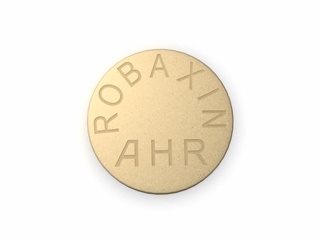
Robaxin is a brand of methocarbamol, a medicine used to relieve muscle pain and spasm. This guide is designed to help you understand what Robaxin does, how it’s taken, what to expect, and important safety information for use in Australia.
Always follow the directions provided by your healthcare professional or on the product packaging. If you are unsure about your dose or suitability, seek medical advice.
Key Product Information
- Medicine name: Methocarbamol
- Brand: Robaxin
- Medicine type: Skeletal muscle relaxant
- Common forms (varies by product availability): Tablets and/or oral liquid
- How it works: Helps reduce muscle spasm and associated discomfort
- Typical goal: Short-term relief of muscle tightness and pain
Note: Strengths and formulations can vary. Check your specific product label for the exact strength and directions.
What is Robaxin Used For?
Robaxin is used to treat painful muscle conditions caused by muscle spasm. It may be prescribed alongside other treatments such as rest, physiotherapy, and pain-relief medicines.
Common indications include:
- Musculoskeletal muscle spasm (e.g., stiff, painful back or neck muscles)
- Acute muscle strains and muscle guarding
- Sprains or injuries where muscle spasm contributes to pain
- Adjunct treatment for painful muscle conditions to improve comfort and mobility
Robaxin generally helps with the muscle component of discomfort. It does not replace physical rehabilitation and does not treat underlying causes such as fractures, infections, or nerve problems.
How Robaxin Works (Mechanism of Action)
Methocarbamol’s exact mechanism is not completely understood, but it is believed to act by:
- Depressing abnormal reflex activity within the central nervous system that contributes to muscle spasm
- Providing a muscle-relaxing effect that reduces tightness and pain
- Increasing comfort and movement so that normal activities and physiotherapy can be performed more easily
In practical terms, many people notice reduced spasm-related discomfort and improved ease of movement after starting treatment.
Pharmacokinetics: How Your Body Handles It
Pharmacokinetics describes how the medicine is absorbed, distributed, metabolised, and eliminated. Exact values may vary by formulation and individual patient factors.
- Absorption: Methocarbamol is absorbed after oral dosing.
- Distribution: It distributes into body tissues and may cross into the central nervous system where muscle-relaxing effects occur.
- Metabolism: It is metabolised primarily in the liver.
- Elimination: Metabolites are cleared via the kidneys (urine).
Because metabolism occurs in the liver and excretion involves the kidneys, dose selection and monitoring may be more important in people with liver impairment or kidney disease.
When Does Robaxin Start Working?
Many people experience symptom relief within a few hours of taking a dose, though timing can vary by person and product type.
- Early effects: reduced muscle tightness and discomfort
- Ongoing relief: consistent dosing may be recommended for short-term symptom control
If there is no improvement after a reasonable period, or symptoms worsen, speak with a healthcare professional to reassess the diagnosis and treatment plan.
Typical Use and Treatment Duration
Robaxin is commonly used for short-term management of muscle spasm and pain. The length of treatment depends on the underlying condition (for example, an acute strain vs a longer-lasting muscle disorder).
In many cases, treatment is combined with:
- Gentle movement or physiotherapy
- Heat or cold therapy
- Stretching exercises (when appropriate)
- Pain-relief medicines as advised
Important: If your symptoms persist, recur frequently, or include concerning features (such as weakness, fever, numbness, or worsening pain), get medical advice promptly.
Dosing (General Guidance for Adults)
Dosing should be individualised. Always follow the dosage instructions on your packaging or as directed by your healthcare professional. The following information is general and may not match every product strength.
| Patient group | Typical dosing approach (general) | Notes |
|---|---|---|
| Adults | Usually taken in divided doses during the day, with spacing to maintain symptom relief | Start at the lowest effective dose if advised; do not exceed the labelled maximum |
| Older adults | Often require caution and may start at the lower end of dosing | Sedation, dizziness, and falls risk may be higher |
| Children | Dosing depends on age and product formulation | Children’s use should only follow professional advice and product-specific directions |
Missed dose: If you miss a dose, take it when you remember unless it’s close to your next dose. Do not double up.
Stopping: If you need to stop, do so in line with clinical guidance. Do not extend use beyond what has been recommended for your situation.
Timing: How to Take Robaxin
- Consistency matters: Take doses at evenly spaced times if you have been instructed to take it multiple times daily.
- Plan for possible drowsiness: Consider taking the first dose when you can observe how it affects you.
- Avoid driving initially: Until you know how you respond to the medicine.
Many people prefer taking doses in the evening if it makes them feel sleepy, but follow your prescribed or labelled schedule.
Food Interactions: Can You Take Robaxin With Meals?
Robaxin can generally be taken with or without food. Taking it with food may help reduce stomach discomfort for some people.
If your stomach is sensitive, consider:
- Taking it with a meal or snack
- Staying hydrated
If you experience nausea or other gastrointestinal side effects, speak with a healthcare professional about whether timing changes are appropriate.
Alcohol and Medicine Interactions
Alcohol
It is strongly recommended to avoid or minimise alcohol while using Robaxin. Alcohol may increase side effects such as:
- Drowsiness
- Dizziness
- Impaired coordination
Other medicines that can increase sedation
Robaxin may enhance the effects of other medicines that affect the central nervous system. Use caution when combining with:
- Opioid pain medicines
- Sedatives, sleeping tablets, or anti-anxiety medicines (benzodiazepines)
- Antihistamines that cause drowsiness (some allergy medicines)
- Antipsychotics and some antidepressants (individual responses vary)
Other drug interactions
Inform your healthcare professional and pharmacist about all medicines you take, including prescription medicines, over-the-counter products, vitamins, and herbal supplements. Interactions can be influenced by:
- Your liver and kidney function
- Which other sedating medicines you use
- Dose and timing
Safety Profile: Who Should Be Careful?
Like all medicines, Robaxin can cause side effects. Many are mild and improve with time, especially after the first few doses.
Common side effects
- Drowsiness or fatigue
- Dizziness
- Headache
- Nausea or stomach upset
Less common but important adverse effects
- Confusion (more likely in older adults)
- Low blood pressure or feeling faint
- Allergic reactions (rare—seek urgent medical help if swelling, rash, or breathing difficulty occurs)
When to seek urgent help
Contact urgent medical services if you experience signs of a serious reaction such as:
- Difficulty breathing or swelling of the face/lips
- Severe rash or blistering
- Fainting or severe dizziness that doesn’t improve
Special caution groups
- Older adults: higher sensitivity to sedation and falls risk
- People with liver disease: methocarbamol is metabolised in the liver
- People with kidney disease: clearance may be reduced
- Those with neurological conditions affecting coordination or alertness
Practical Use Tips (For Safer, More Comfortable Relief)
- Start low and assess: When appropriate, begin at the lowest effective dose and monitor how you feel.
- Be mindful when standing: If you feel dizzy, move slowly from sitting or lying down.
- Plan activities: Avoid tasks requiring full concentration (driving, operating machinery) until you know your response.
- Hydrate and rest: Muscle recovery is supported by rest, gentle activity, and adequate fluids.
- Heat/cold therapy: Many people find relief with heat for stiffness or cold for acute injury—use as recommended.
- Don’t ignore red flags: Seek medical advice if pain is worsening, severe, or accompanied by weakness or numbness.
Alternative Options
Depending on the cause of muscle pain and spasm, alternatives may include both medicines and non-medicine strategies. Your pharmacist or healthcare professional can help choose the most appropriate option for you.
Other medicine options (examples)
- Other muscle relaxants (choice depends on availability, symptoms, and your health profile)
- Simple pain relief such as paracetamol or non-steroidal anti-inflammatory drugs (NSAIDs), if suitable for you
- Topical therapies (e.g., anti-inflammatory gels) for certain painful conditions
Non-medicine options
- Physiotherapy and targeted exercises
- Massage and stretching (when appropriate)
- Heat therapy for chronic stiffness
- Ergonomic adjustments (posture, workplace setup)
If you have ongoing issues, the best approach often combines medicine (short-term relief) with rehabilitation and prevention strategies.
Market and Legal Context for Australia
In Australia, medicines are regulated under the TGA (Therapeutic Goods Administration) framework, and access depends on the product category and local supply rules. Availability may vary between pharmacies and online retailers based on product classification and supplier agreements.
For patient safety, Australian health regulations aim to ensure:
- Accurate labelling and correct dosing instructions
- Appropriate supply and pharmacy-based counselling
- Monitoring for high-risk interactions and side effects
Always check the product page for the specific item you’re ordering, including strength, form, and labelled directions.
Recent Guidance and Best-Practice Considerations
While specific advice may evolve, current best-practice safety themes for centrally acting muscle relaxants include:
- Use for the shortest effective period when treating acute muscle spasm.
- Avoid combining with alcohol and be cautious with other sedating medicines.
- Assess fall risk in older adults.
- Review persistent symptoms: if pain does not improve, reassessment is recommended rather than continuing longer-term without evaluation.
Your pharmacist is a key resource for discussing suitability and safe use in your situation.
Delivery and Availability (Australia)
Availability of Robaxin and the exact formulation can vary by supplier and stock levels. When ordering online in Australia, you can usually expect:
- Dispatch time: Orders are typically prepared and dispatched during business hours.
- Delivery estimates: Provided at checkout and may vary by region and shipping method.
- Tracking: Many deliveries include a tracking option.
If you require an alternative strength or formulation due to dosing needs, contact the pharmacy before ordering to confirm what’s currently stocked.
Storage Instructions
- Store at room temperature as directed on the packaging.
- Keep in the original container to protect from light and moisture.
- Keep out of reach of children.
- Do not use after the expiry date on the label.
FAQ – Robaxin (Methocarbamol)
1) Is Robaxin a painkiller?
Robaxin is a muscle relaxant. It helps reduce muscle spasm-related pain and tightness. It is not the same as paracetamol or NSAIDs, although it may be used alongside other pain relief treatments if advised.
2) Can I take Robaxin with food?
Yes. You can usually take it with or without food. If it upsets your stomach, taking it with a meal or snack may help.
3) Will Robaxin make me sleepy?
Drowsiness is a common side effect. Avoid driving, cycling, or operating machinery until you know how it affects you. Alcohol can increase sedation.
4) Can I drink alcohol while taking Robaxin?
It is not recommended. Alcohol may increase dizziness and drowsiness, raising the risk of falls and impaired coordination.
5) How long should I take it?
Many people use Robaxin for short-term symptom relief for acute muscle spasm. The correct duration depends on your condition—if symptoms persist or worsen, seek medical advice.
6) What if I miss a dose?
Take it when you remember unless it’s near your next dose. Do not take a double dose to make up for the missed one.
7) Can Robaxin be taken with other medicines?
Many medicines can be used together safely, but some increase side effects—especially those that cause sedation. Tell your pharmacist about all medicines and supplements you take to check for safety.
8) Who should be more cautious with Robaxin?
Extra caution is often needed for older adults, people with liver or kidney problems, and anyone using other sedating medicines or alcohol.
9) Are there alternatives if Robaxin doesn’t work for me?
Yes. Depending on your symptoms, options may include other muscle relaxants, different pain-relief medicines, topical treatments, physiotherapy, and targeted exercise programs. A healthcare professional can help tailor alternatives.
10) When should I get medical help urgently?
Seek urgent help for severe allergic reactions (swelling, rash, breathing difficulty), fainting, or severe confusion. Also seek prompt advice if you develop weakness, numbness, fever, or rapidly worsening pain.
Disclaimer: This information is general and meant to support patient understanding. It does not replace advice from a healthcare professional. If you have any concerns about how to use Robaxin, or whether it’s suitable for you, consult your pharmacist or doctor.