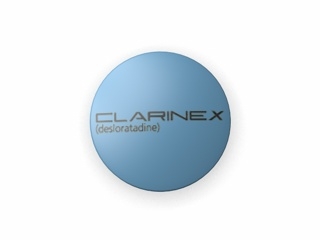

Clarinex (Desloratadine) – Allergy Relief Medicine (Australia)
Clarinex contains desloratadine, an antihistamine used to relieve symptoms of allergies. It is commonly used for hay fever (allergic rhinitis) and for allergy-related itch and skin symptoms associated with chronic urticaria (hives).
This patient-friendly guide explains how Clarinex works, how it’s taken, what to expect, and important safety and interaction information for people in Australia.
Basic product information
| Feature | Details |
|---|---|
| Active ingredient | Desloratadine |
| Medicine type | Non-drowsy (second-generation) antihistamine |
| Typical dosing frequency | Usually once daily |
| Common forms | Tablets and oral formulations (availability may vary by brand/strength) |
| Used for | Hay fever symptoms; allergic itch and hives in chronic urticaria |
| OTC/regulated status | Availability depends on product presentation and strength; consult local listing on our pharmacy site |
How Clarinex works (mechanism of action)
Clarinex (desloratadine) is a second-generation antihistamine. In allergic reactions, your immune system releases histamine, a chemical messenger that contributes to symptoms such as:
- Sneezing
- Runny nose
- Itching
- Watery or itchy eyes
- Skin itching and raised wheals (hives)
Desloratadine works by blocking histamine H1 receptors. This reduces the effect of histamine on the body, helping to relieve allergy symptoms.
Because it is designed to be a newer generation antihistamine, it is generally less likely than older antihistamines to cause significant drowsiness in many people.
Pharmacokinetics (how the medicine moves through the body)
Pharmacokinetics describes what happens to a medicine after you take it.
- Absorption: Desloratadine is absorbed after oral dosing.
- Onset: Many people begin to notice symptom relief within the first day of use.
- Distribution: It distributes through the body to sites where histamine effects occur.
- Metabolism: Desloratadine is metabolised mainly by the liver through pathways involving CYP enzymes (particularly CYP3A4 and CYP2D6), and also undergoes glucuronidation.
- Elimination: The medicine is eliminated from the body largely through urine and faeces (metabolites and unchanged drug proportions vary).
Half-life: Desloratadine has a prolonged elimination half-life, supporting once-daily dosing for symptom control.
Typical use in Australia
Clarinex is used to relieve symptoms related to:
- Allergic rhinitis (hay fever) including seasonal allergy symptoms
- Chronic urticaria (chronic hives) to reduce itching and rash
It may be used for short-term symptoms during allergy season or longer-term for chronic conditions such as chronic urticaria, as advised by your healthcare professional.
Timing: when to take Clarinex
Clarinex is typically taken once daily, at about the same time each day. Many people choose to take it in the morning or evening depending on personal preference and how they respond to it.
- For hay fever: Start when symptoms begin or a little before the allergy season (if you know your triggers).
- For chronic urticaria: Take daily to maintain symptom control.
- Missed dose: Take it when you remember if it’s not close to your next dose. Do not take a double dose.
Tip: If you’re using other allergy medicines (for example, nasal sprays), you may still benefit from taking Clarinex consistently while building the best routine with your clinician or pharmacist.
Food interactions: can you take Clarinex with meals?
Desloratadine can generally be taken with or without food. Food does not typically prevent it from working as intended.
However, if you notice that a particular meal affects how you feel (for example, you become more sensitive to drowsiness or reflux), consider taking it with a lighter meal or at a different time of day.
Alcohol interactions
Clarinex is usually considered less sedating than first-generation antihistamines, but individual responses vary.
- Alcohol: Drinking alcohol while taking antihistamines can increase the chance of dizziness or drowsiness in some people.
- Practical approach: If you plan to drink, monitor how you feel the first time and avoid driving or operating machinery if you feel sleepy.
If you have a history of sensitivity to antihistamines or you’re taking other medicines that affect the brain or coordination, ask a pharmacist for tailored guidance.
Medicine interactions (including common allergy and cold medicines)
Most people take desloratadine without major interaction problems, but it’s still important to consider other products you may be using.
Tell your pharmacist or doctor if you take any of the following:
- Other antihistamines (avoid stacking unless advised)
- Sedatives or sleep medicines
- Some antidepressants or antipsychotics (your pharmacist can check risk)
- Antifungal or antibiotic medicines that affect liver metabolism (your pharmacist can review)
- Medicines for epilepsy or seizures
- Medicines for heart rhythm (QT-prolonging medicines)
General caution: Even though desloratadine is typically non-drowsy, combining it with other medicines that cause drowsiness may increase sedation.
Indications: what Clarinex is used to treat
In Australia, desloratadine is indicated for:
- Relief of symptoms of allergic rhinitis, which may include sneezing, runny nose, itching, and eye symptoms
- Relief of symptoms of chronic idiopathic urticaria, including itching and the number of hives (wheals)
Some people find that Clarinex also helps with allergic discomfort that affects daily life, such as nighttime allergy symptoms, but it’s best to use it as directed for the listed indications.
Dosing: typical adult and child guidance
Dosing depends on age and the specific product strength/formulation. Always check the pack for the exact dose, and follow the directions given with your medicine.
General guidance for desloratadine (commonly used regimens):
- Adults and adolescents: often once daily (commonly 5 mg depending on product)
- Children: dosing is age-dependent and may use different strengths or liquid formulations
Important: Do not estimate dosing from another brand or formulation. For children, use only the dosing appropriate to the specific Clarinex product you have (tablet strength vs syrup/oral solution may differ).
If you’re unsure which dose applies, speak to a pharmacist or check the instructions on your specific pack.
How to get the best results (practical use tips)
- Consistency matters: For hay fever, taking it regularly during the allergy season often provides better symptom control than starting only after symptoms become severe.
- Match to symptoms: If your main issue is nasal congestion, a nasal steroid spray may be more effective for some people. Clarinex can still help with sneezing/itch.
- Eye symptoms: If eyes are a major problem, consider discussing eye-specific allergy options (for example, antihistamine eye drops) alongside Clarinex.
- Skin symptoms (hives): Keep the skin moisturised and avoid known triggers (heat, tight clothing, certain foods or medicines) if applicable.
- Track triggers: If symptoms flare, note pollen counts, dust exposure, pet contact, or seasonal patterns.
- Don’t double up: Avoid combining with another antihistamine unless advised.
Safety profile: what to know before you use Clarinex
Most people tolerate desloratadine well. Like all medicines, it may cause side effects, though not everyone gets them.
Common side effects
- Headache
- Dry mouth
- Fatigue or sleepiness (less common than with older antihistamines)
- Nausea or stomach discomfort
Less common or serious side effects
Seek urgent medical help if you experience signs of an allergic reaction such as:
- Swelling of the face, lips, tongue or throat
- Trouble breathing or wheezing
- Severe rash or hives that rapidly worsen
- Fainting or severe dizziness
In most cases, serious reactions are rare; if you’re concerned about a reaction or symptoms seem unusual, contact a healthcare professional promptly.
Who should be cautious?
- Pregnancy and breastfeeding: Discuss with a healthcare professional for personal guidance.
- Liver impairment: Your clinician may advise caution or dose adjustments.
- Kidney impairment: Dose and monitoring may need adjustment depending on severity.
- Children: Use only age-appropriate dosing and formulations.
Driving and operating machinery: Clarinex is usually non-drowsy, but if you feel tired, dizzy, or sleepy, avoid driving and machinery.
Recent guidance and current market/legal context in Australia
In Australia, antihistamines including desloratadine are widely available and are used according to approved indications on product packaging and local regulatory guidance.
Key points for shoppers:
- Always check the product label: Different strengths and formulations may have different instructions.
- Follow Australian medicine rules: For safety, medicine products are supplied with packaging information and consumer medicine information (CMI) where appropriate.
- For ongoing or severe allergy symptoms: If symptoms persist despite regular use, consult a healthcare professional—ongoing allergy may require a different approach (for example, nasal corticosteroids or specific avoidance strategies).
Because guidance and availability can change (for example, switching between pharmacy-only vs general sales depending on formulation), it’s important to rely on the exact listing and pack directions for the product you receive.
Delivery and availability
Clarinex (desloratadine) is commonly stocked by online pharmacies in Australia in different strengths and pack sizes.
- Availability: Stock can vary by strength and formulation (tablet vs oral solution). Please check the product page for real-time availability.
- Delivery: Delivery times depend on location and courier service. Most online pharmacies provide estimated dispatch and delivery windows on the checkout page.
- Packaging: Medicines are typically supplied in original manufacturer packaging with patient information included.
If you have questions about the exact product form/strength available, contact our team before placing your order so you receive the most suitable option.
Alternative options for allergy and urticaria
If Clarinex isn’t the right fit—or if you want to compare choices—there are several alternatives. The best option depends on your symptoms, age, and tolerance.
Other non-drowsy (second-generation) antihistamines
- Loratadine
- Cetirizine (may be slightly more likely to cause drowsiness in some people)
- Fexofenadine
For hay fever symptoms, additional options may include
- Nasal corticosteroid sprays (often very effective for congestion and overall nasal symptoms)
- Saline rinses for nasal comfort
- Eye drops for itchy/watery eyes
For chronic hives
- Different antihistamine strategies may be considered under clinical guidance if symptoms are not controlled.
- Trigger management (heat, pressure, stress patterns, certain foods/medicines where relevant) can also help.
Note: Don’t switch antihistamines frequently without a plan, and avoid overlapping products to reduce the risk of excessive antihistamine effects.
Frequently Asked Questions (FAQ)
1) Is Clarinex the same as other allergy tablets?
Clarinex contains desloratadine. Other allergy tablets may contain different antihistamines (for example loratadine, cetirizine, fexofenadine). They can differ in how they make people feel and how well they control specific symptoms.
2) Will Clarinex make me sleepy?
Many people find Clarinex is less likely to cause drowsiness than older antihistamines. However, individual responses vary. If you feel tired after taking it, avoid driving or operating machinery and consider taking it at night (or speaking to a pharmacist about alternatives).
3) How quickly will Clarinex work?
Some symptom relief may occur within the first day of use. For full benefits—especially for steady control during allergy season—regular daily use is often needed.
4) Can I take Clarinex with food?
Yes. It can typically be taken with or without food.
5) Can I drink alcohol while taking Clarinex?
Alcohol may increase the chance of dizziness or drowsiness. If you choose to drink, monitor how you feel the first time and avoid driving if you feel sleepy.
6) What if I miss a dose?
Take it when you remember unless it’s close to the next dose. Do not take a double dose.
7) What should I do if my allergy symptoms don’t improve?
If your symptoms are not controlled after consistent use, speak to a pharmacist or healthcare professional. You may need a different approach, additional treatments (such as nasal sprays for hay fever), or a review of triggers and technique.
8) Can children take Clarinex?
Children may use desloratadine only with the correct age-appropriate dose and formulation. For children, always check the pack directions and ask a pharmacist if you’re unsure.
9) Is Clarinex safe for long-term use?
Some people use desloratadine long term for chronic urticaria. Safety depends on individual factors and symptom control. If you need to use it continuously, it’s sensible to review your situation with a pharmacist or healthcare professional.
10) Are there any “red flags” that mean I should get help urgently?
Yes. Seek urgent help if you develop swelling of the face/tongue, trouble breathing, fainting, or severe rash that rapidly worsens.
Disclaimer: This information is intended as a general guide for patients in Australia. Always read the Consumer Medicine Information (CMI) provided with your specific Clarinex product and follow the instructions on the pack. If you have questions about your health, other medicines, or symptom severity, speak with a pharmacist or healthcare professional.