Allegra (Fexofenadine) – Allergy Relief for Adults and Children (Australia)
Allegra is a well-known, non-drowsy allergy medicine containing fexofenadine. It helps relieve symptoms caused by allergic rhinitis (hay fever) such as sneezing, runny nose, itchy nose, and itchy/watery eyes. It can also help relieve hives (urticaria).
This guide is designed to be patient-friendly and practical, covering how Allegra works, when to take it, how food and other medicines may affect it, and what to expect in terms of safety and benefits for people in Australia.
Key Product Information
| Information | Details |
|---|---|
| Brand | Allegra |
| Active ingredient | Fexofenadine |
| Medicine type | Antihistamine (second-generation H1 antihistamine) |
| Common uses | Hay fever (allergic rhinitis); hives (chronic idiopathic urticaria) |
| Typical dosing frequency | Usually once daily for many people (depending on strength/age) |
| Onset | Often starts within about 1 hour; best effect may take longer |
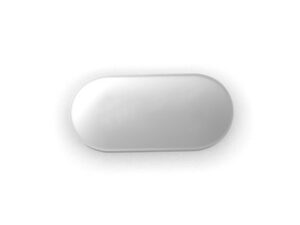
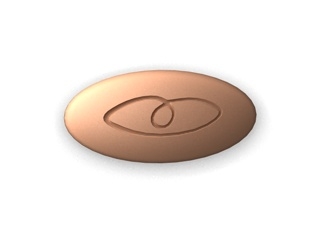
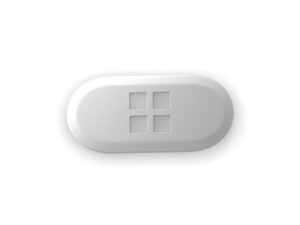
| Formulations | Varies by product range (tablets/dispersible tablets/oral forms); follow the pack |
How Allegra Works (Mechanism of Action)
Allergy symptoms are largely driven by a natural chemical called histamine. When your body reacts to an allergen (such as pollen, dust mites, animal dander), histamine is released and binds to H1 receptors. This causes symptoms like sneezing, itching, watery eyes, and a runny or blocked nose.
Fexofenadine is a second-generation H1 antihistamine. It blocks H1 receptors, reducing the effects of histamine. Because it is designed to have less penetration into the brain than some older antihistamines, many people experience less drowsiness (though individual responses can vary).
Pharmacokinetics (What the Body Does to the Medicine)
Understanding how fexofenadine is handled by the body can help you take it correctly.
- Absorption: After you swallow a dose, fexofenadine is absorbed from the gut. Absorption can be affected by certain drinks—especially fruit juices.
- Distribution: It acts in the body to block H1 receptors. Some antihistamines can cross into the brain more than others; second-generation agents are generally less associated with sedation.
- Metabolism: Fexofenadine is largely excreted without extensive metabolism.
- Elimination: The medicine is removed from the body primarily via the liver/bile and kidneys.
- Time to peak effect: Levels typically peak within several hours, and symptom relief can begin earlier for many users.
Key takeaway: To get the best effect, take it as directed and be mindful of foods/drinks that can reduce absorption (details below).
Typical Uses and Indications in Australia
Allegra (fexofenadine) is used for relief of symptoms related to allergies, including:
- Allergic rhinitis (hay fever): sneezing, runny nose, itchy nose, and itchy/watery eyes.
- Urticaria (hives): itchy rash with raised welts/“hives.”
When it helps most: It can be used for seasonal allergy symptoms or year-round symptoms (depending on the cause). For ongoing hive conditions, regular use may provide steadier symptom control.
When to Take Allegra (Timing & How Long It Takes)
Timing can influence effectiveness and how well you stay covered during the day.
- Typical onset: Many people notice some improvement within about 1 hour after taking a dose.
- Best symptom control: Maximum benefit may take a bit longer, so consistent use is helpful, especially at the start of an allergy season.
- Once-daily routine: Many Allegra products are taken once daily. Choose a time you can remember and stick to it.
Missed dose: If you forget a dose, take it when you remember on the same day. If it’s close to your next dose, skip the missed dose and continue your regular schedule. Don’t double up.
Food Interactions (Fruit Juice and Absorption)
One of the most important practical interactions with fexofenadine is with certain fruit juices. These can reduce absorption and make the medicine less effective.
- Avoid taking with grapefruit juice or orange juice (and possibly other fruit juices that can affect absorption).
- Safer option: Take with water.
- Timing with meals: Food generally does not cause the same dramatic effect as fruit juice, but following the pack instructions is recommended.
Practical tip: If you usually have breakfast juice, consider switching to water for the time you take Allegra.
Alcohol and Medicine Interactions
Alcohol
Fexofenadine is generally less sedating than older antihistamines, but alcohol may still increase drowsiness in some people. To reduce the risk of unwanted effects:
- Use caution if you plan to drink alcohol.
- Check how you personally respond the first time you take Allegra.
- Avoid driving or operating machinery if you feel sleepy or less alert.
Other medicines (important interactions)
- Antacids containing aluminium or magnesium: These may reduce absorption of fexofenadine. If you need an antacid, separate it from Allegra by several hours (follow the product directions or pharmacist advice).
- Rifampicin (an antibiotic used for specific infections): May reduce fexofenadine levels. Speak with a pharmacist if you’re taking rifampicin or similar medications.
- Other antihistamines: Avoid taking multiple antihistamine products together unless advised. It can increase side effects without improving relief.
- Ongoing medicines and supplements: Always let your pharmacist know what you take, including herbal products, to check for potential interactions.
Always read: Check the product label and ask a pharmacist if you’re unsure about spacing with other medicines.
Dosing (Adults and Children) – Follow the Pack Directions
Dosing depends on the specific Allegra formulation and the person’s age. Australian product ranges may include different strengths and age-appropriate forms. For the most accurate dosing, follow the instructions on the pack or from your pharmacist.
General guidance:
- Adults and adolescents: Often once daily dosing is used for allergic rhinitis and urticaria (depending on the specific product strength).
- Children: Dosing is age-specific and formulation-specific—use only the product intended for that age group.
Example dosing schedules (illustrative only): Many fexofenadine products in Australia follow once-daily regimens for allergy symptoms, but exact strength and frequency vary by formulation. For safety and effectiveness, always confirm the dose for your exact product.
Safety Profile and Common Side Effects
Like all medicines, Allegra can cause side effects, although not everyone experiences them. Most side effects are mild.
Common side effects
- Headache
- Dizziness
- Nausea or upset stomach
- Dry mouth
Less common but important reactions
- Allergic reaction to the medicine (rare) such as rash, swelling, or trouble breathing.
- Severe skin reactions are rare but require urgent medical attention.
Seek urgent help if
- You develop swelling of the face/lips/throat, wheezing, or difficulty breathing.
- You experience severe or rapidly worsening symptoms after taking the medicine.
Who should take extra care
- People with kidney problems: The medicine is cleared by the body; dosing adjustments may be needed.
- Those taking multiple medicines: Verify interactions with your pharmacist.
- Pregnancy and breastfeeding: Discuss with a pharmacist or doctor for personalised advice.
Practical Use Tips (Get the Best Results)
- Take it with water, not with grapefruit or orange juice.
- Start early in allergy seasons: If you know pollen peaks in your area, taking Allegra consistently at the start can help.
- Be consistent for hives: If your hives are ongoing, regular dosing may work better than occasional doses.
- Manage triggers: Consider steps like reducing pollen exposure, using dust-mite covers, and keeping windows closed on high pollen days.
- Track response: If symptoms aren’t improving after a few days, check whether you’re taking the correct dose and timing—or whether another cause may be involved (e.g., viral cold, non-allergic rhinitis).
- Driving/work safety: Many people feel fine, but individual sensitivity varies—avoid tasks requiring alertness if you feel drowsy.
Alternative Options for Allergy Relief
If Allegra doesn’t suit you or doesn’t fully control your symptoms, several alternatives may be considered.
Other non-drowsy antihistamines
- Loratadine
- Cetirizine (may cause more drowsiness in some people than some other options)
- Levocetirizine
- Desloratadine
Intranasal treatments (often effective for hay fever)
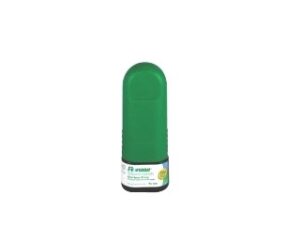
- Intranasal corticosteroid sprays can be highly effective for nasal allergy symptoms, particularly for persistent hay fever.
Combination approaches
Some people benefit from pairing an antihistamine with targeted nasal therapies (e.g., steroid sprays or saline rinses). Pharmacists can help choose a safe combination.
Non-medicine measures
- Saline nasal rinses
- HEPA filtration where relevant
- Reducing exposure to known allergens
Tip: If your symptoms mainly involve nasal blockage, a nasal spray option may provide more targeted relief than an oral antihistamine alone.
Market and Legal Context in Australia (What to Expect)
In Australia, antihistamines like fexofenadine are generally available through pharmacies and may be categorised depending on formulation, strength, and age indications. Product availability can vary across brands and pack sizes. Retail compliance in Australia involves adherence to:
- Therapeutic Goods Administration (TGA) requirements for medicines
- Product labelling that includes indications, directions for use, and safety warnings
- Australian pharmacy practices for guidance and dispensing
For the most accurate advice relevant to your product, always check the specific pack details and the dosage instructions included with your Allegra version.
Recent Guidance and Best-Practice Use (General Updates)
Allergy management guidance can evolve over time. Current best practice commonly emphasises:
- Using the right class of medicine for symptoms (antihistamines for itching/sneezing; nasal corticosteroids for persistent nasal congestion).
- Correct dosing and timing to achieve reliable symptom control.
- Avoiding known absorption-lowering interactions, especially fruit juice with fexofenadine.
- Safety checks for children, pregnancy/breastfeeding, kidney issues, and concurrent medicines.
If you’re unsure about which option fits your symptoms (hay fever vs hives) or your age group, a pharmacist can help you choose the most suitable product and schedule.
Delivery and Availability (Online Pharmacy)
Allegra (fexofenadine) is commonly available through Australian pharmacies and online dispensaries, subject to stock and formulation type. Delivery availability may differ based on location, order size, and product presentation (tablets vs other forms).
- Check availability: Stock can change quickly during allergy season.
- Delivery times: Vary by metropolitan vs regional areas and the shipping method selected at checkout.
- Product integrity: Medicines are typically dispatched in manufacturer-approved packaging.
Note: Always store medicines as directed on the pack—usually at room temperature away from moisture and heat.
FAQ – Allegra (Fexofenadine)
1. Is Allegra non-drowsy?
Many people experience little to no drowsiness with fexofenadine. However, individual responses differ. If you’re taking Allegra for the first time, use caution with driving, machinery, or any tasks that require alertness.
2. How quickly does it work?
Symptom relief often begins within about 1 hour for many users. Maximum benefit may take longer, especially for ongoing nasal symptoms or hives.
3. Can I take Allegra with orange juice or grapefruit juice?
It’s generally recommended to avoid taking fexofenadine with grapefruit juice or orange juice, as fruit juices can reduce absorption and make the medicine less effective. Take it with water instead.
4. Can I drink alcohol while taking Allegra?
Alcohol may still increase the risk of unwanted effects such as sleepiness in some people. Use caution and avoid driving/operating machinery if you feel affected.
5. What if my symptoms don’t improve?
If symptoms are not controlled after a few days, check that you’re using the correct dose and timing for your product, and that you’re avoiding interacting drinks (especially fruit juice). It may also help to consider whether your symptoms are truly allergy-related, or whether a nasal therapy is more appropriate.
6. Can I take Allegra for hay fever and hives?
Fexofenadine can be used for allergic rhinitis and urticaria (hives), depending on the specific product and age group. Confirm the indication on your pack.
7. What side effects should I watch for?
Common side effects include headache, dizziness, and nausea. Seek urgent help if you develop signs of a serious allergic reaction such as swelling of the face/lips/throat or trouble breathing.
8. Can children take Allegra?
Children’s dosing depends on age and the exact product formulation. Always use the strength and directions intended for children and confirm dosing with the pack or your pharmacist.
9. Do I need to keep taking it every day?
For allergy seasons or persistent symptoms, regular dosing may provide more consistent relief. For hives, ongoing dosing may be needed depending on severity. Follow the pack instructions and discuss long-term use with a pharmacist if you need ongoing treatment.
10. Is it safe with other medicines?
Some medicines can interact with fexofenadine, particularly antacids containing aluminium or magnesium. Always check with a pharmacist if you take other medicines, including over-the-counter products.
Important: This information is provided to help you understand Allegra (fexofenadine). Always read the product label and use it as directed. If you have kidney disease, are pregnant/breastfeeding, or are giving Allegra to a child, seek personalised advice from a pharmacist to ensure the safest, most effective use.