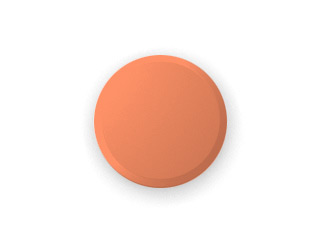
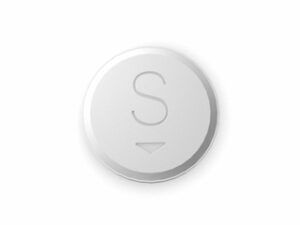
Diane 35 (cyproterone acetate + ethinylestradiol)
Diane 35 is a combined oral medicine containing cyproterone acetate and ethinylestradiol. In Australia, it is used for specific hormone-related conditions, most commonly where acne and unwanted hair growth are linked to androgen (male hormone) effects.
This page provides patient-friendly information about how Diane 35 works, how it is taken, what to expect, and important safety considerations.
Key information at a glance
- Active ingredients: Cyproterone acetate (an anti-androgen) + ethinylestradiol (an oestrogen)
- Type: Combined oral contraceptive pill / combined hormonal medicine
- Common uses: Acne and/or unwanted hair growth due to androgen sensitivity in selected patients
- How it’s taken: Usually once daily, following a structured cycle
- Time to results: Acne and hair-related changes often take several months
- Important risks: Blood clot (VTE) risk, especially in certain situations
What is Diane 35?
Diane 35 is a brand of oral tablets containing two hormones: ethinylestradiol (an oestrogen) and cyproterone acetate (an anti-androgen). Together, they reduce the effects of androgens on skin and hair follicles.
While Diane 35 contains hormones that can prevent pregnancy, its main use in many settings is for androgen-related symptoms (such as certain types of acne and hirsutism) in people who are suitable for hormonal therapy.
Mechanism of action (how it works)
Diane 35 helps by targeting androgen activity and stabilising hormone levels.
Anti-androgen effect (cyproterone acetate)
- Reduces the influence of androgens (like testosterone) on the skin.
- Can lower oil (sebum) production, which contributes to acne.
- May reduce androgen-related hair growth and improve scalp hair thinning in selected cases.
Hormonal effect (ethinylestradiol)
- Helps suppress ovarian androgen production.
- Increases sex hormone-binding globulin (SHBG), which reduces the amount of free (active) androgen.
- Provides cycle control and contraceptive protection when used appropriately.
Pharmacokinetics (how the body handles it)
Pharmacokinetics describes how the body absorbs, processes, and clears medication. The key points below are general and can vary between individuals.
Absorption
- After oral dosing, both hormones are absorbed through the gastrointestinal tract.
- Food may affect timing of absorption but usually not the overall effectiveness for most people.
Distribution
- Ethinylestradiol distributes widely through the body and binds significantly to plasma proteins.
- Cyproterone acetate also binds to plasma proteins, including those involved in hormone transport.
Metabolism
- Both components are metabolised mainly in the liver.
- Some medicines (e.g., certain seizure medicines, HIV medicines, or tuberculosis medicines) can increase liver metabolism and reduce pill effectiveness.
Elimination
- Metabolites are cleared primarily via bile and urine.
- Elimination is gradual; steady hormone levels are typically achieved after consistent daily use.
Typical uses and indications in Australia
Diane 35 is used for androgen-related conditions, particularly when symptoms are due to androgen sensitivity and where hormonal therapy is appropriate.
In practice, it may be considered for:
- Moderate acne (especially inflammatory acne) when conventional acne therapies are not sufficient.
- Acne associated with androgen-related features such as irregular hair growth patterns.
- Hirsutism (excess unwanted hair) in selected patients where androgen involvement is likely.
Suitability depends on individual risk factors (such as smoking status, blood clot history, migraine type, and other medical conditions). A clinician should review your health profile before starting.
How to take Diane 35 (timing and dosing)
Diane 35 is taken as a once-daily tablet at about the same time each day. Many packs are organised in a cycle. Follow the exact instructions on the specific pack you receive.
Typical dosing schedule
- Day-to-day: Take 1 tablet once daily.
- Cycle: Use the course arrangement indicated on the pack.
- Consistency: Try to avoid missed doses.
Starting the medicine
The start date can differ depending on the reason for use and your previous hormone exposure. If you are starting at a particular point in your menstrual cycle, you may need a short period of backup contraceptive protection.
What to do if a dose is missed
Missing doses can reduce effectiveness for both symptom control and contraception. The correct action depends on how many tablets were missed and where you are in the pack.
- Check the missed-dose instructions in your consumer information leaflet.
- Use backup contraception (e.g., condoms) if advised.
- Ask a healthcare professional if unsure—especially early in the pack or after multiple missed tablets.
How long until it helps?
Hormone-driven acne and hair symptoms usually improve gradually.
- Acne: Some improvement may appear after 8–12 weeks.
- Hirsutism: Hair changes often take longer—commonly several months.
- It is typical to review response around 3–6 months and decide whether to continue.
Food interactions
For most people, food does not significantly affect overall effectiveness. You can take Diane 35 with or without food.
- Taking it with a meal may help reduce nausea for some people.
- If you have vomiting or severe diarrhoea soon after a dose, absorption may be reduced—follow the guidance in the information leaflet and consider backup contraception.
Alcohol and medicine interactions
Alcohol
Moderate alcohol intake is not known to directly reduce the effectiveness of Diane 35 in the way that certain drug interactions do. However:
- Alcohol may worsen side effects (such as nausea or headaches) in some people.
- Heavy drinking can affect liver function and overall health, which may increase risk of complications.
- Alcohol is not recommended if you have liver problems or other contraindications.
Important medicine interactions (examples)
Some medicines can reduce hormone levels by increasing metabolism in the liver and may also change bleeding patterns. Tell your pharmacist or clinician about all medicines and supplements you take.
- Medicines that can lower hormone levels: certain seizure medicines (e.g., some barbiturates, carbamazepine, phenytoin), some tuberculosis medicines (e.g., rifampicin, rifabutin), and some HIV medicines.
- St John’s wort (herbal): may reduce effectiveness.
- Antibiotics: most common antibiotics do not usually reduce effectiveness, but some circumstances may require extra precautions—ask if you are starting a new antibiotic.
- Blood pressure/other hormones: interactions can occur; review carefully.
If you need a medicine that interacts, you may be advised to use backup contraception and/or adjust timing.
Safety profile: key risks and who should be careful
Like other combined hormonal tablets, Diane 35 carries certain important risks. Many people can use combined pills safely, but suitability depends on individual factors.
Blood clot risk (VTE)
Combined oral medicines containing an oestrogen can increase the risk of blood clots (deep vein thrombosis and pulmonary embolism). Risk is generally highest:
- In the first year of starting
- After restarting following a break
- After surgery or prolonged immobilisation
- With certain inherited clotting disorders or previous clot history
- With smoking (especially if aged 35 years or older)
- With migraine with aura
Stroke and heart risk
The risk of stroke and heart-related events can be higher in people with additional risk factors such as smoking, uncontrolled high blood pressure, or certain migraines.
Signs of a serious problem—seek urgent help
Get urgent medical attention if you develop:
- Possible clot in the leg: painful swelling, warmth, redness in one leg
- Possible clot in the lung: sudden shortness of breath, chest pain, coughing blood
- Stroke warning signs: sudden weakness or numbness (face/arm/leg), trouble speaking, severe sudden headache, vision changes
- Severe abdominal pain that is unusual and intense
Other common side effects
Side effects can include (varies by person). Many improve after the first couple of cycles.
- Headache
- Nausea or breast tenderness
- Breakthrough bleeding or spotting
- Mood changes
- Changes in libido
Less common but important considerations
- High blood pressure: combined pills can raise blood pressure in some people
- Liver issues: avoid if you have certain liver conditions
- Jaundice or severe liver symptoms: seek medical advice promptly
- Eye symptoms: new visual disturbances should be assessed quickly
Practical use tips for best results
- Take at the same time every day: choose a time that fits your routine (e.g., after breakfast or at night).
- Use reminders: phone alarms, pill organisers, or calendar prompts can reduce missed doses.
- Expect gradual improvement: acne and hair symptoms often need time.
- Track bleeding: light spotting can happen early; persistent heavy bleeding should be checked.
- Maintain acne care: continue gentle cleansing and appropriate topical treatments as advised.
- Review ongoing need: your clinician may reassess after several months to determine whether ongoing therapy is appropriate.
Alternative options
Depending on your symptoms and underlying cause, there are alternatives to Diane 35. A clinician can help match the best option to your needs and risk profile.
For acne
- Topical treatments: such as benzoyl peroxide, topical retinoids, and/or topical antibiotics
- Oral antibiotics (short-term courses for selected cases)
- Other hormonal therapies: some combined pills with different hormone components may be considered
- Isotretinoin for severe acne (requires strict monitoring and specific safety measures)
For unwanted hair (hirsutism)
- Other hormonal options (depending on diagnosis and suitability)
- Anti-androgen medications may be considered in selected cases under careful monitoring
- Cosmetic treatments (laser, electrolysis) for longer-term hair reduction
If you have androgen-related symptoms, it can be important to assess possible underlying causes (for example, conditions affecting hormone balance), especially if symptoms started suddenly or are severe.
Delivery and availability in Australia
Diane 35 may be available through Australian pharmacies depending on local supply, brand availability, and the specific product presentation. Online pharmacy services may offer:
- Home delivery to eligible areas within Australia
- Tracking and delivery updates
- Secure packaging and handling
- Support via pharmacy staff for general product information
Availability can change. If you cannot find Diane 35 in stock, ask about equivalent alternatives or when restocking is expected.
Market and legal context in Australia (overview)
In Australia, hormonal medicines are regulated medicines. Their sale and supply may involve eligibility checks, appropriate counselling, and compliance with consumer safety requirements.
Diane 35 contains hormones and is associated with known risks (including blood clots). Australian regulatory and prescribing practices focus on ensuring patients who use combined hormonal tablets have been assessed for risk factors, including:
- Smoking status
- History of blood clots or stroke
- Migraine type (especially migraine with aura)
- High blood pressure
- Other co-existing medical conditions
Guidance and recommendations can evolve. Always rely on the consumer information leaflet supplied with your product and local pharmacy guidance for current requirements.
Recent guidance and clinical considerations (high-level)
Over recent years, combined hormonal products have continued to be reviewed worldwide for safety, particularly for clot risk. Clinicians typically emphasise:
- Careful patient selection based on individual clot/vascular risk
- Attention to symptoms that may indicate clotting (urgent evaluation)
- Monitoring blood pressure when relevant
- Reviewing ongoing need for hormonal acne/hirsutism treatment, and not using it when safer alternatives are appropriate
- Considering changes in risk over time (e.g., starting smoking, new migraine with aura)
If any of your health circumstances change after starting (e.g., you develop severe headaches or you plan surgery), contact a healthcare professional promptly.
Dosing details (pack-based guidance)
Diane 35 dosing depends on the pack format you receive. Follow the instructions included with your tablets. The information below is general:
| Situation | General approach |
|---|---|
| Starting Diane 35 | Follow pack instructions for the first tablet and start timing. Some people may need backup contraception depending on start day. |
| Ongoing daily use | Take 1 tablet daily at a consistent time. Do not skip tablets unless advised. |
| Acne/hirsutism response | Assess improvement after several months. Continue long enough as advised, then review ongoing benefit. |
| Missed tablet(s) | Check leaflet for missed-dose instructions. Use backup contraception if recommended. |
| Vomiting/diarrhoea after a dose | Absorption may be reduced—seek leaflet guidance and consider backup measures. |
Safety considerations: who should avoid Diane 35 or seek specialist advice
Diane 35 may not be suitable if you have certain medical conditions or risk factors. It is important to seek personalised advice before use if you:
- Have ever had a blood clot (DVT/PE) or certain clotting disorders
- Have a history of stroke or heart disease
- Have migraine with aura
- Smoke and are aged 35 years or older
- Have uncontrolled high blood pressure
- Have certain liver disease or liver tumours
- Are pregnant or think you may be pregnant
- Have unexplained vaginal bleeding that has not been evaluated
If you are unsure whether you are in a higher-risk group, discuss it with a healthcare professional.
FAQ
1) Is Diane 35 only for contraception?
No. Diane 35 is used to treat selected androgen-related conditions such as acne and unwanted hair growth where hormonal treatment is appropriate. It can also provide contraception when taken correctly.
2) How long does it take to work for acne?
Many people notice improvement after around 8–12 weeks, with further benefit over the next few months. Hair-related symptoms can take longer.
3) What if I start getting heavier or more frequent bleeding?
Light spotting can occur early. However, persistent heavy bleeding or bleeding that is unusual for you should be assessed. Contact a healthcare professional, especially if you miss tablets or have other symptoms.
4) Can I take Diane 35 with other medicines?
Some medicines and supplements can affect hormone levels. Tell a pharmacist or clinician about all medicines (including herbal products like St John’s wort) before starting or during treatment.
5) Will alcohol affect Diane 35?
Moderate alcohol is not typically a direct interaction, but alcohol can worsen side effects and heavy drinking may affect liver health. If you have liver problems, seek advice.
6) What should I do before surgery or long travel?
Blood clot risk can increase with surgery and prolonged immobility. If you have planned surgery, a healthcare professional may advise pausing combined hormonal treatment temporarily. Seek guidance in advance.
7) What should I do if I miss a tablet?
Follow the missed-dose instructions in your Diane 35 leaflet. Backup contraception may be needed, depending on how many tablets were missed and where you are in the pack.
8) Are there skin-related tips to improve results?
Continue gentle cleansing and use acne treatments as advised (for example, non-comedogenic moisturisers). Avoid picking. Improvement from hormonal therapy takes time, so give it a fair trial before judging effectiveness.
9) Can I stop Diane 35 once my skin improves?
Some symptoms may return when treatment stops. Decisions about continuing or stopping should be based on your response and risk profile, ideally reviewed with a healthcare professional.
Summary
Diane 35 combines cyproterone acetate and ethinylestradiol to reduce the androgen effects that contribute to certain types of acne and unwanted hair growth. It is taken once daily and may take several months to show full benefits. Like other combined hormonal medicines, it has important safety considerations—especially around blood clot risk—so suitability depends on individual health factors.
If you have questions about interactions, how to take it correctly, or whether it is suitable for you, consult a pharmacist or healthcare professional and review the consumer information leaflet provided with the product.