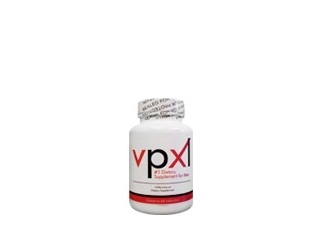
VPXL (Versican/VPXL) – Patient Information (Australia)
VPXL is a medicine used to help treat certain inflammatory and allergic conditions. This page provides clear, patient-friendly information to help you understand what VPXL is, how it works, how it is taken, and what to expect. Always follow the directions given by your healthcare professional and read the Consumer Medicine Information (CMI) supplied with your product.
Note: Brand names and active ingredients can vary by country and supplier. In Australia, VPXL products may differ in strength or formulation. Check the label and packaging for the exact active ingredient and strength you have been supplied.
Key Product Details
| Category | Details |
|---|---|
| Medicine name | VPXL |
| What it’s used for | Helps treat selected inflammatory/allergic conditions, as directed by a clinician |
| Common strength | Varies by product (check the pack for mg/mL and formulation type) |
| How it works | Targets specific pathways involved in inflammation |
| Typical form | Oral medicine (tablets/capsules) depending on your product |
| Where to find it | Available via pharmacies in Australia or online pharmacy services (subject to supply) |
How VPXL Works (Mechanism of Action)
VPXL is designed to reduce inflammation and related symptoms. While the exact mechanism depends on the active ingredient in your VPXL product, medicines in this therapeutic area typically:
- Modulate immune and inflammatory signalling in the body
- Decrease release of inflammatory mediators that contribute to swelling, redness, itching, and discomfort
- Help stabilise immune responses to reduce flare-ups
The result is usually symptom improvement over days to weeks, depending on the condition being treated and your individual response.
Pharmacokinetics (Absorption, Distribution, Metabolism, Excretion)
“Pharmacokinetics” describes what the body does to the medicine—how it is absorbed, how long it stays in the system, and how it is cleared. Exact values depend on the specific VPXL formulation and active ingredient.
- Absorption: VPXL is typically absorbed through the gastrointestinal tract. Some formulations are best taken with or without food (see below).
- Peak levels: Many oral medicines reach peak blood concentration within a few hours after a dose.
- Distribution: The medicine may distribute into body tissues where inflammation is active.
- Metabolism: The liver often metabolises medicines in this category.
- Elimination: Metabolites are usually eliminated via the kidneys and/or bile. Clearance may be slower in some people.
Important: If you have liver or kidney impairment, your clinician may adjust the dose or monitor you more closely.
Typical Use
VPXL is used for conditions where inflammation or immune activation plays a central role. Common examples may include:
- Allergic/inflammatory flares that require ongoing control
- Other inflammatory conditions as determined by your healthcare professional
Your individual treatment plan may involve VPXL alone or in combination with other medicines (for example, symptom relief medicines or preventive therapies).
Indications (When VPXL May Be Used)
Indications vary depending on the specific active ingredient and the Australian product’s approved use. In general, VPXL may be indicated for:
- Reducing inflammatory activity in targeted conditions
- Improving symptom control such as pain, swelling, itching, or discomfort
- Preventing relapse in some long-term inflammatory conditions
To ensure accuracy for the VPXL product you have, verify the indication list on the pack and the CMI.
Dosing and How to Take VPXL
Dosing depends on your diagnosis, response to treatment, and personal factors such as age and organ function. Do not change your dose unless instructed by your healthcare professional.
Typical dosing approach (general guidance)
- Start low and monitor: Many anti-inflammatory/immune-modulating medicines begin at a dose intended to balance effectiveness and tolerability.
- Adjust if needed: Your clinician may adjust dose based on symptom improvement, side effects, or blood test results (if applicable).
- Consistency matters: Take doses at the same time each day where possible.
Timing
Follow the directions on your label. Common patterns include:
- Once daily dosing: often taken in the morning or evening.
- Twice daily dosing: usually split evenly across morning and evening doses.
Missed dose: If you miss a dose, take it as soon as you remember unless it is close to the next dose. In that case, skip the missed dose. Do not take a double dose.
Food Interactions (What to Know)
Food can affect absorption and side effects. Always check the instructions for your specific VPXL product. In general:
- Some medicines are taken with food to reduce stomach upset.
- Some are taken on an empty stomach for best absorption.
- High-fat meals may alter absorption for some formulations.
Practical tip: If your prescription instructions do not specify, follow the label directions. If you are unsure whether to take VPXL with meals, ask your pharmacist.
Alcohol and Medicine Interactions
Alcohol may increase the risk of side effects such as stomach irritation, dizziness, or drowsiness (depending on the active ingredient) and may impact liver metabolism for certain medicines.
- General advice: Limit alcohol while you’re taking VPXL, especially during the first few weeks of treatment or if you experience side effects.
- Watch for interactions: Alcohol can worsen symptoms such as fatigue and may increase dehydration.
- Avoid combining with sedatives: If VPXL causes any drowsiness, combining it with alcohol can be unsafe.
If you regularly drink alcohol or have liver disease, discuss this with your healthcare professional. They may advise safer limits or monitoring.
Safety Profile and Side Effects
Like all medicines, VPXL can cause side effects. Not everyone will experience them. Side effects are often dose-related and may improve as your body adjusts.
Common side effects
- Headache
- Nausea or mild stomach discomfort
- Fatigue or reduced energy
- Changes in appetite
- Dizziness (in some people)
Less common but important side effects
- Allergic reactions (e.g., rash, swelling, itching)
- Unusual bruising or bleeding
- Infections or symptoms of infection
- Elevated liver enzymes (more likely if you have liver risk factors)
Seek urgent medical help if you have
- Swelling of face, lips, tongue, or throat
- Severe rash, blistering, or trouble breathing
- Signs of serious infection (e.g., fever, chills, persistent sore throat)
- Yellowing of the skin/eyes or severe abdominal pain
If you experience side effects, contact your pharmacist or doctor for advice. Do not stop VPXL suddenly unless instructed.
Practical Use Tips (Getting the Best Results)
- Use a daily routine: Pair your dose with a regular activity (e.g., breakfast or brushing teeth) to reduce missed doses.
- Track symptoms: Note changes in symptom severity, flare frequency, and triggers to discuss with your clinician.
- Check your medicine list: Tell your healthcare professional about all medicines and supplements you take.
- Stay hydrated: This can help reduce dizziness and support general wellbeing.
- Be consistent with food timing: If your product says “with food” or “on an empty stomach,” follow it to improve results and reduce side effects.
- Keep follow-up appointments: Some therapies require monitoring depending on your overall health and the specific active ingredient.
Alternative Options
If VPXL isn’t suitable or isn’t effective enough, clinicians may consider alternatives depending on your diagnosis. Options may include:
- Other anti-inflammatory or immune-modulating medicines with different dosing schedules
- Symptom-relief medicines used for flare control
- Supportive therapies such as moisturisers, inhaled therapies, or lifestyle measures (where relevant)
- Non-medicine options like trigger avoidance and condition-specific management plans
The “best alternative” depends on your symptoms, severity, previous treatment response, and medical history. Discuss options with your pharmacist or doctor rather than switching on your own.
Market and Legal Context in Australia
In Australia, medicines are regulated to ensure safety, quality, and effectiveness. Availability and classification (for example, whether a product requires pharmacist advice or other restrictions) depend on the product’s registration status and the active ingredient.
- Therapeutic Goods Administration (TGA): Medicines available in Australia must generally be supplied in compliance with TGA requirements.
- Australian pharmacy laws: Online and in-store pharmacies must follow relevant regulatory rules for supply and customer safety.
- Safety monitoring: Some medicines may require follow-up or additional checks.
If you’re ordering online, your pharmacy may ask for information to confirm suitability, confirm product details, and ensure safe supply.
Recent guidance: In recent years, Australian medicines supply practices have emphasised patient counselling, clearer product information, and appropriate monitoring for medicines affecting immune function or organ systems. Your pharmacist may recommend additional checks if you have comorbidities or take multiple medicines.
Delivery and Availability (Australia)
VPXL availability can vary by strength and formulation. Online pharmacies may source stock from Australian supply channels and may require additional processing time for certain orders.
What you can expect
- Order processing: Your order may be processed immediately or within 1–2 business days depending on stock.
- Delivery time: Delivery time depends on your location (metro vs regional/remote) and courier service.
- Packaging: Medicines are typically delivered in secure packaging to protect tablets/capsules from damage.
- Substitution: Substitution is not always appropriate. If a product is unavailable, your pharmacy will usually contact you before any change.
If you need VPXL urgently for an upcoming event or to maintain continuous control, contact the pharmacy to confirm stock and delivery timelines.
Drug Interactions (Common Considerations)
Interactions can occur when VPXL is taken with other medicines, supplements, or herbal products. The risk depends on the specific active ingredient in your VPXL product.
Tell your pharmacist or doctor if you take:
- Other anti-inflammatory or immune-modulating medicines
- Corticosteroids or steroids used for inflammation
- Medicines affecting liver enzymes (some antibiotics/antifungals/antivirals and other drugs)
- Blood thinners or medicines affecting bleeding risk (depending on your condition)
- Herbal supplements (e.g., St John’s wort) which may affect metabolism
Your pharmacist can check interactions using the exact product details and your medication list.
Frequently Asked Questions (FAQ)
1) What is VPXL used for?
VPXL is used to treat selected inflammatory and allergic conditions by reducing inflammatory pathways. The exact approved use depends on the specific active ingredient and Australian product information for your pack.
2) How long does it take for VPXL to work?
Some people notice symptom improvement within days, while others may need longer. Many anti-inflammatory medicines show clearer benefit after one to several weeks. If there is no improvement after the expected period, discuss with your clinician.
3) Can I stop VPXL if I feel better?
Do not stop VPXL suddenly unless your healthcare professional advises you to. Stopping can cause symptoms to return or flare.
4) Should I take VPXL with food?
It depends on the product instructions. Some formulations are better with food to reduce stomach upset; others require an empty stomach for best absorption. Check the label/CMI or ask your pharmacist.
5) Is it safe to drink alcohol while taking VPXL?
It’s generally best to limit alcohol, especially early in treatment or if you experience side effects. Alcohol can worsen stomach irritation and may affect liver metabolism depending on the active ingredient.
6) What should I do if I miss a dose?
Take it as soon as you remember unless it is close to the next dose. If it’s near the next dose, skip the missed dose. Do not take a double dose.
7) Who should be extra careful with VPXL?
People with liver or kidney disease, a history of frequent infections, those who are pregnant or breastfeeding, and those taking multiple medicines should discuss suitability and monitoring with their healthcare professional.
8) Are there any monitoring tests required?
Some medicines in this area may require monitoring such as blood tests, depending on the active ingredient and your health profile. Your clinician will advise if monitoring is necessary.
9) What are warning signs that I should contact a doctor urgently?
Seek urgent care for symptoms of severe allergic reaction (swelling, breathing difficulty, severe rash), serious infection (fever with worsening symptoms), or signs of liver issues (yellowing of skin/eyes, severe abdominal pain).
10) Can VPXL be taken with other medicines?
Many medicines can be taken together safely, but interactions are possible. Always provide your full medication list to your pharmacist to check compatibility, including over-the-counter products and supplements.
Customer Support: Ask a Pharmacist
If you have questions about VPXL—such as the best time to take it, whether it should be taken with food, or how it interacts with your current medicines—speak with a pharmacist. They can help ensure you use VPXL safely and effectively.