Vitamin C (Ascorbic Acid) – Patient Guide (Australia)
Vitamin C, also known as ascorbic acid, is an essential nutrient used by the body to support many normal functions, including immune health, collagen formation, wound healing, and antioxidant protection. It is commonly available as oral tablets, capsules, chewable tablets, effervescent tablets, powders, and in some fortified products.
This guide explains how vitamin C works, when and how to take it, common interactions, safety considerations, and practical tips for getting the most from your supplement.
Basic product information
- Medicine name: Vitamin C (Ascorbic Acid)
- Common forms: Tablets, capsules, chewable tablets, effervescent tablets, powders
- Vitamin type: Water-soluble vitamin
- Key role: Essential for collagen synthesis and antioxidant activity
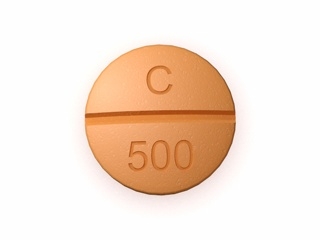
- Typical strengths: 100 mg, 250 mg, 500 mg, 1000 mg (varies by brand/product)
Note: Product strengths and excipients (inactive ingredients) differ between brands. Always check the label for the exact dose and directions.
How vitamin C works (mechanism of action)
Vitamin C is a water-soluble vitamin that acts primarily as a reducing agent and antioxidant. In the body, it participates in several key processes:
- Collagen formation: Vitamin C is required for hydroxylation of pro-collagen, supporting healthy skin, gums, blood vessels, cartilage, and wound healing.
- Immune support: It contributes to normal immune function and helps protect immune cells from oxidative stress.
- Antioxidant protection: Vitamin C helps neutralise free radicals and supports the body’s antioxidant network.
- Iron absorption: Vitamin C can increase the absorption of non-haem iron from plant sources (e.g., lentils, beans, spinach) and some meals.
- Enzyme support: It is used as a cofactor in multiple biochemical reactions, including those involved in neurotransmitter synthesis.
Pharmacokinetics (how your body handles it)
Pharmacokinetics describes absorption, distribution, metabolism, and excretion.
- Absorption: Vitamin C is absorbed in the small intestine. Absorption can be influenced by dose and gut health.
- Distribution: After absorption, vitamin C is distributed to body tissues, with higher concentrations in some organs involved in immune function and collagen metabolism.
- Metabolism: Vitamin C is not “stored” in the same way as fat-soluble vitamins; it is primarily used and partially metabolised.
- Excretion: Excess vitamin C is generally excreted in urine. When higher doses are taken, more vitamin C may be eliminated.
- Half-life: Vitamin C’s levels decline after dosing, reflecting the fact that it is water-soluble and excreted.
Practical takeaway: Because vitamin C is water-soluble and your body excretes excess, taking appropriate doses consistently (rather than very large doses) is often more comfortable and effective.
Typical uses (what vitamin C is used for)
Vitamin C is used to:
- Prevent or treat vitamin C deficiency (where appropriate)
- Support immune function during periods when dietary intake may be low
- Support collagen formation for normal skin and wound healing
- Help absorption of iron from plant-based diets when taken with iron-rich meals
- Provide antioxidant support as part of an overall healthy diet
Important: Supplementation is not a substitute for a balanced diet or medical care if you have symptoms of deficiency.
Indications (when vitamin C may be appropriate)
Vitamin C supplements may be appropriate in situations such as:
- Dietary insufficiency: Low fruit and vegetable intake
- Increased needs: Certain life stages or circumstances where intake may be inadequate
- Smoking: Smokers generally have higher oxidative stress; they may benefit from adequate vitamin C intake as part of a healthy diet
- Iron absorption support: When consuming non-haem iron sources, especially from plants
If you have a medical condition (e.g., kidney stones or kidney disease), consult a healthcare professional before taking higher-dose vitamin C.
Recommended dosing (general guidance)
Dose recommendations can vary based on product strength, your age, and your reason for taking vitamin C. In Australia, vitamin and mineral supplements are often used within recommended dietary intake ranges.
As a general, patient-friendly overview:
| Common situation | Typical adult dose (example guidance) | Timing |
|---|---|---|
| General supplementation / low intake | 100–250 mg once daily | Any time of day |
| Higher dietary support (as tolerated) | 500 mg once daily or divided doses (e.g., morning + evening) | With or after meals if sensitive stomach |
| Iron absorption support with meals | Often 100–250 mg with the iron-containing meal | At mealtimes |
| Correction of deficiency (when advised) | Dose may be higher under professional guidance | Follow the advice provided for your situation |
Children: Dosing depends on age and product formulation. Always follow the label or advice from a healthcare professional for paediatric use.
Upper limit: Taking very high doses may increase the risk of side effects such as gastrointestinal upset. In many guidelines, tolerable upper limits for adults exist; if you plan to take doses above typical supplementation amounts, seek advice first—especially if you have kidney concerns.
When to take vitamin C (timing)
Vitamin C can usually be taken:
- With food if you get nausea, stomach upset, or reflux
- With or shortly before meals if you are using vitamin C to support non-haem iron absorption
- Any time of day—choose a time that helps you remember and suits your routine
Tip: If you take higher doses, splitting into two smaller doses may reduce stomach discomfort.
Food interactions (what to consider with meals)
Food can affect how vitamin C feels in your stomach and may influence absorption. Generally:
- Taking with meals may reduce gastrointestinal side effects.
- Fruit and vegetable intake contributes naturally to vitamin C status. If you already eat plenty of produce, you may need less supplementation.
- Iron-rich plant meals: Pairing vitamin C with meals containing non-haem iron (beans, lentils, chickpeas, tofu, leafy greens) may improve iron absorption.
Vitamin C is water-soluble; very high-dose supplements can sometimes increase urinary vitamin C levels, which may be noticed as more frequent urination in some people.
Alcohol interactions
Vitamin C and alcohol do not usually have a direct “dangerous” interaction for most people. However:
- Alcohol may increase oxidative stress and can contribute to poorer nutritional intake, making adequate vitamin C intake more important as part of overall health.
- Stomach irritation: Both alcohol and supplements can be harsh on the stomach. Taking vitamin C with food may help if you notice discomfort after drinking.
- Dehydration: Alcohol can contribute to dehydration; ensure adequate water intake.
If you regularly drink heavily or have liver or gut conditions, speak with a healthcare professional before using supplements at high doses.
Medicine interactions (other medicines)
Always check with a healthcare professional or pharmacist if you take multiple medicines, have ongoing health conditions, or plan high-dose vitamin C.
Common considerations include:
- Iron supplements: Vitamin C can increase non-haem iron absorption. This can be beneficial, but it may also affect how much iron you absorb—important if you are already taking iron.
- Certain chemotherapy agents: Some cancer treatments may interact with antioxidants. If you are receiving treatment, ask your clinician before using vitamin C supplements.
- Warfarin (and other anticoagulants): High-dose vitamin C may affect vitamin K pathways indirectly through changes in oxidative stress; evidence is mixed, so avoid very high doses without medical advice.
- Kidney-related medicines: If you have kidney impairment, high doses of vitamin C may increase urinary oxalate risk. This is particularly relevant if you have a history of kidney stones.
- Test interference: High vitamin C levels can interfere with some lab tests (e.g., glucose monitoring in certain systems). Let healthcare staff know if you take vitamin C supplements.
Practical advice: If you take any prescription medicines, it’s a good idea to discuss supplement use during medication review with a pharmacist.
Safety profile (side effects and who should be cautious)
Vitamin C is generally well tolerated at typical supplement doses. However, side effects can occur, especially at higher doses.
Common side effects
- Stomach upset (nausea, cramps)
- Heartburn or reflux
- Diarrhoea or loose stools
- Headache (less common)
Less common concerns
- Kidney stones: High doses may increase the risk of kidney stones in susceptible individuals, particularly those with a history of stones.
- Oxalate levels: Vitamin C can increase oxalate excretion; this may matter for people prone to calcium oxalate stones.
- Teeth staining/erosion (effervescent forms): Frequent use of acidic or effervescent tablets may contribute to enamel wear. Rinse your mouth with water after use.
Who should seek advice first
- People with kidney disease or a history of kidney stones
- Those with hemochromatosis or other conditions affecting iron metabolism (because vitamin C can increase iron absorption)
- Pregnant or breastfeeding individuals planning higher doses (typical dietary supplementation is generally fine, but avoid excessive dosing)
- Anyone taking multiple medicines or undergoing cancer treatment
Practical use tips (how to take vitamin C comfortably)
- Start low: Begin with a modest dose if you have sensitive digestion, then increase only if needed.
- Take with food: If you feel nauseated, choose “with meals” or after meals.
- Stay hydrated: Drink water regularly, particularly if you take higher doses.
- Split doses if needed: Dividing doses can improve tolerance.
- Be mindful of form: Chewable/effervescent forms may contain additional acids or sugars depending on brand.
- Oral hygiene: For effervescent tablets, dissolve and take as directed, then rinse your mouth with water.
- Don’t assume “more is better”: Your body uses vitamin C needs-based; excess is generally excreted.
Alternative options (if vitamin C isn’t suitable)
If you cannot tolerate vitamin C supplements or prefer different approaches, consider these alternatives:
- Dietary sources: Citrus fruits (oranges, mandarins), kiwi fruit, berries, guava, capsicum, broccoli, tomatoes, and leafy greens.
- Fortified foods or beverages: Some products are fortified with vitamin C—check labels for dose per serve.
- Lower-dose supplementation: If high-dose tablets cause stomach upset, switch to a lower strength or take less frequently.
- Different formulations: Some people tolerate chewable tablets or capsules better than effervescent forms.
If you need vitamin C for a specific reason (e.g., iron absorption), you may also adjust the meal pairing strategy rather than increasing the total daily dose.
Vitamin C and recent guidance (Australia-focused)
In Australia, vitamin and mineral supplementation is widely used, but advice generally emphasises:
- Meeting needs primarily through diet where possible (fruits and vegetables).
- Avoiding unnecessary high-dose use unless advised due to higher risk of side effects.
- Reading labels carefully to confirm dose and serving size.
- Considering individual factors such as smoking, dietary restriction, pregnancy/breastfeeding, and kidney history.
Supplement makers and health authorities may update recommendations over time. If you’re planning regular higher-dose use, it’s reasonable to check the latest consumer guidance from relevant Australian health authorities or consult a pharmacist.
Delivery and availability (online pharmacy in Australia)
Vitamin C (ascorbic acid) is commonly available from pharmacies and online retailers in Australia. Availability may vary by brand and formulation (tablets, chewables, effervescent, powders).
- Typical dispatch: Many online pharmacies dispatch quickly once your order is confirmed. Delivery times vary by location.
- Packaging: Products are usually packed to protect tablets/capsules from moisture.
- Storage on arrival: Store according to the label—generally in a cool, dry place away from direct sunlight.
Delivery note: If you have specific delivery requirements (e.g., keeping products in a stable temperature environment), select an appropriate delivery method when available.
Market and legal context for Australia
In Australia, vitamin C products are typically supplied as listed complementary medicines or over-the-counter health supplements, depending on formulation and claims. Regulations focus on:
- Accurate labelling of ingredients and amounts per serving
- Appropriate usage instructions and warnings
- Restrictions on therapeutic claims unless supported and authorised in line with Australian requirements
- Quality and safety standards for listed products, including manufacturing and consistency
For the most accurate information about the exact product you order, refer to the label directions and consult a pharmacist for personalised guidance.
FAQ – Vitamin C (Ascorbic Acid)
1) Is vitamin C suitable for everyone?
Most people can take vitamin C at normal supplement doses. However, those with kidney disease or a history of kidney stones should seek medical advice before using higher-dose supplements. If you’re pregnant, breastfeeding, or taking multiple medicines, consider discussing your plan with a pharmacist.
2) What time of day should I take vitamin C?
Any time is generally fine. If vitamin C upsets your stomach, take it with or after food. If you’re using it to enhance iron absorption, take it with the iron-containing meal.
3) Can I take vitamin C with meals?
Yes. Taking vitamin C with food is often more comfortable, especially for tablets or capsules that cause mild stomach upset in some people.
4) Will vitamin C help prevent colds?
Some people use vitamin C for immune support. Evidence varies by dose and individual situation, and results are not guaranteed. It’s best used to support overall nutritional status rather than as a guaranteed treatment.
5) Are effervescent vitamin C tablets better than normal tablets?
Effectiveness largely depends on the amount of vitamin C and how well you tolerate the formulation. Effervescent tablets dissolve in water and may be more convenient, but their acidity may affect teeth—rinse your mouth after use.
6) Can I take vitamin C every day?
Many people take vitamin C daily at modest doses. If you plan ongoing supplementation, aim for the lowest effective dose and review your total intake from diet plus supplements.
7) What happens if I miss a dose?
Take it when you remember unless it’s close to the time for your next dose. Don’t double up. If you’re unsure, follow the instructions on your product label.
8) What side effects should I watch for?
Common side effects include nausea, stomach cramps, heartburn, and diarrhoea—especially at higher doses. If you experience persistent or severe symptoms, stop use and seek advice.
9) Is there any risk of kidney stones with vitamin C?
There is an increased risk at higher doses in susceptible individuals. If you have a history of kidney stones or kidney problems, avoid high-dose use without medical advice.
10) Does vitamin C interact with lab tests?
High levels of vitamin C may interfere with certain laboratory tests, including some glucose tests used by specific devices. If you take vitamin C supplements, tell healthcare professionals and confirm with your test provider.
Always read the product label. If you have any concerns about dosing, interactions, or suitability for your health situation, speak with a pharmacist.