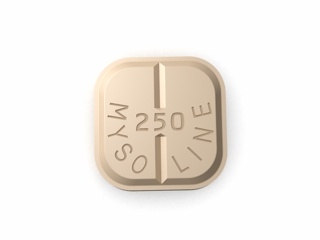


Mysoline (Primidone) – Patient Information (Australia)
Mysoline contains primidone, a medicine used mainly to control seizures. This guide explains how primidone works, how it is taken, key safety information, and what you should know about interactions and practical use. It is written for people in Australia and uses general health information. Always follow the advice of your treating healthcare professional and the directions on your medicine label.
Quick Overview
| Feature | Summary |
|---|---|
| Medicine name | Mysoline (primidone) |
| Common uses | Epilepsy/convulsions (including certain seizure types); sometimes for tremor (as advised) |
| How it works | Reduces abnormal electrical activity in the brain |
| Typical dosing approach | Often started low and increased gradually to reduce side effects |
| How to take | With or without food (follow individual directions); do not suddenly stop |
| Important safety notes | Drowsiness, dizziness, and mood changes can occur—avoid alcohol and be cautious with other sedatives |
Basic Product Information
Mysoline is a brand of primidone. In the body, primidone is metabolised (broken down) into other compounds, including phenobarbital, which contributes to its effects.
- Medicine class: Antiepileptic (antiseizure) medicine; barbiturate-related mechanism
- Forms and strengths: Availability can vary by country and manufacturer. Your product label should show the exact strength and form.
- How it’s usually supplied in Australia: Primidone medicines are typically dispensed through pharmacies in Australia according to Australian prescribing and supply requirements.
How Mysoline (Primidone) Works (Mechanism of Action)
Primidone helps stabilise electrical activity in the brain. While the exact mechanisms in humans can be complex, overall effects include:
- GABA-related activity: Primidone and its active metabolites increase the brain’s inhibitory (calming) signalling.
- Reduced seizure spread: By dampening excitability, it can help prevent abnormal bursts of electrical activity from becoming full seizures.
- Metabolite contribution: Primidone can convert to phenobarbital, which is also antiseizure-active and may contribute to both efficacy and side effects such as sedation.
Pharmacokinetics (How the Body Handles Primidone)
Pharmacokinetics describes how the body absorbs, distributes, metabolises, and eliminates a medicine.
- Absorption: Primidone is absorbed after oral dosing, with the rate and extent depending on formulation and individual factors.
- Distribution: It can distribute widely in the body, including the brain.
- Metabolism: Primidone is metabolised in the liver. A key metabolite is phenobarbital.
- Elimination: Primidone and its metabolites are eliminated mainly via the kidneys. The process can be slower in some people, especially those with impaired kidney function or in older adults.
- Onset of effect: Many people are titrated gradually. Seizure control may take days to weeks (and sometimes longer) as the dose is adjusted.
Note: Exact timings can vary greatly by person. If you notice unexpected changes in seizure frequency or side effects, discuss them promptly with your healthcare team.
Typical Uses (Indications)
In Australia, primidone is used for seizure disorders and may be used for other neurological conditions depending on clinical judgement.
Common indications include:
- Epilepsy: Management of certain seizure types (including partial/other seizure patterns as determined by your clinician).
- Tremor: In some settings, primidone has been used for conditions like essential tremor. Use for tremor should be guided by a clinician based on your diagnosis and response to therapy.
- Adjunct therapy: It may be used alone or alongside other antiseizure medicines to improve control.
When to Take Mysoline (Timing and Routine)
Many people take primidone once or multiple times daily depending on the prescribed dose and your individual schedule.
- Follow your dose schedule closely. Missing doses can reduce effectiveness and may trigger breakthrough symptoms.
- Try to take it at consistent times. This helps keep medicine levels steadier.
- Starting and dose increases: A gradual titration schedule is common to reduce early side effects.
Practical tip: Use an alarm or phone reminder. If you take more than one daily dose, pairing dosing with routine activities (breakfast/dinner/bedtime) can help.
Food Interactions and Taking with Meals
Primidone can generally be taken with or without food, but tolerability may differ.
- If you experience nausea or stomach upset, taking a dose with food may help.
- A consistent approach (same with/without food each day) may support steadier tolerance.
Important: Check your specific product instructions. Always consult a healthcare professional if you have questions about how to take it with your meals.
Alcohol and Medicine Interactions
Alcohol: It’s strongly recommended to avoid or minimise alcohol while taking primidone. Alcohol can increase side effects such as:
- Drowsiness and sedation
- Dizziness and impaired coordination
- Risk of accidents (including falls and driving incidents)
- More severe impairment when combined with other sedating medicines
Other medicines that can interact (examples):
- Other sedatives or hypnotics (sleeping tablets)
- Benzodiazepines (used for anxiety, panic, or sleep in some cases)
- Opioid pain medicines
- Some antihistamines that cause drowsiness
- Antidepressants and other central nervous system medicines (interaction potential varies by medicine)
- Hormonal contraceptives may be affected by enzyme-inducing antiseizure medicines (discuss contraception options with your clinician)
Always tell your doctor or pharmacist about all medicines you take, including over-the-counter products and herbal supplements. Primidone can interact with other drugs by changing liver enzyme activity (see “Safety profile” and “Practical use tips” for guidance).
Dosing (How Primidone is Typically Started and Adjusted)
Dosing must be individualised. Your clinician may adjust your dose depending on:
- your seizure/tremor condition
- age and overall health
- kidney and liver function
- other medicines you take
- how you respond and side effects experienced
Common pattern: Primidone is often started at a low dose and increased gradually over days to weeks.
Typical titration approach (general guidance)
- Day 1–several days: Start low to minimise early adverse effects (such as drowsiness, nausea, or dizziness).
- Gradual increase: Dose may be increased stepwise until an effective and tolerable dose is reached.
- Maintenance: Once stable, the dose is usually kept consistent with regular follow-up.
Do not try to self-adjust. If you miss doses or want to change timing, speak to your healthcare professional. Stopping suddenly can be unsafe.
Missed dose advice (general)
- If you miss a dose, take it when you remember unless it is close to the next dose.
- Do not take double doses to make up for missed doses.
- If you frequently miss doses, ask your pharmacist for a plan to help you keep on track.
Safety Profile: What to Expect and When to Get Help
Like all medicines, primidone can cause side effects. Many people tolerate it better after the dose is gradually increased. However, some effects require prompt medical attention.
Common side effects
- Drowsiness or fatigue
- Dizziness
- Nausea or upset stomach
- Unsteadiness or clumsiness
- Headache
Less common but important reactions
- Mood or behaviour changes (including irritability, agitation, or worsening depression)
- Allergic reactions (rash, swelling, breathing difficulty)
- Severe skin reactions (rare, but seek urgent care)
- Blood-related problems (unusual bruising, persistent infections—discuss promptly)
Seek urgent medical help if
- you have difficulty breathing, facial swelling, or severe rash
- you become extremely drowsy, confused, or have worsening unsteadiness
- your seizures increase significantly or you experience status epilepticus symptoms (continuous seizures or not returning to baseline)
- you notice signs of severe depression or suicidal thoughts
Do not stop abruptly. Stopping suddenly can worsen seizures or cause withdrawal-like effects. If changes are needed, your prescriber will usually guide a gradual adjustment.
Practical Use Tips (Making Treatment Easier)
- Start low, go slow: Follow the titration schedule closely.
- Be careful with driving and machinery: If you feel sleepy or dizzy, avoid driving until you know how primidone affects you.
- Prevent falls: If you’re unsteady, take extra care with stairs, baths, and night-time walking.
- Keep a symptom diary: Track seizure frequency, tremor severity, and side effects. This helps your clinician adjust treatment.
- Maintain consistent routines: Regular sleep, meals, and medication times can improve seizure control.
- Hydration and nutrition: If dizziness or nausea occurs, take supportive measures (small meals, fluids) and discuss persistence with your pharmacist.
Monitoring
Your healthcare team may monitor your response and, in some cases, do blood tests to check safety, especially when starting or adjusting doses, or if you have risk factors. Attend follow-up appointments as scheduled.
Alcohol, Driving, and Lifestyle Considerations
Primidone can affect alertness. In practice:
- Avoid alcohol (or keep it to an absolute minimum if your clinician allows).
- Use caution with other sedatives, including some “cold and flu” products that may contain sedating antihistamines.
- Plan for fatigue: Some people feel more sleepy early in therapy or after dose increases.
- Take extra care at night: If you wake during the night, ensure lighting and avoid sudden standing.
Alternative Options (Other Treatments for Seizures/Tremor)
There are several other medicines and approaches depending on your condition and medical history. Alternatives may include other antiseizure medications, combination regimens, or non-medication strategies.
Examples of alternative medicine classes (not exhaustive):
- Other antiseizure medicines (chosen based on seizure type and patient factors)
- For tremor: other medications may be considered by your clinician
- Non-medication approaches: lifestyle adjustments, neurological specialist review, and in some cases, specialist procedures for selected epilepsy
Your best option depends on diagnosis, seizure type, response history, side effects, and interactions. Discuss alternatives with your prescriber if primidone isn’t suitable.
Market and Legal Context for Australia (What to Expect)
In Australia, the supply of medicines follows strict regulatory requirements. Primidone-containing medicines are generally subject to prescription-only supply arrangements depending on the product and current scheduling. Pharmacies must comply with Australian medicines legislation and workplace policies.
- Prescription requirements: Many antiseizure medicines require a valid Australian prescription and careful dispensing practices.
- Safety checks: Pharmacists may ask questions about other medicines, allergies, and your treatment plan before dispensing.
- Continuity of supply: Antiseizure therapy works best with consistent dosing—plan refills early.
For the most accurate guidance in your situation, consult your local pharmacist.
Recent Guidance and Clinical Updates (General Points)
Clinical practice in epilepsy and tremor management continues to evolve. While specific recommendations can vary, widely emphasised principles include:
- Person-centred titration: Starting low and gradually increasing to balance seizure control and tolerability.
- Adherence importance: Consistent dosing reduces breakthrough episodes.
- Careful review of interactions: Enzyme effects and additive sedation risks are key considerations.
- Patient education: Clear guidance on what to do if doses are missed and when to seek urgent help.
- Mental health monitoring: Mood changes should be monitored and reported early.
If you have questions about how current recommendations affect your treatment, ask your pharmacist or neurologist.
Delivery and Availability (Australia)
Availability can vary depending on stock levels and supplier timelines. When purchasing online through an Australian pharmacy website, delivery options typically include:
- Standard delivery: Delivered to your nominated address within the estimated timeframe shown at checkout.
- Express delivery: If offered, dispatched faster for eligible locations.
- Cold chain: Usually not required for primidone tablets, but always check the product page.
Storage at home: Store tablets in a cool, dry place away from direct sunlight, and keep them out of reach of children.
Packaging and identification: Ensure you receive the correct medicine strength and label as ordered. If anything looks unusual, contact the pharmacy before use.
FAQ: Mysoline (Primidone)
1) What is Mysoline used for?
Mysoline (primidone) is used to manage certain seizure disorders. It may also be used in selected cases for tremor, depending on your diagnosis and clinical judgement.
2) How long does primidone take to work?
Some people feel effects after starting, but seizure control commonly improves over days to weeks as doses are gradually increased. Full benefit can take longer in some individuals.
3) Can I drink alcohol while taking Mysoline?
It is strongly advised to avoid alcohol because it can increase drowsiness and dizziness and may worsen safety. Ask your healthcare professional about what is safest for you.
4) Can I take Mysoline with food?
Primidone can often be taken with or without food. If you experience nausea, taking it with meals may help. Keep your routine consistent unless advised otherwise.
5) What if I miss a dose?
Take it when you remember unless it’s nearly time for the next dose. Do not double up. If missed doses keep happening, discuss a reminder plan with your pharmacist.
6) Is it safe to stop Mysoline suddenly?
No. Stopping suddenly can increase seizure risk and may cause withdrawal-like symptoms. Changes should be guided by your clinician with a gradual plan.
7) Will primidone make me sleepy?
Sleepiness, fatigue, and dizziness are common—especially during the start-up phase or after dose increases. If you’re drowsy, avoid driving and hazardous tasks until you know how you respond.
8) What interactions should I watch for?
Be cautious with alcohol and other medicines that can sedate you (sleeping tablets, benzodiazepines, opioids, some antihistamines). Also tell your clinician about all other medicines, including herbal products and supplements.
9) Do I need monitoring while on primidone?
Your clinician may monitor your symptoms and, in some cases, blood tests—particularly during initiation or dose changes and if you have specific risk factors or side effects.
10) Are there alternatives if primidone doesn’t suit me?
Yes. There are other antiseizure medicines and other strategies depending on your condition. Discuss alternatives with your healthcare professional if side effects are difficult or if seizures are not controlled.
Important Safety Reminder
This information is designed to help you understand Mysoline (primidone). It does not replace advice from your healthcare professional. If you have any concerns about side effects, interactions, or your treatment plan, contact your pharmacist or doctor promptly.