

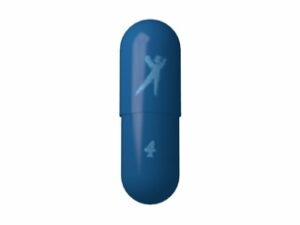

Dimenhydrinate (for Nausea, Vomiting & Motion Sickness) — Product Information
Dimenhydrinate is a widely used antihistamine medicine in Australia, commonly chosen for short-term relief of nausea, vomiting, and dizziness associated with motion sickness. It may also help with vertigo symptoms (such as a spinning sensation) in certain situations. This page explains how dimenhydrinate works, how it’s used, what to expect, and important safety considerations.
Quick Overview
- Active ingredient: Dimenhydrinate
- Medicine type: Antihistamine (H1 blocker with anti-emetic/anti-nausea effects)
- Common uses: Motion sickness, nausea and vomiting, vertigo-related dizziness (varies by product)
- Common form: Tablets/capsules and sometimes chewable or liquid forms depending on brand
- Availability in Australia: Typically available over the counter (OTC) in selected formulations
- Key side effect to know: Drowsiness and impaired alertness
What Is Dimenhydrinate?
Dimenhydrinate is an antihistamine used to treat nausea, vomiting and dizziness. It works in the brain and on balance pathways to reduce the body’s response to signals that can trigger motion sickness or vertigo. In many people, it can help them feel more comfortable during travel or when experiencing sudden nausea.
Products vary by brand and strength, so always check the specific packaging for the recommended age range and dosing. If you are unsure which product is right for you or for a child, speak with a pharmacist.
How Dimenhydrinate Works (Mechanism of Action)
Dimenhydrinate is converted in the body to diphenhydramine, which contributes to its effect. The medicine acts by blocking H1 histamine receptors and influencing pathways involved in nausea and motion perception. It can also help reduce signals from the balance system to the vomiting centre.
- Anti-nausea / anti-emetic action: Helps reduce nausea and vomiting.
- Anti-motion sickness effect: Can reduce dizziness and discomfort during travel.
- Sedating effect: Often contributes to symptom relief but may also cause drowsiness.
Pharmacokinetics (How It Processes in the Body)
While exact pharmacokinetic parameters can vary between individuals and formulations, the general pattern is:
- Absorption: After oral dosing, it is absorbed from the gastrointestinal tract.
- Onset: Some people feel effects within about 30–60 minutes, though this can vary.
- Peak effect: Often occurs within a few hours of dosing.
- Duration: Effects typically last several hours; repeat doses may be needed depending on the condition.
- Metabolism & elimination: It is metabolised in the liver and eliminated primarily via the kidneys.
Because the medicine’s actions include sedation and effects on coordination, spacing and timing are important.
Typical Uses in Australia
Dimenhydrinate is commonly used for:
- Motion sickness: Such as nausea, vomiting, dizziness, and “queasiness” during car, bus, boat, or air travel.
- Nausea and vomiting: For short-term symptomatic relief when caused by vestibular issues or motion.
- Dizziness/vertigo symptoms: In some cases where dizziness is linked to balance disturbances.
Not all brands are identical in indication wording on their labels. Always follow the directions on your specific product and consult a pharmacist if you need guidance for your situation.
When to Take Dimenhydrinate (Timing)
Timing can make a big difference—particularly for travel-related symptoms.
Motion sickness (travel)
- Take in advance: Many people take dimenhydrinate about 30–60 minutes before travelling.
- Plan for long trips: If symptoms are likely to recur, you may need repeat doses according to the label.
- Avoid “late catching up”: Taking it after severe nausea begins may be less effective.
Nausea/vomiting that starts during illness
- Use according to the product label and pharmacist advice.
- If vomiting is severe, persistent, or accompanied by concerning symptoms (see “Safety” below), seek medical advice promptly.
Dosing: What You Should Know
Dosing depends on the product strength and the age of the person taking it. Because formulations and label instructions differ, always follow: the directions on the package or pharmacist instructions.
Important: Do not exceed the recommended dose. Taking more than instructed increases the risk of unwanted effects such as excessive drowsiness, confusion, and other anticholinergic-like symptoms.
General dosing principles (label-dependent)
- Start with the lowest effective dose for the shortest required duration.
- Use scheduled doses only as directed—do not “stack” doses close together.
- For children: Use only if the product label indicates suitability for that age, and measure/dose carefully.
- For older adults: Increased sensitivity to drowsiness and dizziness can occur.
If you’d like, tell us the brand name and the strength shown on your product packaging, and we can help interpret the label directions for typical adult or child use.
Food Interactions
Dimenhydrinate is generally taken by mouth and can be taken with or without food, depending on your product. However, these practical points can help:
- Taking with food may reduce stomach upset for some people.
- Heavy, fatty meals may delay absorption in some individuals, potentially delaying onset.
- If you feel drowsy after dosing, avoid taking it on an empty stomach if it tends to make you feel unwell.
Always follow the product label. If your packaging provides specific instructions about timing with meals, follow those instructions.
Alcohol and Medicine Interactions
Alcohol
Do not mix dimenhydrinate with alcohol unless a pharmacist or doctor specifically advises it. Alcohol can intensify drowsiness, slow reaction time, and increase the risk of impaired coordination.
- Combining alcohol with antihistamines can increase the risk of falls and accidents.
- If you choose to drink, consider avoiding dimenhydrinate around the same time.
Other medicines
Dimenhydrinate can interact with other medicines that have sedating or anticholinergic effects. Tell your pharmacist about all medicines you use, including “over the counter” products.
- Sedatives and sleep medicines: May increase drowsiness.
- Opioids: May increase sedation and breathing-related risks in susceptible individuals.
- Some antidepressants, anxiety medicines, or antipsychotics: May add to sedation or confusion.
- Other antihistamines: Avoid duplication (risk of excessive sedation).
- Medicines that affect balance/coordination: Use caution—together may impair function.
If you are taking medicines for glaucoma, urinary retention/prostate enlargement, or certain neurologic conditions, consult a pharmacist because antihistamines can sometimes worsen symptoms in susceptible individuals.
Indications: When Dimenhydrinate May Be Appropriate
Dimenhydrinate is indicated for symptomatic relief of:
- Motion sickness (including nausea, vomiting, dizziness related to travel)
- Nausea and vomiting (short-term relief depending on cause and product label)
- Vertigo-associated symptoms in some label indications
It is not a cure for the underlying cause of nausea. If symptoms are due to infections, food poisoning, migraine, pregnancy, or other conditions, different management may be needed.
Safety Profile: Side Effects and When to Get Help
Common side effects
The most frequent effect is sedation. Other effects may include:
- Drowsiness or tiredness
- Dizziness and slower reaction time
- Dry mouth
- Constipation
- Blurred vision in some people
- Headache
Less common but serious warning signs
Seek urgent medical attention (or contact emergency services) if you experience signs of a serious reaction or severe side effects, such as:
- Severe allergic reaction (swelling of face/lips, difficulty breathing, hives)
- Fainting, severe confusion, or extreme agitation
- Very fast heartbeat or chest pain
- Signs of dehydration from ongoing vomiting (especially in children)
- Uncontrolled movements, seizures, or severe hallucinations (rare)
Who should take extra care?
- Children: Dosing must be label-appropriate. Antihistamines can cause paradoxical excitation in some children (more restlessness rather than sleepiness).
- Older adults: Increased risk of falls, confusion, and constipation.
- People with glaucoma or urinary retention/prostate issues: anticholinergic effects may worsen symptoms.
- People with liver disease: may require extra caution due to metabolism differences.
If you have ongoing dizziness, recurrent vomiting, or any neurologic symptoms (such as weakness, trouble speaking, severe headache), don’t rely solely on symptomatic relief—get appropriate medical assessment.
Practical Use Tips (How to Get the Best Results)
- Try it before your trip: If this is your first time using dimenhydrinate, consider trial use at home to understand how it affects you.
- Plan for sedation: Avoid driving, riding scooters/bikes, or operating machinery after taking it.
- Hydrate if vomiting occurs: Take small sips of water or oral rehydration solution if you can tolerate fluids.
- Choose comfort measures: Fresh air, looking at the horizon, and keeping motion to a minimum can complement medicine.
- Follow the label spacing: Don’t take extra doses “just in case.” Too much increases side effects.
- Keep track of the cause: If nausea lasts longer than expected or keeps returning, identify the trigger with a pharmacist.
Alternative Options for Nausea and Motion Sickness
Several options may help with nausea and motion sickness depending on the cause and the person. Alternatives include:
- Non-medicine approaches: Ginger, rest, hydration, avoiding reading in a moving vehicle, and using anti-motion comfort strategies.
- Other OTC anti-nausea medicines: Some products contain different active ingredients (availability varies by brand and age group).
- Specialised motion sickness treatments: Depending on symptom patterns and suitability, a pharmacist may suggest other options.
If you tell us the scenario (adult vs child, travel type, timing, and symptom severity), a pharmacist can help compare options and reduce the chance of side effects.
Australia Market & Legal Context (General Guidance)
In Australia, medicines are regulated through the Therapeutic Goods Administration (TGA). Many formulations of dimenhydrinate are available as non-prescription medicines (subject to product-specific scheduling and pharmacy availability). Product labelling provides age guidance, dose limits, and safety instructions.
Pharmacy staff may ask questions about symptoms, age, medical conditions, and other medicines to ensure the product is appropriate. Always read the label and follow directions precisely.
Recent Guidance and Practical Updates
Safety guidance for antihistamines commonly emphasises:
- Avoiding alcohol due to enhanced drowsiness.
- Care with driving and machinery because alertness may be reduced.
- Following label dosing limits and not doubling up with other sedating antihistamines.
- Extra caution in children and in people at higher risk of confusion or falls.
Product instructions may be updated over time by manufacturers and regulators. Always rely on the most current information printed on the package you purchase.
Delivery and Availability (Online Pharmacy)
Dimenhydrinate is typically stocked through Australian pharmacies and may be available for delivery depending on regional service coverage. Availability can vary by brand, form (tablet/chewable/liquid), and pack size.
- Check stock: Online listings show current availability.
- Delivery timeframes: Depend on location and shipping method selected at checkout.
- Packaging: Medicines are supplied in original manufacturer packaging with label and leaflet information.
If you need the medicine for travel, consider ordering early so you receive it well before your trip date.
Product Information Table
| Category | Details |
|---|---|
| Active ingredient | Dimenhydrinate |
| Medicine type | Antihistamine with anti-nausea effects |
| Common uses | Motion sickness; nausea/vomiting; dizziness/vertigo symptoms (depending on product) |
| Key effect | Reduces nausea signals and dizziness; may be sedating |
| Onset | Often within 30–60 minutes (varies) |
| Timing for travel | Typically 30–60 minutes before travelling |
| Common side effect | Drowsiness, dry mouth, constipation, blurred vision |
| Alcohol interaction | Avoid or use extra caution due to increased drowsiness |
| Food interaction | May be taken with or without food; heavy meals can delay onset for some people |
FAQ: Dimenhydrinate (Australia)
1) Is dimenhydrinate the same as other antihistamines?
Dimenhydrinate is an antihistamine. Its use in motion sickness and nausea relates to how it affects histamine receptors and the brain pathways involved in nausea and balance. Other antihistamines may have different dosing instructions and different suitability.
2) How long before travel should I take it?
For motion sickness, many people take dimenhydrinate 30–60 minutes before travelling. Follow the instructions on your product label for the most accurate timing and repeat dosing schedule.
3) Can I take dimenhydrinate with food?
Often yes. Taking it with food can help some people if they experience stomach discomfort. That said, heavy meals may delay absorption for some individuals, which could slightly delay when symptoms start improving.
4) Will dimenhydrinate make me sleepy?
It commonly causes drowsiness. The intensity varies. Plan not to drive or perform hazardous tasks after taking it, especially until you know how it affects you.
5) Can I drink alcohol while taking dimenhydrinate?
It’s strongly recommended to avoid alcohol, because it can increase drowsiness and reduce reaction time. If you’re unsure, ask a pharmacist for advice based on your circumstances.
6) Are there interactions with other medicines?
Yes. Dimenhydrinate may interact with other sedating medicines (sleep tablets, sedatives, some pain medicines, certain psychiatric medicines) and with other antihistamines. Tell your pharmacist about everything you take, including OTC products.
7) What if a child needs it?
Use only if the product label indicates it’s suitable for that child’s age, and follow the exact dosing instructions. Drowsiness or unusual behaviour may occur in children, so close supervision is important. When in doubt, consult a pharmacist.
8) What should I do if I accidentally take too much?
If you think too much dimenhydrinate has been taken, seek urgent advice promptly. Keep the packaging available so health professionals can identify the product and strength.
9) When should I stop and seek medical advice?
Seek medical advice promptly if nausea/vomiting is severe, persists longer than expected, or is accompanied by red-flag symptoms (severe headache, neurological signs, blood in vomit, severe dehydration, or signs of serious allergic reaction).
10) Is dimenhydrinate suitable for everyone?
Not necessarily. People with certain conditions (such as glaucoma or urinary retention/prostate problems) or those taking interacting medicines may require caution. Always read the product label and consult a pharmacist if you have questions.
Summary
Dimenhydrinate is an antihistamine commonly used in Australia for motion sickness and short-term relief of nausea and dizziness. It works by reducing signals involved in nausea and balance-related discomfort, but it often causes drowsiness. For best results, take it in advance of travel as directed on the label, avoid alcohol, and be mindful of interactions with other sedating medicines. If symptoms are persistent or severe, seek appropriate advice rather than relying only on symptomatic treatment.