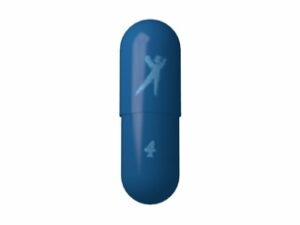
Detrol (Tolterodine) — Patient-Friendly Medicine Information (Australia)
Detrol is a brand of tolterodine, a medicine used to treat overactive bladder symptoms such as urinary urgency, frequent urination, and urge incontinence. This page explains how Detrol works, how it is typically taken, important safety information, and practical tips to help you use it effectively.
Note: Medicines should be used according to the advice provided by your doctor and the product packaging. The information below is designed to help you understand Detrol and its common use in Australia.
Quick Facts
- Active ingredient: Tolterodine
- Common purpose: Helps control overactive bladder symptoms
- Type: Antimuscarinic (anticholinergic) medicine
- Available forms: Depending on the product listing, Detrol may be available as immediate-release and/or extended-release formulations (strengths vary by brand/market)
- Typical benefits: Reduced urgency, fewer bathroom trips, fewer leaking episodes from sudden bladder contractions
What is Overactive Bladder?
Overactive bladder (OAB) is a condition where the bladder muscle becomes overactive, causing sudden, hard-to-delay urges to urinate. Symptoms may include:
- Urinary urgency: A sudden need to urinate
- Frequency: Needing to pass urine more often than usual
- Urge incontinence: Involuntary urine leakage following a strong urge
- Nocturia: Waking at night to urinate
Detrol helps by reducing involuntary bladder contractions.
Indications (When Detrol is Used)
In Australia, tolterodine (Detrol) is commonly used for the management of:
- Overactive bladder with symptoms of urgency, with or without urge incontinence, and with urinary frequency.
It may be considered when lifestyle measures alone are not enough, or as part of a broader plan.
How Detrol Works (Mechanism of Action)
Tolterodine is an antimuscarinic medicine. It works by blocking muscarinic receptors in the bladder.
- By reducing muscarinic signalling, it helps relax the bladder and decrease involuntary contractions.
- This can lead to longer intervals between urination and a lower number of urgent episodes.
- As bladder contractions become less frequent, urge incontinence may also reduce.
While it can improve symptoms, Detrol does not cure the underlying tendency for overactivity; rather, it controls symptoms.
Pharmacokinetics (Absorption, Distribution, Metabolism, Excretion)
Pharmacokinetics describe what the body does to the medicine (and what the medicine does to the body). The exact profile can vary somewhat depending on formulation and individual factors.
Absorption
Tolterodine is absorbed after oral dosing. Peak concentrations occur after taking the dose; timing depends on whether you’re using immediate-release or extended-release formulations.
Distribution
Tolterodine is distributed throughout the body and can reach the bladder, where it exerts its effect.
Metabolism
Tolterodine is metabolised in the liver. A key enzyme system is involved (cytochrome P450 pathways), which is why certain interacting medicines can affect tolterodine levels.
Elimination
Metabolites and the parent drug are eliminated mainly via the kidneys and also through metabolic pathways.
Why this matters for you
- If you have liver disease or kidney impairment, your doctor may choose a different dose or formulation.
- If you take medicines that strongly affect liver enzymes (for example, some antifungals or antibiotics), your tolterodine exposure may change.
Typical Timing and When to Take Detrol
Detrol is usually taken once or twice daily depending on the formulation and your prescribed regimen. Many patients find it helpful to take the dose at the same times each day.
Common practical timing tips
- Be consistent: Try to take it around the same times daily.
- Plan around day/night symptoms: If nocturia is a major issue, timing of doses may be tailored by your doctor.
- Give it time: Symptom improvement may occur within days, but full benefit can take longer (see “How long does it take to work?” in the FAQ).
Do not double up if you miss a dose. Follow the instructions provided by your prescriber or product directions.
Food Interactions and Dietary Considerations
Tolterodine can usually be taken with or without food. However, individual formulations may have specific instructions.
- General approach: Take Detrol the same way each day (with or without food) unless your clinician advised otherwise.
- Absorption differences: Food may slightly affect absorption for some oral medicines. For most patients, this does not cause clinically significant problems.
If you notice symptoms worsen after changing how you take the tablets (for example, switching from with food to without food), consider returning to your usual method and speak with a pharmacist.
Alcohol Interactions
Alcohol may increase certain side effects from antimuscarinic medicines, including:
- Dizziness or light-headedness
- Drowsiness or slowed reaction time
- Blurred vision in some people
- Dry mouth (alcohol can worsen dryness)
Recommendation: If you choose to drink alcohol, do so moderately and avoid combining with driving or activities that require full alertness. If you feel unwell, avoid alcohol and discuss your symptoms with your pharmacist.
Medicine Interactions (What to Check)
Drug interactions can affect how tolterodine works, increase side effects, or change blood levels.
Medicines that may increase antimuscarinic effects
- Other antimuscarinic medicines (for example, for bladder spasm, certain allergy medicines, or some overactive bladder products)
- Some medicines used for motion sickness or Parkinson’s disease may also have anticholinergic effects
Medicines that may affect liver metabolism
- CYP3A4 inhibitors can increase tolterodine exposure in some patients (examples include certain antifungals and some antibiotics)
- CYP2D6 interactions may also be relevant, depending on your metabolic profile and local product guidance
Medicines that can worsen urinary retention
- Some medicines with anticholinergic effects can make it harder to pass urine, particularly if you have bladder outlet obstruction or a tendency toward urinary retention.
Special caution if you use other “drying” medicines
- Drying medicines (antihistamines, some antidepressants with anticholinergic effects) may worsen dry mouth, constipation, or blurred vision.
What to do: Keep a current list of all medicines and supplements you take and ask your pharmacist to check interactions before starting Detrol or any interacting treatment.
Dosage (Typical Dosing Guidance)
Your exact dose will depend on your prescribed product (immediate-release vs extended-release), your age, kidney/liver function, and your response to treatment.
| Formulation (example) | Typical dosing approach | Notes |
|---|---|---|
| Immediate-release tolterodine (if applicable) | Often taken twice daily | Morning and evening doses may be prescribed; dosing is individualized. |
| Extended-release tolterodine (if applicable) | Often taken once daily | Swallow whole; do not crush or chew extended-release tablets unless directed. |
| Dose adjustments | May be reduced in kidney impairment or liver impairment | Follow the product’s dosing guidance and your prescriber’s instructions. |
Important: Always follow the instructions on the pack and those given by your healthcare provider. If you have kidney or liver problems, do not assume the same dose is appropriate.
How Long Does It Take to Work?
Many patients notice changes within the first few days, but the best results may take several weeks as symptoms settle and doses are optimised.
- If you don’t notice any benefit after an appropriate trial period, speak with your pharmacist or doctor—your dose, formulation, or treatment plan may need adjustment.
- If side effects are troublesome, you may need a dose change or an alternative medicine.
Safety Profile and Side Effects
Like all medicines, Detrol can cause side effects. Many are related to its antimuscarinic action.
Common side effects
- Dry mouth
- Constipation
- Blurred vision
- Headache
- Stomach discomfort or indigestion
- Dizziness in some people
Less common but important side effects
- Urinary retention (difficulty passing urine), especially in people prone to obstruction
- Severe constipation or worsening bowel symptoms
- Confusion (more likely in older adults or with higher exposure)
- Eye problems such as worsening glaucoma symptoms (see “When to seek urgent help”)
When to seek urgent medical help
Get urgent help if you experience:
- Signs of an allergic reaction (swelling of face/lips, rash, breathing difficulty)
- Severe trouble urinating or painful inability to urinate
- Severe constipation, severe abdominal pain, or vomiting
- Sudden eye pain or significant vision changes
- Severe confusion, agitation, or marked drowsiness
Who should be extra careful
- People with narrow-angle glaucoma (risk of worsening eye pressure)
- People with urinary retention risk or bladder outlet obstruction
- People with severe constipation or bowel motility issues
- Older adults who are more sensitive to antimuscarinic side effects
- People with kidney or liver impairment (dose adjustment may be necessary)
Practical Use Tips (How to Get the Best Outcome)
Manage dry mouth
- Keep water nearby and sip regularly (avoid excessive caffeine if it worsens urgency).
- Use sugar-free gum or lozenges.
- Good oral hygiene helps prevent dental issues associated with dryness.
Reduce constipation risk
- Increase fibre and fluids if safe for you.
- Maintain gentle regular activity (if appropriate).
- Seek advice if you have not passed stool normally.
Watch your bladder habits
- Continue bladder training and scheduled toileting strategies if recommended.
- Avoid excessive fluid restriction—unless your clinician advises it.
- Track symptoms (timing of urgency and frequency) to evaluate benefit.
Driving and alertness
Some people experience dizziness or blurred vision. Until you know how Detrol affects you, use caution when driving or operating machinery—especially after starting or changing dose.
Hydration and hot weather
Because antimuscarinic medicines can reduce sweating in some people, take extra care in hot weather. Stay hydrated and seek advice if overheating occurs.
Alternative Options (If Detrol Isn’t Right)
Overactive bladder can be treated with multiple options. Alternatives may include:
Other medicines
- Other antimuscarinic medicines (different agents may cause fewer side effects for some patients)
- Beta-3 adrenergic agonists (another class used for overactive bladder in some settings)
Non-medicine options
- Bladder training and timed voiding
- Pelvic floor muscle exercises
- Fluid and caffeine guidance (reduce bladder irritants where relevant)
- For some cases, specialised therapies may be considered by specialists
If you experience side effects or inadequate symptom control, your pharmacist or doctor can help discuss suitable alternatives.
Market and Legal Context for Australia (General Information)
In Australia, medicines are regulated by the Therapeutic Goods Administration (TGA). Detrol (tolterodine) is dispensed in line with Australian pharmaceutical regulations and product classification for supply.
Many overactive bladder medicines are managed through a structured healthcare pathway. Availability and supply requirements can vary by formulation and brand. If you’re purchasing online, your pharmacy should provide clear information about:
- Product details (brand, strength, formulation)
- Delivery timeframes and shipping conditions
- How the order is processed to meet Australian regulatory requirements
- Pharmacist support and counselling availability
Recent guidance note: Clinical practice in Australia continues to emphasise individualised treatment, careful review of antimuscarinic side effects, and preference for the lowest effective dose—particularly in older adults and people with constipation, dry mouth, or cognitive concerns. Your healthcare professional may also consider alternatives if antimuscarinic medicines are not well tolerated.
Recent Guidance and Safety Considerations (Australia-Focused)
Overactive bladder management has increasingly highlighted:
- Individual risk assessment before choosing antimuscarinic therapy (e.g., constipation risk, glaucoma history, urinary retention risk)
- Regular review of ongoing benefit vs side effects after initiating therapy
- Consideration of age and comorbidities when choosing or continuing antimuscarinic medicines
If you have been on Detrol for some time, it may be appropriate to review whether it remains the best option for your current symptoms and tolerability.
Delivery and Availability (Online Pharmacy)
Availability can vary between pharmacies and suppliers. When ordering online in Australia, typical factors affecting delivery include product stock levels, courier schedules, and state-specific transport times.
What you can expect
- Packaging: Sealed product packaging with clear dosing instructions
- Dispatch: Usually on business days, depending on stock and verification steps
- Delivery timeframe: Varies by location; your pharmacy should provide estimated delivery times at checkout
Storage
- Store at controlled room temperature as stated on the pack.
- Keep out of reach of children.
- Do not use after the expiry date printed on the packaging.
If you have specific storage needs (e.g., travel), ask your pharmacist for advice.
FAQ About Detrol (Tolterodine)
1) What symptoms does Detrol treat?
Detrol helps reduce urinary urgency, urinary frequency, and urge incontinence associated with overactive bladder.
2) How do I take Detrol?
Take Detrol exactly as directed on the packaging and by your clinician. Swallow tablets whole. Keep consistent timing each day. If you miss a dose, follow advice given by your pharmacist or prescriber—generally do not take extra to “catch up.”
3) Can I take Detrol with food?
Detrol is generally taken with or without food. For best stability, take it the same way each day unless your healthcare professional advised otherwise.
4) When will I feel better?
Some people notice improvement within days. For others, it may take several weeks for the full effect. If there’s no meaningful improvement after an adequate trial, discuss options with your pharmacist or doctor.
5) What should I do if I get dry mouth?
Try frequent sips of water, sugar-free gum/lozenges, and good dental care. If severe or persistent, speak with your pharmacist—dose adjustment or an alternative may be considered.
6) Can Detrol cause constipation?
Yes. Constipation is a common antimuscarinic side effect. Increase dietary fibre and fluid intake if appropriate, and seek advice if constipation becomes severe or painful.
7) Is it safe for older adults?
Older adults may be more sensitive to antimuscarinic side effects (dry mouth, constipation, dizziness, confusion). Your doctor may prescribe a suitable starting dose and schedule, and should review benefit and tolerability regularly.
8) Who should avoid Detrol or use extra caution?
Extra caution is advised if you have narrow-angle glaucoma, a history of urinary retention or significant bladder outlet obstruction, severe constipation, or certain kidney/liver problems.
9) Can I drink alcohol while taking Detrol?
Alcohol may worsen dizziness, drowsiness, and dry mouth. If you drink, do so in moderation and be cautious with driving or tasks requiring alertness. Avoid alcohol if you notice symptoms worsen.
10) What medicines interact with Detrol?
Tell your pharmacist about all medicines you take, especially other antimuscarinic drugs and medicines that affect liver metabolism (some antifungals/antibiotics). Interaction checking helps prevent excessive side effects or reduced effectiveness.
Summary
Detrol (tolterodine) is an antimuscarinic medicine used to manage overactive bladder symptoms including urgency, frequency, and urge incontinence. It works by blocking muscarinic receptors in the bladder to reduce involuntary contractions. Typical benefits may take some time, and side effects—most commonly dry mouth and constipation—can occur. By using it consistently, managing lifestyle factors, and checking for medication interactions, many people experience meaningful symptom improvement.
If you have questions about whether Detrol is suitable for you, your pharmacist can help you understand benefits, side effects, and practical steps to use the medicine safely.