
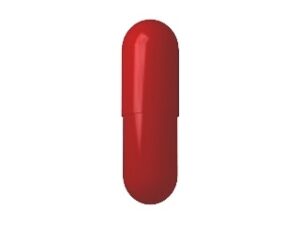
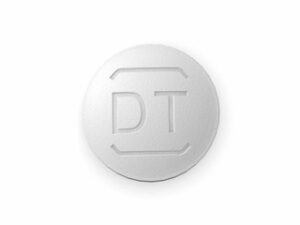
Depakote (Divalproex) – Patient Information
Depakote is a brand of divalproex, a medicine used for a range of neurological and psychiatric conditions. It helps stabilise nerve cell activity and can reduce the frequency of certain seizures and mood symptoms. This page explains how Depakote works, how it is taken, key safety considerations, and what to expect in day-to-day use.
Important: This information is general and cannot replace advice from your doctor or pharmacist. If you have questions about your specific situation, ask a healthcare professional.
Basic product information
| Feature | What you should know |
|---|---|
| Active ingredient | Divalproex (valproate compound) |
| Common conditions treated | Epilepsy/seizures, bipolar disorder, and migraine prevention (in some patients) |
| Common formulations | Enteric-coated tablets or other brand forms depending on product availability in Australia |
| Typical schedule | Often 1–2 times daily depending on the formulation and your regimen |
| Monitoring | May require blood tests (e.g., liver function and valproate levels) in selected patients |
How Depakote works (mechanism of action)
Depakote contains divalproex, which is converted in the body to valproate. Valproate influences several brain chemical pathways that affect nerve signalling. The exact mechanism is complex, but key actions include:
- Increasing inhibitory signalling in the brain (particularly via the neurotransmitter GABA), which can calm excessive electrical activity.
- Modifying sodium and calcium channel activity, which can reduce seizure propagation.
- Effects on brain energy metabolism and gene expression that may support longer-term stabilisation of mood and seizure threshold.
Because it affects more than one pathway, Depakote may be effective for different types of conditions such as seizures and mood disorders.
Pharmacokinetics: how the body processes Depakote
Pharmacokinetics describes what the body does to a medicine—absorption, distribution, metabolism, and elimination.
Absorption
- With many formulations, divalproex is absorbed after the tablet dissolves (some forms are enteric-coated).
- Peak levels in blood typically occur within hours, depending on the formulation and whether it is taken with food.
Distribution
- Valproate distributes throughout the body and can cross the blood–brain barrier.
- It binds to proteins in the blood; protein binding can change in certain illnesses or with interacting medicines.
Metabolism
- Valproate is mainly metabolised in the liver.
- It can interact with other medicines because it may affect liver enzyme activity.
Elimination
- Metabolites are eliminated primarily through the kidneys.
- The “half-life” (how long it takes for blood levels to reduce by half) can vary between people and may be influenced by age, liver health, and interacting drugs.
Why this matters: Understanding pharmacokinetics helps explain why dose adjustments and blood tests may be needed, and why liver health is important for safety.
Typical uses (indications)
Depakote/divalproex is used for several indications. Availability and exact indication depend on product form and clinical decision-making.
- Epilepsy (seizure disorders): commonly for certain seizure types, including some focal or generalised seizures depending on the regimen.
- Bipolar disorder: for the treatment of manic episodes associated with bipolar disorder and, in some circumstances, for longer-term mood stabilisation.
- Migraine prevention: in some patients to reduce the frequency of migraine attacks.
Your healthcare professional will choose the most appropriate indication and formulation based on your diagnosis, history, and response to therapy.
Timing and how to take Depakote
Consistency is important for medicines like Depakote. Taking it at the same times each day helps maintain stable blood levels.
General timing
- Daily schedule: Many people take Depakote 1–2 times daily depending on the formulation and doctor’s instructions.
- Spacing: If prescribed twice daily, try to keep the gap between doses steady.
- Swallow whole (if appropriate): Many tablets should be swallowed whole; do not crush or chew unless your pharmacist confirms it is safe for your specific product.
Missed dose guidance
- If you miss a dose, take it when you remember unless it is close to the next dose.
- Do not take a double dose to make up for a missed dose.
- If you are unsure, ask a pharmacist for advice specific to your schedule.
Stopping suddenly: For seizure control and mood stability, abrupt stopping can be risky. Any changes should be discussed with a healthcare professional, who may recommend a tapering plan.
Food interactions and taking with meals
Food can influence the rate of absorption for some formulations. In many cases, Depakote can be taken with or without food.
- With food: Taking Depakote with food may reduce stomach upset for some people.
- Consistency matters: Try to take it the same way each day (either always with meals or always on an empty stomach), unless your pharmacist advises otherwise.
Hydration: Maintain adequate fluid intake, especially if you experience nausea or appetite changes.
Alcohol interactions
Alcohol can increase the risk of side effects and may worsen the conditions Depakote is treating.
- Increased drowsiness: both alcohol and Depakote can affect alertness and coordination.
- Higher risk of liver strain: alcohol and valproate are both processed by the liver; heavy alcohol intake may increase risk.
- Seizure threshold and mood stability: alcohol can trigger or worsen symptoms in some people.
Practical advice: If you drink alcohol, discuss a safe approach with your doctor or pharmacist. For many patients, reducing alcohol or avoiding it is recommended—especially during early treatment or if liver-related concerns arise.
Medicine interactions (important)
Depakote can interact with other medicines. Some interactions may require dose adjustment or closer monitoring, while others may be unsafe together.
Common interaction themes
- Liver metabolism interactions: because valproate is metabolised in the liver and can influence liver enzymes.
- Protein binding interactions: medicines that affect protein binding can change free valproate levels.
- Blood thinning and bleeding risk: valproate can affect platelet function in some circumstances, potentially increasing bleeding tendency.
Examples of medicines that may interact
Depending on your treatment plan, your clinician or pharmacist may check for interactions with:
- Other anti-epileptic medicines (e.g., carbamazepine, lamotrigine, phenobarbital, phenytoin, topiramate): levels and side-effect profiles may change.
- Medicines for bipolar disorder (e.g., lithium): combined use may increase monitoring needs.
- Warfarin and other anticoagulants: bleeding risk may change; INR and monitoring may be required.
- Aspirin and other salicylates: can influence valproate protein binding.
- Some antibiotics/antifungals: may affect drug levels (varies by medicine).
- Carbapenem antibiotics (some antibiotics used for serious infections): may have a significant interaction with valproate in some cases.
Always tell your pharmacist about all medicines you take, including over-the-counter products, herbal remedies, and supplements. Don’t start or stop interacting medicines without advice.
Dosing: how Depakote dosing is commonly managed
Dose is individual and depends on the condition being treated, your age, liver and kidney health, other medicines, and how well you tolerate Depakote.
General principles
- Start low, go slow: Many patients begin with a lower dose and increase gradually to reduce side effects and improve tolerability.
- Therapeutic monitoring: In some cases, blood tests may be used to check valproate levels and ensure dosing is appropriate.
- Special populations: Dose may differ for children, older adults, and those with certain health conditions.
Typical regimen concepts (not a one-size-fits-all dose chart)
Depakote regimens vary by indication and formulation. Your prescriber may adjust the dose based on response and side effects rather than following a simple fixed dose schedule.
- Seizure control: doses may be titrated to achieve adequate seizure control with tolerable side effects.
- Bipolar disorder: doses may be titrated for symptom control, including mania, and may be adjusted for maintenance in selected patients.
- Migraine prevention: doses are often adjusted carefully to balance benefits with tolerability.
Do not change your dose unless your healthcare professional advises it. If you think your dose is too high or too low, speak to your pharmacist or doctor.
Safety profile and key warnings
Like all medicines, Depakote can cause side effects. Many are mild and improve over time, but some require urgent medical attention.
Common side effects
- Nausea, indigestion, or stomach discomfort
- Dizziness or drowsiness
- Tremor
- Weight gain or increased appetite
- Headache
Less common but important risks
- Liver injury: Rarely, valproate can cause serious liver problems. Risk may be higher in young children and in people with certain metabolic or liver conditions.
- Pancreatitis: Inflammation of the pancreas can occur rarely and may present with severe abdominal pain.
- Blood-related effects: Depakote may affect platelets and cause bleeding tendency in some people.
- Raised ammonia: can occur, particularly if experiencing confusion, unusual sleepiness, or vomiting.
- Hair changes: reversible hair thinning or texture change may occur in some patients.
- Birth defects in pregnancy: valproate medicines are associated with risks to the developing baby. This is a major consideration for people who can become pregnant (see below).
Seek urgent help if you notice
- Signs of liver problems: severe fatigue, loss of appetite, vomiting, pain in the upper abdomen, yellowing of eyes/skin (jaundice), dark urine
- Signs of pancreatitis: severe abdominal pain (often with nausea/vomiting)
- Unusual bruising or bleeding
- Severe or persistent drowsiness, confusion, or worsening mental status
- Allergic reactions such as swelling of face/lips or difficulty breathing
Special safety considerations in Australia (pregnancy and women of childbearing potential)
Valproate-containing medicines (including divalproex/Depakote) carry significant risks during pregnancy. These risks include a higher chance of developmental problems for the baby.
If you are able to become pregnant or you plan pregnancy:
- Discuss risks and safer alternatives with your doctor as early as possible.
- Use reliable contraception if advised.
- Do not stop Depakote suddenly—this can worsen seizures or mood symptoms.
- Ask about monitoring and options for switching medicines well ahead of pregnancy if appropriate.
Why early planning matters: The safest plan often involves careful review and, in many cases, switching to a lower-risk therapy before conception.
Practical use tips (day-to-day guidance)
- Keep a medication routine: Use a phone alarm or pill organiser to reduce missed doses.
- Track how you feel: Note seizure frequency, mood changes, and side effects (e.g., sleepiness, tremor) to help your healthcare team adjust treatment.
- Avoid sudden stops: If you want to stop or change, speak to your clinician for a safe plan.
- Attend monitoring visits: If blood tests are recommended, keep appointments and ask what results mean.
- Be cautious with driving: Drowsiness or dizziness may occur, especially when starting or increasing dose.
- Hydrate and eat regularly: Nausea is often easier to manage with meals and fluids.
Monitoring: what blood tests and assessments may be used
Your healthcare professional may recommend monitoring based on your health and treatment stage. Monitoring may include:
- Liver function tests (especially early on or in higher-risk groups)
- Blood counts (for platelets and other blood cells)
- Valproate blood levels in selected cases, such as lack of response, suspected toxicity, or interactions
- Ammonia levels if symptoms suggest hyperammonemia (for example, confusion or unusual sleepiness)
Ask your pharmacist what monitoring is relevant for your specific regimen.
Alternative options (depending on your condition)
Alternatives depend on whether Depakote is being used for seizures, bipolar disorder, or migraine prevention.
For seizure disorders
- Levetiracetam
- Lamotrigine
- Carbamazepine
- Oxcarbazepine
- Lacosamide and others
For bipolar disorder
- Lithium
- Some atypical antipsychotics used for mood stabilisation
- Other mood stabilisers depending on the clinical profile
For migraine prevention
- Beta-blockers (e.g., propranolol in selected patients)
- Other preventive medicines such as topiramate (depending on suitability)
- Emerging options like CGRP-targeting therapies (specialist-led)
- Non-drug strategies (sleep, hydration, trigger management, physiotherapy, and stress reduction)
Switching medicines should always be planned carefully. Do not self-manage a change—especially for seizure disorders and mood instability.
Alcohol, driving, and lifestyle considerations
Depakote may affect alertness. When combined with alcohol or other sedating medicines, the effects can be stronger.
- Avoid alcohol or keep it minimal, especially early in treatment or after dose changes.
- Be cautious when driving or operating machinery if you feel drowsy.
- Inform workplaces and schools if you need adjustments (e.g., fatigue management).
Market and legal context in Australia
In Australia, valproate-containing medicines are regulated and prescribed within established clinical guidelines. Because of known risks—particularly in pregnancy—there are specific attention points for prescribing and monitoring.
Key themes in the Australian context include:
- Careful benefit–risk assessment for people who can become pregnant
- Use of appropriate contraception and counselling where relevant
- Ongoing pharmacovigilance through national reporting systems
- Patient education and clinician review when treatment is started, adjusted, or discontinued
For the most current country-specific safety statements and prescribing advice, your pharmacist can direct you to the official product information and relevant guidance.
Recent guidance and safety updates (what to watch for)
Safety information for valproate medicines may evolve as new evidence becomes available. In Australia, healthcare providers commonly emphasise:
- Pregnancy prevention and specialist review for people who can become pregnant
- Individualised risk assessment when continuing versus switching
- Monitoring plans for liver health and blood cell counts
- Clear counselling on overdose signs, missed doses, and drug interactions
If you want, ask your pharmacist for the latest consumer medication information for your exact Depakote product and strength.
Delivery and availability
Availability can vary by formulation and strength. Many pharmacies in Australia can supply Depakote through standard distribution channels.
- Product listing: Online pharmacies may list Depakote tablets in available strengths and pack sizes.
- Order processing: Orders are typically processed during business hours subject to stock availability.
- Delivery: Delivery options and timeframes depend on your location and the pharmacy’s dispatch schedule.
- Prescription documentation: Depending on how the pharmacy supplies medicines, certain administrative requirements may apply.
If you need help finding the right strength or formulation, contact the pharmacy team before placing an order.
FAQ – Depakote (Divalproex)
1) How long does Depakote take to work?
It varies by condition. Some effects may be noticed within days to weeks, while seizure control and mood stabilisation may take longer, especially during dose adjustments. Your clinician may reassess response over time.
2) Can I take Depakote with other anti-epileptic medicines?
Often yes, but it must be managed carefully because interactions can alter drug levels and side effects. Your pharmacist can help check interaction risks based on your medication list.
3) What if I feel very drowsy or dizzy?
Drowsiness can happen, particularly after starting or increasing the dose. Avoid alcohol and be cautious with driving. Contact your healthcare professional promptly if drowsiness is severe, worsening, or affecting your safety.
4) Is it safe to drink alcohol while taking Depakote?
Alcohol may increase side effects and can stress the liver. If you plan to drink, discuss it with your doctor or pharmacist. Many patients are advised to avoid or minimise alcohol.
5) What side effects are most concerning?
Seek urgent medical help for signs of serious liver injury, pancreatitis, unusual bleeding, or significant confusion/sleepiness. Mild side effects should still be reported to your healthcare team, especially if persistent.
6) Will Depakote cause weight gain?
Weight changes can occur in some people. Eating habits, activity, and other medications can influence this. If weight gain becomes significant, discuss options with your clinician.
7) Can I stop Depakote suddenly?
Do not stop abruptly without medical guidance. Stopping suddenly can increase the risk of seizures or mood worsening. Any changes should be planned with your healthcare professional.
8) What should I do if I miss a dose?
Take it when you remember unless it’s close to the next dose. Do not double up. If you’re unsure, ask your pharmacist for advice for your specific dosing schedule.
9) Are there special concerns for pregnancy?
Yes. Valproate medicines are associated with risks to the developing baby. If pregnancy is possible or planned, discuss risk and alternatives as early as possible and do not stop suddenly without medical guidance.
10) How do I manage nausea or stomach upset?
Some people find taking the medicine with food helps. If nausea persists, contact your pharmacist or doctor. Do not change the dose without advice.
Summary
Depakote (divalproex) is a valproate-containing medicine used to treat conditions such as certain seizure disorders, bipolar disorder, and migraine prevention in selected patients. It works by increasing inhibitory brain signalling and affecting multiple pathways involved in seizure and mood regulation. Because it is metabolised primarily in the liver and has important safety considerations—including serious risks in pregnancy—careful dosing, monitoring, and interaction checks are essential.
If you’d like assistance choosing the correct Depakote strength or understanding interactions with your current medicines, speak with your pharmacist.