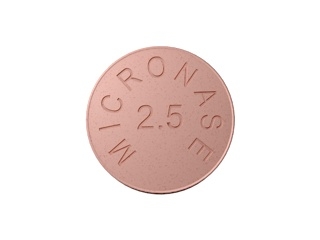
Micronase (Glyburide) – Patient Information (Australia)
Micronase is a brand of glyburide, a medicine used to help control blood glucose in people with type 2 diabetes. It belongs to a group of medicines called sulfonylureas. This page explains how Micronase works, how it’s usually taken, key safety information, common interactions, and practical tips for day-to-day use in Australia.
Important: Diabetes medicines vary from person to person. Your prescriber may adjust your dose based on your blood glucose results and other health conditions. Always follow the instructions you were given and read the consumer medicine information (CMI) supplied with your product.
1) Basic product information
| Item | Details |
|---|---|
| Brand name | Micronase |
| Generic name | Glyburide (also known as glibenclamide in some regions) |
| Medicine type | Sulfonylurea |
| Primary use | Helps lower blood glucose in type 2 diabetes |
| How it’s taken | Usually by mouth (tablets) |
| Common dosing times | Typically taken with meals to reduce hypoglycaemia risk |
2) What Micronase (glyburide) does: mechanism of action
Micronase helps lower blood sugar mainly by increasing insulin release from the pancreas. It works by closing ATP-sensitive potassium channels in pancreatic beta cells. This triggers insulin secretion, which helps move glucose from the bloodstream into tissues and reduces blood glucose levels.
Over time, diabetes management usually relies on a combination of:
- Healthy eating and portion control
- Regular physical activity
- Ongoing blood glucose monitoring (as advised)
- Medicines, which may be adjusted as needed
3) Pharmacokinetics (how the body handles the medicine)
Pharmacokinetics describes how a medicine is absorbed, distributed, metabolised, and eliminated. For glyburide, key practical points include:
- Absorption: Taken by mouth; absorption occurs after ingestion and is improved when taken with food, which may also align dosing with glucose peaks after meals.
- Onset: Blood-glucose-lowering effects generally begin within a few hours, with the main effects often seen around mealtimes.
- Duration: Effects can last long enough that missed meals, irregular eating, or combining with interacting medicines can increase the risk of hypoglycaemia.
- Metabolism & elimination: Glyburide is metabolised in the body and excreted mainly through metabolic pathways; kidney and liver function can influence how well the drug is cleared.
Because individual response varies, your dose is usually adjusted to achieve safe blood glucose control.
4) Typical use and indications
Micronase is used to treat type 2 diabetes mellitus when diet, exercise, and other lifestyle measures alone are insufficient. It may be used:
- As monotherapy (medicine alone) for some people
- In combination therapy with other diabetes medicines, depending on your treatment plan
It is not intended for type 1 diabetes or for diabetic ketoacidosis. Use only as directed for your diagnosis.
5) When to take Micronase (timing and missed doses)
Micronase is typically taken with meals to reduce the chance of hypoglycaemia. The exact schedule depends on your prescribed dose and how your blood glucose responds.
Common timing approach
- Take the tablet with your first main meal of the day, or as your doctor instructs.
- If prescribed more than once daily, divide doses across meals as directed.
If you miss a dose
- Do not take an extra dose to “catch up”.
- Follow your medicine plan or the guidance from your healthcare professional on what to do if a dose is missed.
If you skip a meal
Skipping meals increases the risk of low blood sugar when you take a sulfonylurea. If you are unwell or eating less than usual, seek advice promptly about dose adjustments.
6) Food interactions and lifestyle considerations
Food can affect both blood glucose and how safe it is to take glyburide. Key points:
- Take with food: This helps match the medicine effect with the rise in blood glucose after meals.
- Regular meals matter: Irregular eating, fasting, or major changes in diet may increase the risk of hypoglycaemia or reduce the medicine’s effectiveness.
- Carbohydrate consistency: A consistent carbohydrate intake often makes blood glucose patterns easier to manage. Rapid swings in carbohydrate intake may lead to unstable readings.
If you use insulin or other glucose-lowering medicines, be extra cautious with meal timing. Talk to your clinician or diabetes educator if you plan to change your diet.
7) Alcohol and medicine interactions
Alcohol
Alcohol can increase the risk of hypoglycaemia, especially if you drink on an empty stomach or with reduced food intake. It may also worsen judgement and make symptoms of low blood sugar harder to recognise.
- Avoid or limit alcohol, particularly when you are not eating regularly.
- If you choose to drink, include food and monitor how you feel.
- Seek urgent advice if you suspect severe hypoglycaemia (confusion, fainting, seizures).
Medicine interactions (important examples)
Many medicines can alter blood glucose control. Some increase the effect of glyburide (raising hypoglycaemia risk), while others may reduce control (raising blood sugar).
Examples of interactions to discuss with your pharmacist/doctor include:
- Other glucose-lowering medicines: insulin, metformin, DPP-4 inhibitors, GLP-1 receptor agonists, SGLT2 inhibitors, etc. Combined therapy may require dose changes.
- Beta-blockers: can mask some symptoms of hypoglycaemia (like fast heartbeat).
- Some antibiotics: certain drugs may influence glucose levels.
- Anti-inflammatory medicines (NSAIDs) and salicylates in some cases may increase risk of low blood sugar.
- Corticosteroids (e.g., prednisone) may raise blood glucose, potentially reducing effectiveness.
- Thyroid medicines may change glucose control.
- Liver-metabolised medicines: changes in metabolism may affect glyburide levels.
- Antifungals and other strong enzyme inhibitors/inducers: can alter drug metabolism.
This list is not exhaustive. Always provide your pharmacist with a complete list of medicines, including: over-the-counter products, vitamins, herbal supplements, and any recent changes.
8) Dosing guidance (typical approach)
Dosing is individual. Your clinician will choose a starting dose and adjust it based on blood glucose results and your risk of hypoglycaemia. Because glyburide can cause low blood sugar, particularly in older adults or people with kidney impairment, dose adjustments may be more conservative.
General principles
- Start low and titrate carefully: many people begin with a low dose, then gradually adjust.
- Monitor glucose: follow your monitoring plan to guide titration.
- Be cautious with missed meals or increased exercise: these can raise hypoglycaemia risk.
Common dosing patterns (generalised)
Micronase is commonly taken once daily or twice daily depending on the total daily dose and clinical judgement. Follow the schedule on your label.
Do not change your dose without medical advice. If your blood glucose is consistently too high or you experience repeated low readings, speak with your clinician promptly.
9) Safety profile and key precautions
Like all medicines, Micronase can cause side effects. Some effects are mild and temporary; others require urgent care. Understanding what to watch for helps you use the medicine safely.
Most important risk: hypoglycaemia (low blood sugar)
Because glyburide increases insulin release, it can cause hypoglycaemia. Risk is higher when:
- Meals are skipped or delayed
- Alcohol intake is increased
- Dosage is too high for your body’s needs
- Kidney or liver function is reduced
- More glucose-lowering medicines are used together
- You exercise more than usual without adjusting food or medication
Symptoms of mild to moderate hypoglycaemia may include:
- Sweating
- Shakiness or tremor
- Hunger
- Fast heartbeat or palpitations
- Headache, dizziness
- Blurred vision or difficulty concentrating
Severe hypoglycaemia can cause confusion, seizures, or loss of consciousness. This is a medical emergency.
Allergic reactions and serious side effects
Stop and seek urgent medical help if you experience signs of serious allergy such as swelling of the face/lips, difficulty breathing, or widespread rash.
Serious but less common effects can include changes in blood cell counts, liver problems, or skin reactions. Report unexpected symptoms promptly to a clinician.
Who should be extra cautious
- Older adults (higher risk of hypoglycaemia)
- People with kidney impairment
- People with liver impairment
- People with irregular eating patterns
- People who have experienced previous hypoglycaemia
Driving and operating machinery
If you feel symptoms of low blood sugar, do not drive or operate machinery. Hypoglycaemia can impair attention and reaction times. Discuss your individual risk with your healthcare professional.
10) Practical use tips for everyday life
- Keep regular meal times: set reminders if your routine varies.
- Carry fast-acting sugar: glucose tablets or small sweets can help treat mild hypoglycaemia. Keep some with you—especially when travelling.
- Learn your early symptoms: everyone’s symptoms differ; know what “low blood sugar” feels like for you.
- Monitor as advised: use your blood glucose meter or continuous glucose monitoring device if prescribed, and record results to identify patterns.
- Plan exercise: additional physical activity can lower blood glucose—consider adjusting food intake based on your diabetes plan.
- Review your medication list: check new prescriptions or antibiotics with your pharmacist because interactions can occur.
- Don’t stop abruptly: changing diabetes medicine should be guided by your clinician.
11) Alternative options to consider
If glyburide is not suitable or if blood glucose targets are not being met safely, clinicians may consider other options. Alternatives for type 2 diabetes may include:
Other oral medicines
- Metformin (often first-line for many people)
- DPP-4 inhibitors (e.g., sitagliptin, vildagliptin—choice depends on local availability)
- SGLT2 inhibitors (e.g., empagliflozin, dapagliflozin)
- Thiazolidinediones (e.g., pioglitazone)
- Other sulfonylureas (some people may tolerate a different agent, depending on risk profile)
Injectable medicines
- GLP-1 receptor agonists
- Insulin for more advanced disease or when needed to achieve control
The best choice depends on your kidney function, cardiovascular risk, weight considerations, risk of hypoglycaemia, and personal preference. If you’re considering switching, discuss it before changing anything.
12) Micronase and diabetes care in Australia: market & legal context
In Australia, diabetes medicines are regulated through the Therapeutic Goods Administration (TGA) and are made available through approved manufacturers and distribution channels. Glyburide-containing products may be available under specific brand names and strengths depending on supply and product status.
Online pharmacies in Australia must comply with local requirements. Consumers should only purchase from reputable providers that supply Australian-approved products and meet regulatory standards for medicines supply, packaging, and storage.
Recent guidance (general direction)
Diabetes treatment in Australia is generally guided by evidence-based recommendations and clinical practice guidelines, with a focus on:
- Individualising targets (based on age, comorbidities, hypoglycaemia risk)
- Preferential use of medicines with lower hypoglycaemia risk where appropriate
- Regular review of effectiveness and side effects
- Patient education on recognising and treating hypoglycaemia
Your clinician may also consider cardiovascular and kidney benefits of newer medicine classes in appropriate patients.
13) Delivery, storage, and availability (Australia)
Availability can vary depending on stock levels and the product listing at any given time. When purchasing online, choose a pharmacy that provides clear product details and ensures appropriate handling for safe delivery.
Storage
- Store tablets as directed on the package (commonly at room temperature in a dry place).
- Keep out of reach of children.
- Do not use after the expiry date on the pack.
Delivery considerations
- Delivery times vary by location and courier availability.
- Ensure someone can receive the parcel if the delivery requires a signature.
- Check the packaging on arrival and confirm the strength/label matches your order.
If you receive an incorrect product, contact the pharmacy promptly for resolution.
14) Frequently Asked Questions (FAQ)
Is Micronase the same as glyburide?
Yes. Micronase is a brand name containing the active ingredient glyburide (a sulfonylurea).
How quickly will Micronase start lowering my blood sugar?
Many people notice effects within a few hours, often aligned with meals. The full benefit is assessed over days to weeks using blood glucose readings and HbA1c (if measured).
What should I do if I feel symptoms of low blood sugar?
Treat it promptly with fast-acting sugar (such as glucose tablets or sugary drink), then recheck your glucose if advised. If symptoms are severe, you cannot swallow, or you faint, seek emergency help immediately.
Can I take Micronase if I skip breakfast or don’t eat?
Skipping meals increases the risk of hypoglycaemia. Do not take an extra dose to “make up” for missed food. If meal patterns are inconsistent due to work, travel, or illness, speak with your clinician for personalised advice.
Does alcohol affect Micronase?
Yes. Alcohol can increase the risk of hypoglycaemia, particularly if you drink without eating. Limit alcohol and always consider food intake. If you drink and feel unwell, check blood glucose and seek advice if necessary.
Are there interactions with other diabetes medicines?
There can be. Combining multiple glucose-lowering medicines can raise the risk of low blood sugar. Your dose and schedule may need adjustment when medicines are added or stopped.
Can I take Micronase with other medications like antibiotics or steroids?
Some medicines can affect blood glucose control. Steroids may raise blood sugar; other medicines may increase glyburide effect. Always tell your pharmacist about all medicines and supplements you take.
What if my blood glucose is still high while taking Micronase?
Do not increase the dose on your own. Speak with your clinician—your dose may require adjustment, or your treatment plan may need changes based on your readings, lifestyle, and lab results.
What if my blood glucose becomes too low?
Hypoglycaemia should be treated immediately. If low readings are repeated, contact your healthcare professional promptly to review dosing and meal/exercise patterns.
Is Micronase suitable for everyone with diabetes?
Micronase is intended for type 2 diabetes. Suitability depends on factors such as kidney function, age, diet consistency, and risk of hypoglycaemia. Your clinician will determine the most appropriate treatment.
Where can I find more details?
Read the product label and the consumer medicine information (CMI) that comes with your Micronase pack. If you have questions, speak with your pharmacist.
15) When to seek medical advice urgently
- Signs of severe hypoglycaemia: confusion, seizure, fainting, or inability to eat or drink
- Symptoms of serious allergic reaction: swelling of face/lips, trouble breathing, widespread rash
- Unexplained bruising, persistent unusual tiredness, or symptoms suggesting blood or liver problems
- Severe or ongoing vomiting/illness with difficulty keeping fluids down
Diabetes can change over time. Regular review helps ensure safe use of Micronase and supports long-term health. If you’d like, share your current diabetes medicines and typical meal timing with a pharmacist to identify practical safety steps.