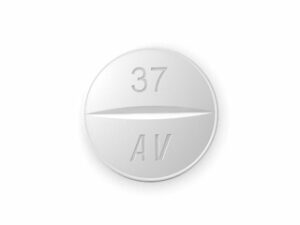
Actos (Pioglitazone) — Patient-Friendly Guide (Australia)
Actos contains pioglitazone, a medicine used to improve blood glucose control in adults with type 2 diabetes. It works by improving the way your body responds to insulin, helping lower blood sugar over time.
This guide explains how Actos works, when it’s typically taken, food and alcohol considerations, common dosing approaches, safety information, and practical tips for everyday use. It is written for patients and families and reflects general information relevant to the Australian healthcare context.
Quick Facts
- Brand name: Actos
- Active ingredient: Pioglitazone
- Medicines class: Thiazolidinediones (TZDs)
- Used for: Type 2 diabetes (alone in some cases or with other diabetes medicines)
- Typical dosing: Once daily, with or without food (follow your clinician’s instructions)
- Onset: Effects may build over days to weeks; full benefits often take longer
- Key safety themes: Fluid retention, weight changes, monitoring for heart failure risk
What is Actos?
Actos is an oral medicine that helps control blood sugar by improving insulin sensitivity in muscle and fat tissues and reducing insulin resistance in the body. It does not directly stimulate insulin release from the pancreas.
It is intended as part of a broader diabetes plan that includes eating well, physical activity, and regular monitoring of blood glucose and diabetes-related health markers.
How Actos Works (Mechanism of Action)
Pioglitazone belongs to the thiazolidinedione family. It activates a nuclear receptor called PPAR-γ (peroxisome proliferator-activated receptor gamma). This activation helps change gene expression in tissues involved in metabolism.
In practical terms, Actos:
- Improves insulin sensitivity (your body uses insulin more effectively).
- Reduces insulin resistance in peripheral tissues.
- Helps lower blood glucose and can improve certain aspects of lipid levels.
Because it works on insulin sensitivity, glucose improvements are typically gradual, not immediate. It is different from medicines that act quickly by increasing insulin release.
Pharmacokinetics (How the Body Handles Pioglitazone)
Understanding pharmacokinetics can help explain why dosing is usually once daily and why the medicine’s effects can take time to stabilise.
| Aspect | What to know |
|---|---|
| Absorption | Pioglitazone is absorbed from the gastrointestinal tract after oral dosing. |
| Food effect | Food does not typically require special timing adjustments. |
| Distribution | It is extensively bound to plasma proteins. |
| Metabolism | It is metabolised in the liver, producing active metabolites. |
| Elimination | Elimination occurs mainly through the liver and kidneys (metabolites). |
| Half-life | Pioglitazone and its metabolites have a long duration, supporting once-daily dosing. |
Typical Use in Diabetes Care
Actos is used to treat type 2 diabetes in adults. It may be prescribed:
- As monotherapy (in selected people) when diet, exercise, and other measures are not enough.
- In combination with other glucose-lowering medicines (for example, metformin, sulfonylureas, or insulin) when additional control is needed.
The best choice depends on your overall health, current medicines, kidney and liver function, cardiovascular status, body weight considerations, and risk of side effects.
Indications (When Actos is Used)
In Australia, pioglitazone is indicated for the management of type 2 diabetes mellitus. It is typically considered when insulin resistance is a key contributor to elevated blood glucose levels.
Actos may be particularly useful for people who need improved insulin sensitivity and who are appropriate candidates for a thiazolidinedione, based on clinical assessment.
Dosing — How to Take Actos
Dosing varies by individual. Always follow the dosing instructions provided by your healthcare professional and the product label. The information below offers common approaches.
Typical starting doses
- Common starting doses are 15 mg or 30 mg once daily, depending on patient factors.
- Dose increases are usually based on blood glucose response and tolerability.
Maximum dose (general)
- In many settings, doses may be increased up to 45 mg once daily if needed and appropriate.
When to take it (timing)
- Usually once daily.
- You can typically take it with or without food.
- Choose a time that suits your routine (for example, with breakfast or dinner) to help you remember.
Important: Do not change dose or stop Actos without guidance, even if your glucose readings improve. Diabetes management is often long-term.
Food Interactions & Dietary Considerations
Pioglitazone can generally be taken with or without food. Food is not expected to significantly alter the ability to absorb the medicine.
However, diet and lifestyle remain central to diabetes control. Actos works with:
- Healthy eating (carbohydrate awareness, balanced meals)
- Regular physical activity (improves insulin sensitivity)
- Weight management (may reduce insulin resistance)
- Monitoring of glucose and diabetes markers
Alcohol and Medicine Interactions
Alcohol can affect blood sugar control and may increase the risk of side effects for some people. While there is no single “universal” rule that forbids alcohol for everyone taking Actos, caution is advised.
Alcohol tips
- Avoid binge drinking. It can raise or lower glucose unexpectedly.
- If you choose to drink, keep to moderate amounts and consider having food with alcohol.
- Be alert for symptoms of low blood sugar (especially if you take medicines that can cause hypoglycaemia, such as insulin or sulfonylureas).
Other medicine interactions (high-level)
Pioglitazone is metabolised in the liver. Some medicines may affect its levels, and Actos may affect your response to other diabetes treatments. Tell your clinician or pharmacist about all medicines you use, including:
- Other diabetes medicines (metformin, insulin, sulfonylureas)
- Medicines that influence liver enzymes (your pharmacist can advise based on your list)
- Heart or fluid-related medicines
- Herbal products and supplements
Because drug interactions are individual, the safest approach is to provide your complete medicine list for review.
Safety Profile — What to Watch For
Most people tolerate Actos well, but like all medicines it can cause side effects. The safety profile of pioglitazone has a few important themes, especially around fluid retention, weight gain, and heart failure risk.
Common side effects
- Weight gain
- Swelling (oedema), often in ankles or legs
- Fluid retention
- Headache
- Upper respiratory symptoms (e.g., cold-like symptoms) in some people
Serious or important risks
- Heart failure or worsening fluid overload: Pioglitazone can cause or worsen oedema and may increase the risk of heart failure in susceptible individuals. Seek urgent medical care if you have shortness of breath, rapid weight gain, or worsening swelling.
- Monitoring for liver health: Liver function may be checked before and during therapy in appropriate situations. Contact a clinician if you develop symptoms such as persistent nausea, unusual fatigue, dark urine, or yellowing of the skin/eyes.
- Bone fractures (risk may be higher in some populations): Some studies suggest an increased fracture risk, particularly in women.
- Macular oedema (eye swelling): Report any new or worsening vision changes promptly.
- Hypoglycaemia risk: Actos alone has a lower risk of causing low blood sugar, but risk increases when used with insulin or sulfonylureas.
When to seek help urgently
Contact emergency services or urgent care if you experience:
- Severe shortness of breath, coughing with frothy sputum, or sudden inability to lie flat
- Rapid weight gain (for example, over a couple of days) with swelling
- Severe weakness, confusion, fainting, or symptoms consistent with very low blood sugar
- Yellow skin/eyes or dark urine
Practical Use Tips (Getting the Best Results)
- Take it the same time each day to maintain consistent levels.
- Track your glucose as advised. Because effects build gradually, look at trends rather than one reading.
- Monitor weight and swelling (especially if you notice ankle/leg swelling).
- Keep appointments for diabetes checks (HbA1c, kidney function, cholesterol, and other markers).
- Stay consistent with lifestyle changes: diet, exercise, and weight management enhance the benefit of insulin sensitivity.
- Know your “low sugar” plan if you use insulin or sulfonylureas. If you feel symptoms of hypoglycaemia, follow your action plan.
Alternative Options (If Actos Isn’t Suitable)
There are several classes of medicines used for type 2 diabetes. Alternatives depend on your health profile, kidney function, weight goals, cardiovascular risk, side-effect preferences, and treatment history.
Examples of alternative medication classes include:
- Metformin (often first-line in many people)
- GLP-1 receptor agonists (help with glucose and often support weight management)
- SGLT2 inhibitors (help lower glucose and can support cardiovascular and kidney outcomes in appropriate patients)
- DPP-4 inhibitors
- Sulfonylureas (effective but carry a higher risk of hypoglycaemia)
- Insulin (when needed for control)
If you’re considering switching, discuss it with your clinician or pharmacist—changes should be planned to avoid sudden blood sugar changes.
Market and Legal Context for Australia
In Australia, diabetes medicines are regulated through the Therapeutic Goods Administration (TGA), and distribution is guided by Australian healthcare requirements. Availability and specific product presentations can vary by supplier and stock levels.
Diabetes treatment decisions should be made by qualified healthcare professionals in line with clinical guidelines, patient factors, and current evidence. Ongoing monitoring is important to ensure both effectiveness and safety.
Recent guidance (general themes)
Clinical practice in Australia commonly emphasises:
- Personalised medicine selection based on comorbidities (including cardiovascular and kidney risk).
- Stepwise escalation of therapy with periodic HbA1c review.
- Monitoring for medicine-specific adverse effects and contraindications.
- Lifestyle measures as foundational to all treatment plans.
Guidance and recommendations evolve as new evidence emerges. Your clinician can advise the most up-to-date approach for your situation.
Delivery and Availability (Online Pharmacy Information)
Availability of Actos and specific tablet strengths can vary depending on local supply. When ordering online, you may see different pack sizes or strengths (for example, commonly available strengths include 15 mg, 30 mg, and 45 mg tablets).
Delivery considerations
- Dispatch times: vary by stock status and location.
- Packaging: medicines are supplied in appropriate, tamper-evident packaging.
- Storage: store at controlled room temperature as directed on the label; keep away from moisture and heat.
- Delivery updates: you may receive tracking details where available.
If you need a particular strength, it’s helpful to check stock availability before placing an order.
Storage and Handling
- Store tablets as directed on the packaging.
- Keep out of reach of children.
- Do not use tablets after the expiry date.
- If tablets look different (e.g., crumbling), speak with your pharmacist.
FAQ (Frequently Asked Questions)
1) How long does it take for Actos to work?
Blood glucose improvements are usually gradual. Some people notice changes within days, but meaningful improvement and stabilisation often take several weeks. HbA1c is typically measured every few months to assess overall control.
2) Can I take Actos with food?
Yes. Actos is generally taken with or without food. Pick a routine time that helps you remember.
3) Will Actos cause low blood sugar?
Actos alone has a lower risk of causing hypoglycaemia compared with some other diabetes medicines. However, the risk increases if you take Actos alongside insulin or a sulfonylurea. Know the symptoms and your action plan for low blood sugar.
4) Why do I feel swollen or notice weight gain?
Pioglitazone can cause fluid retention, which may lead to swelling and weight gain. Contact a clinician promptly if swelling is new, worsening, or associated with shortness of breath.
5) Who should be cautious when using Actos?
People with a history of heart failure, significant fluid retention, liver disease, or certain eye conditions should use Actos with extra caution and appropriate monitoring. Your healthcare professional will assess suitability.
6) What should I do if I miss a dose?
If you miss a dose, take it when you remember unless it is close to the next dose. Do not take double doses to make up for a missed tablet. If you are unsure, ask a pharmacist for advice.
7) Are there alternatives if I cannot tolerate Actos?
Yes. Options may include other glucose-lowering medicines from different classes depending on your needs (glucose goals, heart and kidney risk, weight goals, and side-effect preferences). A clinician can help choose the best fit.
8) Can I drink alcohol while taking Actos?
Alcohol should be used with caution. It can affect blood glucose and may increase risks when combined with other diabetes medicines. Avoid heavy drinking and consider eating with alcohol. If you experience symptoms of low blood sugar, seek medical advice.
Summary
Actos (pioglitazone) helps manage type 2 diabetes by improving insulin sensitivity and reducing insulin resistance. It is usually taken once daily and can be taken with or without food. Benefits typically build over time, while important safety monitoring focuses on potential fluid retention, weight changes, and heart failure risk.
If you have questions about your dose, drug interactions, side effects, or how Actos fits into your overall diabetes plan, speak with your healthcare professional or pharmacist.