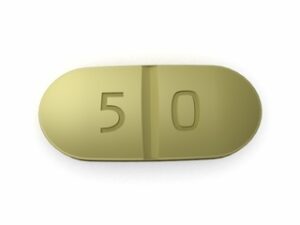
Revia (Naltrexone) – Patient Information (Australia)
Revia contains naltrexone, a medicine used to help people manage certain substance-related conditions by reducing the rewarding effects of alcohol and opioids. This page is designed to be patient-friendly and focuses on common questions about how naltrexone works, how it’s taken, and what to expect.
Always follow the advice of your healthcare professional and the instructions on your medicine label. If you are unsure about anything, ask a pharmacist.
1. Basic product information
Brand name: Revia
Active ingredient: Naltrexone
What it’s available as: Tablets (strength varies by product presentation)
Medicine group: Opioid receptor antagonist
In Australia, naltrexone is available for use in appropriate clinical circumstances under local healthcare practices. Availability can vary by pharmacy and supply.
2. How Revia works (mechanism of action)
Naltrexone blocks specific receptors in the brain—mainly the mu-opioid receptors. By blocking these receptors, naltrexone helps reduce the “high” or reinforcing effects associated with opioids and, in many people, helps reduce the reinforcing effects associated with alcohol.
- Against opioids: If opioids are used while naltrexone is present, the usual effects (e.g., euphoria, pain relief, sedation) may be reduced or blocked.
- Against alcohol-related reinforcement: While the exact pathway for alcohol’s effects involves multiple brain systems, naltrexone’s blockade of opioid signalling can reduce the reward response to alcohol in some individuals.
It is important to note: naltrexone does not “treat withdrawal symptoms” in the same way some other medicines do. Instead, it helps support ongoing abstinence or reduced use by reducing reinforcement. For best outcomes, it is usually used alongside counselling and behaviour-based strategies.
3. Pharmacokinetics (how the body processes it)
“Pharmacokinetics” describes how the medicine is absorbed, distributed, metabolised, and eliminated. Understanding this can help explain timing and how missed doses might affect coverage.
- Absorption: Naltrexone is absorbed after oral dosing.
- Metabolism: It is metabolised mainly in the liver.
- Active metabolite: Naltrexone is converted to 6β-naltrexol, which may contribute to clinical effect.
- Onset and duration: Effects begin after dosing and persist for a period sufficient for once-daily use in many regimens.
- Elimination: Metabolites are eliminated primarily via the kidneys.
If you have liver or kidney conditions, dosing and monitoring may differ. Discuss your medical history with your clinician and pharmacist.
4. Typical use and what it helps with
Revia (naltrexone) is commonly used to help manage:
- Alcohol dependence (to support reduction of heavy drinking and maintenance of abstinence in appropriate patients)
- Opioid dependence (to help prevent relapse after opioid detoxification/withdrawal has been completed)
It is typically part of a broader treatment plan that may include counselling, psychosocial support, and relapse-prevention strategies. Medicine alone often works best when paired with support.
5. Indications and eligibility (general guidance)
Indications can vary depending on individual factors and current Australian clinical practice. Naltrexone is generally considered when:
- There is a goal of reducing relapse risk and/or preventing recurrence
- There is no ongoing opioid use at the time of starting (because naltrexone can precipitate withdrawal if opioids are present)
- Potential liver-related risks are assessed
Your clinician will typically review:
- Your history of alcohol or opioid use
- Any current substances or medications (including opioids and opioid-containing cough syrups)
- Liver function and overall health
- Any other relevant medical conditions
6. Dosing (what is typical)
Dosing must be individualised. Your label and clinician instructions are the most important guide. Below is general information commonly used for naltrexone regimens.
6.1 Alcohol dependence (typical approach)
- Common regimen: Once daily dosing is used in many protocols.
- Starting dose: Some treatment plans may begin at a lower dose and adjust based on tolerance and response.
6.2 Opioid dependence (typical approach)
- Important: Naltrexone is usually started only after opioids have been stopped and withdrawal has resolved.
- Common regimen: Once daily dosing is used in many protocols.
6.3 Missed dose
- If you miss a dose, take it when you remember unless it is close to the time for the next dose.
- Do not take a double dose to make up for a missed tablet.
If you are unsure what to do after missing doses—especially if you have recently stopped opioids—seek advice promptly.
7. Timing: when to take Revia
Many people take naltrexone once daily. Choose a time that fits your routine, such as:
- Morning or evening, depending on your preference and how you feel after dosing
- A consistent time each day to help build adherence
If you experience side effects such as nausea, discussing the timing with your clinician or pharmacist may help (for example, taking it with food may improve comfort).
8. Food interactions
Food may affect comfort and absorption slightly for some medicines, but naltrexone is generally taken with or without food. If your stomach feels unsettled, taking it with a meal or snack may help.
- General approach: Follow your label directions.
- Consistency helps: Take it the same way each day (with or without food) unless advised otherwise.
9. Alcohol interactions (very important)
Naltrexone is used to help with alcohol dependence, but you may still ask: “Can I drink while on Revia?” In general, the goal of treatment is to reduce or avoid alcohol.
- Reinforcement may be reduced: alcohol “reward” may decrease, but you may still feel effects from alcohol (e.g., impairment, risk of injury, poor decisions).
- Safety matters: Alcohol can still cause harm even if naltrexone blunts some reward effects.
- Higher caution: If you have liver disease or have had elevated liver enzymes, alcohol use should be avoided or discussed urgently with your clinician.
If you’re trying to manage drinking patterns, discuss a clear plan with your healthcare professional.
10. Medicine interactions (including opioid medicines)
Interactions are a key safety issue with naltrexone because it blocks opioid receptors. Tell your pharmacist or clinician about all medicines, supplements, and herbal products you use.
10.1 Opioids and opioid-containing medicines
Because naltrexone blocks opioid receptors, it can interfere with opioid pain relief or other opioid effects. This includes:
- Prescription opioids (for example, morphine, oxycodone, codeine, fentanyl)
- Opioid-containing cough and cold preparations (where applicable)
- Illicit opioids
Do not start naltrexone if opioids are still in your system. Starting while opioids are present can lead to sudden withdrawal symptoms. If you have used opioids recently, ask for guidance before taking Revia.
10.2 Pain management while on naltrexone
If you require pain treatment, non-opioid options (e.g., certain anti-inflammatory medicines or other approaches) may be considered, but this depends on your condition. Always inform healthcare providers that you take naltrexone.
10.3 Other medicines
Naltrexone can have interactions through liver metabolism and additive effects, depending on the medicine. Common categories to review with your pharmacist include:
- Other medicines that affect the liver
- Medicines that cause sedation
- Medicines used for mental health conditions
Your pharmacist can check for interaction risks based on your exact medicine list.
11. Safety profile and precautions
Like all medicines, naltrexone can cause side effects. Many are mild and improve over time, but serious adverse effects can occur—especially in those with certain risk factors.
11.1 Common side effects
- Nausea
- Headache
- Dizziness
- Fatigue or tiredness
- Reduced appetite
- Sleep disturbances
11.2 Liver-related risk
Naltrexone can affect the liver in some people. Risk may be higher with higher doses or in people with pre-existing liver impairment. Your clinician may:
- Order liver function tests before starting and/or during treatment
- Adjust dosing or discontinue if significant liver enzyme elevations occur
11.3 Signs to seek urgent help
Contact medical services promptly if you experience symptoms that could indicate a serious reaction or liver problem, such as:
- Yellowing of the skin or eyes (jaundice)
- Dark urine
- Severe abdominal pain
- Persistent vomiting
- Unusual bruising or bleeding
- Severe allergic-type reactions (swelling of face/lips, difficulty breathing)
11.4 People who need extra medical review
- Liver disease or history of abnormal liver tests
- Recent opioid use (risk of precipitated withdrawal)
- Pregnancy or breastfeeding (benefits and risks must be assessed)
- Severe kidney impairment (monitoring may be needed)
12. Practical use tips for success
Medicines like naltrexone are most effective when supported by good routines and realistic relapse-prevention planning. Here are practical tips many people find helpful:
- Stick to the same time each day: use a phone alarm or pill organiser.
- Track triggers: note situations that increase cravings (people, places, stress, routines).
- Plan before you’re tempted: arrange support, transport, and coping steps for “high-risk” times.
- Don’t mix without guidance: especially avoid opioids while taking naltrexone and always check with a clinician for pain relief.
- Attend follow-ups: regular review improves safety (including liver monitoring) and improves outcomes.
- Keep counselling in the loop: combining medication with behavioural support often increases success rates.
If you miss doses or stop and start, discuss with your clinician—stopping suddenly isn’t usually dangerous for many people, but your plan should match your goals and safety needs.
13. Alternative options for alcohol or opioid-related support
Depending on your situation, clinicians may consider different medicines or strategies. Alternatives may include:
13.1 For alcohol dependence
- Acamprosate (helps maintain abstinence for some people)
- Disulfiram (creates unpleasant effects if alcohol is consumed; requires strong motivation and supervision)
- Psychosocial programs and counselling supports (often essential alongside medication)
13.2 For opioid dependence
- Opioid agonist treatments (for example, methadone or buprenorphine) – used under specialist guidance
- Non-medication supports (counselling, relapse-prevention planning, support services)
- Naltrexone forms: some settings use different formulations or regimens; availability varies.
The best choice depends on factors such as opioid type and timing, treatment goals (abstinence vs harm reduction), co-existing conditions, and personal preferences.
14. Market and legal context in Australia (overview)
In Australia, medicines for addiction treatment are provided within a regulated healthcare system. Access to appropriate treatment typically involves assessment by healthcare professionals and may include:
- Clinical evaluation of suitability and safety (e.g., liver function, recent opioid exposure)
- Ongoing monitoring and support
- Documentation of medicine supply according to Australian regulatory requirements
Availability of specific brand presentations and pack sizes may differ between pharmacies and suppliers. If you have difficulty obtaining Revia, your pharmacist can discuss possible options within Australian supply channels.
15. Recent guidance and important updates (Australia-focused)
Guidance for naltrexone use can evolve based on safety updates, clinical evidence, and best-practice recommendations. Key points that remain widely emphasised include:
- Opioid-free confirmation before initiation to reduce risk of precipitated withdrawal
- Assessment of liver health (including liver enzyme monitoring where appropriate)
- Clear communication with healthcare providers about naltrexone use—particularly for emergency care and pain management
- Use alongside psychosocial support to improve long-term outcomes
Your healthcare professional will use the latest local information and protocols for your care.
16. Delivery and availability
Revia (naltrexone) availability can vary depending on stock levels and the specific tablet strength required. When ordered through an online pharmacy, dispatch timing depends on:
- Current supplier stock
- Order verification processes
- Delivery location within Australia
- Local carrier schedules
After placing an order, you’ll usually receive tracking details and estimated delivery time. If stock is temporarily unavailable, the pharmacy may contact you with alternatives (such as different pack sizes or equivalent supplies, if available).
17. FAQ
Is Revia the same as naltrexone?
Yes. Revia is a brand name that contains naltrexone.
How long does naltrexone take to work?
Many people notice effects after starting, but the overall benefit in maintaining abstinence or reducing relapse risk is usually assessed over time. Treatment response varies among individuals.
Can I take Revia if I still use opioids?
Generally, you should not start naltrexone while opioids are still in your system. This can lead to sudden withdrawal symptoms and can be dangerous. Ask your clinician or pharmacist for guidance before starting, especially if you have used opioids recently.
Will naltrexone stop cravings immediately?
Some people experience changes in cravings or reinforcing effects sooner, while others notice benefits gradually. Cravings are influenced by behaviour, routines, and support, so counselling and relapse-prevention strategies are important.
What happens if I drink alcohol while taking Revia?
Naltrexone may reduce the “reward” associated with alcohol for some people, but you can still experience the harmful effects of alcohol, including impairment and risk of injury. The treatment goal is usually reduction or abstinence—discuss your plan with your healthcare professional.
Can naltrexone affect my liver?
It can. Liver monitoring may be recommended, particularly in people with pre-existing liver disease or risk factors. Seek urgent care if you notice symptoms like jaundice or dark urine.
What should I do if I miss a dose?
Take your next dose at the usual time. Do not take an extra dose to “catch up.” If you’ve recently stopped opioids or you’re unsure about timing, get advice promptly.
Can I stop Revia suddenly?
Stopping may lead to a return of relapse risk. Decisions about stopping should be discussed with your healthcare professional so you can plan safely and maintain support.
How should I store Revia?
Store tablets according to the instructions on the pack—typically at room temperature and away from moisture and heat. Keep out of reach of children.
Quick reference table
| Topic | What to know |
|---|---|
| Active ingredient | Naltrexone |
| How it works | Blocks opioid receptors; reduces opioid and alcohol reinforcement in many people |
| Typical schedule | Often once daily (follow your personalised plan) |
| Food | Usually can be taken with or without food; take consistently |
| Alcohol | Treatment aims for reduction/avoidance; alcohol can still impair and harm you |
| Opioid medicines | Can block pain relief from opioids; avoid starting if opioids are present to prevent withdrawal |
| Key safety risk | Possible liver effects; monitoring may be required |
Summary
Revia (naltrexone) is used to help support recovery goals in appropriate patients with alcohol dependence and/or opioid dependence. It works by blocking opioid receptors, which can reduce the reinforcing effects of alcohol and opioids. For safety, it’s essential to avoid starting naltrexone if opioids are still present in your system and to discuss liver health with your clinician. With consistent daily use and support alongside counselling, many people find it a helpful part of their treatment plan.