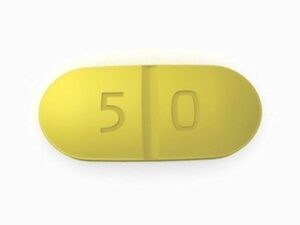
Naltrexone (Naltrexone Hydrochloride) — Patient Information (Australia)
Naltrexone hydrochloride is a medicine used to help manage certain conditions related to alcohol use and/or opioid dependence. It works by blocking specific receptors in the brain, which can reduce the rewarding effects of alcohol or opioids. This page explains how naltrexone works, how it’s taken, common interactions, safety considerations, and practical tips for use in Australia.
Important: Always use naltrexone exactly as directed by your healthcare professional and follow the information on the product label. If you have questions about whether it’s suitable for you, speak with a qualified clinician.
Quick facts
- Medicine: Naltrexone hydrochloride
- Common uses: Supporting treatment for alcohol dependence and opioid dependence (including after detox/withdrawal under clinical guidance)
- How it works: Opioid receptor antagonist (blocks opioid effects)
- Typical forms: Oral tablets (varies by product availability in Australia)
- Key safety points: Avoid using opioid-containing medicines and avoid alcohol misuse; liver health monitoring is important
Basic product information
Naltrexone hydrochloride is an oral opioid receptor antagonist. By binding to opioid receptors, it reduces or prevents the effects of opioids. This can support recovery by lowering the “reward” people may experience from opioids, and in some people it can reduce cravings and relapse risk associated with alcohol dependence.
In Australia, medicines are supplied and managed according to the Australian regulatory framework and pharmacy dispensing rules. Availability may vary by supplier and product brand.
Mechanism of action
Naltrexone primarily acts as a competitive antagonist at opioid receptors (especially the μ-opioid receptor). In plain terms, it “blocks the doors” that opioids use to produce their effects.
- Opioids: Naltrexone blocks the euphoric and pain-relieving effects of opioid medicines.
- Alcohol: While naltrexone is an opioid receptor antagonist, it can help with alcohol dependence by influencing brain pathways involved in reward and craving. The exact mechanism for alcohol-related effects is complex, but opioid signalling is known to play a role in alcohol reward.
Because naltrexone blocks opioid receptors, it may reduce the effect of heroin, morphine, oxycodone, codeine and other opioid drugs. This is useful for relapse prevention, but it also means opioid analgesics may not work as expected while naltrexone is active.
Pharmacokinetics (how the body processes it)
Pharmacokinetics describes absorption, distribution, metabolism, and elimination.
| Aspect | What typically happens |
|---|---|
| Absorption | Naltrexone is absorbed after oral dosing. Blood levels rise after taking the tablet, with peak concentrations occurring within a few hours (timing can vary by individual). |
| Metabolism | Naltrexone is extensively metabolised in the liver to its main active metabolite, 6β-naltrexol. |
| Elimination | The medicine and its metabolites are primarily eliminated via the kidneys (urine). Clearance can be affected by liver function. |
| Duration of effect | While specific receptor effects depend on dose and individual metabolism, both naltrexone and metabolites contribute to action over time after dosing. |
If you have liver disease, kidney impairment, or you’re older, your healthcare professional may adjust monitoring and assess suitability more closely.
Typical use and treatment goals
Naltrexone is used as part of a broader treatment plan, which may include counselling, relapse-prevention strategies, and support services.
Common indications
- Alcohol dependence: To help reduce relapse risk and support maintenance of abstinence in appropriately selected individuals.
- Opioid dependence: To help prevent relapse after opioid detoxification/withdrawal, as part of an overall recovery plan.
The most successful results usually occur when naltrexone is combined with behavioural interventions and ongoing support.
Timing: when to take naltrexone
For many oral regimens, naltrexone is taken once daily at consistent times. Some protocols may involve different dosing schedules depending on the specific product and your clinical circumstances.
- Choose a routine time: Taking it at the same time each day helps maintain steady exposure.
- Missed dose: If you miss a dose, take it when you remember unless it’s close to your next dose. Do not double up.
- Stopping: Do not stop suddenly without discussing with your healthcare provider, especially if you’re using it as part of an opioid relapse-prevention strategy.
If you are unsure about your schedule, refer to your label or ask a pharmacist.
Food interactions
Naltrexone can generally be taken with or without food. However, individual product instructions may vary, and tolerability can differ.
- If you get nausea: Taking it with a light meal may help some people.
- Alcohol: Avoid drinking alcohol as directed by your treatment plan, particularly since alcohol can worsen outcomes in dependence and may interact with the overall safety profile.
Always follow your product’s written instructions and advice from your healthcare professional.
Alcohol and medicine interactions
Alcohol
Naltrexone is used in alcohol dependence, but it does not make alcohol safe to use. Alcohol can still cause harm (such as injury, impaired judgement, worsening of liver health, and relapse risk). Your treatment plan may advise complete abstinence or limits, depending on your condition and goals.
- Best approach: Follow your clinician’s advice regarding alcohol use. If you’re aiming for abstinence, avoid alcohol entirely.
- Watch for liver issues: Both alcohol and naltrexone can be hard on the liver. Seek medical advice promptly if you notice symptoms such as unusual fatigue, dark urine, or yellowing of the skin/eyes.
Opioids (important)
Naltrexone blocks opioid receptors, so opioids may not work properly while you’re taking it. This can be a life-changing consideration for pain management and for emergency care.
- Opioid pain medicines: Naltrexone may prevent relief from opioid analgesics.
- Opioid cough medicines: Some cough syrups and medicines may contain opioid-like ingredients—always check the label or consult a pharmacist.
- Heroin and illicit opioids: Their effects may be reduced by naltrexone, but using them can still lead to dangerous situations and complications. Avoid use and seek support.
Other medicines
Naltrexone has a relatively straightforward interaction profile, but interactions can occur. Tell your healthcare professional or pharmacist about all medicines and supplements you take, including:
- Other medicines that affect the liver: Some drugs can increase liver enzyme levels.
- Medicines for mood or sleep: These may affect alertness or other side effects.
- Any opioid-containing products: Prescription and non-prescription.
A pharmacist can help you check specific interactions with your medication list.
Indications (who it may be for)
Naltrexone is generally indicated for people who have a diagnosis of alcohol dependence and/or opioid dependence and who are assessed as appropriate candidates for receptor-blocking therapy.
- Alcohol dependence: People aiming to reduce relapse risk, often alongside counselling and psychosocial support.
- Opioid dependence: People who have completed opioid detoxification/withdrawal and require support to prevent relapse.
Selection is important. A clinician will consider medical history, liver function, current medications, and any recent opioid use.
Dosing (general guidance)
Dosing depends on the condition being treated, your liver health, and the specific formulation. The most accurate dosing is the one written on your product label or prescribed by your healthcare professional.
Typical adult dosing concepts include:
- Alcohol dependence: Often involves once-daily oral dosing with a target maintenance dose.
- Opioid dependence: Usually started after opioids have been discontinued and withdrawal has resolved, under clinical supervision.
If you are switching from one medicine or starting naltrexone after another treatment, ask your pharmacist about timing and how to transition safely.
Safety profile and precautions
Common side effects
- Nausea
- Headache
- Dizziness
- Fatigue
- Sleep disturbances
- Reduced appetite
Many side effects are mild and may reduce as your body adjusts. If side effects persist or worsen, seek advice from a clinician.
Serious risks (seek urgent medical help)
- Liver problems: Watch for symptoms such as yellowing of the skin/eyes (jaundice), dark urine, severe abdominal pain, or unusual tiredness.
- Allergic reactions: Swelling of the face/lips, rash, trouble breathing, or severe dizziness.
- Severe mood changes: Any severe depression, agitation, or suicidal thoughts require urgent help.
Who needs extra caution
- Liver impairment or hepatitis: Liver function may need closer monitoring; dosing may be adjusted.
- Kidney impairment: Monitoring may be considered.
- People at risk of opioid exposure: If there’s a possibility of needing opioid medicines for pain, you must discuss a plan in advance.
- Pregnancy and breastfeeding: Discuss risks and benefits with a clinician.
- Older adults: Clinicians may consider overall health, liver function, and other medicines.
Practical use tips
Before you start
- Make a complete medication list: Include prescription, over-the-counter, and herbal products.
- Check for opioid-containing products: Ask your pharmacist to review your specific medicines.
- Discuss liver history: If you’ve had hepatitis, fatty liver, heavy alcohol use, or abnormal liver tests, ensure your clinician knows.
During treatment
- Track symptoms: Note side effects and mood changes.
- Attend follow-up: Regular review is important, particularly for liver monitoring and treatment goals.
- Keep support in place: Counselling, peer support, and structured relapse-prevention plans improve outcomes.
Travel and emergencies
- Carry information: Consider a medication card or note that you take naltrexone, especially in case of emergencies where pain relief may be needed.
- Tell treating teams: If you present for medical care, inform staff about naltrexone use.
Alternative options
Depending on the condition being treated, there may be other medicines or non-medicine approaches. Your healthcare professional can help you decide what fits your needs best.
Alcohol dependence alternatives
- Acamprosate: May help maintain abstinence in some people.
- Disulfiram: Creates unpleasant effects if alcohol is consumed (requires strict adherence and careful supervision).
- Psychosocial support: Counselling, cognitive behavioural therapy, and support programs are important.
Opioid dependence alternatives
- Methadone (opioid agonist): Helps stabilise opioid use and reduce withdrawal.
- Buprenorphine (partial opioid agonist): Often used for maintenance therapy.
- Behavioural therapies: Relapse prevention, contingency management, and counselling support recovery.
Medication choice depends on individual factors, availability, and treatment history. Never switch or stop without clinician guidance.
Market and legal context in Australia
In Australia, medicines containing naltrexone are regulated through the national medicines framework and are supplied via authorised channels. Supply and distribution may vary depending on the form (for example, oral tablets) and the product brand.
- Regulatory oversight: Therapeutic Goods Administration (TGA) approvals and safety monitoring apply to medicines sold in Australia.
- Pharmacy availability: Community pharmacies may stock medicines depending on demand and supplier arrangements. Some products may require ordering.
- Quality and supply: Online pharmacy supply should use legitimate, authorised distribution pathways and provide clear product information.
For the most up-to-date legal and availability details, check the product page or speak to a pharmacist.
Recent guidance and clinical monitoring (general)
While guidance can evolve, clinical practice commonly includes:
- Careful patient selection (especially liver status and opioid exposure risk).
- Baseline and follow-up liver function monitoring when appropriate, particularly in people with risk factors.
- Supportive care alongside medication, such as counselling and structured relapse prevention.
- Safety planning for pain management to avoid opioid blockade surprises in emergencies or elective procedures.
Your healthcare professional may provide specific monitoring schedules based on your individual risk profile.
Delivery and availability (online pharmacy)
Availability of naltrexone products can vary by brand, strength, and current supply. Online pharmacies typically provide:
- Clear stock status on the product page (in stock, low stock, or order-from-supplier).
- Estimated dispatch and delivery times for Australian addresses.
- Secure packaging to protect tablets during transit.
- Pharmacist support for product questions, dosing schedule clarification, and interaction checks.
If your preferred product is temporarily unavailable, ask about alternative brand equivalents or ordering options.
FAQ
1) What is naltrexone used for?
Naltrexone is commonly used to support treatment for alcohol dependence and to help prevent relapse in opioid dependence (typically after opioids have been discontinued and withdrawal has resolved, under clinician guidance).
2) How long does naltrexone take to work?
Some people notice effects on cravings or risk behaviours relatively early, while treatment outcomes are often assessed over weeks to months. Your clinician can explain what timeline is realistic for your situation.
3) Can I drink alcohol while taking naltrexone?
Naltrexone may be part of alcohol dependence treatment, but alcohol itself can still be harmful. Follow your treatment plan (often aimed at abstinence) and discuss safe boundaries with your healthcare professional.
4) Will naltrexone block pain medicines?
Naltrexone can block opioids, so opioid pain relief may not work as expected while you’re taking it. If you need pain management, tell your healthcare team that you take naltrexone so they can plan appropriate non-opioid or carefully supervised options.
5) What if I accidentally take an opioid medicine?
It’s important to seek advice urgently from a clinician or pharmacist if you think you’ve taken an opioid while on naltrexone, especially if you have symptoms like severe sedation, breathing problems, or unexpected pain control failure. Provide the medicine name and dose.
6) Is naltrexone safe for people with liver problems?
Caution is needed. Naltrexone can affect the liver, and the suitability depends on your liver function and medical history. Your healthcare professional may recommend baseline and follow-up liver tests and may adjust dosing or choose alternatives.
7) Can I take naltrexone with food?
In general, naltrexone can be taken with or without food. If it upsets your stomach, taking it with a meal may improve comfort.
8) What should I do if I miss a dose?
Take it when you remember unless it’s near your next dose. Do not take double doses. If you’re unsure, ask a pharmacist for advice based on your schedule.
9) Are there withdrawal symptoms when stopping naltrexone?
Naltrexone itself is not an opioid, so it typically doesn’t cause classic opioid withdrawal. However, cravings and relapse risk may return if underlying dependence issues aren’t addressed. Plan a safe approach with your healthcare professional.
10) Where can I find delivery and product information?
On the online pharmacy product page you’ll usually find stock status, dispatch and delivery estimates, and product specifics. If anything is unclear, contact a pharmacist for help.
Disclaimer: This information is general and patient-friendly. It does not replace medical advice. If you experience severe symptoms, signs of allergic reaction, or possible liver problems, seek medical attention promptly.