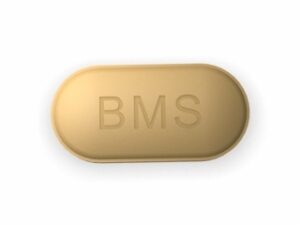
Jentadueto XR (Linagliptin + Metformin Hydrochloride) — Patient Information
Jentadueto XR is a prescription medicine used to improve blood glucose (sugar) control in adults with type 2 diabetes. It combines two active ingredients: linagliptin and metformin hydrochloride. “XR” means extended release, designed to release medicine more slowly over time.
This page provides detailed, patient-friendly information about how Jentadueto XR works, how it’s taken, common safety points, and practical tips for daily use in Australia.
1) Basic product information
| Feature | What it means |
|---|---|
| Brand | Jentadueto XR |
| Active ingredients | Linagliptin + Metformin hydrochloride |
| Formulation | Extended-release (XR) |
| Typical target | Adults with type 2 diabetes to improve glycaemic control |
| How it is taken | Usually once daily, with food |
| Where it’s used | Australia (availability may vary by strength) |
2) What is type 2 diabetes and why blood sugar control matters?
In type 2 diabetes, the body either does not use insulin effectively (insulin resistance) and/or does not make enough insulin. Over time, high blood glucose can damage blood vessels and nerves, increasing the risk of complications such as kidney disease, eye disease, nerve damage, and cardiovascular problems. Medicines like Jentadueto XR help lower blood glucose and support long-term outcomes.
3) Mechanism of action (how Jentadueto XR works)
Jentadueto XR combines two complementary therapies: linagliptin and metformin. Together, they help control blood sugar in different ways.
Linagliptin (DPP-4 inhibitor)
- Linagliptin helps increase levels of incretin hormones (such as GLP-1) that are released after eating.
- Incretins stimulate the pancreas to release insulin when blood glucose is higher.
- They also help reduce glucagon release when appropriate.
- This combination improves glucose regulation, especially after meals.
Metformin (biguanide)
- Metformin reduces glucose production by the liver.
- It helps improve insulin sensitivity in tissues such as muscle.
- It may also help reduce absorption of glucose from the intestine.
- Overall, it lowers blood glucose and can help reduce or stabilise weight in many people.
Because linagliptin works in a glucose-dependent manner, it is less likely to cause low blood sugar (hypoglycaemia) on its own. However, hypoglycaemia risk can increase if used with other medicines (for example, sulfonylureas or insulin).
4) Pharmacokinetics (how the body handles the ingredients)
Understanding pharmacokinetics can help you understand why dosing and timing matter. Pharmacokinetics describes how the body absorbs, distributes, metabolises, and eliminates medicine.
Absorption and extended release (XR)
- XR means the tablet is formulated to release medicine more slowly over time.
- This helps support once-daily dosing and smoother blood levels throughout the day.
- Metformin absorption can vary between individuals; taking it with food often reduces stomach side effects.
Distribution and elimination (key points)
- Metformin is mainly eliminated by the kidneys. Kidney function therefore plays a major role in safe use.
- Linagliptin is eliminated largely via the hepatic (bile) and intestinal route. It may be usable in many patients with reduced kidney function, but dose and safety still depend on overall clinical assessment.
What this means for you
Your clinician may check kidney function before starting and periodically during treatment. If kidney function changes, your medicine plan may need adjustment.
5) Typical use of Jentadueto XR
Jentadueto XR is used in adults with type 2 diabetes to improve glycaemic control. It may be prescribed:
- When diet and exercise alone are not enough
- As an add-on to other diabetes medicines
- To replace a similar combination therapy where appropriate
It is commonly used to lower: fasting blood glucose, post-meal glucose, and HbA1c (a measure of average blood glucose over time).
6) Timing: when to take Jentadueto XR
Jentadueto XR is generally taken with food. The exact strength and dosing schedule should follow your clinician’s instructions and the product’s approved directions.
Practical timing tips
- Choose a time you can maintain daily (for example, with dinner).
- Taking it with food can help reduce gastrointestinal side effects such as nausea, diarrhoea, or indigestion.
- Try not to skip meals right after taking the tablet.
- If you miss a dose, take it as soon as you remember on the same day unless it is close to the next dose—then skip and resume your usual schedule.
- Do not double the dose to catch up.
If you have any uncertainty about timing or missed doses, check with your pharmacist or prescriber.
7) Food interactions
Food can affect how metformin XR is tolerated and absorbed. In general:
- Take with food to reduce stomach upset.
- Avoid making major meal pattern changes without discussing with your healthcare team, especially if your glucose control fluctuates.
- There are no common foods that directly “counteract” Jentadueto XR, but stable eating patterns support more consistent glucose readings.
Always follow the specific instructions provided for your tablet strength (XR medicines may differ from immediate-release forms).
8) Alcohol and medicine interactions
Alcohol can increase risks for people taking metformin, particularly related to lactic acidosis (rare but serious). Alcohol may also affect blood glucose levels—some people experience lower sugar levels after drinking, while others may see higher levels depending on the type and amount.
General guidance
- Keep alcohol intake low and avoid heavy drinking.
- Avoid alcohol on days when you are not eating well or are unwell, especially with dehydration.
- Be cautious if you have kidney or liver problems.
- If you want to drink alcohol, discuss with your pharmacist or clinician for personalised advice.
Other important medicine interactions (common examples)
Several medicine classes can influence glucose control or metformin safety. Mention all medicines and supplements you take to your healthcare team. Examples include:
- Other glucose-lowering medicines (such as insulin or sulfonylureas) can increase the risk of hypoglycaemia.
- Diuretics (“water tablets”) and medicines affecting kidney function may influence metformin levels.
- Medications that affect kidney function or cause dehydration may increase risk.
- Certain contrast imaging agents (iodinated contrast) require special precautions around metformin in some situations—your clinician will advise you before imaging.
- Other medicines for diabetes may require dose adjustment when starting or changing therapy.
Keep a current list of your medicines (including over-the-counter products and supplements) to review at each visit.
9) Indications (when Jentadueto XR is used)
Jentadueto XR is indicated for the treatment of type 2 diabetes mellitus in adults as an adjunct to diet and exercise. It is used when blood glucose control can be improved by combining linagliptin and metformin XR.
Your clinician will decide the best approach based on factors such as your current medicines, HbA1c level, kidney function, tolerance, and risk of side effects.
10) Dosing: typical starting and adjustment
Dosing depends on your prior diabetes medicines, kidney function, and how well you tolerate metformin. Always follow your local directions exactly.
Common dosing principles
- Jentadueto XR is usually taken once daily.
- The dose may be increased gradually to improve tolerance, particularly for metformin-related stomach effects.
- Kidney function influences metformin safety. If kidney function is reduced, your clinician may use a lower dose or choose a different plan.
- If you were previously on metformin or linagliptin separately, your clinician may calculate an appropriate XR dose.
Dose strength selection
Jentadueto XR comes in different strength combinations. The exact tablet you receive (for example, the mg amount of linagliptin and metformin XR) should match your prescribed regimen.
Do not cut, crush, or chew XR tablets unless your pharmacist or the product instructions specifically state it is safe. XR formulations are designed to release medicine over time.
11) Safety profile: important risks and what to watch for
Common side effects
- Gastrointestinal symptoms such as nausea, diarrhoea, vomiting, abdominal discomfort, or loss of appetite.
- These effects are often more likely when starting or increasing metformin doses and may improve with time and with taking the medicine with food.
- Headache or general tiredness can occur in some people.
Less common but serious reactions
Seek urgent medical advice if you develop symptoms suggestive of serious adverse effects:
- Lactic acidosis (rare, serious): warning signs may include feeling very unwell, unusual muscle pain, trouble breathing, unusual sleepiness, stomach pain with vomiting, or a feeling of sudden severe weakness—especially if dehydrated or unwell. This risk is associated with metformin, particularly with significant kidney impairment, dehydration, or severe illness.
- Severe allergic reactions (e.g., swelling of the face/lips, difficulty breathing, rash with blistering).
- Inflammation of the pancreas (pancreatitis) is rare; consider urgent medical evaluation if severe, persistent upper abdominal pain occurs, sometimes radiating to the back, possibly with vomiting.
- Joint pain or severe skin reactions can occur rarely and should be assessed promptly.
Hypoglycaemia risk
Linagliptin on its own has a relatively low risk of causing hypoglycaemia. However, hypoglycaemia may occur if Jentadueto XR is combined with insulin or medicines such as sulfonylureas. Symptoms include shaking, sweating, dizziness, hunger, confusion, and palpitations.
When to be extra cautious (metformin-related)
- Dehydration (for example, from vomiting or diarrhoea)
- Severe infection or illness with reduced intake
- Significant kidney impairment
- Conditions or situations where oxygen levels may be low (e.g., severe heart or lung disease)
If you become unwell, especially with vomiting/diarrhoea or reduced fluid intake, contact your healthcare team promptly. They can advise whether you should temporarily pause certain diabetes medicines.
12) Practical use tips (getting the best results)
Take it consistently
- Use a daily routine such as after dinner to improve adherence.
- If you travel, keep a spare dose and maintain timing as closely as possible.
Manage stomach side effects
- Take with food.
- If you notice mild upset, discuss strategies with your pharmacist; sometimes gradual dose adjustments are used.
- Avoid alcohol and ensure adequate hydration, particularly when starting.
Monitor glucose and HbA1c as advised
- Regular blood glucose testing (finger prick or continuous glucose monitoring if prescribed) helps you understand response.
- HbA1c is typically checked every few months, as recommended by your clinician.
Hydration matters
Metformin safety is influenced by kidney function and dehydration risk. Aim to drink fluids regularly—especially during hot weather or when you’re active.
Driving and alertness
Jentadueto XR is not generally associated with impaired alertness. However, if hypoglycaemia occurs (more likely when combined with other diabetes medicines), you may experience symptoms that affect driving—follow hypoglycaemia precautions.
13) Alternative options (if Jentadueto XR isn’t suitable)
Treatment for type 2 diabetes is individual. If Jentadueto XR is not appropriate due to side effects, effectiveness, or other medical factors, your clinician may consider alternatives. Options can include:
Other combination or single therapies
- Metformin alone (immediate or extended release depending on tolerance)
- DPP-4 inhibitors alone (e.g., sitagliptin, vildagliptin, saxagliptin, linagliptin) depending on availability and suitability
- Other medicine classes commonly used in Australia such as: SGLT2 inhibitors, GLP-1 receptor agonists, sulfonylureas, thiazolidinediones, or insulin (choice depends on your health status)
Non-medicine support
- Dietary changes (carbohydrate quality and portion control)
- Physical activity (aerobic and resistance exercise)
- Weight management where appropriate
If you want to switch treatments, ask your pharmacist or clinician about the safest transition plan to avoid glucose spikes or side effects.
14) Australia market and legal context (high-level)
Medicines containing linagliptin and metformin are regulated in Australia under the Therapeutic Goods Administration (TGA). Availability depends on product listings, prescribing practices, and pharmacy supply.
In online pharmacy settings, medicines are supplied in line with Australian healthcare regulations, including identity checks, appropriate documentation, and dispensing processes.
For the most accurate information about current supply, product strengths, and ordering timelines, refer to the online pharmacy’s website or contact support.
15) Recent guidance and best-practice considerations (general)
Diabetes care guidance in Australia commonly emphasises:
- Individualised HbA1c targets based on age, comorbidities, and hypoglycaemia risk.
- Use of medicines alongside lifestyle changes (diet, activity, weight management).
- Ongoing assessment of kidney function when using metformin.
- Safety awareness about rare but serious conditions linked to metformin (including lactic acidosis risk in dehydration or severe illness).
- Avoiding unnecessary duplication of therapy and reviewing medicine lists regularly.
Local clinical protocols may also advise “sick day” management for metformin-containing regimens—your clinician or pharmacist can provide personalised steps.
16) Delivery and availability (online pharmacy considerations)
Jentadueto XR availability can vary by strength due to supply schedules. When ordering online in Australia, you may see:
- In-stock items that dispatch quickly
- Backorder or limited stock with estimated delivery dates
- Dispatch times that may differ for metro vs regional locations
How to ensure fast supply
- Confirm the exact strength and quantity you require.
- Provide an accessible delivery address and phone number (where required).
- Check packaging and storage instructions upon arrival.
If the exact product strength is not available, the pharmacy may discuss alternatives that match your treatment plan—always confirm with your pharmacist.
17) FAQ
What is Jentadueto XR used for?
It’s used in adults with type 2 diabetes to improve blood glucose control as part of a treatment plan that includes diet and exercise.
How do I take Jentadueto XR?
It is usually taken once daily with food. Follow your prescribed directions and check the XR tablet instructions.
Can I take it without food?
Taking it with food is generally recommended to improve stomach comfort and absorption. If you regularly struggle with nausea, discuss strategies with your pharmacist—don’t change the dose without advice.
What if I miss a dose?
Take it as soon as you remember on the same day unless it’s close to the next dose. If it’s near the next dose, skip the missed dose and resume your schedule. Do not double the dose.
Is it safe to drink alcohol while on Jentadueto XR?
Keep alcohol intake low and avoid heavy drinking. Alcohol can increase risks related to metformin, especially with dehydration or illness. If you plan to drink, discuss with your pharmacist or clinician for personalised guidance.
Does Jentadueto XR cause low blood sugar?
Hypoglycaemia is less likely with linagliptin, but risk can increase if combined with insulin or sulfonylureas. If you experience symptoms of low blood sugar, follow your diabetes plan and seek advice.
What should I do if I become unwell?
If you have vomiting, diarrhoea, reduced fluid intake, severe infection, or you feel very unwell, contact your healthcare team promptly. They may advise whether to pause or continue your metformin-containing medicines temporarily.
Are there any medicines I should avoid?
Some medicines can affect kidney function, hydration, or glucose levels. Always provide your full medicine list (including supplements and over-the-counter products) to your pharmacist to check for interactions.
Can I take other diabetes medicines at the same time?
Often yes, but combination therapy may require careful dose adjustments to reduce hypoglycaemia and side effect risk. Your clinician will design your regimen based on your current medicines.
How long will it take to see results?
Blood glucose effects may be noticed within days, but HbA1c improvements generally take longer (typically several weeks to months). Your follow-up tests help confirm the medicine is working for you.
Where should I store Jentadueto XR?
Store tablets according to the label instructions, generally at controlled room temperature, away from moisture and heat, and keep out of reach of children.
What should I do if I experience severe side effects?
Stop and seek urgent medical advice if you have signs of serious allergic reaction, symptoms suggestive of lactic acidosis (such as severe weakness, breathing difficulty, or severe persistent stomach pain with vomiting), or severe persistent abdominal pain that could indicate pancreatitis.
Important: This information is intended to help you understand Jentadueto XR. Individual suitability, dose, and safety monitoring depend on your medical history and current medications. For advice specific to you, speak with a healthcare professional or pharmacist.