
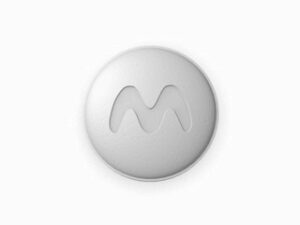
Glycomet (Metformin) – Patient Information (Australia)
Glycomet is a brand of metformin, a medicine used to improve blood glucose (sugar) control in people with certain types of diabetes. It is widely used in Australia and is known for helping the body respond better to insulin and reducing excess glucose production.
This guide is designed to be patient-friendly and practical. It covers how Glycomet works, when it’s usually taken, important food and medicine interactions, alcohol safety, typical dosing approaches, and what to watch for.
Key product information
- Active ingredient: Metformin (usually provided as tablets; some formulations are modified-release)
- Brand: Glycomet
- Medicinal uses: Type 2 diabetes (and sometimes prediabetes/other situations as directed by a clinician)
- Common side effects: Gastrointestinal symptoms (nausea, diarrhoea, abdominal discomfort)
- Major safety considerations: Lactic acidosis is rare but serious—risk is higher with severe kidney problems and certain illnesses
Note: Always check the strength and type of your specific product (e.g., immediate-release vs extended/modified-release) on your pack.
How Glycomet works (mechanism of action)
Metformin helps lower blood glucose through several complementary mechanisms:
- Reduces liver glucose production: Metformin decreases the amount of glucose released by the liver.
- Improves insulin sensitivity: It helps muscles and other tissues respond better to insulin.
- Improves glucose uptake: It can increase glucose utilisation in peripheral tissues.
- May affect gut-related signals: Metformin can influence intestinal carbohydrate absorption and metabolic signalling.
Importantly, metformin generally does not cause hypoglycaemia (low blood sugar) by itself because it does not directly stimulate insulin release in the same way as some other diabetes medicines.
Pharmacokinetics (how the body handles metformin)
Understanding how metformin moves through the body can help explain timing and interactions:
| Feature | What happens |
|---|---|
| Absorption | Metformin is absorbed from the gastrointestinal tract. Food can reduce gastrointestinal side effects and may slightly alter absorption rate. |
| Distribution | It distributes into body tissues. Metformin is not extensively bound to plasma proteins. |
| Metabolism | Metformin is not significantly metabolised by the liver. |
| Elimination | It is primarily eliminated by the kidneys via renal excretion. |
| Half-life | In general, it has an elimination half-life of about several hours for immediate-release formulations; modified-release products differ. |
Why kidney function matters: Because metformin is cleared through the kidneys, kidney impairment can increase metformin levels and the risk of rare complications. Your clinician may order kidney blood tests before and during treatment.
Typical uses and who it’s for
Indications (common approved uses in diabetes care)
Metformin (including Glycomet) is commonly used for:
- Type 2 diabetes to improve blood glucose control
- Sometimes as part of combination therapy with other diabetes medicines when glucose targets aren’t met
- In some settings, it may be considered for specific people at higher risk of developing type 2 diabetes, depending on local guidance and clinical assessment
Which option is appropriate depends on your blood glucose levels, overall health, kidney function, and other medicines you take.
When to take Glycomet (timing and consistency)
General guidance:
- Take it with food (e.g., at or after meals) to help reduce stomach upset.
- Take it at the same times each day to maintain stable levels.
- Do not crush or split modified/extended-release tablets unless your specific product instructions say it’s safe.
If you’re on multiple doses: Some regimens call for two or more daily doses. Follow your prescribed directions and the instructions on the pack.
Starting dose (common approach)
Many people start with a lower dose and gradually increase. This “titration” can reduce gastrointestinal side effects.
Food interactions
Metformin is taken by mouth, and food can influence both tolerance and absorption.
- Food is recommended: Taking Glycomet with meals often reduces nausea, diarrhoea, and abdominal discomfort.
- Carbohydrate intake: Glycomet works alongside a healthy eating pattern. Your meal plan still matters for glucose control.
- Vitamin B12: Long-term metformin use may be associated with lower vitamin B12 levels in some people. If you have symptoms (such as unusual fatigue, numbness/tingling, or anaemia), ask about checking B12.
Fasting/illness and reduced intake: If you’re not eating normally due to illness, discuss with your clinician before continuing at the usual dose—especially if you are dehydrated.
Alcohol and medicine interactions
Alcohol
Alcohol can increase the risk of lactic acidosis, a rare but serious complication. To reduce risk:
- Avoid heavy drinking (binge drinking).
- Be cautious with regular alcohol intake, especially if you have kidney disease, liver problems, heart failure, or frequent dehydration.
- Seek urgent advice if you develop severe vomiting, severe weakness, or unusual rapid breathing, particularly after alcohol intake or during illness.
Common medicine interactions
Metformin can interact indirectly through effects on the kidneys, circulation, or blood sugar. Important interactions to consider include:
- Medicines that affect kidney function: Some drugs may reduce kidney clearance (risk increases when kidney function worsens).
- Drugs that may affect glucose control: When combined with insulin or sulfonylureas, the overall regimen may increase hypoglycaemia risk, although metformin alone typically does not.
- Certain contrast dyes (iodinated contrast): If you’re scheduled for imaging with contrast, your clinician may advise holding metformin temporarily in people at increased risk of kidney impairment.
- Other diabetes medicines: If you combine therapies, you may need monitoring and dose adjustments.
Always tell your doctor and pharmacist about all medicines you use, including over-the-counter products and herbal supplements.
Dosing information (general guidance)
Doses vary by product formulation (immediate-release vs modified/extended-release), kidney function, age, and treatment plan. Below are typical examples used in clinical practice. Your pack and clinician’s instructions are the final authority.
Adults (common titration concept)
- Start at a low dose and increase gradually every 1–2 weeks (or as directed) depending on blood glucose and side effects.
- Many regimens use once or twice daily dosing, depending on the formulation.
Modified/extended-release tablets
- Typically taken once daily with food, depending on strength and product instructions.
- Swallow whole; do not crush or chew if the medicine is designed for modified release.
Children and adolescents
Metformin use in younger people may be appropriate in some cases under specialist guidance. Dosing must be tailored to the child’s needs and kidney function.
Missed dose
If you miss a dose:
- Take it as soon as you remember if it’s near the time of your next dose.
- If it’s close to the next dose, skip the missed dose.
- Do not double the dose.
Safety profile and precautions
Common side effects
Most common early side effects are gastrointestinal and often improve with time and dose adjustment:
- Nausea
- Diarrhoea
- Abdominal discomfort or cramps
- Bloating or gas
- Metallic taste (sometimes)
Practical tip: Starting low, taking with meals, and gradual dose increases often reduce these effects.
Serious but rare risks
The most serious rare risk associated with metformin is lactic acidosis, particularly when kidney function is severely impaired or during situations that lead to low oxygen, dehydration, or severe illness.
- Urgent medical help is needed if you develop symptoms such as:
- Severe weakness or unusual muscle pain
- Unusual sleepiness or dizziness
- Fast or difficult breathing
- Severe nausea, vomiting, or abdominal pain
- Slow heart rate or feeling very unwell
Kidney function and monitoring
Your clinician may check kidney function (e.g., estimated glomerular filtration rate, eGFR) before starting and periodically during treatment. Dosing and suitability depend on results.
Vitamin B12 deficiency
Long-term metformin use may contribute to reduced vitamin B12 levels. Ask your clinician about monitoring if you are:
- Experiencing symptoms of deficiency (fatigue, numbness/tingling, balance problems)
- Having anaemia
- On long-term therapy
Heart, liver, and hydration considerations
- Dehydration (e.g., from vomiting or diarrhoea) increases risk in anyone taking metformin.
- People with severe liver disease or conditions that reduce oxygen delivery may require extra caution.
Sick day advice: If you become severely unwell with vomiting/diarrhoea, have significant dehydration, or are unable to eat and drink normally, contact your healthcare provider for tailored instructions about whether to pause medications temporarily.
Practical tips for using Glycomet
- Take with meals: This is one of the best ways to minimise stomach side effects.
- Use a consistent routine: Pair dosing with breakfast/dinner to avoid missed doses.
- Gradual dose increase: Follow titration schedules; don’t increase faster than advised.
- Stay hydrated: Particularly during hot weather or mild illness.
- Track your glucose: Monitor as advised by your care team to see how the medicine affects your readings.
- Keep up with checks: Kidney function and HbA1c (long-term blood sugar average) guide ongoing adjustments.
If you experience persistent diarrhoea or stomach upset that doesn’t improve, speak with your pharmacist or clinician—sometimes changing formulation (e.g., to extended-release) or adjusting the dose can help.
Alternative options (if metformin isn’t suitable)
Depending on your situation, other diabetes medicines may be considered. Alternatives include:
- Insulin (for certain glucose levels or circumstances)
- Sulfonylureas (can be effective but may increase hypoglycaemia risk)
- DPP-4 inhibitors
- GLP-1 receptor agonists (injectable; some have cardiovascular/weight-related benefits)
- SGLT2 inhibitors (help glucose excretion through urine)
- Thiazolidinediones
- Other oral agents depending on availability and clinical profile
Non-medicine measures matter too: Nutrition, physical activity, weight management (if appropriate), sleep, and stress reduction all support diabetes control.
Australia market and legal context (overview)
In Australia, medicines are regulated by the Therapeutic Goods Administration (TGA). Diabetes medicines are supplied under Australian medicines scheduling rules, and pharmacies must follow legal requirements around dispensing, labelling, and patient information.
Online pharmacy services in Australia typically require patient details to confirm appropriate supply and safety checks. Always ensure the product matches the intended strength and formulation.
Brand availability: Glycomet may be available in different strengths and formulations depending on local supply and prescribing practices.
Recent guidance and evolving best practice (what to know)
Diabetes care evolves as new evidence and safety data emerge. Recent best-practice themes for metformin commonly include:
- Kidney-focused safety: Ongoing attention to eGFR thresholds and appropriate dosing/withholding during high-risk conditions.
- Sick day management: Temporary review during dehydration, severe infection, vomiting/diarrhoea, or when unable to maintain fluids.
- Vitamin B12 awareness: Increased emphasis on recognising and monitoring potential deficiency over time.
- Individualised targets: Treatment plans are tailored to age, comorbidities, and personal glucose goals.
Your pharmacist can help you interpret current product instructions and advise on how to take your specific formulation safely.
Delivery and availability
Availability of Glycomet can vary by strength and formulation. Many online pharmacies can deliver within Australia, with options that may include standard and express delivery depending on location.
- Packaging: Medicines are typically dispatched in secure, temperature-appropriate packaging.
- Delivery tracking: Many orders include tracking details so you can monitor progress.
- Stock updates: If a specific strength is temporarily out of stock, your pharmacy may offer alternatives or restock notifications.
Storage: Store tablets as directed on the pack—usually at room temperature in a dry place, away from direct sunlight. Keep out of reach of children.
FAQ – Frequently asked questions
1) Does Glycomet cause low blood sugar?
Metformin alone usually has a low risk of causing hypoglycaemia because it does not directly stimulate insulin release. However, when combined with insulin or certain other medicines (e.g., sulfonylureas), the overall risk of low blood sugar may increase—monitoring may be needed.
2) What should I do if I get diarrhoea after starting?
Gastrointestinal upset is common early on. Taking the dose with meals, staying hydrated, and following a gradual dose increase can help. If symptoms are severe, persistent, or you are becoming dehydrated, contact your clinician or pharmacist promptly.
3) Can I take Glycomet with meals?
Yes—this is commonly recommended. Food can improve tolerance. Follow the instructions on your product label regarding whether to take before, during, or after meals.
4) Is it safe to drink alcohol while taking metformin?
Occasional small amounts may be safe for some people, but alcohol can increase the risk of lactic acidosis, especially with heavy drinking or when you are unwell or dehydrated. Avoid binge drinking and discuss your personal situation with your healthcare team.
5) What happens if I miss a dose?
Take it when you remember if it’s not too close to the next dose. Otherwise, skip the missed dose. Do not double up.
6) Do I need kidney tests while on Glycomet?
Yes. Because metformin is cleared by the kidneys, kidney function is typically monitored before and during treatment. The exact schedule depends on your results and overall health.
7) Why might I feel better before my blood sugar “catches up”?
Diabetes control depends on several factors, including diet, activity, and other medicines. Also, improvements in long-term markers (like HbA1c) take time. Your glucose readings and HbA1c help evaluate response.
8) Can I switch between brands of metformin?
Many metformin brands are similar, but formulation and strength (immediate-release vs modified-release) may differ. If switching, confirm the exact product type and dosing schedule with your pharmacist to ensure you get the correct formulation.
9) Are there alternatives if I can’t tolerate metformin?
Yes. Options may include changing to a modified-release formulation, adjusting dose, or switching/adding other glucose-lowering medicines. Your pharmacist or clinician can help choose based on your medical history and glucose goals.
10) When should I seek urgent help?
Seek urgent medical attention if you develop symptoms suggestive of lactic acidosis—such as severe weakness, fast breathing, severe vomiting/abdominal pain, or you feel very unwell—especially if you are dehydrated or have kidney problems.
Important: This information is general and not a substitute for advice from a healthcare professional. Always follow the instructions provided with your medicine and seek medical advice for questions about your health, dosing, and side effects.