

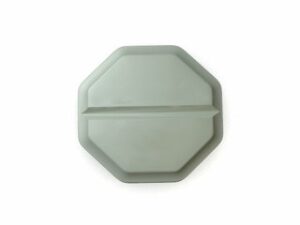
Campral (Acamprosate) – Patient Information (Australia)
Campral contains acamprosate, a medicine used to support recovery in people who have stopped drinking alcohol. It is designed to help reduce the risk of returning to drinking (relapse) by supporting the brain’s balance after alcohol dependence.
This page is written in clear, patient-friendly language to help you understand what Campral is, how it works, how to take it safely, and what to consider in everyday life.
Quick Facts
- Active ingredient: Acamprosate
- Used for: Helping maintain abstinence after alcohol dependence
- How it’s taken: Typically three times daily (exact dosing depends on your situation)
- Key requirement: Usually started after you have stopped drinking
- Common themes: Supports recovery; not an “instant” cure for cravings
Basic Product Information
Campral (acamprosate) is used as part of a broader alcohol dependence treatment plan. Many people find best results when medication is combined with counselling or structured support programs.
Important: Individual suitability depends on your health history, kidney function, and other medicines. Always follow the dosing schedule provided to you and seek medical advice if unsure.
Indications (What Campral is used for)
In Australia, Campral is commonly used for:
- Alcohol dependence: To help maintain abstinence in people who have already stopped drinking.
Campral is generally used as a longer-term relapse prevention strategy rather than for short-term detox.
How Campral Works (Mechanism of Action)
Long-term heavy alcohol use changes brain chemistry. When alcohol is stopped, the brain may remain out of balance, which can contribute to relapse risk.
Acamprosate helps restore balance in alcohol-related brain pathways, particularly those involving:
- Glutamate (an excitatory neurotransmitter)
- GABA-related modulation (inhibitory signalling)
By influencing these systems, Campral may help reduce the likelihood of returning to drinking after abstinence has been achieved.
Pharmacokinetics (How the Body Handles Acamprosate)
Understanding absorption and elimination can help explain why dosing is taken multiple times daily and why kidney function matters.
- Absorption: Acamprosate is absorbed from the gut after a dose.
- Distribution: It reaches relevant body compartments to exert its effect.
- Metabolism: Acamprosate is not extensively metabolised by the liver.
- Elimination: It is primarily eliminated via the kidneys (renal excretion).
- Half-life (general concept): The dosing schedule is designed to maintain consistent levels across the day.
Clinical implication: If kidney function is reduced, acamprosate levels can build up, increasing the risk of side effects. Dose adjustment and careful monitoring may be needed.
Typical Use and Treatment Approach
Campral is typically used as part of a comprehensive plan that may include:
- Support from a GP, psychiatrist, addiction specialist, or mental health professional
- Structured counselling or behavioural therapies
- Peer support (for example, community programs)
- Relapse-prevention planning
What to expect: Some people notice changes in relapse urges gradually. Campral is not usually described as a “quick acting” medicine for immediate cravings; rather, it supports stability after stopping alcohol.
How and When to Take Campral (Timing)
Starting treatment: Campral is usually started after you have already stopped drinking alcohol.
Dosing frequency: It is commonly taken three times daily to provide steady coverage.
Consistency matters: Try to take doses at roughly the same times each day. This can help maintain a predictable pattern.
Missed dose:
- If you miss a dose, take it when you remember unless it’s close to the next scheduled dose.
- Do not double up to make up for a missed dose.
Stopping treatment: Do not stop suddenly without advice. If you feel you should stop, speak with your healthcare professional to discuss the safest approach.
Food Interactions (With and Without Meals)
Campral can generally be taken with or without food.
Practical tip: If you experience stomach discomfort, try taking it with a meal or snack to improve tolerance.
Keep it simple: Consistent daily timing is often more important than whether you take each dose with food.
Alcohol Interactions
Campral is intended for people who are abstinent or aiming to maintain abstinence.
- Continuing to drink alcohol: Alcohol may increase the risk of relapse and can undermine the treatment plan.
- Safety considerations: While acamprosate is not typically associated with classic “disulfiram-like” reactions, drinking alcohol can still affect your overall safety, mood, and recovery.
Best approach: If you have relapsed or plan to drink, seek prompt advice—your treatment plan may need adjustment.
Interactions With Other Medicines
Acamprosate has minimal liver metabolism and is mainly cleared by the kidneys, which can reduce many types of drug–drug metabolism interactions. However, interactions can still occur through other pathways or through overlapping side effects.
It’s important to discuss all medicines you take, including:
- Prescription medicines
- Over-the-counter medicines
- Herbal products and supplements
- Sleep aids, sedatives, or medicines used for anxiety
Kidney-related caution: Because acamprosate relies on renal clearance, any medicines that affect kidney function (or hydration status) may be relevant. Your clinician/pharmacist can check your specific combination.
Always get personalised advice if you’re taking multiple medicines, especially if you have kidney disease or other significant medical conditions.
Dosing Information (General Guidance)
Dosing may vary based on individual factors such as kidney function and clinical judgement. Follow the dosing instructions provided by your healthcare professional or as displayed on your product label.
Common adult dosing (general)
In many patients, acamprosate is prescribed as a three-times-daily regimen for relapse prevention after abstinence.
Kidney function is key: Because acamprosate is eliminated mainly through the kidneys, dosing may be reduced in those with impaired renal function or avoided in severe kidney impairment, depending on clinical guidance.
Special situations
- Older adults: Kidney function may change with age; your dose may need review.
- Low body weight: Some dosing regimens consider body weight—follow local prescribing instructions.
- Coexisting illness: If you have liver disease, your doctor may still focus on kidney function because of the way acamprosate is cleared.
Do not change the dose unless you’ve discussed it with your healthcare professional.
Safety Profile (Side Effects and When to Seek Help)
Most people tolerate Campral well, but like all medicines, it can cause side effects.
Common side effects
- Diarrhoea or loose stools
- Nausea
- Abdominal discomfort
- Headache
- Dizziness
Less common but important
- Allergic reactions (for example, rash, itching, swelling)
- Severe skin reactions (rare)
Seek urgent help if you experience
- Swelling of the face/lips/throat
- Difficulty breathing
- Severe rash, blistering, or widespread skin pain
Kidney-related caution
If you have kidney impairment, side effects may be more likely if the dose is not adjusted. Contact your healthcare professional if you notice unusual symptoms, increased dizziness, persistent diarrhoea, or general worsening health.
Pregnancy and breastfeeding: Discuss with a healthcare professional if you are pregnant, planning pregnancy, or breastfeeding. Suitability depends on individual risks and benefits.
Practical Use Tips (Helping You Stay on Track)
Recovery can be challenging. Small practical steps can make treatment easier and improve adherence.
- Create a daily routine: Link doses to stable daily events (e.g., breakfast, lunch, evening).
- Use reminders: Phone alarms, pill boxes, or medication charts can help with three-times-daily dosing.
- Hydration and bowel comfort: Since gastrointestinal effects may occur, maintain adequate fluids and consider gentle dietary adjustments if diarrhoea occurs.
- Monitor triggers: Medication supports recovery, but it’s also helpful to identify people/places/times that increase relapse risk.
- Keep follow-up appointments: Review progress, side effects, and any other medicines you’re taking.
- Don’t ignore early warning signs: If you notice worsening mood, anxiety, or increased urges to drink, seek support early.
Alternative Options for Relapse Prevention (Australia)
If Campral isn’t suitable or if you need additional support, there may be other treatment options. The best choice depends on your medical history, goals, and personal preferences.
Common alternatives discussed with clinicians
- Other relapse-prevention medicines (your clinician can explain which are appropriate)
- Psychological therapies (such as counselling, cognitive-behavioural strategies, or structured recovery programs)
- Support groups and recovery coaching
Note: Availability and suitability vary by person. A healthcare professional can recommend the most appropriate option for your situation.
Market and Legal Context in Australia
In Australia, treatment for alcohol dependence is provided within a broader healthcare framework. Medicines used for alcohol dependence must meet regulatory standards set by Australian authorities.
Pharmacy supply: Typically, Campral is dispensed through community pharmacies and is subject to Australian medicine scheduling and prescribing rules. Availability may depend on stock levels and the exact product format.
Clinical governance: Health professionals consider suitability, kidney function, comorbidities, and concurrent medicines before starting treatment.
Recent Guidance and Ongoing Care (General Updates)
Alcohol dependence care evolves over time. General best-practice themes include:
- Individualised treatment plans rather than one-size-fits-all approaches
- Use of medication alongside psychosocial support
- Assessment of kidney function where relevant
- Regular review of progress and side effects
Tip for patients: If you’re restarting treatment after time away, or if you have new health conditions, ask for a medication review—especially if kidney function may have changed.
Delivery and Availability (Online Pharmacy)
Campral may be available through online pharmacies that can supply eligible medicines to customers in Australia according to applicable laws and pharmacy requirements.
- Stock availability: Availability can vary by region and supplier schedules.
- Delivery times: Delivery times depend on local shipping options and whether the item is in stock.
- Packaging: Medicines are typically delivered in original packaging where required.
When ordering: Ensure your contact and delivery details are correct to avoid delays.
Campral: Summary Table
| Topic | What it means for you |
|---|---|
| What it’s for | Helps maintain abstinence in alcohol dependence after stopping drinking |
| How it works | Helps restore balance in brain signalling affected by alcohol dependence |
| How often | Often taken three times daily (follow your dose instructions) |
| Food | Generally can be taken with or without food |
| Key organ to consider | Kidneys (main route of elimination) |
| Alcohol | Intended for abstinence; drinking may undermine recovery efforts |
| Common side effects | Diarrhoea, nausea, abdominal discomfort, headache, dizziness |
FAQ (Frequently Asked Questions)
1) Can I take Campral if I’m still drinking?
Campral is generally used to maintain abstinence after you’ve stopped drinking. If you’ve had difficulty stopping or you’ve relapsed, talk to a healthcare professional to clarify the best plan for your situation.
2) How long does it take to work?
Campral is meant as a relapse-prevention medicine. Some people may notice changes gradually. It’s not usually an immediate “instant cure” for cravings. Consistency over time matters.
3) What should I do if I miss a dose?
Take it when you remember unless it’s nearly time for the next dose. Don’t double up. If missed doses are frequent, speak with your healthcare professional or pharmacist about simplifying your routine.
4) Can I take Campral with food?
Yes. Campral can generally be taken with or without food. If you experience stomach upset, taking it with meals may help.
5) What side effects are most common?
The more common effects include diarrhoea, nausea, abdominal discomfort, headache, and dizziness.
6) Is Campral safe if I have kidney problems?
Because acamprosate is cleared mainly by the kidneys, kidney function is an important factor. Dose adjustment or alternative treatment may be recommended depending on the degree of impairment. Ask your clinician to review your kidney function.
7) Will Campral make me feel “unwell” if I drink alcohol?
Campral is intended for abstinence and does not rely on a “make-you-sick if you drink” mechanism. However, alcohol can still worsen health, increase relapse risk, and complicate recovery.
8) Can I take other medications while using Campral?
Often yes, but it depends on your specific medicines and health conditions. Provide a complete list of all medicines and supplements to your pharmacist or doctor for a safety check.
9) What if I have diarrhoea while taking Campral?
Diarrhoea can occur. If it’s mild, hydration and monitoring may help. If it’s severe, persistent, or you feel unwell, contact a healthcare professional—especially if you have kidney disease or other risk factors.
10) Where can I get Campral delivered in Australia?
Availability depends on supplier stock and eligibility requirements. Online pharmacy services may offer delivery within Australia subject to local regulations and pharmacy processes.
Need Additional Support?
Alcohol dependence recovery often benefits from more than medication alone. If you feel at risk of relapse or need help finding support services in your area, consider speaking with a healthcare professional or a local support organisation.
If you are in immediate danger or worried about safety, contact emergency services (000 in Australia).