
Amlodipine (Australia) — Patient Information
Amlodipine is a medicine widely used to treat high blood pressure and certain types of heart (cardiac) conditions, including angina (chest pain caused by reduced blood flow to the heart). It belongs to a group of medicines called calcium channel blockers (CCBs).
This guide is designed to help you understand how amlodipine works, how it’s typically taken, what to expect, and what to watch for. Always follow the instructions provided with your medicine and talk to a healthcare professional if you have questions or concerns.
Basic product information
- Generic name: Amlodipine
- Medicine type: Calcium channel blocker (dihydropyridine)
- Common strengths: 2.5 mg, 5 mg, 10 mg (availability may vary by brand)
- How it’s commonly used: Once daily for most people
- Where it’s used: Australia (widely listed for cardiovascular indications)
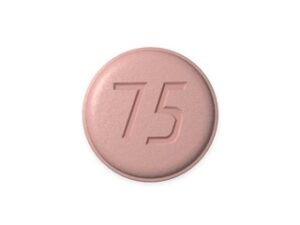
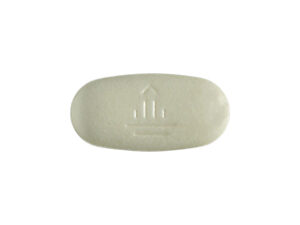
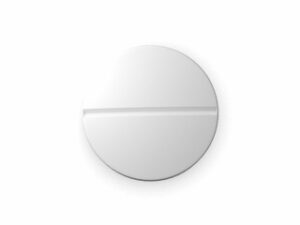
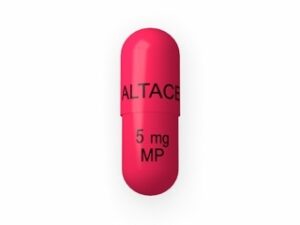
Note: Brand names and tablet appearances may differ. If you switch brands or strengths, check you’re taking the correct dose strength.
How amlodipine works (mechanism of action)
Amlodipine reduces blood pressure and eases heart-related symptoms by blocking calcium entry into certain muscle cells. In practical terms, it:
- Relaxes blood vessel walls (peripheral vasodilation), which lowers resistance to blood flow.
- Helps the heart work more efficiently by reducing the workload and improving oxygen delivery balance.
- In angina: reduces the heart’s oxygen demand and can improve blood flow patterns in coronary arteries.
Because it works gradually and has a long duration, it is commonly prescribed as a once-daily medicine.
Pharmacokinetics (how the body handles amlodipine)
Understanding pharmacokinetics can help explain why timing can be simple (once daily) and why effects build steadily.
- Absorption: Amlodipine is absorbed after oral dosing.
- Peak level: Blood levels typically peak several hours after taking a dose (often around 6–12 hours, varying by individual).
- Half-life: Amlodipine has a long half-life (commonly about 30–50 hours), which supports once-daily dosing.
- Metabolism: Primarily metabolised by the liver.
- Excretion: Metabolites and drug are eliminated mostly via the kidneys.
What this means for you: If you miss a dose, do not double up. Because the medicine lasts long in the body, missing one dose often results in a smaller effect than with short-acting medicines—however, consistent daily dosing is best.
Typical uses and indications
1) High blood pressure (hypertension)
Amlodipine helps lower blood pressure and can reduce the risk of cardiovascular complications such as stroke, heart attack, and heart failure in people at risk.
2) Angina (chest pain)
Amlodipine is used for stable angina and may be used in other angina-related treatment plans as directed by a clinician.
3) Other cardiovascular situations
Depending on your individual care plan, amlodipine may be considered as part of combination therapy for certain cardiovascular goals.
Important: Treatment choices and combinations depend on your health history, other conditions (such as kidney or liver disease), and any medicines you already take.
When and how to take amlodipine (timing)
Amlodipine is usually taken once daily. Many people find it helpful to choose a consistent time each day.
Common timing tips
- Same time each day: supports stable blood levels.
- Morning or night: both can work. Choose the time that is easiest for you to remember.
- Build-up effect: blood pressure improvements can take days to weeks. Do not stop early if you feel fine—keep taking it as advised.
If you miss a dose
- Take it when you remember unless it’s close to the time of the next dose.
- Do not double to make up for a missed dose.
- If you miss multiple doses, contact a healthcare professional for advice.
Food interactions
Amlodipine can generally be taken with or without food. Food is not expected to significantly reduce the medicine’s effectiveness. That said, taking it consistently the same way each day may help you stay adherent.
- With meals: typically acceptable.
- On an empty stomach: typically acceptable.
- Grapefruit or grapefruit juice: unlike some other medicines, grapefruit is not a well-known major concern for amlodipine in most guidance, but it’s still wise to discuss large grapefruit intake with your pharmacist.
If you have been told to avoid certain foods or drinks due to another medicine you take, follow that advice in addition to amlodipine guidance.
Alcohol and medicine interactions
Alcohol can affect blood pressure and may increase side effects such as dizziness or light-headedness, especially when you first start amlodipine or after a dose change.
Alcohol: practical guidance
- If you choose to drink alcohol, do so in moderation.
- Avoid heavy drinking until you know how amlodipine affects you.
- Be cautious if you’ve had symptoms like fainting, severe dizziness, or falls.
Common medicine interactions (what to tell your pharmacist)
Amlodipine may interact with other medicines that influence blood pressure, heart rhythm, or liver metabolism. Always check with a pharmacist if you’re taking:
- Other blood pressure medicines (e.g., ACE inhibitors, ARBs, thiazide diuretics, beta-blockers) — may increase the chance of low blood pressure if combined, depending on doses.
- Other heart medicines or anti-anginal therapies — may be used together, but monitoring may be needed.
- Strong inhibitors of liver enzymes (some antifungals, certain antibiotics, or other medications) — can raise amlodipine levels in the body.
- Simvastatin: high-dose combinations may increase simvastatin exposure (this is an important scenario to discuss, especially if you take a statin).
- Blood pressure–lowering over-the-counter products or herbal preparations — discuss if you’re unsure.
Keep an updated list of all medicines, supplements, and occasional medications. Include the dose and how often you take them. This helps prevent avoidable interactions.
Dosing (typical approach)
Dosing is individual. Your clinician may start at a lower dose and adjust depending on blood pressure response and side effects. Below is general information about common dosing patterns.
Typical starting and maintenance dose
- Adults (typical ranges): 5 mg once daily is common; some people start at 2.5 mg.
- Adjustments: may be made after a period of monitoring (often after at least 1–2 weeks or based on clinical review).
- Maximum commonly used dose: 10 mg once daily in many treatment plans.
People with liver impairment may require dose adjustments. If you have liver problems, it’s especially important to follow specific dosing instructions from your healthcare professional.
For children
Use in children depends on age, indication, and clinical judgement. If you are using amlodipine for a child, confirm dosing details carefully with a healthcare professional and avoid relying on general adult dosing.
How long until it works?
Many people notice blood pressure lowering within the first week, but optimal control can take several weeks. Continue taking it consistently and monitor as recommended.
Safety profile and side effects
Like all medicines, amlodipine can cause side effects. Many are mild and improve over time, but some require medical attention.
Common side effects
- Swelling in ankles/feet (peripheral oedema): one of the most typical side effects.
- Headache
- Flushing or a warm feeling
- Dizziness
- Fatigue
- Palpitations (awareness of heartbeat)
- Sleepiness in some people
- Gastrointestinal upset (e.g., nausea)
Less common but important side effects
- Low blood pressure (hypotension): may cause dizziness, fainting, or blurred vision.
- Worsening chest pain: if angina symptoms change suddenly, seek advice promptly.
- Allergic reactions: rash, swelling of face/lips, or breathing difficulties are medical emergencies.
When to seek urgent help
Seek urgent medical attention or call local emergency services if you experience:
- Severe dizziness or fainting
- Chest pain that is severe, new, or rapidly worsening
- Signs of an allergic reaction (e.g., swelling of face/tongue, trouble breathing, widespread hives)
- Blackouts or severe shortness of breath
Special populations: who should be extra cautious?
- Older adults: may be more sensitive to blood pressure changes; start-low and monitor may be recommended.
- Liver disease: can affect how the medicine is processed; dose adjustment may be needed.
- Heart conditions: if you have certain types of heart failure or conduction problems, your clinician will tailor therapy.
- People prone to swelling: oedema may be more noticeable.
Practical use tips (getting the best results)
- Use a routine: linking your dose to a daily habit (e.g., breakfast or brushing teeth) can improve consistency.
- Monitor your blood pressure: follow the plan provided. Home readings can help identify whether your dose is effective.
- Watch for swelling: if ankles or feet become swollen, keep notes (start date, severity). Many cases can be managed with advice about dose timing, dose adjustment, compression/leg elevation, and reviewing other medicines.
- Stand up slowly: especially when starting or increasing dose, to reduce dizziness.
- Stay hydrated: dehydration can worsen dizziness and low blood pressure.
- Adherence matters: missing doses repeatedly can lead to poorer blood pressure control.
- Don’t stop abruptly: stopping suddenly may risk losing blood pressure control. If you think you should stop, speak with your clinician.
If you experience bothersome oedema, tell your pharmacist or clinician. Sometimes adjusting the regimen or switching to an alternative medicine helps.
Alternative options (if amlodipine isn’t suitable)
If you cannot tolerate amlodipine or it doesn’t adequately control your blood pressure or angina symptoms, there are several alternative classes. Which is best for you depends on your medical history, other conditions, and current medicines.
For high blood pressure
- ACE inhibitors (e.g., perindopril, ramipril)
- ARBs (e.g., losartan, valsartan)
- Thiazide-type diuretics (e.g., indapamide, hydrochlorothiazide)
- Beta-blockers (e.g., metoprolol, bisoprolol) for selected people
- Other calcium channel blockers (e.g., diltiazem, verapamil; or different dihydropyridines)
For angina
- Nitrates (short-acting and long-acting forms depending on plan)
- Beta-blockers in selected cases
- Other anti-anginal strategies as directed by your clinician
In some plans, amlodipine is used together with other medicines for better control. Do not change combinations without professional advice.
Market and legal context for Australia (consumer information)
Medicines in Australia are regulated by the Therapeutic Goods Administration (TGA). The availability of specific brands and strengths, and whether a product is classified as prescription-only or not, depends on the approved formulation and scheduling status.
Online pharmacy services in Australia may require verification steps to ensure appropriate supply and safe use. Your retailer will typically provide information about product classification, delivery options, and how to ensure you receive the correct strength.
If you are unsure about eligibility to order a product online, or if you need help selecting the correct strength, contact your pharmacist or the online pharmacy support team.
Recent guidance and monitoring considerations
Clinical practice evolves. While the fundamental role of amlodipine as a calcium channel blocker remains consistent, guidance can update regarding:
- Blood pressure monitoring targets and individualised goal-setting.
- Choice of first-line therapy and combination strategies based on patient characteristics.
- Safety monitoring in older adults, people with kidney or liver impairment, and those prone to oedema.
- Medication review schedules to reduce adverse effects and improve adherence.
If you have recently started amlodipine, or if your dose has changed, it’s a good idea to schedule follow-up with your clinician or pharmacist to review blood pressure readings and side effects.
Delivery, availability, and what to expect
Availability of amlodipine tablets can depend on supply, brand preferences, and the specific strength you choose. When ordering from an online pharmacy, you can typically expect:
- Product details: listing of strength, dosage form (e.g., tablets), and manufacturer/brand.
- Delivery options: standard shipping and sometimes faster shipping depending on location.
- Packaging: tablets supplied in manufacturer packaging or pharmacy-supplied packaging as required.
- Tracking: some services provide shipment tracking and notifications.
To avoid delays, double-check:
- The strength you need (e.g., 5 mg vs 10 mg)
- Your delivery address and contact information
- Any refill frequency or availability notes provided on the product page
If you are switching brands or strengths, compare the label carefully before taking the first tablet of the new pack.
FAQ about amlodipine
1) Is amlodipine safe to take long term?
For many people, amlodipine is used long term to control blood pressure or manage angina. Long-term use is common, but ongoing monitoring for blood pressure control and side effects (such as ankle swelling) is important.
2) How quickly will my blood pressure improve?
Some improvement can occur in the first week, but full benefit can take several weeks. Your clinician may review your readings and adjust dose as needed.
3) Can I take amlodipine with other blood pressure medicines?
Yes, it’s common to combine medicines for better control. However, combinations can increase the risk of low blood pressure or side effects. Always confirm the planned regimen with your pharmacist or clinician.
4) Why do my ankles swell after starting amlodipine?
Peripheral oedema is a known side effect of amlodipine. It may be dose-related and can improve over time. If swelling is bothersome or worsening, contact your pharmacist or clinician—there may be strategies to manage it.
5) Should I stop taking amlodipine if I feel better?
Do not stop without medical advice. Feeling better doesn’t always mean your blood pressure is controlled. Continuing treatment helps reduce long-term cardiovascular risk.
6) What should I do if I feel dizzy?
Sit or lie down if you feel faint. Check your blood pressure if you can. If dizziness is severe, persistent, or you’ve fainted, seek medical advice promptly.
7) Can I drink alcohol while taking amlodipine?
Alcohol may increase dizziness and lower blood pressure. If you choose to drink, keep it moderate and avoid heavy drinking, especially when you are new to amlodipine or after a dose increase.
8) Can I take amlodipine with food?
Yes. Amlodipine can usually be taken with or without food. Consistency with your routine is more important than meal timing.
9) Are there any tablets I should avoid taking at the same time?
There are no universal “must avoid” medicines for everyone, but interactions can occur—particularly with other blood pressure medicines, certain liver-metabolism affecting drugs, and some lipid-lowering medicines. Tell your pharmacist about everything you take.
10) What if I forget a dose?
Take it when you remember unless it’s nearly time for your next dose. Do not double up. If you’re unsure, ask your pharmacist.
Quick reference: key practical points
| Topic | What to remember |
|---|---|
| How often | Usually once daily |
| Timing | Same time each day helps; morning or night both commonly used |
| With food | Usually can be taken with or without food |
| Alcohol | May worsen dizziness/low BP—moderation and caution |
| Common side effect | Ankle/foot swelling (oedema) |
| Missed dose | Take when remembered unless close to next dose; do not double |
| Seek urgent help | Allergy symptoms, fainting/severe dizziness, severe or worsening chest pain |
Disclaimer: This information is general and may not cover every individual circumstance. If you have questions about your specific situation—such as interactions with other medicines, dose selection, or managing side effects— speak with a pharmacist or healthcare professional.