

Antabuse (Disulfiram) – Patient Information
Antabuse is a medicine containing disulfiram, used to support people who are aiming to stop or reduce alcohol use. It works by causing unpleasant effects when alcohol is consumed, helping to discourage drinking. This information is designed to be patient-friendly and to help you understand how it works, what to expect, and how to use it safely.
In Australia, availability, pharmacy procedures and requirements may apply depending on your situation and local regulations. Always read the consumer medicine information provided with your product and follow the advice of your healthcare professional.
Quick Facts
- Medicine: Disulfiram (brand: Antabuse)
- Main use: A deterrent to alcohol consumption
- How it helps: Causes unpleasant reactions if alcohol is consumed
- Important warning: Avoid alcohol in all forms (including some medicines and foods)
- Common time to notice effects: Alcohol-triggered reactions may occur within hours
Basic Product Information
| Category | Information |
|---|---|
| Active ingredient | Disulfiram |
| Brand name | Antabuse |
| Medicine type | Alcohol-deterrent (aversive) therapy |
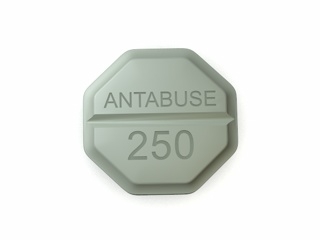
| Common formulation | Tablets (strength varies by product) |
| Therapeutic goal | To support abstinence by discouraging alcohol intake |
How Antabuse Works (Mechanism of Action)
Disulfiram interferes with normal alcohol metabolism. Normally, when you drink alcohol (ethanol), your body breaks it down through enzyme steps. One key step involves converting acetaldehyde to acetate. Disulfiram blocks enzymes needed for this process.
As a result, alcohol (or products containing alcohol) can lead to an accumulation of acetaldehyde, which triggers uncomfortable and sometimes severe symptoms.
- Goal: Create an unpleasant reaction to discourage drinking.
- Result: Alcohol consumption while on disulfiram can cause flushing, nausea, vomiting, headache, palpitations, and low blood pressure.
Key point: Disulfiram does not “treat” alcohol dependence by removing craving. Instead, it provides a strong deterrent effect when alcohol is present.
Pharmacokinetics (How the Body Handles Disulfiram)
Pharmacokinetics explains how the drug is absorbed, distributed, metabolised and excreted. While exact parameters can vary between individuals, the overall pattern is important for planning safe use.
- Absorption: Disulfiram is absorbed after oral dosing.
- Metabolism: It is metabolised in the body to active metabolites.
- Onset: The deterrent effect builds after dosing. A “trial” with alcohol should never be attempted without medical supervision, and alcohol avoidance must be strict from the start.
- Duration: Effects may persist after stopping disulfiram because the action on enzymes can outlast the last dose. This is why alcohol must be avoided for a period after discontinuation.
- Elimination: Metabolites are eliminated mainly via the kidneys and other pathways.
Practical implication: Because the deterrent effect can last, it’s essential to avoid alcohol not only while taking disulfiram but also during the “washout” period after stopping—your healthcare professional can advise on the safest timeframe for your situation.
Typical Uses and Indications
Antabuse (disulfiram) is used as an alcohol deterrent for adults with alcohol dependence who are aiming for abstinence and have the motivation and support to follow strict avoidance of alcohol.
Disulfiram may be considered when:
- There is a need to discourage alcohol consumption through aversive reactions.
- Psychosocial support and relapse-prevention planning are in place.
- Other treatments are not suitable or have not been effective for the individual.
Not suitable for everyone: The suitability depends on medical history, liver function, and the ability to avoid alcohol entirely (including hidden sources).
How and When to Take Antabuse (Timing)
Disulfiram is typically taken once daily, but your exact schedule should follow the instructions provided with your medicine and your healthcare professional’s guidance.
- Start after alcohol-free period: Many clinicians advise beginning only when alcohol has fully cleared from your system. The exact timing varies.
- Consistency matters: Missing doses or irregular use may reduce deterrent effect.
- Do not “test” the reaction: Never attempt to drink alcohol to see what happens.
- Keep track of timing: If you forget a dose, do not double up. Ask a healthcare professional for advice.
Alcohol and Food Interactions (Including Hidden Sources)
One of the most important safety considerations is that alcohol can be present in many everyday products. Disulfiram can react with alcohol-containing items, causing severe symptoms.
Alcohol (Avoid Completely)
- Beer, wine, spirits, alcopops
- Alcohol-containing cooking products
- Alcohol-based beverages and “non-alcoholic” products that still contain ethanol
Hidden Sources in Food and Drink
Check labels carefully. Alcohol may appear in unexpected forms.
- Some sauces, marinades, and dressings
- Food items containing alcohol as an ingredient
- Fermented products where alcohol content is not clearly negligible
Alcohol in Household and Personal Care Products
While the strongest deterrent effect is from internal alcohol intake, safety is best approached by avoiding alcohol exposure where possible, especially ingestion.
- Alcohol-based mouthwashes (inadvertent swallowing may matter)
- Some tonics and “elixirs”
Tip: Keep a list of your usual brands and check ingredients when you switch products.
Medicine Interactions (Alcohol-Containing Medicines and Common Cautions)
Many medicines and health products may contain alcohol or alcohol-like solvents (especially some liquid formulations). Disulfiram can interact with these substances.
High-risk medicine categories
- Liquid cough/cold remedies or syrups that contain alcohol
- Some mouth products and solutions
- Tinctures or herbal extracts in alcohol bases
- Some topical products if accidentally ingested (less common, but caution is wise)
Before starting or stopping medicines
- Tell your healthcare professional and pharmacist that you take disulfiram.
- Ask specifically whether the product contains alcohol (ethanol) or alcohol-containing excipients.
- Check ingredient lists and consumer medicine information.
Other important interactions
Disulfiram can also interact with other medicines through effects on the nervous system or metabolism. Always seek professional advice if you are taking:
- Medicines that affect mood and behaviour
- Medicines that affect heart rhythm
- Medicines used for seizures or nerve/muscle conditions
Note: Interaction risk depends on dose, your health conditions, and which medicines you use.
Dosing (General Guidance)
Dosing varies between individuals. Your regimen should be determined by your healthcare professional based on factors such as medical history, liver function, and prior alcohol intake. The information below is general and not a substitute for personalised instructions.
- Common approach: Start at a dose chosen by the clinician, then adjust if needed.
- Once daily: Often prescribed as a daily dose.
- Follow monitoring plans: Liver function tests may be required.
If you miss a dose: Do not double your next dose. Contact your healthcare professional or pharmacist for advice.
What to Expect If Alcohol Is Consumed (Symptoms of Reaction)
If you drink alcohol while taking disulfiram, an unpleasant reaction can occur. The intensity varies depending on the amount and type of alcohol, your dose of disulfiram, and your individual sensitivity.
Common symptoms
- Facial flushing and heat
- Nausea, vomiting
- Throbbing headache
- Palpitations (feeling your heartbeat)
- Shortness of breath
- Low blood pressure symptoms (dizziness, faintness)
When to seek urgent help
Get emergency medical help if symptoms are severe, include chest pain, severe shortness of breath, collapse, confusion, or persistent vomiting.
Safety Profile and Important Warnings
Like all medicines, disulfiram can cause side effects and carries important risks. Some risks are serious and relate to liver health and certain neurological effects.
Common side effects
- Drowsiness or fatigue
- Headache
- Skin rash or itching
- Metallic or unusual taste
Serious risks (seek advice promptly)
- Liver problems: Disulfiram may affect the liver. Report symptoms such as yellowing of the skin/eyes (jaundice), dark urine, severe tiredness, or upper abdominal pain.
- Neurological effects: Rarely, tingling/numbness, weakness, or unusual nerve symptoms can occur.
- Psychiatric effects: Mood changes, agitation, or confusion may occur in some cases.
- Severe reactions with alcohol: Avoid alcohol completely; reactions can be dangerous.
Who should take extra care?
Be sure to discuss disulfiram suitability if you have any of the following:
- Existing liver disease or abnormal liver tests
- Heart disease or rhythm problems
- Neurological conditions
- History of severe mental health conditions
- Pregnancy or breastfeeding (discuss risks and benefits)
Monitoring
Your healthcare professional may request periodic liver function tests and symptom checks. Do not skip follow-up appointments.
Practical Tips for Safer Use
Disulfiram is highly dependent on avoidance of alcohol. These practical tips can help you manage everyday situations.
- Carry “medication card” information: Consider keeping a note that you take disulfiram, especially if you travel or attend emergency services.
- Check labels and ingredients: Look for ethanol, alcohol, or “contains alcohol” on products.
- Be cautious with “non-alcoholic” products: Some may still contain measurable alcohol. When in doubt, avoid.
- Dental and mouth products: Ask your pharmacist about alcohol-free alternatives.
- Herbal remedies: Many tinctures are alcohol-based. Choose non-alcohol preparations where possible and confirm with a pharmacist.
- Plan for social situations: Tell a trusted person your plan so you’re supported during events where alcohol is present.
- Medication changes: Always check new prescriptions, over-the-counter products and supplements.
Important: Avoid stopping disulfiram suddenly or changing the dose without advice. If you stop, ask how long you must continue to avoid alcohol due to lasting effects.
Alternative Options for Alcohol Dependence
There are multiple evidence-based approaches to reducing alcohol-related harm and supporting abstinence. The best choice depends on your health, preferences, and relapse history.
Possible alternatives (discuss with your healthcare professional)
- Naltrexone: Helps reduce the rewarding effects of alcohol for some people.
- Acamprosate: Supports maintaining abstinence for some individuals.
- Alcohol-free support programs: Counselling, cognitive behavioural strategies, and relapse-prevention planning.
- Detox support: If withdrawal risk is present, supervised medical care may be required.
Why this matters: Disulfiram’s deterrent effect relies on strict alcohol avoidance, which may not be ideal for every situation. A clinician can help compare options.
Market and Legal Context for Australia
In Australia, medicines are regulated by the Therapeutic Goods Administration (TGA). Alcohol-related medicines and treatments for substance dependence are also subject to prescribing, pharmacy supply rules and required safety practices. Access can vary based on the medicine schedule and the patient’s circumstances.
For disulfiram and Antabuse specifically, pharmacy supply and documentation practices may apply. Some medicines may require additional checks such as medicine history, alcohol exposure risk, and suitability assessments (for example, liver health monitoring).
Recent guidance note: Australian alcohol dependence management commonly emphasises a combined approach—medical care plus psychosocial support—tailored to individual risk. Keep an eye on updates from Australian health authorities and professional bodies, as approaches to alcohol use disorder can evolve over time.
Delivery and Availability (Online Pharmacy Considerations)
Availability of Antabuse/disulfiram may vary by stock levels and product formulation. Online pharmacies typically help you:
- Confirm product availability and strength
- Arrange secure packaging and delivery
- Provide product information and patient advice materials
Delivery considerations:
- Delivery times vary by location across Australia (metro vs regional/remote).
- Some items may require verification steps before dispatch.
- Always ensure the delivery address is secure to avoid delays or theft.
Cold-chain: Antabuse/disulfiram tablets generally do not require refrigeration unless your specific product guidance states otherwise.
FAQ
1) What is Antabuse used for?
Antabuse (disulfiram) is an alcohol-deterrent medicine. It helps discourage drinking by causing unpleasant symptoms if alcohol is consumed.
2) How quickly does disulfiram work?
The deterrent effect builds after starting and depends on your dose and individual metabolism. You should treat disulfiram as active and avoid alcohol from the time you begin, unless your healthcare professional tells you otherwise.
3) Can I drink “non-alcoholic” beer or wine?
It’s safest to avoid products that may still contain ethanol. Ingredient labels can be misleading. If you want to try a specific product, ask your pharmacist for guidance.
4) Can alcohol be present in cough syrups or cold medicines?
Yes, some liquid medicines contain alcohol. Always check the ingredient list or ask a pharmacist before using any alcohol-containing products.
5) What happens if I accidentally consume alcohol while taking disulfiram?
You may experience a strong unpleasant reaction. If symptoms are mild, contact your pharmacist or healthcare professional for advice. If symptoms are severe—such as chest pain, severe shortness of breath, fainting, confusion, or persistent vomiting—seek urgent medical care.
6) What should I do if I forget a dose?
Do not take an extra dose to “catch up.” Contact your pharmacist or healthcare professional for advice on resuming your usual schedule.
7) Are there foods I must avoid?
Avoid foods and drinks containing alcohol, including certain sauces, marinades, and cooking products. Read labels carefully and ask if you’re unsure.
8) Does disulfiram affect the liver?
It can. Your healthcare professional may monitor liver function with blood tests and recommend prompt review if you develop symptoms such as jaundice or dark urine.
9) Can I stop disulfiram whenever I want?
It’s important not to stop without advice. The deterrent effect can persist, so alcohol avoidance may still be necessary after stopping. Ask your healthcare professional about the safest plan.
10) What are the alternatives to Antabuse?
Other medicines used in alcohol dependence may include naltrexone and acamprosate, along with counselling and relapse-prevention strategies. The best option depends on your goals and health profile.
When to Get Help
If you are unsure about whether a product contains alcohol, or if you experience concerning side effects, contact a pharmacist or healthcare professional promptly. If you suspect a serious reaction after alcohol exposure, seek emergency medical assistance immediately.
Remember: Successful alcohol avoidance on disulfiram relies on careful avoidance of alcohol in food, drinks and medicines, consistent daily use, and appropriate monitoring.