Samsca (Tolvaptan) – Patient Guide (Australia)
Samsca contains the active ingredient tolvaptan. It is a medicine used to treat a specific type of fluid imbalance in the body. This page explains, in plain language, what Samsca does, how it works, how it’s typically taken, common safety considerations, and practical tips for use in everyday life.
| Product | Details |
|---|---|
| Name | Samsca (tolvaptan) |
| What it’s used for | Treatment of low blood sodium (hyponatraemia) due to certain conditions, particularly where other measures are insufficient. |
| How it works | Helps the kidneys remove free water (“aquaresis”) without significantly removing salts. |
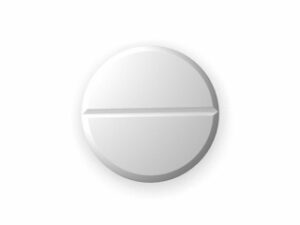
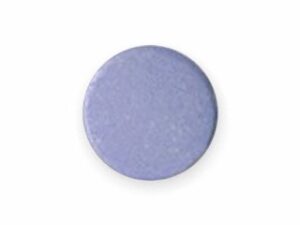
| Common formulation | Oral tablet (strengths commonly include 15 mg and 30 mg; availability may vary). |
| Typical dosing pattern | Usually once daily, with careful monitoring—especially at treatment start or when doses change. |
Basic product information
What is tolvaptan?
Tolvaptan is a medicine that blocks the effect of a hormone called vasopressin (also known as antidiuretic hormone, ADH) at the V2 receptor in the kidney. By blocking this pathway, it can increase the excretion of water from the body, helping to raise blood sodium in appropriate situations.
Where is it used?
Samsca is used for specific types of hyponatraemia (low sodium in the blood). Hyponatraemia can be caused by different conditions, and the best treatment depends on the cause, severity, and the patient’s overall health.
Important note about monitoring
Because raising sodium too quickly can be dangerous, treatment is typically managed with blood tests and guidance from a healthcare professional, especially during initiation or dose changes.
How Samsca works (mechanism of action)
Normally, the hormone vasopressin helps your kidneys retain water. In many forms of hyponatraemia, vasopressin activity is elevated, which leads to the body holding onto too much water—diluting sodium in the blood.
Tolvaptan blocks V2 receptors in the kidney. This reduces water reabsorption and increases the amount of free water the kidneys excrete into urine. This is often described as “aquaretic” action.
- Promotes water excretion (aquaresis)
- Helps raise serum sodium by reducing the dilution effect
- Less effect on sodium/potassium excretion compared with traditional diuretics
Pharmacokinetics (how the body handles the medicine)
Pharmacokinetics describes how a medicine is absorbed, distributed, metabolised, and eliminated. The following is a practical summary of what is generally known about tolvaptan:
- Absorption: Tolvaptan is taken by mouth and is absorbed into the bloodstream.
- Time to effect: Sodium changes can be observed after the dose; clinical monitoring is used to assess the response.
- Metabolism: Tolvaptan is metabolised primarily in the liver by enzymes (notably the CYP system).
- Elimination: The medicine and its metabolites are eliminated from the body, with the major fraction cleared via hepatic pathways.
- Half-life: The duration of action is long enough to support once-daily dosing in many patients, but individual response varies.
Individual factors such as liver function, interacting medicines, age, and the underlying cause of hyponatraemia can affect exposure and response.
Typical use and indications
Samsca is used to treat hyponatraemia in situations where other measures may not be sufficient. In clinical practice, it is used under careful supervision due to the risk of sodium correction that is too rapid.
Commonly, the target populations include hyponatraemia associated with conditions such as:
- Heart failure (particularly where there is difficulty managing fluid retention)
- Other states of abnormal water balance causing symptomatic or clinically significant hyponatraemia (as determined by a clinician)
The exact suitability depends on:
- The cause of hyponatraemia (e.g., fluid overload, hormonal imbalances, medication-related causes)
- Severity and symptoms
- Baseline sodium level and how quickly it has changed
- Kidney function and overall medical history
When to take Samsca (timing)
Samsca is generally taken once daily. Many people are advised to take it in the morning to help reduce the impact of increased urination on nighttime.
- Common timing: Morning dosing
- Consistency matters: Take it at the same time each day if instructed similarly
- Hydration approach: Drinking enough fluids may be important, but fluid intake may be restricted in some hyponatraemia situations. Follow the plan provided by your healthcare professional.
Your prescriber will typically schedule blood tests around initiation and dose changes to guide safe sodium correction.
How dosing is typically managed
Dosing for tolvaptan is individualised. The goal is to correct sodium safely while avoiding excessive increases. Below is a patient-friendly overview of common clinical patterns; your exact dose may differ.
- Starting dose: Often begins with a lower dose, then adjusted based on blood sodium response and tolerability.
- Maximum and adjustments: Clinicians may titrate and may limit duration and/or dose depending on risk factors, especially liver-related safety considerations.
- Monitoring: Sodium levels are monitored frequently early in treatment or after changes.
- Stop/adjust criteria: If sodium rises too quickly or safety concerns occur, the plan may include dose adjustment or stopping.
Do not adjust your dose yourself. If you miss a dose or have concerns, contact a healthcare professional or pharmacist for specific advice.
Food interactions
Food can influence how medicines are absorbed. With tolvaptan, the most commonly discussed interaction is:
- High-fat meals: May affect absorption. Many guidelines recommend taking tolvaptan with consistent meal patterns as advised.
- General advice: Follow your dosing instructions carefully, including whether to take it with or without food.
Best practice: Keep your routine consistent. If you’re told to take it before or after a meal, try to follow that exactly each day.
Alcohol interactions
Alcohol may affect hydration status and can worsen dizziness and dehydration risk in some people. Because Samsca increases urine output, alcohol may contribute to:
- Greater risk of dehydration
- Low blood pressure symptoms (e.g., light-headedness)
- Worsened thirst and frequent urination discomfort
If you drink alcohol, discuss the amount and timing with your healthcare professional—especially at the start of treatment.
Interactions with other medicines
Tolvaptan’s metabolism involves liver enzymes, meaning it can interact with medicines that affect these pathways. Interactions can raise or lower tolvaptan levels, or increase risks of side effects (including liver-related safety and over-rapid sodium correction).
Common interaction themes to be aware of:
- CYP3A inhibitors (may increase tolvaptan exposure): Some antifungals and certain antibiotics can increase levels.
- CYP3A inducers (may reduce tolvaptan exposure): Some medicines for seizures or certain herbal products can lower levels.
- Diuretics and other fluid/ electrolyte medicines: Combined effects on fluid balance can increase the need for monitoring.
- Desmopressin or other vasopressin-related medicines: May work against the effect of tolvaptan.
- Medicines that affect sodium: Including drugs that influence water retention or electrolyte balance—requires careful monitoring.
Always tell your healthcare team about all medicines, including over-the-counter products and herbal supplements. In particular, mention:
- Antifungal treatments
- Antibiotics
- Anti-seizure medicines
- Blood pressure medicines
- Diuretics (“water tablets”)
- Vitamins, supplements, and herbal products
Safety profile: what to watch for
Common side effects
The most characteristic effect is increased urine output due to aquaretic action. Other common experiences may include:
- Increased urination (polyuria)
- Thirst
- Dry mouth
- Dizziness or light-headedness (especially if dehydrated)
- Weakness or fatigue
Serious risks (seek urgent help)
Some risks require prompt medical attention. Contact urgent care or seek immediate medical advice if you experience:
- Symptoms of overly rapid sodium correction: confusion, severe headache, difficulty speaking, worsening weakness, seizures, or unusual neurologic symptoms
- Signs of dehydration: severe dizziness, fainting, very low urine output, or extreme weakness
- Liver-related symptoms: yellowing of the eyes/skin (jaundice), dark urine, severe nausea/vomiting, upper right abdominal pain, or unusual tiredness
How liver safety is managed
Tolvaptan can affect the liver. In clinical care, liver function is monitored and dosing duration may be limited depending on the treatment plan and risk factors. If you have existing liver conditions, or abnormal liver blood tests, your clinician may adjust treatment or monitor more closely.
Urination and thirst management
Increased urine output can lead to thirst and, in some cases, dehydration. Guidance may include:
- Monitoring how much you drink (follow your plan—don’t “over-correct” your fluid intake)
- Paying attention to symptoms of dehydration
- Not changing fluid intake abruptly without advice
Practical use tips for patients
- Follow the monitoring schedule: Blood tests (especially sodium) are crucial at the beginning and after dose changes.
- Take it in the morning if advised: This can reduce nighttime bathroom trips.
- Keep fluid intake consistent: Your team may prescribe a specific fluid plan. Follow it closely.
- Track symptoms: Note changes in dizziness, thirst, and how you feel overall.
- Use a medication reminder: Taking at the same time each day helps with consistent exposure.
- Avoid risky dehydration: Especially on hot days or during illness (vomiting/diarrhoea).
- Do not stop suddenly without advice: If you have questions about continuing, discuss with your healthcare professional.
- Plan for frequent urination early on: The effect can be stronger after the first dose(s), so consider daytime availability.
Alternative options
Hyponatraemia has many causes, so “alternatives” depend on the underlying situation. Your healthcare professional will choose the option that best matches the cause, severity, and urgency.
Common alternative approaches may include:
- Fluid restriction (when appropriate for the cause of hyponatraemia)
- Salt tablets and/or targeted correction (in selected cases)
- Loop diuretics (sometimes used to help manage fluid overload while monitoring electrolytes)
- Hypertonic saline for severe or symptomatic cases under specialist management
- Addressing the underlying cause (e.g., adjusting medications that contribute to hyponatraemia)
- Other vasopressin pathway medicines (choice depends on local guidance and suitability)
Which alternative is appropriate for you depends on medical history, symptoms, kidney function, liver function, and how quickly sodium needs correction.
Market and legal context in Australia (overview)
Medicines available in Australia are regulated by the Therapeutic Goods Administration (TGA). Tolvaptan products such as Samsca are subject to Australian prescribing and supply rules. Availability and product presentation can vary by supplier, batch, and TGA scheduling requirements.
Online pharmacies in Australia typically display product information based on the locally approved product details and safety guidance. Supply practices may require verification of eligibility and adherence to Australian healthcare regulations.
Recent guidance and safety updates (what matters to patients)
Over time, guidance may evolve around:
- Safer sodium correction targets and monitoring frequency
- Limiting duration and dosing in settings where liver risk is relevant
- Reinforcing education about hydration, thirst, and dehydration symptoms
- Reviewing interacting medicines more carefully (especially medicines affecting liver enzymes)
If you are starting Samsca or returning after a break, confirm your current plan with your healthcare team and ensure your blood tests are up to date.
Delivery and availability (online pharmacy information)
Availability of Samsca can vary depending on supplier stock and product strength. When ordering online, delivery timelines may depend on:
- Your location in Australia
- Whether the item is held in local dispatch stock
- Supply continuity and batch availability
Many online pharmacies provide:
- Secure packaging to protect tablets during transit
- Tracking options (where offered)
- Customer support if delivery is delayed
Always check the expiry date and store the medicine as directed on the packaging.
How to store Samsca
Store tablets according to the instructions on the carton and blister. In general:
- Keep out of reach of children
- Store at the recommended temperature and away from moisture and excessive heat
- Use before expiry
FAQ
1) What is Samsca used for?
Samsca (tolvaptan) is used to treat hyponatraemia—low sodium levels in the blood—associated with specific clinical situations. The suitability depends on the cause, severity, and your overall health.
2) Why do I need blood tests while taking Samsca?
Because the goal is to raise sodium safely. If sodium rises too quickly, it can cause serious neurologic complications. Blood tests help your healthcare team adjust treatment appropriately.
3) Will Samsca make me urinate more?
Yes. Increased urine output and increased thirst are common effects due to its aquaretic (free-water) action. Taking it in the morning and following your fluid plan can help manage this.
4) Can I drink normally while taking Samsca?
This depends on your individual hyponatraemia plan. Some patients have fluid restriction; others may be advised different guidance. Follow the plan provided by your healthcare professional.
5) Can I take Samsca with food?
Take it according to your dosing instructions. Food can affect absorption, so it’s helpful to keep your meal routine consistent. If you were told to take it with or without food, follow that.
6) What medicines should I avoid?
Because of potential interactions (especially with medicines that affect liver enzymes and other drugs that influence sodium/fluid balance), tell your pharmacist or healthcare team about all medicines you take, including over-the-counter products and herbal supplements.
7) Is alcohol safe with Samsca?
Alcohol can increase dehydration risk and may worsen dizziness or thirst. Discuss your alcohol intake with your healthcare professional, particularly when starting treatment.
8) What should I do if I miss a dose?
Missing a dose can affect sodium control. Contact your healthcare professional or pharmacist for advice on what to do in your specific situation—don’t double up unless told to.
9) Who should be especially cautious?
People with liver problems, significant kidney impairment, or those taking interacting medicines may require additional caution and monitoring. Your healthcare team can advise based on your test results and medication list.
10) Are there long-term concerns?
Liver safety is an important consideration with tolvaptan. Monitoring and dosing decisions take this into account. Always follow the duration and monitoring schedule provided by your healthcare professional.
11) What are the signs of a serious reaction?
Seek urgent medical help if you notice symptoms suggestive of overly rapid sodium correction (e.g., confusion, severe headache, seizures), dehydration (fainting, severe dizziness), or liver problems (jaundice, dark urine, severe nausea/vomiting, upper abdominal pain).
Disclaimer
This information is intended to help you understand Samsca (tolvaptan) and how it is used. It is not a substitute for individual medical advice. Always follow the guidance provided by your healthcare professional and the instructions on the product packaging.