
Adalat (Nifedipine) — Patient-Friendly Guide (Australia)
Adalat is a brand of nifedipine, a medicine used to treat certain heart and blood vessel conditions. It belongs to a group of medicines called calcium channel blockers (CCBs). Nifedipine helps relax blood vessels, which can lower blood pressure and improve blood flow.
This guide explains how Adalat works, how it’s used, important interactions (including food, alcohol and other medicines), safety advice, and practical tips for getting the most from treatment in Australia.
Basic Product Information
| Feature | Details |
|---|---|
| Medicine name | Adalat |
| Active ingredient | Nifedipine |
| Medicine class | Calcium channel blocker (dihydropyridine) |
| How it works | Relaxes blood vessels by blocking calcium entry into vascular smooth muscle |
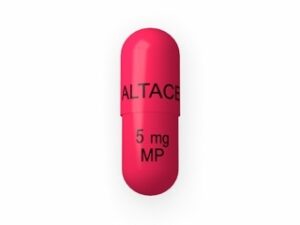
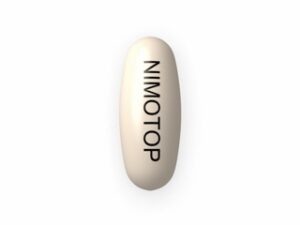
| Common strengths/forms | Available as extended-release (commonly) and immediate-release formulations depending on local supply |
| Common uses | High blood pressure, angina (chest pain), and other clinician-directed vascular indications |
Note: Brand and formulation (immediate vs extended-release) can affect dosing schedule. Always use the specific product strength and formulation indicated for you.
How Adalat Works (Mechanism of Action)
Nifedipine blocks L-type calcium channels in the smooth muscle of arteries. Calcium influx is normally needed for contraction. By reducing calcium entry, nifedipine causes:
- Vasodilation (widening of blood vessels)
- Lower blood pressure
- Reduced workload on the heart (helping symptoms in angina)
- Improved blood flow to tissues and the heart muscle
Unlike some other calcium channel blockers, nifedipine primarily targets blood vessels rather than the heart’s electrical system. This generally makes it effective for vascular conditions, though individual responses vary.
Pharmacokinetics (Absorption, Distribution, Metabolism, Excretion)
Pharmacokinetics describes what the body does to a medicine. Key points for nifedipine include:
- Absorption: Nifedipine is absorbed from the gut. Extended-release forms are designed to release the medicine slowly over time.
- Peak effect: Timing depends on the formulation. Extended-release products typically produce a more sustained blood level.
- Metabolism: Nifedipine is extensively metabolised by the liver, mainly via the CYP3A4 pathway.
- Elimination: Metabolites are eliminated mainly via the kidneys and bile/intestinal route (primarily as metabolites).
- Bioavailability: Oral nifedipine may have variable absorption due to first-pass metabolism, and blood levels may be influenced by other medicines and certain foods.
Because metabolism involves CYP3A4, drug interactions can significantly raise or lower nifedipine levels.
Typical Uses in Australia
Adalat (nifedipine) is used for conditions where relaxing blood vessels can help. Common indications include:
- Hypertension (high blood pressure)
- Angina (chest pain due to reduced blood flow to the heart)
- Vasospastic disorders (for example, certain types of chest pain related to blood vessel spasm, as determined by a clinician)
Important: The exact indication, dose and formulation should be tailored to your diagnosis and risk factors.
When to Take Adalat (Timing & How to Use Correctly)
Timing depends largely on whether you are using an extended-release or immediate-release formulation. Always follow the directions on your specific product and the advice provided for your situation.
General timing guidance
- Extended-release: Often taken once or twice daily, typically with consistent timing each day.
- Immediate-release: Often taken more frequently; spacing matters to avoid peaks and dips.
Practical tips
- Take at the same times each day to maintain steady blood levels.
- Swallow whole if the product is extended-release (do not crush or split unless the packaging advises it is safe).
- Do not double up to make up for a missed dose—follow the directions provided by your pharmacist for missed doses.
- If you’re unsure whether your formulation is extended-release, check the label carefully.
Food Interactions
Food can affect the absorption of nifedipine. While many people can take nifedipine with or without food, some formulations may be influenced.
- Grapefruit / grapefruit juice: Avoid. Grapefruit can inhibit CYP3A4 and may increase nifedipine levels, raising the risk of side effects.
- General advice: If you have been advised to take Adalat in a particular way (with food or without), stick to that approach consistently.
If you notice dizziness, flushing, or palpitations after dietary changes, consider whether grapefruit or significant meal timing changes occurred.
Alcohol Interactions and Precautions
Alcohol may increase the chance of side effects such as dizziness, drowsiness, and low blood pressure (light-headedness), particularly when starting treatment or increasing the dose.
- Recommendation: Limit alcohol and monitor how you feel.
- Avoid driving or operating machinery if you feel dizzy or unsteady.
Because responses vary, discuss safe drinking amounts with your pharmacist or doctor—especially if you have heart failure, significant blood pressure lowering, or other medications that can lower blood pressure.
Medicine Interactions (Other Medicines)
Nifedipine is metabolised mainly through CYP3A4. Medicines that inhibit or induce CYP3A4 can alter nifedipine blood levels.
Key interactions to be aware of
- Strong CYP3A4 inhibitors (may raise nifedipine levels): examples can include some antifungal medicines (e.g., certain azoles), some antibiotics (e.g., macrolides such as clarithromycin), and some antivirals. This can increase risk of side effects like dizziness, headache, flushing, and low blood pressure.
- Strong CYP3A4 inducers (may lower nifedipine levels): some anti-seizure medicines and other drugs can reduce nifedipine effectiveness.
- Other blood pressure-lowering medicines: combining may increase the risk of hypotension (low blood pressure).
- Simvastatin (dose-related caution): in some situations, nifedipine can increase simvastatin levels, raising muscle-related risk. Your clinician may recommend dose adjustments or alternatives.
- Digoxin: nifedipine may affect digoxin levels in some cases; monitoring may be needed.
Herbal and supplement interactions
- St John’s wort may reduce nifedipine levels (CYP3A4 induction).
- Other supplements can also affect drug metabolism. Tell your pharmacist about all supplements and complementary products.
Always check: Before starting any new medicine, including over-the-counter products, confirm whether it may interact with nifedipine.
Dosing (How Much Is Usually Used)
Dosing depends on the condition being treated, your response, kidney/liver function, and the specific nifedipine formulation.
General information (not a personal prescription)
- Hypertension: Dosing is typically started low and adjusted gradually to reach the desired blood pressure control.
- Angina: Dosing is similarly individualised, aiming to reduce chest pain episodes and improve exercise tolerance.
Extended-release formulations generally require once- or twice-daily dosing with steady release characteristics. Immediate-release may require more frequent dosing and a different schedule.
Important: Do not switch between brands or formulations without clinician or pharmacist guidance, as dosing schedules are not always directly interchangeable.
Safety Profile
Like all medicines, nifedipine can cause side effects. Many are mild and improve as your body adjusts. However, seek urgent help if you experience severe reactions.
Common side effects
- Headache
- Flushing (warmth/redness)
- Dizziness or light-headedness
- Swelling in the ankles/feet (peripheral oedema)
- Palpitations (awareness of heartbeat)
- Fatigue
Less common but important effects
- Low blood pressure (may cause fainting)
- Gastrointestinal upset (nausea)
- Muscle cramps (rare)
Seek urgent medical care if you have
- Signs of an allergic reaction: rash, swelling of face/lips, breathing difficulty
- Severe dizziness, fainting, or chest pain that worsens
- Rapid worsening shortness of breath or severe swelling
Monitoring: Blood pressure and heart symptoms should be reviewed regularly, especially during dose changes.
Practical Use Tips (Getting the Best Results)
Start safely
- When starting or increasing nifedipine, be extra careful with standing up slowly to reduce dizziness.
- Plan to avoid driving or operating machinery if you feel unsteady until you know how you react.
Manage swelling (oedema)
- Peripheral swelling can occur with nifedipine.
- Tell your pharmacist or doctor if swelling develops or becomes bothersome; dose adjustment or a different regimen may help.
- Follow general measures such as elevating legs when resting (if suitable for you).
Track your response
- Keep a note of your blood pressure readings (if you monitor at home) and any symptoms such as headaches or chest discomfort.
- If chest pain changes pattern, intensity or frequency, seek clinical advice promptly.
Keep formulation consistent
- Do not crush or split extended-release tablets/capsules unless specifically advised.
- Store your medicine in a cool, dry place and protect from moisture.
Alternative Options
If Adalat isn’t suitable, other medicines may be used for similar conditions. Your clinician can select options based on your diagnosis, age, comorbidities, and interaction risks.
Other classes used for similar purposes
- Other calcium channel blockers (e.g., amlodipine or verapamil/diltiazem depending on the indication)
- ACE inhibitors and angiotensin receptor blockers (ARBs) for blood pressure control
- Beta-blockers for certain heart conditions
- Diuretics in some blood pressure or fluid retention cases
Note: The best alternative depends on why you’re taking nifedipine (blood pressure, angina, or vascular spasm). Only change medicines under professional guidance.
Adalat in the Australian Market: Legal and Availability Context
In Australia, medicines are supplied through regulated channels and must meet Australian therapeutic goods standards. Availability, brand/formulation and restrictions can vary depending on product category and local prescribing/supply requirements.
Your pharmacy will guide you on the correct product strength and how to obtain refills safely.
Pharmacist support: When you order online, you can typically provide your details and the medicine will be dispensed and checked according to Australian supply and safety practices. If something doesn’t match (strength, formulation, quantity), a pharmacist can contact you for clarification before dispatch.
Recent Guidance and Ongoing Safety Considerations
Guidance for nifedipine generally focuses on safe use, avoiding unsafe interactions, and careful monitoring in people at higher risk of low blood pressure or drug interactions.
- Interaction awareness: Because nifedipine is metabolised by CYP3A4, avoiding grapefruit and checking for interacting medications remains a key safety message.
- Formulation matters: Extended-release products are designed for controlled release; changing how you take them (crushing/splitting) can alter effectiveness and safety.
- Monitoring during dose changes: Blood pressure and symptom response are typically reviewed after starting or adjusting dose.
If you’ve recently been told to stop or change any interacting medicine, let your pharmacist know before continuing nifedipine.
Delivery and Availability (Online Pharmacy)
Adalat may be available from Australian online pharmacies depending on local supply. Delivery timelines vary by location and stock levels.
What to expect when ordering online
- Product verification: Your order details (brand, strength, and formulation) may be checked for accuracy.
- Dispatch: Orders are typically dispatched once confirmed and packed according to pharmacy processes.
- Packaging: Medicines are usually delivered in protective packaging to help maintain product integrity.
- Delivery timeframe: Varies with suburb/region and carrier service.
Tip: Order early if you’re approaching your next refill date, especially if you travel or have a busy schedule.
FAQ — Adalat (Nifedipine)
1) What is Adalat used for?
Adalat (nifedipine) is used to treat conditions such as hypertension and angina. It may also be used for specific vascular conditions where blood vessel spasm contributes to symptoms, depending on the clinician’s assessment.
2) How quickly does nifedipine work?
Some people notice effects such as reduced chest discomfort or improved circulation relatively soon after taking a dose, but the exact timing depends on the formulation (immediate vs extended-release) and your personal response.
3) Can I take Adalat with food?
Many people can take nifedipine with or without food. However, follow your product instructions and pharmacist advice. If you notice side effects worsening when food timing changes, keep a consistent routine.
4) Why should I avoid grapefruit?
Grapefruit can inhibit CYP3A4 and may increase nifedipine levels, increasing risk of side effects such as dizziness, flushing, and low blood pressure.
5) Is alcohol safe while taking Adalat?
Alcohol can increase dizziness and the chance of low blood pressure. If you choose to drink, keep it limited and monitor how you feel—especially when starting or adjusting your dose.
6) What side effects are most common?
Common side effects include headache, flushing, dizziness, and ankle swelling. These may improve over time, but contact a pharmacist or clinician if they persist or worsen.
7) What should I do if I miss a dose?
Follow the advice provided on your medicine information or by your pharmacist. In general, don’t double up without guidance. The right approach depends on how far you are from the next dose.
8) Can I stop nifedipine suddenly?
Do not stop suddenly unless a healthcare professional advises it. Stopping abruptly may worsen blood pressure or angina control in some people.
9) Are there medicines I should avoid?
Because nifedipine interacts with drugs that affect CYP3A4, it’s important to review all medicines (including over-the-counter products and supplements) with a pharmacist. Examples of notable interaction risk include certain antibiotics, antifungals, antivirals, and St John’s wort.
10) When should I seek urgent help?
Seek urgent care if you have signs of an allergic reaction, severe dizziness/fainting, rapidly worsening symptoms, or chest pain that becomes severe or different from usual.
Summary
Adalat (nifedipine) is a calcium channel blocker used in Australia for conditions such as high blood pressure and angina. It works by relaxing blood vessels, improving blood flow and helping reduce symptoms. Safe use involves taking the correct formulation as directed, avoiding grapefruit, being cautious with alcohol, and checking potential drug interactions—especially those that affect CYP3A4 metabolism. If you have concerns about side effects, interactions or timing, your pharmacist can help you use nifedipine safely and effectively.