
Xeloda® (Capecitabine) — Patient-Friendly Guide (Australia)
Xeloda is a medicine containing capecitabine, a chemotherapy agent commonly used to treat several cancers. This guide explains how Xeloda works, when it is typically taken, important interactions, safety considerations, and practical tips to help you get the most from your treatment plan.
In Australia, Xeloda is available through licensed channels and is commonly supplied by pharmacies and hospital dispensing services depending on your treatment pathway. Always follow the schedule provided to you by your healthcare team.
Quick Product Information
| Item | Details |
|---|---|
| Generic name | Capecitabine |
| Brand name | Xeloda® |
| Medicine type | Chemotherapy / antimetabolite |
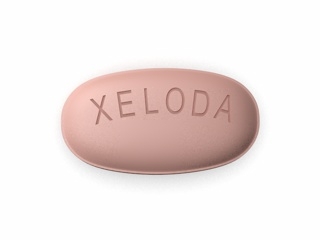
| Common dosage forms | Tablets (strengths vary by country supply; your pack will specify mg) |
| How it is taken | By mouth (oral tablets) |
| Typical schedule | Often taken in cycles (e.g., days on, then days off) |
| Key side effects | Hand-foot syndrome (palmar-plantar erythrodysesthesia), diarrhoea, mouth sores, nausea, fatigue, low blood counts |
How Xeloda Works (Mechanism of Action)
Capecitabine is an oral prodrug. This means it is converted in the body into an active chemotherapy medicine that can affect rapidly dividing cancer cells.
After you take capecitabine, it is metabolised through a series of steps in the liver and tissues. The active compound helps interfere with DNA synthesis by targeting the enzyme pathway involving:
- Thymidylate synthase (important for making DNA building blocks)
- Disruption of nucleotide balance needed for cancer cell growth and division
Because capecitabine is selectively activated more in tumour tissue than in normal tissue, it may offer a more targeted effect compared with some older chemotherapy agents. However, normal rapidly dividing cells (such as those in the mouth, gut, and skin) can still be affected, which is why side effects occur.
Pharmacokinetics (How the Body Processes It)
While individual experiences vary, the general pharmacokinetic behaviour of capecitabine is well characterised.
- Absorption: Capecitabine is absorbed from the gastrointestinal tract after oral administration.
- Distribution: It is processed through the liver and peripheral tissues where conversion occurs.
- Activation: Enzymatic steps convert capecitabine into its active metabolites.
- Excretion: Metabolites are eliminated primarily via the kidneys (urine).
Your healthcare team may adjust dosing based on factors such as kidney function, age, overall health, and previous treatment history.
What Xeloda Is Used For (Typical Uses & Indications)
Xeloda (capecitabine) is used in the management of various cancers. Typical indications include:
- Breast cancer (in certain stages and combinations, depending on clinical situation)
- Colorectal cancer (including advanced or metastatic settings, and as part of treatment protocols)
- Gastric cancer (certain clinical contexts)
- Pancreatic cancer (in selected regimens, depending on specific treatment plans)
Exact eligibility and regimen details depend on your cancer type, stage, prior therapies, and whether Xeloda is used alone or in combination with other medicines. Your oncology team can confirm the most appropriate approach for your case.
Timing: How and When to Take Xeloda
Xeloda is commonly taken in treatment cycles. A frequent schedule is:
- Days 1–14: take doses as instructed
- Days 15–21: rest period (no Xeloda)
Some regimens may follow different cycles. The key is to use the schedule your healthcare team prescribes and to check whether your plan is continuous or cycle-based.
Typical daily dosing pattern
- Often taken twice daily
- With meals timing rules (see food section below)
- Even spacing between doses is usually helpful
If you miss a dose, do not double the next dose unless your clinician instructs you to. Contact your treatment team for advice on missed doses and dose adjustments.
Food Interactions (With Meals)
Food can affect how much capecitabine is absorbed and how reliably it reaches target tissues. In general, Xeloda tablets should be taken:
- After a meal (food improves absorption)
- At approximately the same times each day
Many patient directions for capecitabine specify a consistent approach, such as taking one dose in the morning after breakfast and the second dose after dinner. Always follow the exact instructions provided with your medicine or by your prescriber.
If you have reduced appetite, nausea, or vomiting, talk to your healthcare team. They can help you manage nutrition and ensure dosing is as safe and effective as possible.
Alcohol and Medicine Interactions
Alcohol
Alcohol may worsen some side effects of chemotherapy, such as:
- Fatigue
- Nausea and stomach irritation
- Dehydration (which can be a concern if diarrhoea occurs)
- Liver stress in some people
There is no single universal alcohol rule for every patient, but it is generally advisable to limit alcohol and discuss your intake with your oncology team. If you have liver disease or significant side effects, ask specifically whether alcohol is safe for you.
Medicine interactions
Several medicines can interact with capecitabine treatment. Some interactions may increase side effect risk or require closer monitoring.
- Warfarin and other anticoagulants: may increase bleeding risk. Close monitoring of INR may be required.
- Phenytoin: can affect levels, potentially leading to toxicity or reduced effectiveness.
- Folinic acid (leucovorin): may enhance chemotherapy effect in combination regimens.
- Allopurinol and some other medicines: may affect metabolism and risk of adverse events.
- Other chemotherapy or radiotherapy: may increase the likelihood of combined toxicities (e.g., low blood counts, diarrhoea).
- Medicines affecting kidney function: because kidney clearance influences metabolite elimination.
This is not an exhaustive list. Before starting Xeloda, provide your healthcare team and pharmacist with a complete list of: prescription medicines, over-the-counter products, vitamins, herbal supplements (including St John’s wort), and pain medicines.
Dosing: General Principles (Personalised to You)
Capecitabine dosing is usually individualised and commonly based on:
- Body surface area (BSA) (derived from height and weight)
- Cancer type and regimen
- Kidney function (important for safety)
- Blood test results and prior toxicity
Your tablets may be supplied in different strengths. The total daily dose is split into morning and evening doses. Your oncology team will specify the exact number of tablets for each dose time.
Example of regimen structure (not a prescription)
Many treatment plans use a cycle-based schedule (e.g., two weeks on, one week off). Within each “on” period, doses are given twice daily after meals. Dose adjustments are common if side effects occur.
Dose adjustments for side effects
If you experience significant toxicity—such as severe hand-foot syndrome, diarrhoea, mouth ulcers, or low blood counts—your clinician may:
- Delay the next cycle
- Reduce the dose
- Stop treatment temporarily until symptoms improve
Do not restart or change your dose on your own. Any adjustment should be guided by your oncology team and based on your symptom severity and blood test results.
Safety Profile: Common and Serious Side Effects
Like all chemotherapy medicines, Xeloda can cause side effects. Some are more common than others. Many side effects are manageable with supportive care, early communication, and dose adjustments.
Common side effects
- Hand-foot syndrome (pain, redness, swelling, peeling, or blisters on palms/soles)
- Diarrhoea or changes in bowel habits
- Nausea and sometimes vomiting
- Mouth sores (stomatitis, oral inflammation)
- Fatigue and weakness
- Loss of appetite
- Skin changes (dryness, rash)
Blood-related and other important risks
- Low blood counts (neutropenia, anaemia, thrombocytopenia) leading to infection risk or bleeding/bruising
- Dehydration, especially if diarrhoea occurs
- Electrolyte disturbances (from vomiting/diarrhoea)
- Rare but serious reactions may occur (e.g., severe allergic responses)
When to seek urgent medical help
Contact urgent care promptly (or your oncology service) if you experience:
- Fever (often defined as 38°C or higher, or as advised by your team)
- Severe diarrhoea or inability to keep fluids down
- Severe mouth sores preventing eating/drinking
- Signs of dehydration (dizziness, fainting, very dark urine, marked weakness)
- Severe hand-foot syndrome affecting normal walking or daily activities
- Unusual bleeding (e.g., black stools, blood in urine, significant bruising)
- Difficulty breathing or swelling of the face/lips (possible allergic reaction)
Practical Use Tips (Day-to-Day Support)
1) Protect your hands and feet
Hand-foot syndrome can develop gradually. Early preventive steps may reduce severity:
- Keep palms/soles well moisturised with a fragrance-free emollient
- Avoid friction and pressure (tight shoes, rough surfaces)
- Use protective pads if your clinician recommends them
- Avoid hot water on hands/feet (lukewarm showers are often better)
If symptoms start (tingling, numbness, redness, swelling), inform your oncology team right away. Dose adjustments and supportive measures are more effective when started early.
2) Manage diarrhoea early
- Use prescribed anti-diarrhoeal medicines if you have them
- Maintain hydration (small frequent sips)
- Avoid irritant foods (very spicy, high-fat foods) if they worsen symptoms
- Monitor how often you’re going and whether you can drink normally
3) Mouth care for oral sores
- Keep your mouth clean (gentle brushing, soft toothbrush)
- Rinse regularly with a non-irritating mouthwash if recommended
- Eat soft, bland foods if painful
- Report painful sores early—treatment can be started promptly
4) Keep track of your dosing
- Use a pill organiser (as instructed by your pharmacist)
- Set reminders for morning and evening doses
- Record missed doses and side effects
5) Don’t stop abruptly without advice
If you feel unwell, you may need a temporary pause or dose reduction—but that decision should be made with your oncology team. Stopping suddenly without guidance can affect your treatment outcome.
Alternative Options (Discuss With Your Doctor)
Treatment selection depends heavily on cancer type, stage, prior therapies, and your overall health. For colorectal, breast, gastric, and other cancers, alternative chemotherapy regimens may include:
- Other fluoropyrimidines (e.g., 5-fluorouracil-based regimens in some settings)
- Oral alternatives used in certain cancers (depending on whether an oral fluoropyrimidine is appropriate)
- Targeted therapies (e.g., depending on biomarker status)
- Immunotherapies in selected cancers and biomarker-defined situations
- Radiotherapy or combined modality treatment where appropriate
Your oncology team can explain which alternatives may be relevant for your specific diagnosis and how risks/benefits compare.
Australia: Market and Legal/Regulatory Context
In Australia, medicines such as Xeloda are regulated under the Therapeutic Goods Administration (TGA) framework. Availability, supply arrangements, and prescribing pathways can vary across hospitals and community practice.
Patient access is typically managed through established healthcare services, with pharmacists ensuring correct dispensing, patient counselling, and safety checks. If you have questions about availability in your area, ask your pharmacist or your treating oncology clinic.
Recent guidance and safety updates (general)
Clinical guidance for capecitabine commonly emphasises:
- Close monitoring of symptoms and early management of diarrhoea and hand-foot syndrome
- Dose modifications based on toxicity severity and kidney function
- Blood test monitoring to detect low blood counts promptly
- Awareness of drug interactions (especially with anticoagulants and some seizure medications)
Your care team may also update supportive medicines (anti-nausea medicines, anti-diarrhoeal plans, moisturisers or topical treatments) based on your response.
Delivery and Availability (Online Pharmacy Considerations)
Availability of chemotherapy agents can be influenced by supply chains and distribution arrangements. When purchasing through an online pharmacy service, your experience may include:
- Verification of eligibility and safety checks before dispatch
- Packaging suited for temperature and handling requirements where applicable
- Tracking and standard delivery timeframes
- Pharmacist counselling via phone or messaging where supported
For the most accurate delivery timelines, check the product page for current stock status and estimated dispatch dates. If you are nearing the start of a cycle, contact the pharmacy early so delays do not disrupt treatment.
FAQ — Xeloda (Capecitabine)
1) What is Xeloda used for?
Xeloda (capecitabine) is used to treat certain cancers, including some breast and colorectal cancers, and other solid tumours depending on your specific clinical plan. Your oncologist will confirm the intended treatment goal (e.g., curative or disease control).
2) How do I take Xeloda?
It is taken by mouth as tablets, usually twice daily, and typically after meals. Follow the exact schedule and tablet counts provided for your regimen.
3) What should I do if I miss a dose?
Do not take extra tablets to “make up” the dose. Contact your oncology team or pharmacist for specific advice based on your timing and regimen.
4) Can I take Xeloda with food?
Yes—Xeloda is usually taken after food to improve absorption. Try to take doses at consistent times each day.
5) What are the most important side effects to watch?
The most commonly monitored issues include hand-foot syndrome, diarrhoea, mouth sores, nausea, fatigue, and signs of low blood counts or infection. Report symptoms early rather than waiting.
6) How can I reduce hand-foot syndrome?
Keep hands/feet moisturised, avoid heat/friction/pressure, wear comfortable footwear, and let your care team know early if redness, pain, tingling, swelling, or peeling begins.
7) Is it safe to drink alcohol during treatment?
Alcohol can increase the risk of dehydration and worsen fatigue or nausea. It’s best to limit or avoid alcohol and ask your oncology team what is safe for you.
8) What medicines commonly interact with capecitabine?
Interactions can include anticoagulants (e.g., warfarin), certain seizure medicines (e.g., phenytoin), and other drugs that may affect kidney function or metabolism. Tell your pharmacist about all medicines, supplements, and herbal products.
9) Does Xeloda require blood tests?
Yes. Treatment teams commonly monitor blood counts and organ function to ensure safety and to adjust dosing if needed.
10) What if I have kidney problems?
Kidney function affects how capecitabine metabolites are cleared. Your doctor may adjust your dose or monitoring plan. Tell your healthcare team about your kidney history and recent test results.
11) Are there pregnancy or fertility considerations?
Many chemotherapy medicines can affect fertility and may harm an unborn baby. Discuss contraception and family planning with your oncology team before starting treatment.
Important Disclaimer
This information is intended as a general patient guide for understanding Xeloda (capecitabine). It does not replace advice from your healthcare professionals. Always follow the specific instructions given for your individual treatment plan and seek medical advice for side effects or concerns.