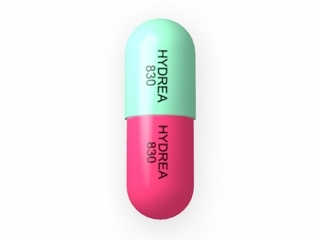


Hydrea (Hydroxyurea) — Patient Information (Australia)
Hydrea contains the active ingredient hydroxyurea. It is a medicine used in several serious blood and cancer-related conditions, and it works by slowing down the growth of certain fast-dividing cells and supporting normal blood production. This guide is designed to help you understand how Hydrea works, how it is usually taken, what to watch for, and what to discuss with your healthcare professional.
Important: The information below is general and may not apply to everyone. Your dosing and monitoring schedule will depend on your condition, blood test results, kidney function, and other medicines you may take.
Quick product facts
- Brand name: Hydrea
- Generic name: Hydroxyurea
- Medicine type: Antimetabolite / cytotoxic (cell growth inhibitor)
- What it’s used for: Certain blood disorders and some cancers (specific indications listed below)
- How it comes: Usually as capsules/tablets depending on local supply
- How it’s taken: Often once daily or as directed by your healthcare professional
How Hydrea works (mechanism of action)
Hydroxyurea is classified as an antimetabolite. It interferes with the DNA-making process in cells. In simple terms, it:
- Inhibits ribonucleotide reductase, an enzyme needed to create building blocks for DNA
- Reduces DNA synthesis in fast-growing cells, slowing their multiplication
- Helps decrease abnormal blood cell production in specific blood disorders
- May increase the effectiveness of other cancer treatments in some regimens (depending on the treatment plan)
Because hydroxyurea affects cells that divide quickly, it can help treat diseases where abnormal cells are overproducing, while also explaining why blood counts may drop and why regular monitoring is essential.
Pharmacokinetics (how the body handles Hydrea)
Pharmacokinetics refers to what the body does to the medicine—how it absorbs, distributes, metabolises, and excretes it.
- Absorption: Hydroxyurea is generally absorbed after oral dosing. Food may affect the timing and extent of absorption.
- Distribution: It distributes throughout the body and can reach tissues relevant to blood cell production.
- Metabolism: Hydroxyurea is metabolised in the body, with the liver playing a major role in processing it.
- Elimination: The medicine and its metabolites are removed mainly via the kidneys.
- Half-life: It has a relatively short-to-moderate duration of action, which is one reason consistent daily dosing and blood test monitoring are important.
Why this matters: If you have reduced kidney function, your dose and monitoring may need adjustment. Your healthcare professional may also tailor treatment based on your blood counts.
Typical uses (indications)
Hydrea is used for conditions where reducing abnormal blood cell activity is beneficial. Common indications include:
- Myeloproliferative neoplasms (MPNs): Often used in essential thrombocythaemia and polycythaemia vera to reduce the risk of blood clots and control elevated blood counts.
- Chronic myeloid-related conditions: In some patients, it may be used in certain treatment strategies depending on risk factors and prior therapies.
- Cancer-related uses: In specific cancers, hydroxyurea may be used as part of a regimen where DNA synthesis inhibition helps slow tumour growth.
- Refractory or special situations: Your treating team may select hydroxyurea for particular cases where it is appropriate based on clinical guidelines and patient factors.
Note: Exact approved uses and recommended regimens can vary based on Australian regulatory status and clinical guidelines. Always follow the plan provided by your healthcare professional.
How and when to take Hydrea
Follow your dosing schedule exactly. The “right” dose depends on your diagnosis, blood test results, and how you respond. Many patients require regular dose adjustments to balance effectiveness with safety.
Timing
- Take at the same time each day to maintain consistent blood levels.
- If your dose is once daily, take it at a time that fits your routine.
- If your clinician provides a different schedule (e.g., multiple daily dosing or alternating days), follow that schedule.
With food or without food?
Food can influence how quickly hydroxyurea is absorbed. In practice, patients are often advised to take hydroxyurea consistently
- If your pharmacist or clinician advised “with food,” take it with a meal or shortly after eating.
- If advised “on an empty stomach,” take it on a consistent basis, typically at least a couple of hours after meals.
- Do not change your approach without asking your healthcare professional, as it may affect monitoring and dosing.
How to handle capsules/tablets
- Swallow whole with water unless your clinician advises otherwise.
- Do not crush or open capsules unless specifically instructed—this reduces exposure risk for you and household contacts.
- If you need to handle a damaged capsule, wear gloves and follow your pharmacy’s instructions for safe disposal.
Dosing (general information)
Dosing must be individualised. Your doctor will usually base the starting dose and adjustments on:
- Your condition and risk level
- Baseline blood counts (for example, white blood cells, platelets, haemoglobin)
- Kidney function
- Previous treatments and overall health
- Side effects and tolerability
Common pattern: Many patients begin at a dose determined by their clinical situation, then doses are adjusted based on regular blood test results.
Monitoring is essential: Hydroxyurea can lower blood cell counts. If your counts drop too far, your healthcare professional may pause treatment or lower the dose. The goal is usually to keep counts within a safe, effective range.
Food interactions
Hydroxyurea absorption may vary with food. The key is consistency. In general:
- Maintain a consistent routine regarding meals.
- Tell your healthcare professional if you have nausea, vomiting, appetite changes, or digestive conditions that affect how you take your medicine.
Practical note: If your clinic instructs “take with food,” do so to reduce stomach upset for some patients. If no specific instruction is provided, follow the label or pharmacy directions.
Alcohol and medicine interactions
Alcohol: Alcohol may worsen side effects such as nausea, dizziness, fatigue, and it can affect blood counts and liver function indirectly. While there is not always a single universal “absolute” rule, it is generally safest to limit alcohol and discuss your intake with your healthcare professional—especially during periods of low blood counts or liver stress.
Medicine interactions: Hydroxyurea’s main concern is often the effect on bone marrow and blood counts. Combining it with medicines that also affect blood formation or the immune system can increase risk of infection, anaemia, or bleeding.
- Other cancer medicines / bone marrow suppressing drugs: may increase risk of low blood counts.
- Radiotherapy: may be used with hydroxyurea in some regimens; careful monitoring is required.
- Medicines affecting kidney function: may influence hydroxyurea elimination; ask your clinician if you take such medicines.
- Immunosuppressants: may increase susceptibility to infection.
Always check: Provide your healthcare professional and pharmacist with a complete list of all medicines, including over-the-counter products and herbal supplements.
Safety profile and side effects
Hydroxyurea can cause side effects for many reasons, most notably because it can reduce rapidly dividing cells—including those in bone marrow. Some side effects can be serious, so monitoring and early reporting are important.
Common side effects
- Low blood counts (low white cells, low platelets, anaemia)
- Fatigue or weakness
- Stomach upset such as nausea
- Mouth sores or irritation
- Loss of appetite
- Skin changes (may include darkening or dryness in some cases)
Serious side effects — seek urgent medical help
Contact urgent care or your healthcare team immediately if you experience:
- Signs of infection (fever, chills, sore throat, burning urination, persistent cough)
- Unusual bleeding or bruising, black/tarry stools, blood in urine
- Severe shortness of breath, chest pain, or fainting
- Severe allergic reaction (swelling of face/lips, wheezing, widespread rash)
- Persistent or worsening mouth ulcers or difficulty eating/drinking
Long-term considerations
- Some patients may experience skin-related effects with prolonged use.
- Monitoring for complications related to the underlying condition and therapy is standard practice.
Practical use tips
- Attend blood test appointments as scheduled. These results guide dosing changes.
- Know your “alarm symptoms” (fever, bleeding, mouth sores, severe fatigue) and report them early.
- Stay hydrated unless your doctor has restricted fluids.
- Oral care: If you get mouth sores, use gentle brushing, avoid spicy/acidic foods, and ask about appropriate mouth rinses.
- Skin protection: Use sunscreen and protective clothing, and report new or worsening skin lesions.
- Prevent injury: Be careful with activities that may cause bruises or cuts, especially if platelets are low.
- Keep a medication record (dose, time, any side effects) to share with your healthcare team.
Missed dose guidance
If you miss a dose, follow these general principles:
- Take it when you remember if it is close to your scheduled time.
- If it is nearly time for the next dose, skip the missed dose—do not double.
- Because dosing may be individualised and adjusted based on blood counts, ask your pharmacist/clinic for advice tailored to your schedule if you miss doses frequently.
Always contact your healthcare professional if you are unsure, especially for treatment with ongoing monitoring.
Who should use caution? (key safety considerations)
Hydroxyurea may require extra caution or monitoring in certain situations:
- Reduced kidney function: may increase exposure; dose adjustment may be needed.
- Low baseline blood counts or a history of significant cytopenias.
- Active infections or a compromised immune system.
- Previous or concurrent treatment that affects bone marrow.
Pregnancy and breastfeeding: Hydroxyurea can harm a developing baby. Women and men of reproductive potential should discuss contraception and family planning with their healthcare professional before starting therapy.
Fertility: Hydroxyurea may affect fertility in some patients; discuss concerns early with your care team.
Alternative options
Depending on your diagnosis, alternative therapies may include medicines and strategies that aim to control blood counts and reduce clot risk, or treatments that slow cancer cell growth.
Common alternatives (for relevant conditions) may include:
- Other cytoreductive agents (used in myeloproliferative disorders as clinically appropriate)
- Interferon-based therapies in certain patient groups
- Targeted therapies for specific molecular profiles or circumstances
- Supportive care measures such as antiplatelet or anticoagulation strategies when indicated (based on your clinician’s assessment)
Discuss with your healthcare professional: Whether an alternative is suitable depends on your exact condition, risk factors, test results, and prior treatments.
Hydrea in Australia: market and legal context
In Australia, medicines are supplied through regulated channels and must meet Therapeutic Goods Administration (TGA) requirements. Availability, brand names, and presentation may vary over time. Your local pharmacy may need to source specific strengths or forms depending on stock levels.
In general, for medicines such as hydroxyurea used for complex conditions, appropriate clinical supervision and routine monitoring are standard requirements under Australian healthcare practice. Your healthcare team is best placed to confirm the correct regimen for your case.
Supply notes: If Hydrea is not immediately available, pharmacies may be able to order it or supply an alternative equivalent presentation where appropriate and permitted.
Recent guidance and monitoring expectations (general)
While individual recommendations should always come from your treating clinician, ongoing clinical practice in Australia typically emphasises:
- Regular full blood counts to guide dose adjustments
- Assessment of kidney and liver function where relevant
- Early reporting of infection or bleeding symptoms due to potential cytopenias
- Medication reconciliation to avoid problematic combinations
- Safety counselling about contraception, pregnancy risk, and exposure precautions
If you have a recent change in treatment plan or your blood results have shifted, ask your clinician what that means for your dose and follow-up testing.
Delivery and availability
Online pharmacies in Australia typically provide a home delivery service for many regulated medicines. Availability may vary based on:
- Local supply and distributor availability
- Strength/form of Hydrea required
- Prescribing and dispensing requirements under Australian rules
- Payment and identification checks where required by regulation
Delivery timelines: Delivery timeframes depend on your location and the service level selected at checkout (for example, express vs standard). Your order confirmation will normally include estimated dispatch and delivery times.
Storage: Store Hydrea according to the label (usually at controlled room temperature, away from direct sunlight and moisture). Keep out of reach of children.
Frequently Asked Questions (FAQ)
1) What is Hydrea (hydroxyurea) used for?
Hydrea is used for certain blood disorders (such as essential thrombocythaemia and polycythaemia vera) and can also be used in specific cancer-related settings where slowing DNA synthesis in fast-dividing cells is beneficial.
2) How long does Hydrea take to work?
Some blood count changes may begin within days to weeks, but the full effect and safest dosing often require several weeks of monitoring and adjustment. Your clinician will interpret trends in your blood tests to guide treatment.
3) Will I need regular blood tests?
Yes. Regular monitoring is essential to detect low blood counts early and to adjust the dose so that the medicine remains effective while staying within safe limits.
4) Can I take Hydrea with food?
Food can affect absorption. The safest approach is to take Hydrea consistently according to the instructions you receive (with food or without food). If you’re unsure, check with your pharmacist.
5) What should I do if I miss a dose?
Take it when you remember if it’s close to your scheduled time. If it’s nearly time for the next dose, skip the missed dose. Do not double up. Ask your pharmacist if you miss multiple doses.
6) What side effects are most common?
Common effects include fatigue, nausea, mouth sores, and changes in blood counts (such as low white cells or platelets). Skin changes may also occur in some patients.
7) When should I contact a doctor urgently?
Seek urgent help if you have fever or signs of infection, unusual bleeding or bruising, severe breathlessness/chest pain, severe allergic reaction symptoms, or worsening mouth ulcers that affect eating or drinking.
8) Is it safe to drink alcohol while taking Hydrea?
Alcohol may worsen side effects and can affect liver function and overall health. It’s generally safest to limit alcohol and discuss your specific situation with your healthcare professional.
9) What medicines should I avoid?
Be cautious with medicines that can suppress bone marrow or affect immune function. Always provide your full medication list (including vitamins, herbal products, and over-the-counter medicines) so your pharmacist can check for interactions.
10) Are there alternatives to Hydrea?
Yes, alternatives exist depending on the condition being treated. Options may include other medicines that control blood counts or targeted therapies in certain cancer contexts. Your clinician can advise what is most appropriate for you.
Hydrea at a glance
| Topic | What to know |
|---|---|
| Active ingredient | Hydroxyurea |
| How it works | Inhibits DNA synthesis in fast-dividing cells (antimetabolite action) |
| Common monitoring | Regular blood tests to manage low blood counts and guide dosing |
| Typical timing | Usually once daily or as directed; take at the same time each day |
| Food interaction | Absorption may be affected—keep your meal routine consistent |
| Alcohol | May increase side effects; limit intake and discuss with your clinician |
| Key safety watch-outs | Infection symptoms, bleeding/bruising, severe breathlessness, severe allergy |
| Who needs extra caution | People with kidney impairment, low baseline blood counts, active infection |
Talk to your healthcare professional for advice tailored to your diagnosis, results, and medicines. If you notice side effects or changes in your health, report them promptly—early action helps keep treatment safer and more tolerable.