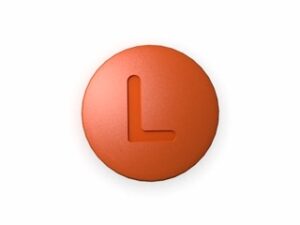


Dasatinib (Australia) – Patient-Friendly Medicine Information
Dasatinib is an oral targeted cancer medicine used to treat specific types of leukaemia. It works by blocking key signalling pathways that drive cancer cell growth. This page provides general, patient-friendly information about dasatinib, including how it works, how the body handles it (pharmacokinetics), typical uses, practical tips for taking it safely, and considerations for interactions with food, alcohol, and other medicines.
Important: Cancer treatments must be tailored to the individual. Always follow the treatment plan your healthcare team provides and refer to your medicine label or product information for the exact regimen.
Basic product information
| Item | Details |
|---|---|
| Active ingredient | Dasatinib |
| Medicine type | Targeted kinase inhibitor (anti-cancer) |
| Form | Tablet (various strengths depending on brand/product) |
| How it’s taken | By mouth |
| Common dosing schedule | Usually once daily for most indications (varies by regimen) |
| Monitoring | Blood tests and clinical assessment are commonly required |
| Availability in Australia | Subject to Australian supply channels and prescribing/dispensing rules |
How dasatinib works (mechanism of action)
Dasatinib belongs to a class of medicines called tyrosine kinase inhibitors. Many cancers, including certain leukaemias, rely on abnormal “on-switch” proteins (kinases) that send growth and survival signals inside the cell.
Dasatinib inhibits several kinases, including:
- BCR-ABL (a key driver in chronic myeloid leukaemia and some forms of Philadelphia chromosome–positive leukaemia)
- Other related kinases that may contribute to cancer cell activity
By blocking these signals, dasatinib can help reduce cancer cell proliferation and improve disease control.
Typical use in Australia
Dasatinib is used for certain types of leukaemia that have specific genetic features. It is commonly used when the cancer involves abnormal BCR-ABL kinase activity.
Common indications include:
- Chronic myeloid leukaemia (CML), including:
- Newly diagnosed disease (in adults, depending on treatment plan)
- Relapsed or resistant disease after prior therapy
- Philadelphia chromosome–positive acute lymphoblastic leukaemia (Ph+ ALL) in appropriate patient groups (depending on age and prior treatment)
Indications and suitability depend on disease stage, previous treatments, overall health, and testing results (such as mutation status and response monitoring).
Pharmacokinetics: what happens in the body
Pharmacokinetics describes how a medicine is absorbed, distributed, metabolised, and eliminated.
Absorption and peak levels
- After oral dosing, dasatinib is absorbed through the gastrointestinal tract.
- Peak blood levels typically occur within a few hours after taking a dose (timing can vary between individuals).
Distribution
- Dasatinib is extensively bound to plasma proteins.
- It distributes throughout the body, including into tissues where cancer activity may be present.
Metabolism
- Dasatinib is metabolised mainly in the liver through enzyme pathways (including CYP3A4).
- This means that some other medicines can change dasatinib levels in the body.
Elimination
- Metabolites are eliminated primarily via faeces and, to a lesser extent, urine.
- The overall elimination process is spread over time; effects persist beyond the moment of taking the tablet.
Because metabolism involves liver enzymes and transport processes, drug–drug interactions are an important safety consideration.
Dosing: common schedules and how to take it
Dasatinib dose depends on the specific indication, disease status, treatment history, tolerability, and other factors (including kidney/liver function and interacting medicines).
Typical dosing approach
- Often once daily for many regimens.
- The exact strength (e.g., 50 mg, 70 mg, 100 mg) and dose frequency must follow your healthcare plan.
- Dose adjustments may be made if blood counts drop or side effects occur.
How to take dasatinib safely
- Swallow tablets whole with water.
- Try to take the dose at the same time each day.
- Do not change dose or stop treatment without clinician guidance.
If you miss a dose
Follow your prescriber’s instructions. In general, if a dose is missed, it’s usually not meant to be doubled. If you are unsure, contact your treating team or pharmacist for advice based on your schedule.
Timing: morning vs night
For most patients, dasatinib can be taken at a time that fits daily routine, since it is typically dosed once daily. The key goals are:
- Consistency (same time each day)
- Monitoring for side effects (which may influence time-of-day decisions)
If you experience side effects that appear at a particular time, discuss timing adjustments with your healthcare team rather than self-modifying the regimen.
Food interactions: what to know
Food can affect absorption for some medicines. For dasatinib, taking it with food may influence blood levels and tolerability.
General patient guidance:
- Follow the instructions on your medicine label regarding whether to take with or without food.
- If your prescriber advises a particular approach (for example, timing around meals), keep to that plan.
If you are switching meal timing or starting a new diet (including high-fat meals), consult your pharmacist to confirm the safest routine.
Alcohol and medicine interactions
Alcohol
Alcohol can increase the risk of liver stress and may worsen side effects such as fatigue, dizziness, nausea, or gastrointestinal irritation. Because dasatinib is metabolised by the liver, it’s best to:
- Limit alcohol or avoid it unless your clinician says it’s acceptable.
- Discuss your alcohol intake with your healthcare team, especially if you have liver impairment or abnormal liver tests.
Medicine interactions (very important)
Dasatinib levels can be increased or decreased by other medicines, especially those affecting CYP3A4 or drug transport pathways.
Examples of interacting medicine categories:
- Strong CYP3A4 inhibitors (may raise dasatinib levels and side-effect risk)
- Strong CYP3A4 inducers (may reduce dasatinib levels and reduce effectiveness)
- Acid-reducing medicines such as proton pump inhibitors (PPIs) or H2 blockers may change gastric acidity and potentially affect absorption
- Other cancer medicines or medicines that also affect the blood system may increase risk of low blood counts or overlapping toxicities
Always provide your pharmacist and treating team with a complete list of:
- All prescription medicines
- Non-prescription medicines (including pharmacy items)
- Herbal supplements (especially products that claim to “boost” enzymes or metabolism)
- Vitamin or mineral supplements
When starting, stopping, or changing any medicine, confirm whether it affects dasatinib.
Safety profile: common and serious side effects
Like all medicines, dasatinib can cause side effects. Some are mild and manageable, while others require urgent medical attention. Your healthcare team will monitor your blood counts and symptoms to reduce risk.
Common side effects
- Low blood counts (anaemia, neutropenia, thrombocytopenia)
- Nausea, reduced appetite, diarrhoea or constipation
- Fatigue, weakness
- Headache or muscle/joint aches
- Rash or skin dryness/itching
- Fluid retention or swelling
Important serious risks (seek medical help)
Contact your treating team promptly (or seek emergency care if severe) if you experience:
- Signs of infection: fever, chills, sore throat, or feeling suddenly unwell (especially with low neutrophils)
- Bleeding or bruising: unusual bleeding, black stools, blood in urine, or severe bruising (possible low platelets)
- Shortness of breath, chest pain, or rapid weight gain with swelling (possible fluid accumulation or lung-related issues)
- Severe allergic-type reactions: swelling of face/lips, trouble breathing, widespread rash
- Severe diarrhoea or persistent vomiting leading to dehydration
Monitoring commonly used in treatment
- Full blood counts to monitor anaemia, white cells, and platelets
- Blood chemistry (including liver function tests)
- Disease response tests per haematology/oncology schedule
- Assessment for fluid retention and cardiopulmonary symptoms
Practical use tips for patients
- Keep a medicine routine: use a daily reminder to avoid missed doses.
- Attend blood test appointments: these help detect side effects early.
- Track symptoms: note new swelling, breathlessness, rash, fever, unusual bruising, or persistent gastrointestinal symptoms and report them.
- Hydration matters: drink water regularly unless your clinician restricts fluids.
- Oral care: if you get mouth sores, use gentle oral hygiene and ask your pharmacist about supportive products.
- Infection precautions: avoid close contact with people who are sick and follow advice about when to seek care.
- Sun protection: rash risk may be higher—use sunscreen and protective clothing.
Alternative options (depending on the condition)
If dasatinib is not suitable due to side effects, interactions, or treatment goals, clinicians may consider other targeted therapies for BCR-ABL–related disease. Options vary by indication and prior treatment history.
Common classes/alternatives that may be discussed with your healthcare team include:
- Other tyrosine kinase inhibitors used for CML or Ph+ ALL (choice depends on prior response and mutation profile)
- Supportive care measures (e.g., treatments for anaemia, infection prevention/management, anti-nausea medicines)
Your haematologist or oncology team will decide the best alternative based on your test results, previous therapies, and risk factors.
Market and legal context for Australia
In Australia, cancer medicines are regulated under the Australian regulatory framework overseen by the Therapeutic Goods Administration (TGA). Supply and dispensing for specialist oncology medicines typically occur via established healthcare pathways, and patients may access treatment through:
- Hospital oncology/haematology services
- Specialty dispensing arrangements
- Australian government or subsidised medicine programs where applicable
Availability can vary by strength/brand presentation and by specific funding arrangements. If you are planning to purchase dasatinib through an online pharmacy, ensure it is supplied through legitimate, licensed channels that comply with Australian laws and your clinician’s requirements.
Recent guidance and clinical updates (general overview)
Treatment recommendations for CML and Ph+ ALL can evolve as new clinical trial results emerge and as monitoring methods improve. In recent years, updates have commonly focused on:
- Optimising response monitoring (including more precise molecular testing schedules)
- Managing side effects with proactive dose adjustment strategies
- Improving supportive care for infection prevention, transfusion needs, and symptom control
- Assessing drug interactions more carefully, particularly with acid-reducing medicines and strong enzyme modulators
Your treating team should follow up-to-date national and international oncology guidance relevant to your disease type and stage.
Delivery and availability (online pharmacy guidance for Australia)
Availability may depend on stock levels, supply chain timing, and the specific tablet strength you need. When ordering from an online pharmacy:
- Confirm product details: check strength and pack size to match your treatment plan.
- Plan ahead: medicines for ongoing therapy should be ordered early to avoid delays.
- Check delivery expectations: delivery times vary by location within Australia and carrier service.
- Cold chain: dasatinib tablets typically do not require cold storage; follow the packaging instructions.
If you need your order urgently (e.g., you are due to start or must not miss doses), contact the pharmacy’s customer service before placing the order.
FAQ
1) What is dasatinib used for?
Dasatinib is used to treat certain types of leukaemia where abnormal BCR-ABL kinase activity is involved, such as chronic myeloid leukaemia (CML) and Philadelphia chromosome–positive acute lymphoblastic leukaemia (Ph+ ALL), depending on patient factors and treatment history.
2) How should I take dasatinib?
Take dasatinib once daily (or as your clinician specifies), at the same time each day. Swallow tablets whole with water and follow instructions about whether to take with food.
3) Can I take dasatinib with food or drinks?
Food may affect absorption. Follow the specific instructions you were given and written on the product label. If you are unsure, ask a pharmacist before changing your meal timing.
4) What medicines should I avoid?
You should check for interactions, especially with: strong CYP3A4 inhibitors/inducers, some acid-reducing medicines, and medicines that can affect blood counts. Always provide your full medication list to your pharmacist.
5) Is it safe to drink alcohol while taking dasatinib?
Alcohol is best limited or avoided. Alcohol can add strain to the liver and may worsen side effects. Discuss your alcohol intake with your healthcare team.
6) What side effects should I watch for?
Common effects include fatigue, nausea, rash, and low blood counts. Seek prompt medical advice for fever, unusual bleeding, severe breathlessness, chest pain, rapid swelling/weight gain, or severe/worsening symptoms.
7) Will I need blood tests?
Yes. Blood tests are commonly used to monitor blood counts, liver function, and treatment response. Keep all appointments for these tests.
8) What if I miss a dose?
Contact your clinician or pharmacist for advice based on your dosing schedule. Generally, you should not double up without guidance.
9) Can I switch brands or tablet strengths?
Switching should only be done under clinician guidance and with correct dose matching. Different brands and strengths can change the total daily dose.
10) What are the monitoring red flags that require urgent care?
Urgent attention is needed for suspected infection (fever), significant bleeding, severe shortness of breath or chest pain, and symptoms of fluid accumulation or allergic reactions. If severe, seek emergency care immediately.
Disclaimer: This information is for general education and does not replace advice from your healthcare professional. If you have questions about your personal treatment plan, side effects, or interactions, speak with your doctor or pharmacist.